
 By admin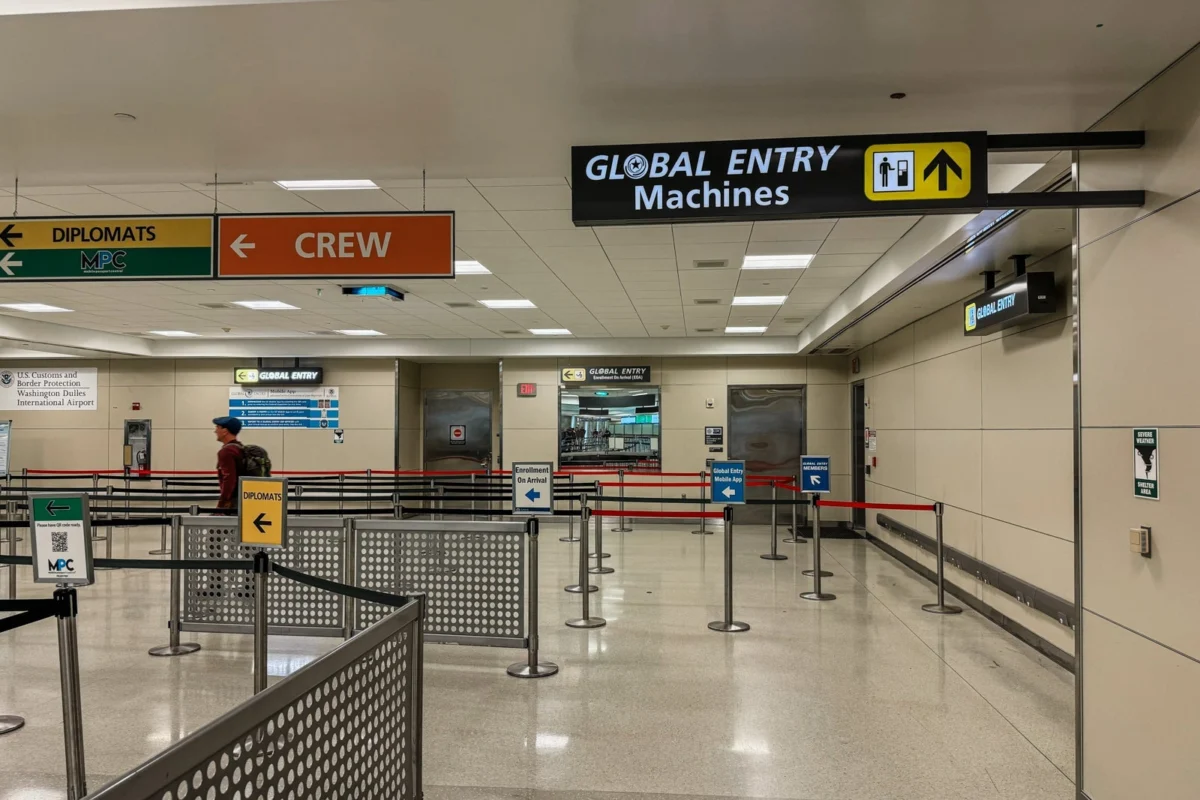
For the uninitiated, Global Entry is the crown jewel of the U.S. Department of Homeland Security’s Trusted Traveler Programs (TTP). It allows expedited clearance for pre-approved, low-risk travelers upon arrival in the United States. Traditionally, this process involved travelers rushing toward a bank of blue kiosks in the customs hall, scanning their passports, providing fingerprints, and answering declaration questions. However, the technological landscape of border security has evolved rapidly over the last decade. The introduction of the first Global Entry mobile app several years ago allowed flyers to bypass those kiosks entirely by submitting their arrival information via smartphone while still on the taxiway or walking toward the terminal.
The upcoming replacement of this app is not merely a cosmetic update or a rebranding exercise; it is a structural realignment of CBP’s digital strategy. The new Trusted Traveler App is designed to serve as a "one-stop shop" for all DHS expedited travel initiatives. While the outgoing app was focused almost exclusively on the Global Entry experience at specific airports, the new platform will integrate functionalities for NEXUS—the joint U.S.-Canada program—and SENTRI, which facilitates expedited land border crossings from Mexico. This consolidation reflects a broader federal push to simplify the user experience for travelers who may hold multiple credentials or who frequently move between different North American borders.
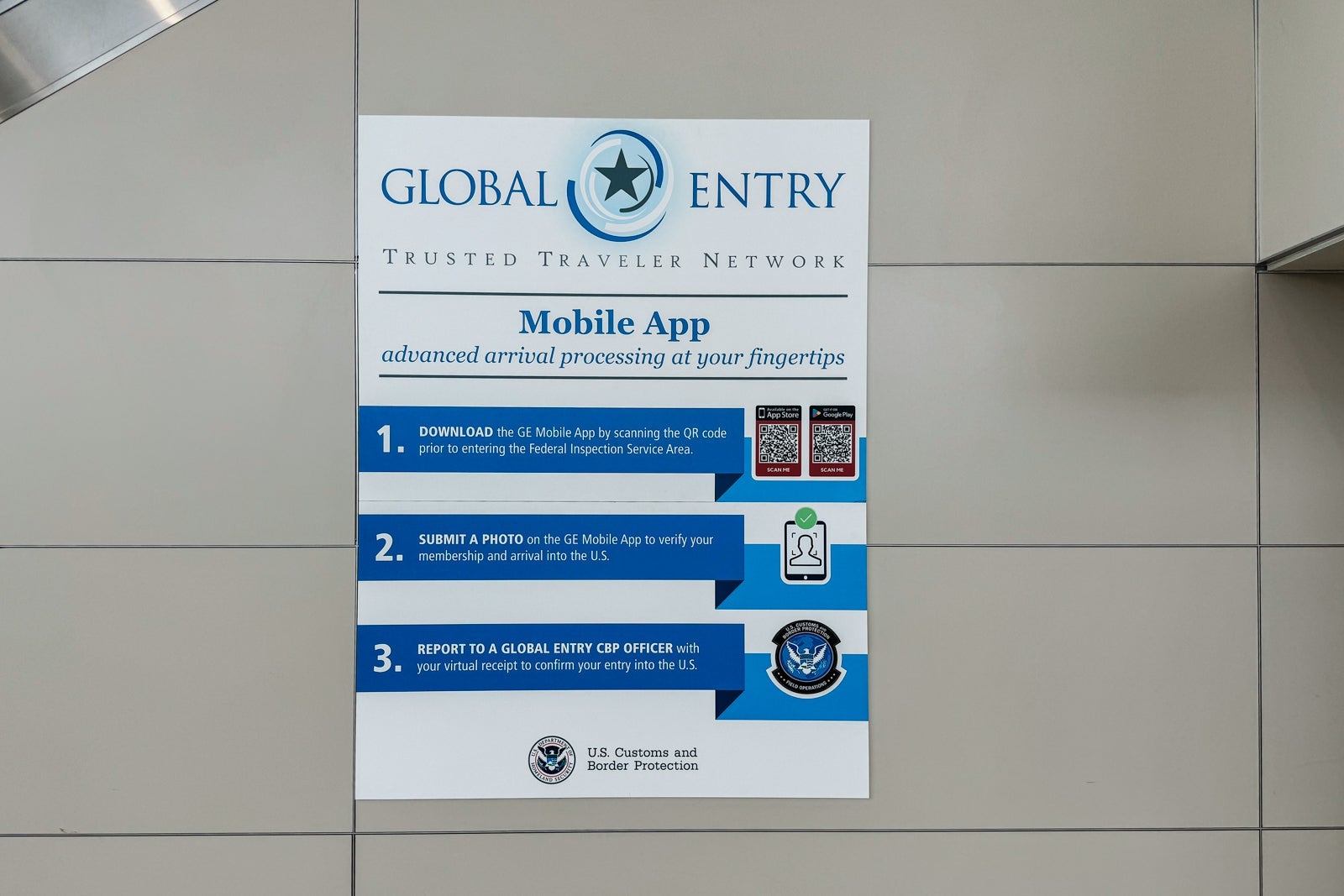
According to federal guidelines, the new Trusted Traveler App will retain the core functionalities that users have grown accustomed to. Travelers will still be able to take a "selfie" to verify their identity, submit their customs declarations digitally, and receive a digital receipt that allows them to skip the standard kiosk line and proceed directly to a CBP officer. However, the added utility is significant. For the first time, users will be able to initiate new applications, track the status of pending renewals, and manage their profile details directly within the mobile interface. Previously, these administrative tasks required users to log into the cumbersome TTP website, which was often criticized for its lack of mobile optimization.
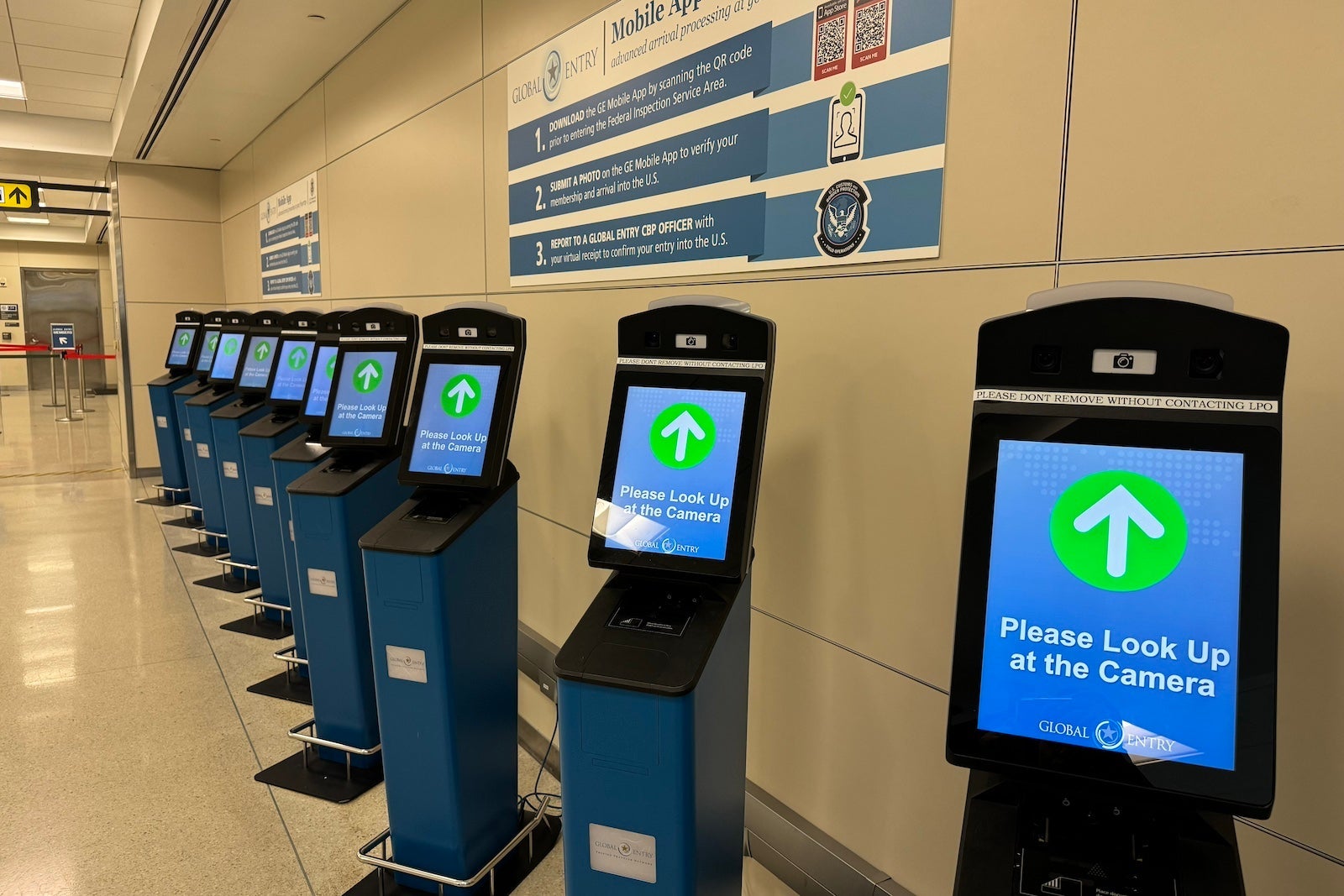
It is important to clarify that for the "traditionalist" traveler, very little will change on the ground. The physical Global Entry kiosks—the familiar blue machines found in nearly every major international gateway in the U.S.—are not going away. If you are a traveler who prefers the tactile experience of a kiosk or if you do not own a smartphone, the existing workflow remains intact. The mobile app transition is specifically aimed at the "power users" and tech-savvy flyers who prioritize speed and wish to minimize contact with shared hardware.
The timing of this app replacement coincides with a broader technological revolution currently being trialed at several of the nation’s busiest hubs. In recent months, the DHS has been testing "camera-capture" technology that represents the next frontier of "touchless" travel. This system, currently live at Boston Logan International Airport (BOS), Dallas Fort Worth International Airport (DFW), New York’s John F. Kennedy International Airport (JFK), Philadelphia International Airport (PHL), San Francisco International Airport (SFO), and Seattle-Tacoma International Airport (SEA), utilizes advanced facial recognition to identify Global Entry members as they walk through the customs hall. In these trial locations, travelers do not even need to stop at a kiosk or pull out a phone; the system identifies them in real-time, and they simply approach an officer who confirms their identity on a tablet. The new Trusted Traveler App is intended to complement this biometric infrastructure, providing a fallback and a data-entry point for airports that have not yet upgraded to the full biometric walk-through systems.
From a policy perspective, the evolution of Global Entry is occurring against a backdrop of rising costs and expanding membership. As of late 2024, the application fee for Global Entry rose from $100 to $120 for a five-year membership. This price hike—the first in over 15 years—was justified by the government as necessary to cover the rising operational costs of the program and the investment in the very technologies currently being deployed. Despite the price increase, the value proposition remains strong, particularly because Global Entry membership includes TSA PreCheck, which expedites domestic security screenings.
The economics of Global Entry are also heavily influenced by the credit card industry. A wide array of premium travel credit cards now offer statement credits that fully reimburse the $120 application or renewal fee. Major issuers like American Express, Chase, and Capital One have integrated this perk into their flagship products, such as the Platinum Card® from American Express, the Chase Sapphire Reserve®, and the Capital One Venture X Rewards Credit Card. For many frequent flyers, this makes the program effectively "free," contributing to the surge in membership which now exceeds 12 million individuals.
However, the rapid growth of the program has not been without its challenges. The surge in applications has historically led to massive backlogs in the interview process, with some applicants waiting months for an appointment at a traditional enrollment center. To combat this, CBP introduced "Enrollment on Arrival" (EoA), a program that allows conditionally approved applicants to complete their required interview when returning from an international trip. The new Trusted Traveler App is expected to feature better geofencing and notification systems to alert travelers when they are in an airport that offers EoA services, further reducing the friction of the enrollment process.
Privacy advocates, meanwhile, have kept a close watch on these developments. The shift toward biometric "selfies" and camera-capture technology raises valid questions about data retention and surveillance. CBP has consistently maintained that the photos taken for Global Entry verification are compared against existing images in the DHS database (such as passport photos) and are not stored indefinitely for non-citizens or used for purposes outside of border enforcement. The new app is expected to include enhanced encryption and privacy controls to satisfy federal data protection standards, but the debate over the "normalization" of facial recognition in public spaces remains a hot-button issue in the travel industry.
The replacement of the Global Entry app is also a strategic move to align U.S. border technology with international standards. Similar systems are being deployed globally, such as the European Union’s upcoming Entry/Exit System (EES) and the United Kingdom’s expansion of its eGates. By consolidating NEXUS, SENTRI, and Global Entry into a single mobile platform, the U.S. is positioning itself to better coordinate with international partners for future reciprocal "Trusted Traveler" agreements. Currently, the U.S. has such agreements with countries like the UK, Germany, South Korea, and Brazil, and a unified app makes it easier to scale these partnerships.
For travelers, the call to action is clear: if you currently have the Global Entry app on your phone, it will become a digital relic on September 15. You should look for the "Trusted Traveler App" in the Apple App Store or Google Play Store starting in mid-September. The transition process is expected to be seamless, allowing users to log in with their existing TTP credentials.
In conclusion, the sunsetting of the original Global Entry app represents the end of the "experimental" phase of mobile border crossing and the beginning of a mature, integrated digital border strategy. As travel volumes continue to shatter pre-pandemic records, the reliance on automation and mobile technology is no longer a luxury—it is a necessity for maintaining the security and efficiency of the U.S. border. Whether through a smartphone screen, a biometric camera, or a traditional kiosk, the goal remains the same: getting low-risk travelers home faster, while allowing CBP officers to focus their resources on higher-risk threats. The new app is the latest tool in that ongoing mission, reflecting a future where the "border" is increasingly defined by data rather than physical barriers.
