
 By admin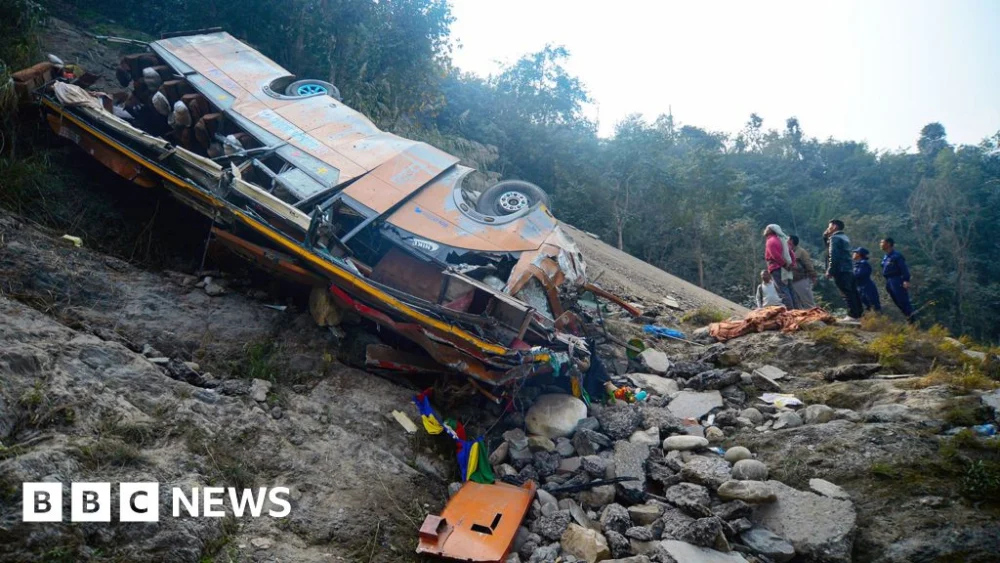
A tragic road accident in Nepal has claimed the lives of 19 people, including a 24-year-old British national. The devastating incident occurred in the early hours of Monday morning when a tourist bus, en route to the capital city of Kathmandu, veered off a mountainous road and plunged approximately 200 meters onto the bank of the Trishuli River in the central Dhading district. The bus, which had departed from Pokhara, a popular hub for trekkers and adventure tourists, was carrying a total of 44 individuals, including the driver.
Of the 44 people on board, 25 sustained injuries and were subsequently transported to hospitals in Kathmandu for medical attention. Nepalese police have confirmed that while nine bodies have been identified so far, the ongoing investigation into the exact cause of the crash is in its preliminary stages. Among the injured are a Chinese national and a New Zealander, underscoring the international nature of the tragedy.
Police spokesman Abinarayan Kafle provided further details, stating that 17 individuals succumbed to their injuries at the crash site, while two more passed away during medical treatment. The UK Foreign Office has confirmed its assistance to the family of the British victim, a spokesperson telling the BBC: "We are supporting the family of a British man who has died in Nepal and are in contact with the local authorities."
This latest disaster highlights the persistent dangers of road travel in Nepal. The country’s challenging topography, characterized by steep mountain passes and narrow, winding roads, coupled with often inadequate road maintenance, creates a perilous environment for both local and international travelers. These factors, unfortunately, contribute to a high incidence of road accidents.
Indeed, road safety in Nepal has been a recurring concern. In a stark reminder of this, just in 2024, at least 14 people lost their lives when a bus traveling from Pokhara to Kathmandu plunged into the Marsyangdi River in the Tanahun district. Such incidents, while deeply tragic, unfortunately, are not isolated events in Nepal’s transportation landscape.
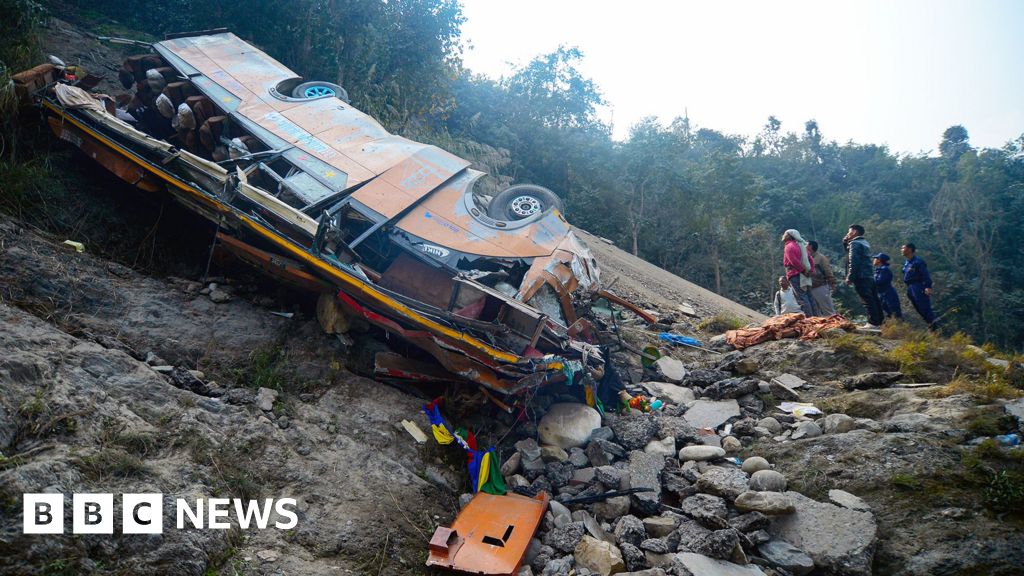
The Trishuli River, a major river in central Nepal, is known for its turbulent currents and the rugged terrain that surrounds it. The sheer drop from the road to the riverbank in the Dhading district, where the crash occurred, explains the catastrophic scale of the accident. The image captured by EPA depicts the grim aftermath: the bus lies on its side on the riverbed, its wheels tilted upwards at a precarious angle, a stark testament to the force of the impact. Nearby, individuals survey the scene, their figures dwarfed by the scale of the disaster.
Pokhara, the starting point of the ill-fated journey, is renowned as the gateway to the Annapurna region, a premier destination for trekkers worldwide. Its serene lakes and panoramic views of the Himalayas draw millions of tourists annually. The journey from Pokhara to Kathmandu is a common route for visitors seeking to experience Nepal’s diverse landscapes and cultural heritage, often undertaken by bus to navigate the mountainous terrain.
The economic and social impact of such accidents on Nepal, a nation heavily reliant on tourism for its revenue, cannot be understated. Each incident not only results in the loss of precious lives but also casts a shadow over the country’s reputation as a safe travel destination. For the families of the victims, the grief is immeasurable, compounded by the distance and the complexities of dealing with an international tragedy.
The UK Foreign Office’s involvement signifies the diplomatic and consular efforts underway to support the grieving family. The process of identifying victims, repatriating remains, and providing necessary support to affected families in such circumstances can be intricate, especially when dealing with different legal and administrative systems.
Nepal’s appeal as a tourist destination is undeniable. The majestic Himalayas, including the world’s highest peak, Mount Everest, attract adventurers and mountaineers from across the globe. This influx of tourists necessitates robust infrastructure and stringent safety measures, particularly in the transportation sector, which is often the first and last point of contact for visitors.
While authorities are investigating the cause of this specific crash, preliminary reports often point to a combination of factors. These can include driver fatigue, speeding, mechanical failures, and the inherent challenges of driving on Nepal’s road network. The sheer volume of traffic, especially during peak tourist seasons, further exacerbates these risks.
The monsoon season, when it arrives, can further complicate road travel with increased rainfall leading to landslides, road erosion, and reduced visibility, making already treacherous routes even more hazardous. While the timing of this accident in the early hours of Monday morning might suggest factors other than weather, the general vulnerability of Nepal’s road infrastructure remains a persistent issue.
The incident also raises questions about the regulation and oversight of tourist transportation in Nepal. While many operators adhere to safety standards, the presence of less scrupulous entities can put travelers at risk. Increased enforcement of regulations, regular vehicle inspections, and driver training programs are crucial steps in mitigating these risks.
The international community’s response to such tragedies often involves offers of assistance from various countries whose citizens are affected. This collaborative effort is vital in ensuring that all victims receive the care and support they need, and that investigations are conducted thoroughly and transparently.
As the investigation unfolds, the focus will undoubtedly be on identifying the specific failures that led to this catastrophic event. The hope is that the findings will not only bring closure to the affected families but also lead to concrete improvements in road safety measures across Nepal. The country’s tourism industry, a vital engine of its economy, depends on it.
The tragedy serves as a somber reminder of the inherent risks associated with travel in mountainous regions and the critical importance of prioritizing safety in all aspects of infrastructure development and transportation management. For the families of the 19 individuals who lost their lives, and for the injured, the journey of recovery and grief will be long and arduous. The international community, through its consular services and humanitarian support, will play a crucial role in easing their burden during this profoundly difficult time. The image of the wrecked bus, juxtaposed with the serene yet unforgiving landscape, encapsulates the fragility of life and the enduring challenges of ensuring safety in one of the world’s most breathtaking, yet demanding, geographical settings.
