
 By admin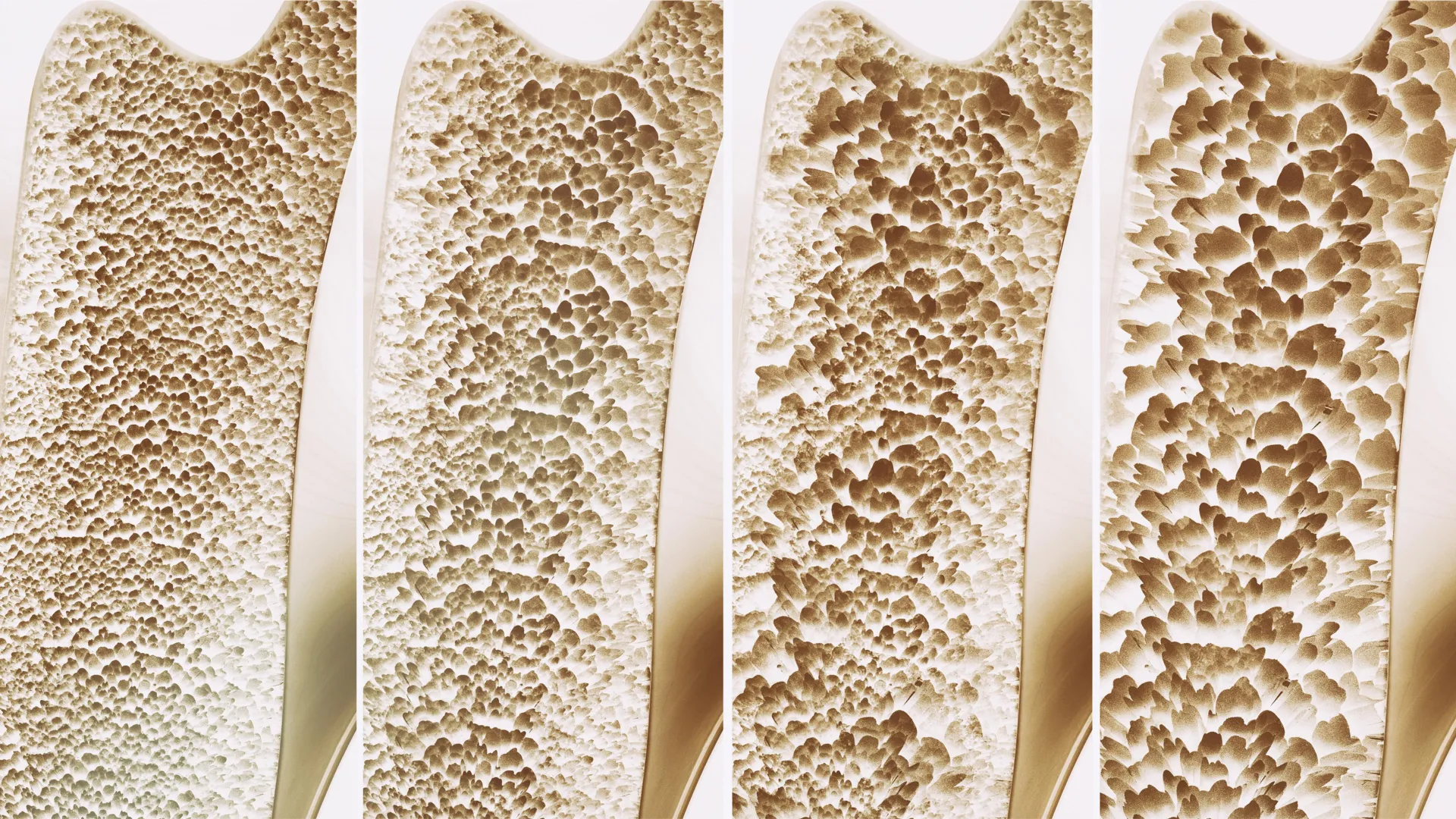
The current therapeutic landscape for osteoporosis, while offering some relief, is fraught with limitations. Existing treatments, such as bisphosphonates, denosumab, and teriparatide, can slow bone loss or even build some new bone. However, they often come with a spectrum of potential side effects, including gastrointestinal issues, osteonecrosis of the jaw, atypical femoral fractures, or the need for strict adherence to complex dosing schedules. Furthermore, many therapies have duration limits due to safety concerns, making long-term management a complex balancing act for clinicians and patients alike. This pressing need for safer, more effective, and sustainable treatment options over extended periods has spurred researchers worldwide to relentlessly search for novel biological targets that could lead to groundbreaking, more precise interventions capable of preserving or rebuilding bone tissue.
In a significant stride forward for bone health research, scientists at Leipzig University have now identified one such promising target: GPR133. This receptor, previously little understood in the context of skeletal biology, appears to play a critical and previously unrecognized role in maintaining bone strength and integrity. Their discovery opens a new avenue for developing next-generation therapies that could revolutionize how osteoporosis is treated.
Unveiling GPR133: A Little-Known Receptor with a Major Role in Bone Health
GPR133 belongs to a fascinating and still largely mysterious subgroup of G protein-coupled receptors (GPCRs) known as adhesion G protein-coupled receptors (aGPCRs). Unlike classical GPCRs, aGPCRs are distinguished by their exceptionally large extracellular domains, which allow them to sense and respond to various mechanical and biochemical cues from their surrounding environment. They act as sophisticated sensors, sitting on the surface of cells and mediating their responses to signals from the extracellular matrix, other cells, and even physical forces. While this family of receptors is still a relatively new frontier in biomedical research, the groundbreaking findings from the Leipzig team strongly suggest that GPR133 is intimately involved in the complex and dynamic processes that govern the building and maintenance of healthy bone throughout life.
"Our research indicates a profound connection between GPR133 and skeletal health," explains Professor Ines Liebscher, the lead investigator of the study from the Rudolf Schönheimer Institute of Biochemistry at the Faculty of Medicine at Leipzig University. Professor Liebscher highlights the compelling evidence gathered from their animal models: "If this receptor is impaired by genetic changes, mice show signs of loss of bone density at an early age – a condition remarkably similar to osteoporosis in humans. This direct correlation immediately signaled its potential significance."
The team’s work didn’t stop at identifying the receptor’s role. They also investigated its therapeutic potential. "Using the substance AP503, which was only recently identified via a sophisticated computer-assisted screen as a stimulator of GPR133, we were able to significantly increase bone strength in both healthy and osteoporotic mice," Professor Liebscher reveals. This discovery of AP503, a compound capable of activating GPR133, is a critical step, transforming GPR133 from a mere biological observation into a viable drug target. The fact that AP503 demonstrated efficacy in both healthy and osteoporotic mice underscores its potential not only for preventing bone loss but also for potentially reversing existing damage.
The results point unequivocally to GPR133 as a potentially invaluable target for future osteoporosis treatments. The researchers’ ability to stimulate the receptor with AP503 and observe a marked increase in bone strength across different animal models provides a robust proof-of-concept for its therapeutic utility.
How GPR133 Helps Build Stronger Bones: The Intricate Dance of Bone Remodeling
To fully appreciate the significance of GPR133, it’s essential to understand the continuous process of bone remodeling. Bone is not a static tissue; it’s a living, dynamic organ constantly undergoing renewal. This intricate process involves a delicate balance between two primary types of cells: osteoblasts and osteoclasts. Bone-forming cells, known as osteoblasts, are the architects of our skeleton, responsible for producing new bone matrix and ultimately laying down new bone tissue. Conversely, bone-resorbing cells, called osteoclasts, act as the demolition crew, removing old, damaged, or excess bone as part of the skeleton’s normal cycle of renewal. In a healthy adult, approximately 10% of the skeleton is replaced annually, a testament to this constant cellular activity. Maintaining the right, harmonious balance between these two opposing processes is absolutely crucial for ensuring strong, durable, and healthy bones throughout life. When this balance is disrupted, for instance, due to aging, hormonal changes (like those in menopause), or certain medical conditions, osteoclast activity can outpace osteoblast activity, leading to a net loss of bone mass—the hallmark of osteoporosis.
Inside bone tissue, GPR133 appears to act as a crucial orchestrator of this balance. It responds dynamically to both physical forces, such as the mechanical stress from weight-bearing exercise, and intricate interactions between nearby bone cells. This ability to sense and respond to its environment suggests GPR133 plays a key role in mechanotransduction—the process by which cells convert mechanical stimuli into biochemical responses. When the GPR133 receptor is activated, it sets off a cascade of intracellular signaling pathways that ultimately shifts the delicate equilibrium toward bone formation.
Specifically, activation of GPR133 encourages the proliferation and activity of osteoblasts, effectively increasing the "construction crew" for new bone. Simultaneously, it appears to reduce the activity of osteoclasts, thereby curbing the "demolition crew." This dual action—boosting bone formation while suppressing bone breakdown—effectively shifts the overall balance toward the accumulation of stronger and more durable bone tissue.
The compound AP503, discovered through advanced computational screening, appears to mimic the natural process that activates GPR133. This raises the tantalizing possibility that AP503, or similar compounds derived from this research, could eventually be developed into a therapeutic agent to actively increase bone strength or help restore bone that has already been weakened by disease. One particularly promising application would be in the treatment of osteoporosis associated with menopause. During this critical life stage, declining estrogen levels in women dramatically accelerate bone loss, making them highly vulnerable to fractures. A targeted therapy that can rebalance bone remodeling could offer significant protection and a much-needed alternative to existing treatments.
Beyond Bones: Potential Benefits for Both Bone and Muscle—A Synergistic Approach
The findings from Leipzig University could have far broader implications, as the researchers discovered that AP503 may affect more than just the skeleton. This potential dual action is particularly exciting for the aging population.
In an earlier, related study, researchers at Leipzig University had already made a groundbreaking observation: activation with AP503 also demonstrated a strengthening effect on skeletal muscle. This prior discovery, combined with the new findings on bone, suggests a profound synergistic potential for GPR133 activators.
"The newly demonstrated parallel strengthening of bone, alongside the previously observed muscle enhancement, once again highlights the great potential this receptor holds for medical applications, particularly in an aging population," emphasizes Dr. Juliane Lehmann, lead author of the study and a dedicated researcher at the Rudolf Schönheimer Institute of Biochemistry. This simultaneous benefit is a critical factor, as age-related decline in bone density (osteoporosis) often co-occurs with age-related muscle loss (sarcopenia), a condition known as osteosarcopenia. Frailty syndrome, characterized by decreased strength, endurance, and physical function, is a common and debilitating consequence of these combined declines.
A single treatment capable of simultaneously improving both bone and muscle strength would represent a significant breakthrough in geriatric medicine. Such an intervention could profoundly impact the health and independence of older adults, who often experience progressive declines in both tissues, leading to increased risk of falls, fractures, and loss of mobility. Maintaining stronger muscles is paramount for supporting mobility, improving balance, and enhancing overall stability, thereby directly reducing the risk of falls. Concurrently, stronger bones directly reduce vulnerability to fractures, which are a major cause of morbidity and mortality in the elderly. This integrated approach to musculoskeletal health could fundamentally transform the management of age-related frailty.
The Leipzig team is now pursuing several ambitious follow-up projects aimed at understanding GPR133 more fully. Their research agenda includes delving deeper into the precise molecular mechanisms by which GPR133 influences both osteoblasts and osteoclasts, investigating optimal dosing strategies for AP503, and exploring its long-term safety and efficacy in various animal models. Furthermore, researchers are actively investigating whether AP503 could have therapeutic applications in other diseases where musculoskeletal integrity or cellular signaling is compromised, and are continuing to examine the receptor’s wider functions throughout the body to uncover its full biological significance.
Leipzig’s Longstanding Research into GPR Receptors: A Foundation of Excellence
The recent discoveries are not an isolated event but rather the culmination of more than a decade of dedicated and pioneering research at Leipzig University into adhesion G protein-coupled receptors. For over ten years, Leipzig has made these intriguing receptors a major research priority through its highly regarded Collaborative Research Center 1423, titled "Structural Dynamics of GPCR Activation and Signaling." This prestigious, federally funded program brings together a multidisciplinary team of scientists, pooling expertise in biochemistry, structural biology, pharmacology, and computational science.
The center’s core focus is on unraveling the intricate mysteries of how these receptors change shape, become activated by various stimuli, and subsequently transmit vital signals inside cells. Given that G protein-coupled receptors, as a whole, represent the largest and most therapeutically relevant family of drug targets—accounting for a significant percentage of all prescription medications—Leipzig University’s sustained and in-depth commitment to understanding aGPCRs positions it at the forefront of this critical field. Through its rigorous scientific endeavors and collaborative spirit, Leipzig University has earned international recognition as a leading center for cutting-edge research in this area, solidifying its reputation as a hub for innovation that promises to yield further breakthroughs in human health. The identification of GPR133 as a potent new target for osteoporosis exemplifies the power of such sustained, foundational research to translate into tangible hope for millions.
