
 By admin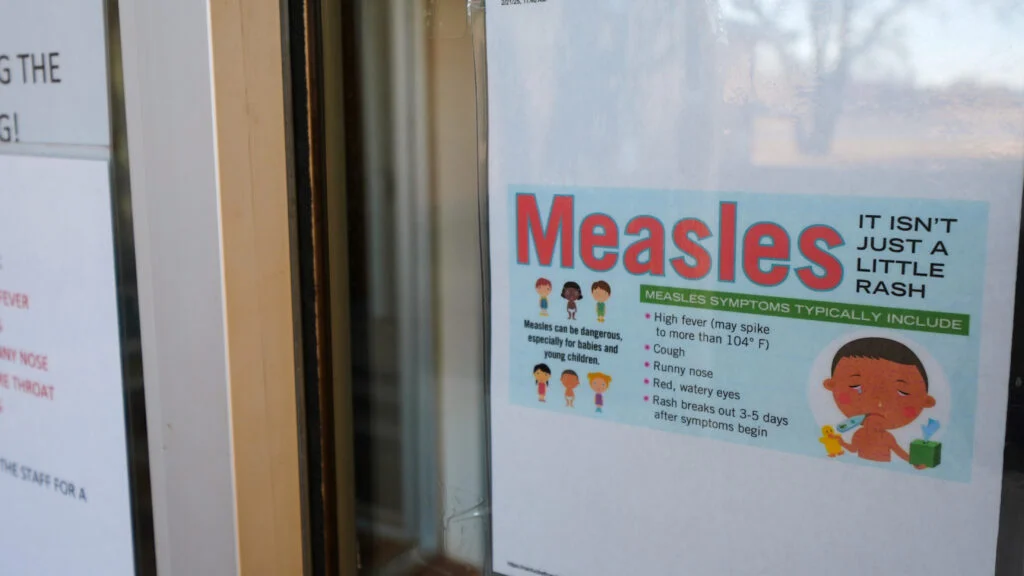
The public health landscape in Pennsylvania reached a somber milestone this weekend as officials confirmed the death of a 40-year-old woman from measles-related complications. This fatality marks the third death in the state linked to the current outbreak, a resurgence of a disease that was once declared eliminated in the United States in the year 2000. Jefferson County Coroner Greg Furlong announced the death in a statement released Saturday, describing the event as a "heartbreaking loss" and a "stark reminder" of the inherent lethality of the virus. While measles is often characterized in modern discourse as a childhood ailment, this latest casualty highlights the extreme risks the virus poses to adults, particularly those who may have waning immunity or underlying health vulnerabilities.
Pennsylvania is currently grappling with one of the most significant measles clusters in recent American history. As of the latest reporting period, the state has documented 676 confirmed cases, a number that has sent shockwaves through the medical community. The demographic spread of the outbreak is particularly concerning; while the two previous deaths involved infants—a group highly susceptible due to their inability to be vaccinated until their first birthday—the death of a middle-aged adult suggests a wider failure of community immunity. Public health experts note that measles requires a 95% vaccination rate to maintain "herd immunity." When coverage drops below this threshold, the virus finds "pockets" of susceptibility, leading to the kind of exponential growth currently witnessed in the Commonwealth.
The tragedy is being compounded by a deepening rift between state health officials and federal leadership. Health Secretary Robert F. Kennedy Jr. has publicly challenged the causality of the previous infant deaths, suggesting that the role of the measles virus in those fatalities has been overstated or misattributed. This skepticism has created a vacuum of consensus, as the Centers for Disease Control and Prevention (CDC) has yet to officially register the infant deaths as measles-related in their national database. The friction escalated late Sunday when CDC Director Erica Schwartz issued a pointed statement indicating that Pennsylvania officials had failed to notify the federal agency of the most recent death in Jefferson County. Furthermore, Schwartz lamented that the state has not yet accepted repeated offers for "on-the-ground" epidemiological support, suggesting a breakdown in the traditional collaborative relationship between state health departments and federal experts.
Simultaneously, the Trump administration’s broader healthcare agenda is facing intense scrutiny following the publication of a new modeling study in The Lancet. At the heart of the controversy is the "most-favored nation" (MFN) pricing policy, a cornerstone of the administration’s plan to lower Medicare drug costs. The policy aims to align the prices Medicare pays for certain high-cost drugs with the significantly lower prices charged in other high-income, developed nations. However, the study suggests that the administration may be inadvertently—or perhaps through secretive negotiations—gutting the very program it champions.
Researchers, led by Thomas Hwang of Brigham and Women’s Hospital, discovered that private deals struck between the administration and more than two dozen pharmaceutical giants could slash the projected savings of the MFN program by as much as 80%. These "secretive deals" involve complex rebate structures and pricing agreements that remain shielded from public and legislative oversight. According to the modeling, these agreements create a perverse incentive for pharmaceutical companies. To avoid triggering the "most-favored nation" price drops in the U.S., manufacturers may aggressively hike prices in international markets or strategically delay the launch of innovative products abroad. This "global price creep" effectively neutralizes the downward pressure the MFN policy was intended to exert on domestic costs. "Because these deals aren’t public, it is challenging for policymakers and the public to judge whether most-favored-nation pricing is delivering what was promised," Hwang noted, emphasizing the lack of transparency that currently defines federal pharmaceutical policy.
The financial strain on the healthcare system is not limited to drug pricing. A separate crisis is unfolding in the nation’s rural corridors, where a $50 billion "Rural Health Transformation Fund" is failing to live up to its initial promise. The fund was established by Republican lawmakers as a compensatory measure within a larger, more controversial bill that slashed $1 trillion from Medicare. At its inception, the fund was touted as a lifeline for struggling rural hospitals, intended to finance a transition toward sustainable, modern care models. However, reports from hospital executives on the ground paint a much bleaker picture.
The fundamental issue, as reported in STAT’s "Unraveled" series, is that rural facilities are in a state of "survival mode" that precludes long-term strategic transformation. Hospital leaders argue that the $50 billion, while sounding substantial, is being used as a temporary patch for "gaping holes" created by the broader $1 trillion cut to Medicare reimbursements. Tim Clifford, a veteran physician in Bucksport, Maine, expressed the frustration felt by many in the sector, noting that hospitals are operating in a state of perpetual uncertainty. They are forced to apply for grants and funds without knowing the total allocation they will receive or the true depth of the financial deficits they are expected to bridge. This reactive approach to healthcare funding means that instead of building new clinics or investing in telemedicine, rural administrators are using the transformation funds to keep the lights on and pay existing staff, leaving the underlying structural weaknesses of rural medicine unaddressed.
As the nation enters the tail end of summer, public health officials are also turning their attention toward the impending respiratory virus season. The "triple threat" of influenza, COVID-19, and respiratory syncytial virus (RSV) looms large, particularly given the current strain on the public health infrastructure. This year, the guidance for RSV vaccination is particularly specific. For those who have already received an RSV shot in previous years, current clinical guidelines do not recommend a booster, as the initial dose appears to provide multi-season protection. However, a critical window is opening for expectant mothers. Those between 32 and 36 weeks of pregnancy during the September-to-March window are urged to receive the RSV vaccine. This maternal immunization is vital because it allows the mother to pass protective antibodies to the fetus, providing the newborn with a crucial defense against severe bronchiolitis and pneumonia during their most vulnerable first months of life.
Regarding the seasonal flu and COVID-19, experts are advising a strategy of "informed timing." While both vaccines are currently available, the efficacy of the influenza vaccine is known to wane over several months. Consequently, for healthy adults, waiting until influenza activity begins to rise in their specific community can ensure peak protection during the height of the winter surge. However, the CDC emphasizes that "staggering" or "stacking" these vaccinations is a matter of personal and clinical preference; getting all three shots (Flu, COVID, and RSV) simultaneously is safe and often more practical for those with limited access to healthcare facilities.
Finally, the legal battle over the very structure of American vaccine policy has hit a procedural standstill. A federal judge has paused proceedings in a high-stakes lawsuit filed by the American Academy of Pediatrics (AAP) against Health Secretary Robert F. Kennedy Jr. The suit challenges the legality of Kennedy’s sweeping changes to the Advisory Committee on Immunization Practices (ACIP), the body of experts that provides the scientific foundation for the CDC’s vaccine schedules. The AAP alleges that Kennedy’s "reconstitution" of the committee and subsequent changes to the childhood immunization schedule violated the Administrative Procedures Act (APA), which requires federal agencies to follow specific, transparent protocols when altering established regulations.
In March, U.S. District Judge Brian E. Murphy issued a preliminary ruling in favor of the AAP, suggesting they were likely to succeed in their claim that the administration had bypassed necessary legal hurdles. This ruling effectively froze many of the administration’s proposed changes. The Department of Health and Human Services (HHS) subsequently appealed the decision. Now, with the case in the hands of the appeals court, the district court has opted to wait for a higher ruling. This legal "limbo" has left ACIP unable to meet, stalling the update of national vaccine recommendations at a time when the Pennsylvania measles outbreak underscores the need for clear, science-based guidance. Richard Hughes, lead counsel for the AAP, remains steadfast, noting that the case is of "national importance" as they prepare for oral arguments before the First Circuit on October 6. The outcome of this case will likely determine the trajectory of U.S. immunization policy for a generation, deciding whether vaccine schedules remain the purview of independent scientific bodies or become more directly subject to the ideological shifts of the executive branch.
