
 By admin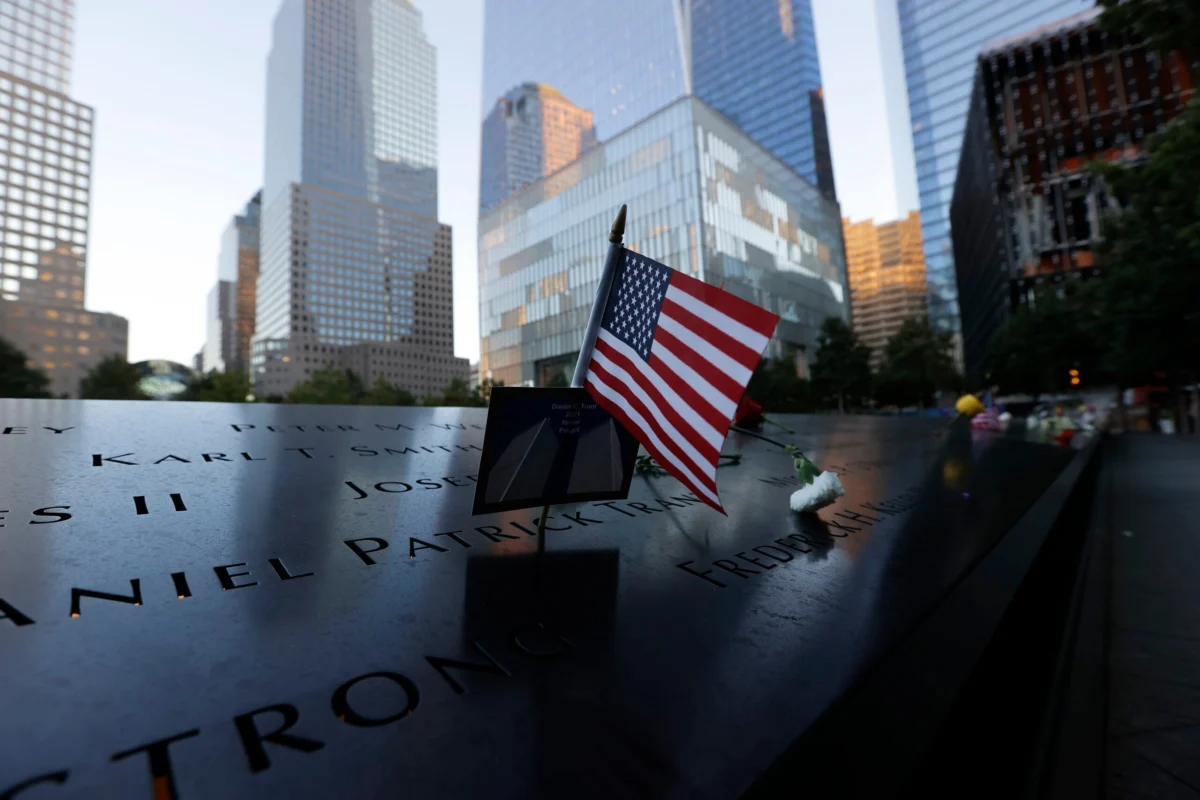
For many, the memories of witnessing the attacks—whether in person at Ground Zero or through the flickering images on a television screen—remain as vivid today as they were in 2001. Yet, a significant demographic shift has occurred over the last two decades. Millions of Americans now fall into a category of citizens who were either too young to remember the events or were not yet born. For this entire generation, 9/11 is not a lived experience but a chapter in a history book. This generational gap underscores the critical importance of preserving the stories, the lessons, and the names of those lost. Preservation is not merely about looking backward; it is about educating the future to ensure that "Never Forget" remains a functional promise rather than a hollow slogan.
The aviation industry, perhaps more than any other sector, remains a living museum of the post-9/11 era. Before that day, airport security was often a cursory affair, with many airports allowing non-ticketed guests to walk all the way to the boarding gates. The hijackings necessitated a total overhaul of global travel, leading to the creation of the Transportation Security Administration (TSA) in November 2001 and the implementation of reinforced cockpit doors, air marshals, and rigorous screening processes. While these changes have become a routine part of modern life, they serve as a constant reminder of the day the world changed.
To honor this 25th anniversary, various organizations are working to maintain the infrastructure of memory and provide ongoing support to those still living with the consequences of the attacks. Here are the primary ways you can contribute today to ensure the legacy of 9/11 remains intact for the next 25 years and beyond.
The Never Forget Fund: Sustaining the Epicenter of Memory
The Never Forget Fund is the primary philanthropic arm of the 9/11 Memorial & Museum. Located at the site of the former World Trade Center in Lower Manhattan, the institution stands as the country’s foremost authority on documenting the attacks, exploring their impact, and examining their continuing significance in a global context. The memorial’s twin reflecting pools, set within the footprints of the original Twin Towers, feature the names of every person killed in the 2001 attacks and the 1993 World Trade Center bombing, inscribed in bronze.
Donations to the Never Forget Fund are vital because the 9/11 Memorial & Museum, unlike many national landmarks, does not receive federal funding for its daily operations. It relies heavily on private donations and ticket sales to maintain the eight-acre site and its underground museum, which houses over 14,000 artifacts, 40,000 images, and 3,500 oral histories. These funds also support expansive educational programming designed to teach students about the historical context of the attacks and the importance of civic engagement.
In a powerful gesture for the 25th anniversary, Michael Bloomberg—former Mayor of New York City and current Chairman of the 9/11 Memorial & Museum—has announced a matching gift initiative. Bloomberg will match up to $25 million in donations, doubling the impact of every dollar contributed by the public. This initiative aims to shore up the institution’s endowment to ensure it remains a world-class facility for future generations who seek to understand how the events of 2001 shaped the 21st century.
Voices Center for Resilience: Healing the Long-Term Trauma
Originally founded as "Voices of September 11th," the Voices Center for Resilience was born out of a desperate need for advocacy and information in the chaotic aftermath of the attacks. Founded by Mary Fetchet, who lost her son Brad in the World Trade Center, the organization initially focused on helping families navigate the daunting task of identifying remains and accessing victim compensation funds.
However, as the years turned into decades, the organization’s mission evolved. They recognized that the trauma of 9/11 did not end when the fires were extinguished. Survivors, first responders, and families of victims faced long-term psychological challenges, including Post-Traumatic Stress Disorder (PTSD) and complicated grief. Furthermore, a secondary crisis emerged as thousands of individuals began to suffer from post-9/11 illnesses caused by exposure to toxic dust at Ground Zero.
Today, the Voices Center for Resilience has expanded its scope to become a global leader in disaster response and long-term healing. They provide support groups, educational forums, and digital resources for communities facing tragedies, ranging from mass shootings to international terrorism. By donating to their 25th-anniversary campaign, contributors help the organization continue its work in New York while also sharing the "lessons learned" from 9/11 with a world that continues to grapple with unexpected violence and loss.
Friends of Flight 93 National Memorial: Honoring the First Counter-Attack
While the attacks in New York and Arlington were acts of unimaginable destruction, the story of United Airlines Flight 93 is one of extraordinary defiance. The 33 passengers and seven crew members aboard the aircraft made the ultimate sacrifice when they realized their plane had been hijacked as part of a coordinated strike. By rushing the cockpit and forcing the plane to crash in a field in rural Somerset County, Pennsylvania, they prevented the aircraft from reaching its intended target—widely believed to be the U.S. Capitol Building.
The Flight 93 National Memorial serves as a somber tribute to these "first counter-terrorists" of the 21st century. The site features the "Tower of Voices," a 93-foot-tall structure containing 40 wind chimes that represent the voices of the 40 heroes. The Friends of Flight 93 National Memorial is the official nonprofit partner of the National Park Service at this site.
Because the Pennsylvania site is more geographically isolated than the memorials in NYC or DC, it relies heavily on a dedicated network of volunteers and donors to maintain its educational outreach. Contributions help fund the "Learning Center" and support the "Oral History Project," which captures the stories of family members, investigators, and local residents who were part of the response in Shanksville. Supporting this charity ensures that the bravery of Flight 93 is never overshadowed by the scale of the destruction elsewhere.
Tunnel to Towers Foundation: A Legacy of Service
The Tunnel to Towers Foundation is perhaps one of the most recognizable charities born from the events of 9/11. It was established to honor the memory of Stephen Siller, a New York City firefighter who had just finished his shift when the first plane hit the North Tower. Siller drove his truck to the entrance of the Brooklyn-Battery Tunnel, only to find it closed for security. Undeterred, he strapped 60 pounds of gear to his back and ran through the two-mile tunnel to the World Trade Center, where he eventually gave his life while saving others.
Under the leadership of Siller’s brother, Frank Siller, the foundation has grown into a massive support system for America’s heroes. For the 25th anniversary, the foundation has set an ambitious goal of delivering 343 mortgage-free homes to the families of fallen first responders and catastrophically injured veterans. The number 343 is deeply symbolic, representing the number of FDNY firefighters killed on Sept. 11.
The foundation’s work bridges the gap between the tragedy of 2001 and the ongoing sacrifices of the military and emergency services today. By providing "Smart Homes" for veterans with multiple amputations and paying off mortgages for Gold Star families, Tunnel to Towers ensures that the spirit of self-sacrifice demonstrated by Stephen Siller continues to change lives.
FealGood Foundation: Advocating for the Living Victims
The health crisis following 9/11 is a tragedy that continues to claim lives every year. In fact, the number of people who have died from 9/11-related cancers and respiratory illnesses in the years since the attacks has now surpassed the number of people killed on the day itself. The FealGood Foundation, founded by construction demolition expert and first responder John Feal, was created to address this ongoing emergency.
Feal, who lost part of his foot while working at Ground Zero, became a tireless advocate for his fellow workers. The foundation is best known for its high-profile lobbying efforts in Washington, D.C., where Feal partnered with comedian Jon Stewart to pressure Congress into permanently funding the September 11th Victim Compensation Fund (VCF). Their success in 2019 ensured that those suffering from "Ground Zero flu" and other related ailments would have financial support for the rest of their lives.
Beyond lobbying, the FealGood Foundation provides direct financial assistance to first responders—including police, firefighters, nurses, and sanitation workers—who are struggling with medical bills or the cost of assistive devices. Their mission is to ensure that no one who ran toward the danger on 9/11 is left to suffer in silence or poverty today.
The Bottom Line: A Quarter Century of Resilience
Twenty-five years ago, the terrorist attacks of Sept. 11, 2001, shattered the lives of many Americans and altered the trajectory of global history. The impacts of that fateful morning carry through to this day, seen in the empty chairs at family dinner tables, the security lines at our airports, and the ongoing health battles of our first responders.
As we approach this milestone anniversary, the act of donating is more than a financial transaction; it is an act of remembrance. Whether it is supporting the architectural preservation of the 9/11 Memorial, providing a home for a veteran through Tunnel to Towers, or ensuring a first responder receives medical care through the FealGood Foundation, these contributions keep the story alive. The resilience of the American spirit is not a static quality—it is something that must be nurtured and reaffirmed by each succeeding generation. By supporting these organizations, we honor those who were lost and ensure that their memory remains a guiding light for generations to come.
