
 By admin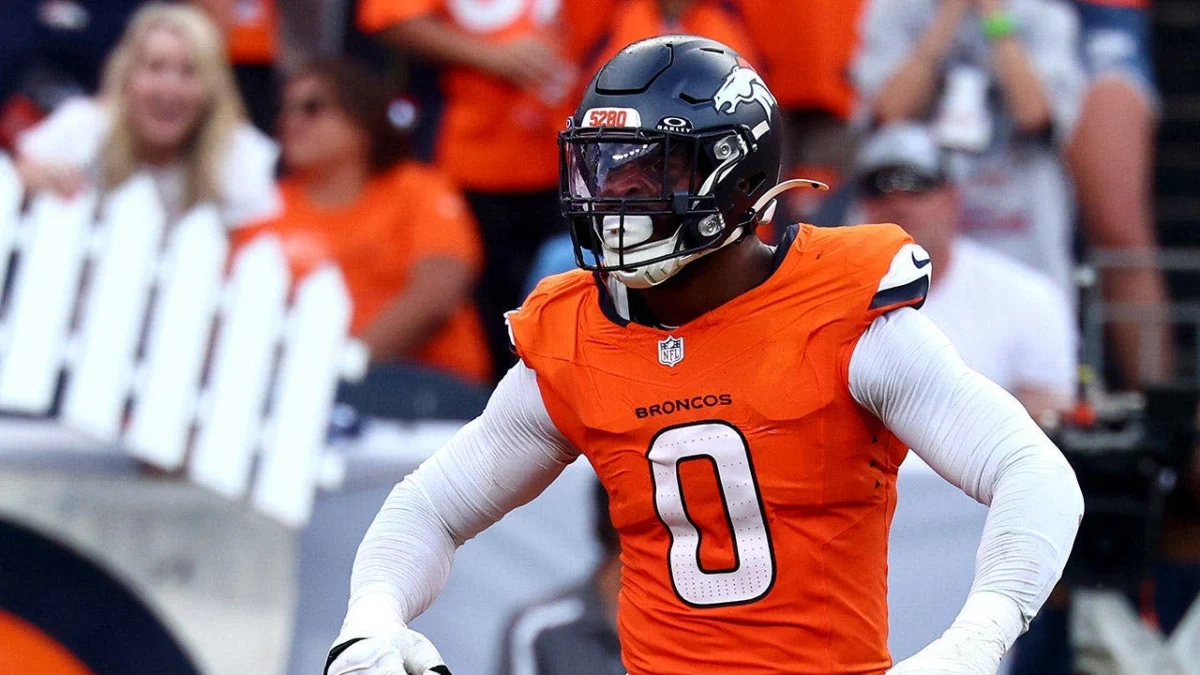
Justin Simmons, a highly respected former NFL safety renowned for his consistent performance and four second-team All-Pro selections over a distinguished nine-year career, has found himself embroiled in an online controversy following his recent social media commentary. While enjoying retirement, Simmons apparently stepped on a digital landmine Monday night as he tuned in to watch his former team, the Denver Broncos, face off against the Kansas City Chiefs. The incident highlights the delicate balance between public commentary and the potential for missteps when navigating the ever-watchful world of social media, especially for figures with a public profile.
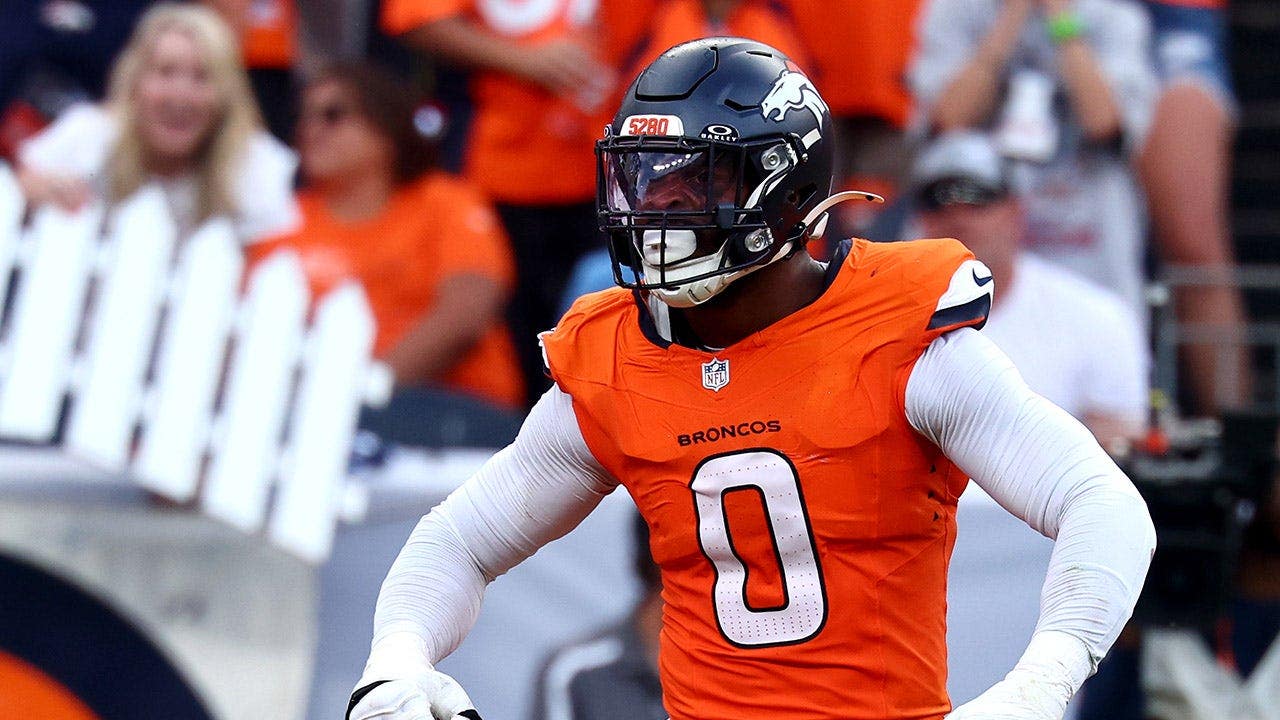
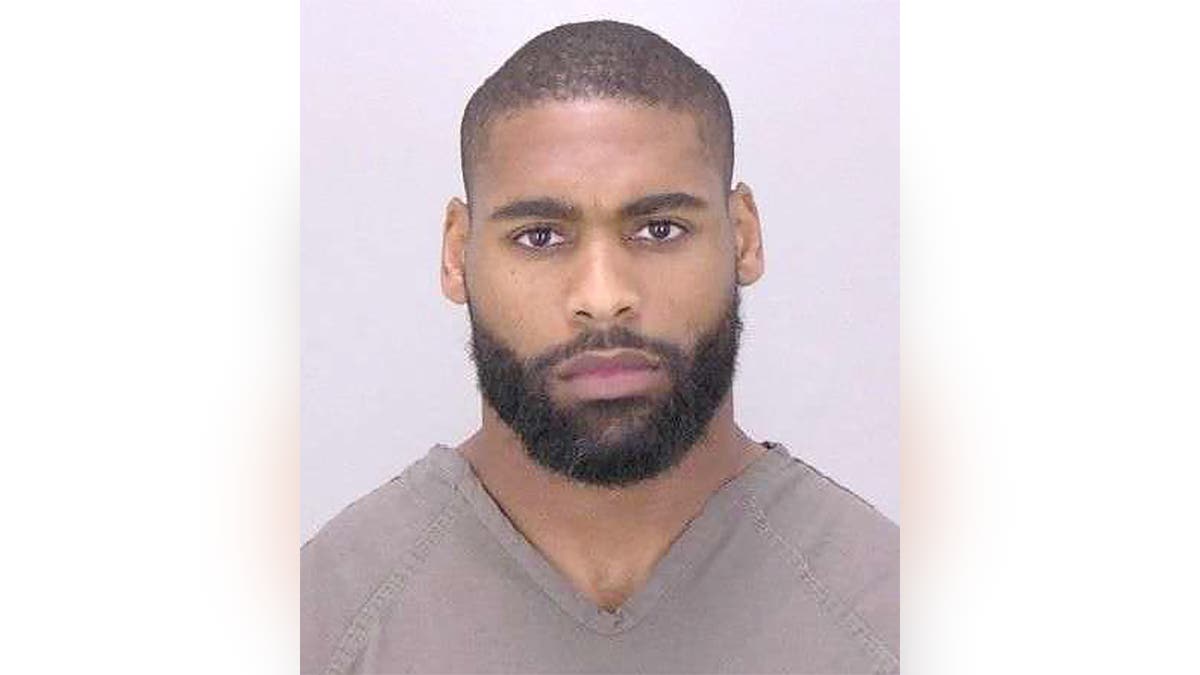
During the broadcast, ESPN announcer Joe Buck brought attention to the absence of Broncos linebacker Jonathon Cooper from the lineup. Buck explained that Cooper was currently suspended and placed on the NFL’s exempt list, awaiting a November 10th trial. The charges against Cooper are serious, including felony second-degree assault by strangulation of his former girlfriend. This information, delivered matter-of-factly during the game’s coverage, evidently triggered a strong reaction from Simmons.
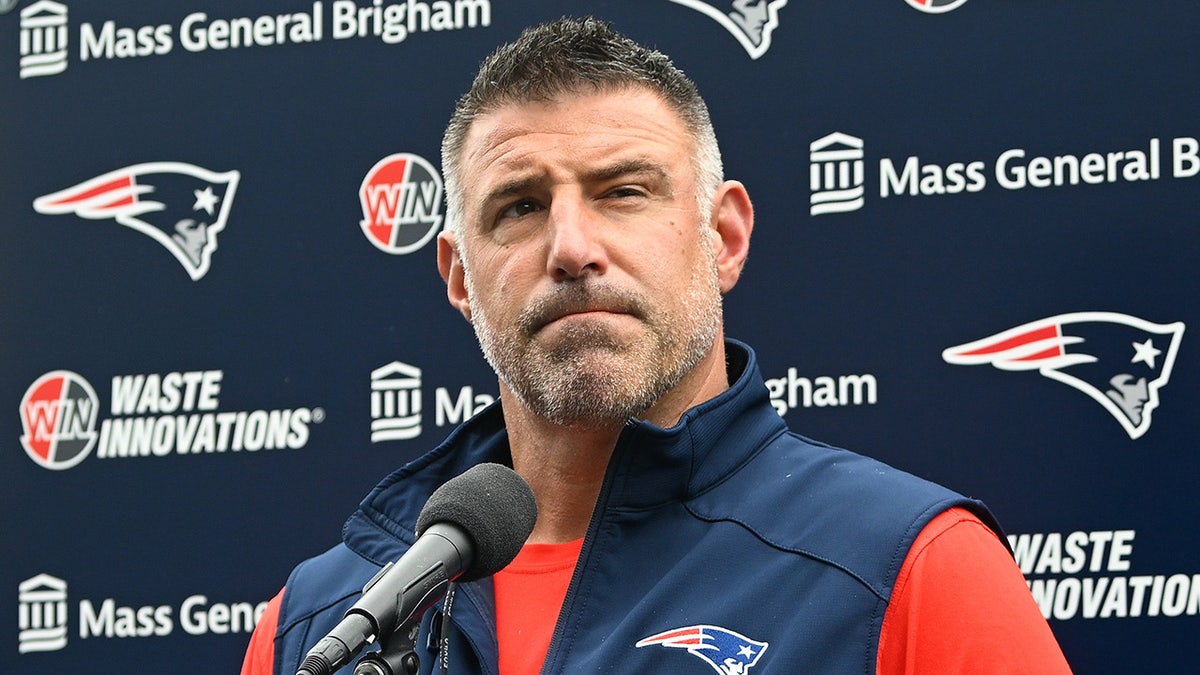
In response, Simmons took to his X (formerly Twitter) account to voice his discontent, drawing a comparative point that would soon ignite a significant backlash. He expressed frustration that ESPN was discussing Cooper’s situation on air but argued that a separate, seemingly unrelated, matter involving New England Patriots coach Mike Vrabel and former reporter Dianna Russini was not receiving similar broadcast attention. This comparison, intended to critique media coverage, inadvertently placed Simmons in a contentious debate about the nature of public discourse and the distinctions between alleged criminal actions and personal relationships.
The implication of Simmons’s initial post was that the media was selectively reporting on sensitive issues, overlooking a scandal involving Vrabel and Russini while highlighting Cooper’s legal troubles. However, the online community quickly pushed back, dissecting Simmons’s argument and pointing out a fundamental flaw in his analogy. The prevailing sentiment from multiple commentators was that while the relationship between Vrabel and Russini might have been subject to ethical scrutiny or public disapproval, it did not involve allegations of illegal violence. In stark contrast, Jonathon Cooper faced serious criminal charges, including assault by strangulation, which are matters of legal consequence and public safety concern.
The Vrabel-Russini situation, while generating significant discussion and placing Vrabel under public scrutiny for what was described as a "relationship," lacked any allegations of criminal abuse that would be adjudicated in a court of law. Therefore, the comparison drawn by Simmons between Cooper’s legal predicament and Vrabel’s personal entanglements was widely perceived as misguided and, for many, deeply insensitive given the severity of the charges against Cooper. The legal distinction between alleged criminal activity and a consensual, albeit potentially ethically questionable, personal relationship became the central point of contention.

Simmons’s initial online outburst, seemingly born from a perceived imbalance in media attention, quickly escalated. He continued to defend his position, stating in a subsequent post, "That’s absolute bs btw. Shame on all of the production on Monday night football and the crew. You’re supposed to call the game. Coop isn’t playing the game and isn’t on the sidelines. The MNF crew is paid to cover THE GAME not the players who are not playing or even at the game." This argument, emphasizing a strict focus on the game itself, was met with further criticism for its apparent attempt to downplay or ignore the gravity of Cooper’s legal situation.
The critics pointed out the selective application of Simmons’s logic. His assertion that the broadcast should only cover players "who are not playing or even at the game" seemed to conveniently overlook the very reason Cooper was not playing and not at the game: his arrest and subsequent suspension due to serious felony charges. The implication was that Simmons, in his desire to critique media practices, was advocating for the suppression of relevant information concerning a player facing severe legal accusations, simply because he wasn’t actively participating in that particular contest. This perspective was viewed by many as a troubling stance, particularly coming from a former player who, by virtue of his experience, should understand the broader implications of player conduct.
The situation was further complicated by Simmons’s assertion that the Vrabel-Russini situation had not been discussed on TV. This claim was factually incorrect. Reports indicated that NBC, in its pregame coverage of the New England Patriots, had indeed addressed the Vrabel-Russini scandal, even including it in an illustrated timeline of the Patriots’ offseason. This factual inaccuracy undermined Simmons’s argument and fueled further criticism, suggesting a lack of thoroughness in his commentary or a willingness to overlook information that didn’t fit his narrative. The fact that NBC had chosen to cover the Vrabel situation, alongside the expectation that broadcasters would cover significant player issues like Cooper’s legal troubles, underscored the perceived disparity in how Simmons was framing the media’s responsibilities.
Simmons’s continued defense of his position, even in the face of factual corrections and widespread criticism, demonstrated a clear frustration with what he perceived as biased or overzealous reporting. He reiterated his point, stating, "I have hella people in my comments (mainly Pats fans) saying an affair is not the same as an ALLEGED conviction. Which is true. However, last time I checked MNF or any network hosting a game is supposed to talk about just that THE GAME not players who aren’t there or even playing." This statement, while acknowledging the legal distinction, still clung to the notion that player conduct unrelated to immediate game action should be off-limits for broadcast discussion.
The core of the public’s disagreement with Simmons revolved around the fundamental difference between the two situations. Jonathon Cooper’s legal troubles involved allegations of serious violence against a former partner, leading to his suspension by the NFL and a pending criminal trial. This is a matter of significant public interest, touching upon issues of domestic violence, player accountability, and the NFL’s handling of such cases. The NFL, in response to a rising number of off-season arrests involving domestic violence, has been under intense scrutiny to demonstrate a commitment to player conduct and the safety of individuals affected by such incidents. The inclusion of players on the commissioner’s exempt list, as with Cooper, is a direct consequence of these serious allegations and a standard protocol for handling such sensitive legal situations within the league.
In contrast, the situation involving Mike Vrabel and Dianna Russini, while a subject of media attention and internal review within the NFL and related sports media organizations, did not involve criminal charges. The discussion around this matter pertained more to professional conduct, potential conflicts of interest, and workplace ethics within the sports media and coaching spheres. While certainly a topic of interest for fans and observers of the sports world, it did not carry the same legal weight or societal implications as allegations of felony assault.
The public’s reaction to Simmons’s stance was largely one of bewilderment and disappointment. Many viewed Simmons as a player of high character, a leader on and off the field, and someone who had generally maintained a positive public image. This made his apparent misjudgment in drawing such a comparison all the more surprising. The backlash suggests that while Simmons may have been attempting to make a point about media coverage, he failed to adequately appreciate the gravity of the legal charges against Jonathon Cooper and the clear distinction between those charges and the personal issues surrounding Mike Vrabel.
The incident serves as a stark reminder for public figures, particularly athletes, of the pervasive nature of social media and the potential consequences of their online pronouncements. What might be intended as a casual observation or a critique can quickly spiral into a significant controversy, especially when it touches upon sensitive issues like criminal allegations and domestic violence. The rapid dissemination of information and opinion on platforms like X means that any ill-considered post can reach a vast audience, leading to immediate and often intense scrutiny.
In conclusion, Justin Simmons, a former standout NFL safety, found himself in an unwelcome spotlight due to his social media commentary comparing the broadcast coverage of Broncos linebacker Jonathon Cooper’s legal troubles with the situation involving Patriots coach Mike Vrabel. While Simmons argued for a singular focus on game coverage, critics and fans pointed out the critical distinction between criminal charges and personal relationships, the factual inaccuracy of his claims regarding media coverage of the Vrabel-Russini affair, and the insensitivity of downplaying serious allegations. The incident underscores the importance of careful consideration and nuanced understanding when engaging in public discourse on social media, especially for individuals whose words carry significant weight due to their past achievements and public profile. The broadcast networks, in reporting on Jonathon Cooper’s legal situation, were fulfilling their journalistic duty to inform the public about significant events impacting the league and its players, a responsibility that Simmons’s commentary seemed to question without sufficient justification.
