
 By admin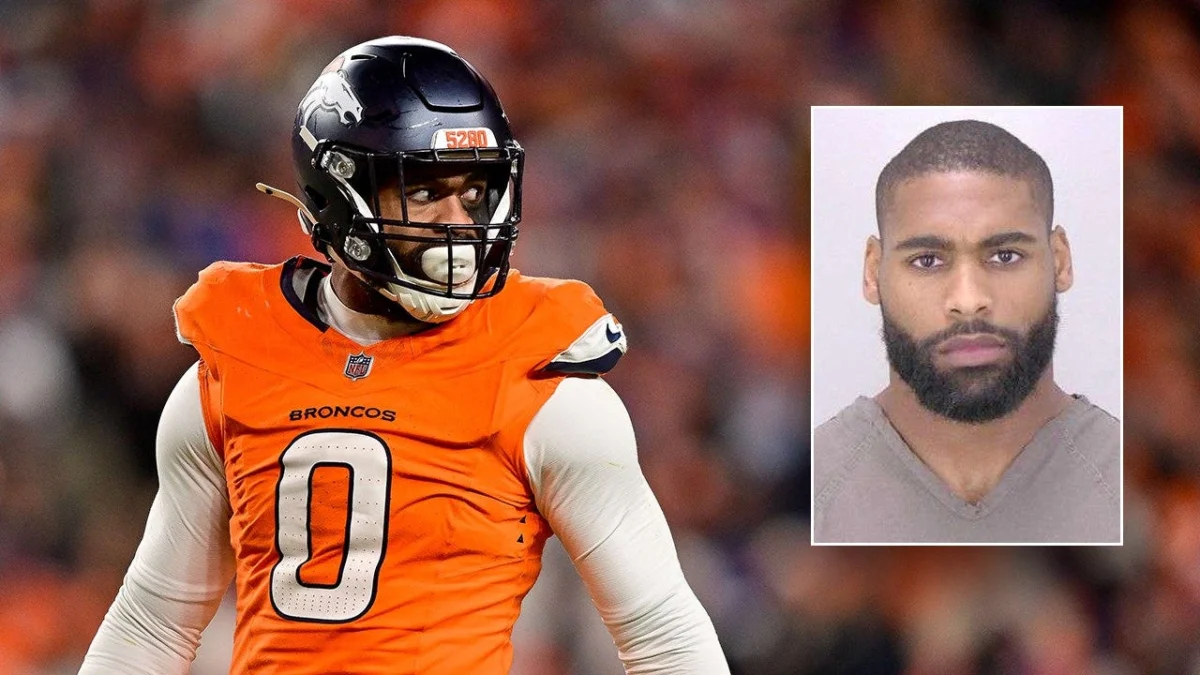
Justin Simmons, a name synonymous with defensive excellence during his nine-year NFL career, earning second-team All-Pro honors an impressive four times, has recently found himself in the crosshairs of public opinion, not for his on-field prowess, but for his off-field commentary on social media. The retired safety stepped directly into an online controversy Monday night while observing his former team, the Denver Broncos, in action against the Kansas City Chiefs. The catalyst for Simmons’ digital foray was a remark made by ESPN announcer Joe Buck during the broadcast, highlighting the absence of Broncos linebacker Jonathon Cooper from the lineup. Buck explained that Cooper is currently suspended and on the NFL’s Commissioner’s Exempt list, awaiting a November 10th trial for serious charges, including felony second-degree assault by strangulation of his former girlfriend.
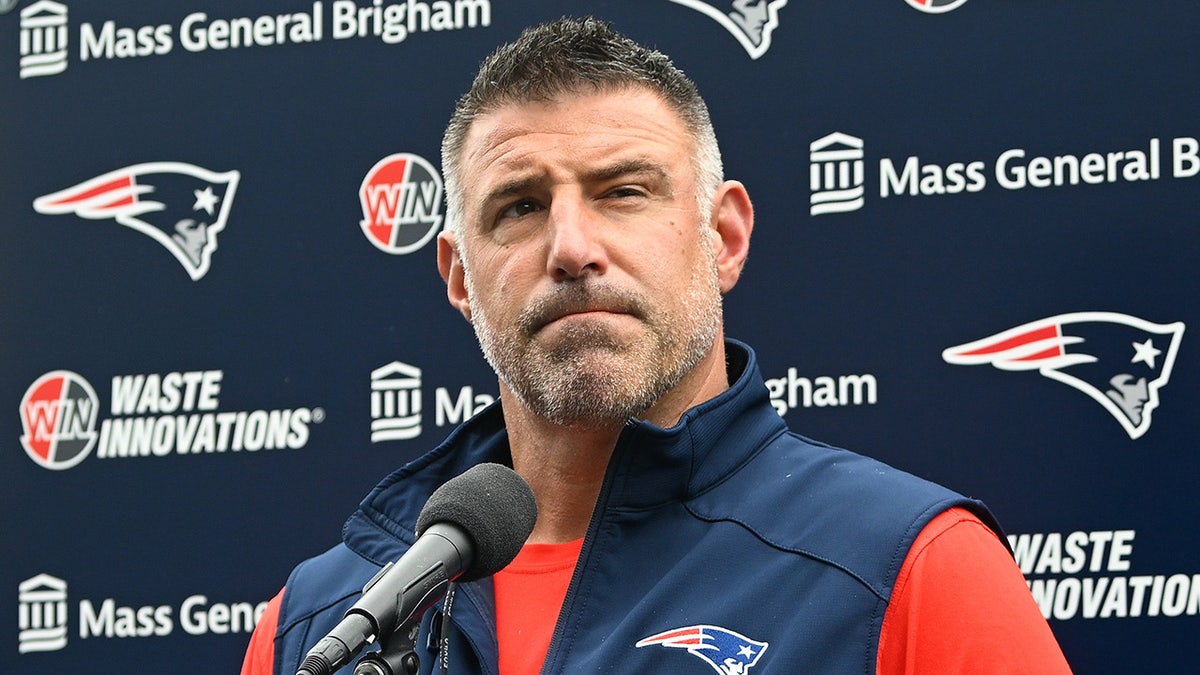
This broadcast segment apparently struck a nerve with Simmons, prompting him to take to his X account (formerly Twitter) to voice his displeasure. His central argument was that ESPN was discussing Cooper’s situation, a player not actively participating in the game, while seemingly neglecting a different controversy involving New England Patriots coach Mike Vrabel and former reporter Dianna Russini. Simmons’s initial post suggested a perceived imbalance in media coverage, implying that one situation was being amplified while the other was being ignored. This assertion, however, quickly ignited a fierce debate, with numerous users pushing back against Simmons’s comparison and his interpretation of journalistic responsibility.
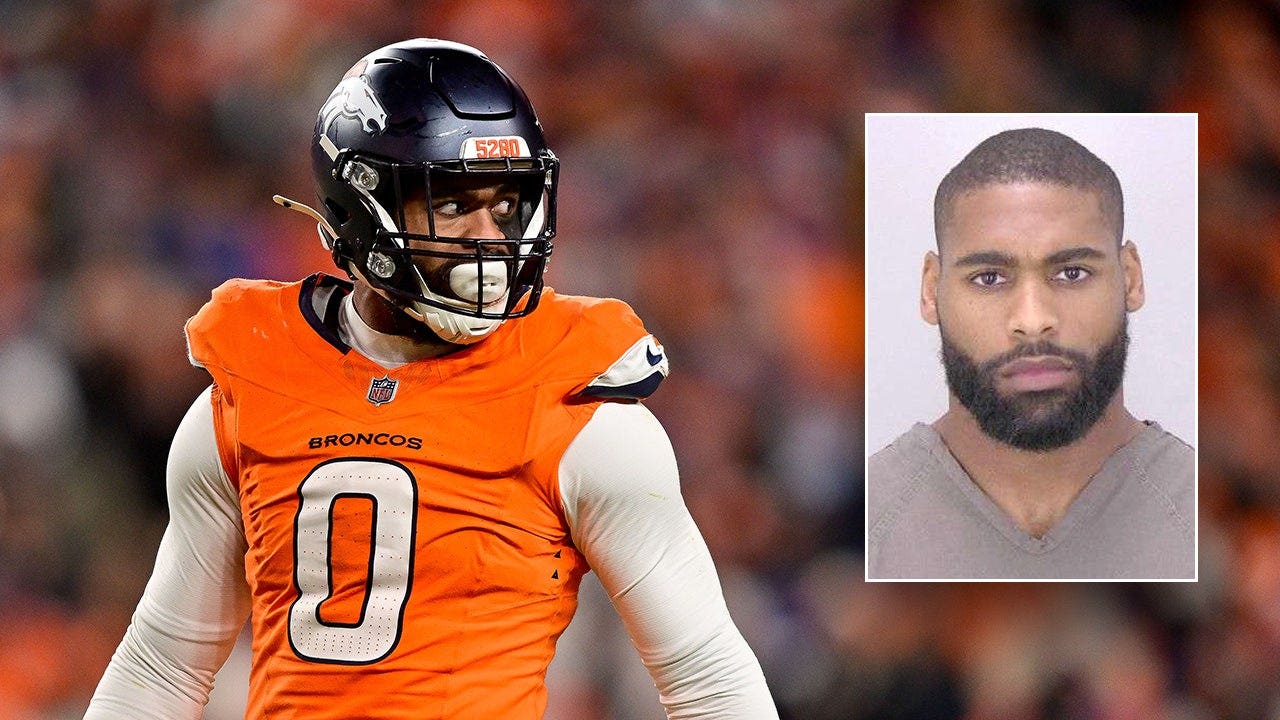
The crux of the ensuing online discourse revolved around the fundamental differences between the two situations Simmons attempted to equate. Critics pointed out, with considerable force, that while the relationship between Mike Vrabel and Dianna Russini may have raised ethical questions and invited public scrutiny, it did not involve allegations of criminal violence. The alleged actions of Jonathon Cooper, on the other hand, are of a far graver nature, leading to felony charges and his placement on the Commissioner’s Exempt list. This distinction, many argued, justified the broadcast’s decision to report on Cooper’s legal troubles as a relevant factor in his absence from the game, a factor that directly impacts the team’s roster and the integrity of the league.
Simmons’s initial complaint seemed to stem from a belief that media outlets covering a football game should strictly adhere to discussing only the on-field action and players actively participating. He articulated this viewpoint forcefully, stating, "That’s absolute bs btw. Shame on all of the production on Monday night football and the crew. You’re supposed to call the game. Coop isn’t playing the game and isn’t on the sidelines. The MNF crew is paid to cover THE GAME not the players who are not playing or even at the game." This sentiment, expressed with emphatic capitalization, suggested a rigid interpretation of sports broadcasting duties.
However, this perspective was widely challenged. The argument against Simmons’s stance was multi-faceted. Firstly, it was pointed out that players on the Commissioner’s Exempt list, due to serious legal allegations, are indeed a relevant topic for discussion, as their legal entanglements directly affect their availability and the team’s dynamics. Secondly, and perhaps more crucially, the comparison to the Vrabel-Russini situation was deemed flawed by many. While the latter involved a potential breach of professional conduct and a relationship that drew considerable media attention, it did not, according to available information, involve accusations of physical assault or criminal charges. The narrative presented by many online was that equating an alleged affair, however ethically questionable, with allegations of domestic violence and strangulation was a false equivalency and minimized the severity of Cooper’s situation.

Adding further complexity to the debate, it was revealed that Simmons’s premise regarding the lack of coverage for the Vrabel-Russini situation was factually incorrect. Reports indicated that NBC, for instance, had indeed addressed the Vrabel-Russini matter during its pregame coverage of the Patriots’ games, even including it in an illustrated timeline of the team’s offseason. This directly contradicted Simmons’s assertion that the situation was being ignored, undermining his argument for differential media treatment. The fact that Vrabel’s situation had been discussed on national television, albeit in a different context and with a different focus, further highlighted the selective nature of Simmons’s critique.
The public reaction to Simmons’s social media posts was swift and largely critical. Many users expressed disappointment, not necessarily with his opinion, but with the perceived lack of nuance and the seemingly dismissive attitude towards serious allegations of violence. Some pointed out that while Simmons was a respected figure on the field, his commentary revealed a potential disconnect from the realities of how serious off-field issues are handled and reported within the sports media landscape. The notion that a player’s legal troubles, especially those involving domestic violence, should be entirely omitted from broadcast discussions simply because they are not actively playing was met with strong opposition.
The incident also brought to light a broader trend within the NFL offseason, marked by an unfortunate spate of legal troubles involving prominent players. The league has faced increasing scrutiny regarding its handling of player misconduct, particularly concerning domestic violence allegations. The situation with Cooper is not an isolated incident, and many argue that reporting on such matters is not only a journalistic responsibility but also a crucial aspect of holding players accountable and informing the public about the character and conduct of individuals associated with the league.
Simmons, who was known for his leadership and integrity during his playing career, appeared somewhat taken aback by the backlash. He continued to engage in the online debate, reiterating his point that broadcasts should focus on "THE GAME." He stated, "I have hella people in my comments (mainly Pats fans) saying an affair is not the same as an ALLEGED conviction. Which is true. However, last time I checked MNF or any network hosting a game is supposed to talk about just that THE GAME not players who aren’t there or even playing." This response, while maintaining his core argument, seemed to gloss over the inherent newsworthiness and relevance of a player’s suspension due to serious criminal charges, regardless of their active participation on game day.
The core of the journalistic responsibility in such instances lies in providing accurate and relevant information to the audience. When a player is suspended due to felony charges, their absence from the game is not merely a roster change; it is a consequence of their alleged actions and a matter of public interest. Media outlets have a mandate to report on these developments, as they shed light on the character of the individuals involved, the league’s disciplinary processes, and the broader societal implications of such allegations. The argument that broadcast crews should exclusively focus on the on-field action, to the exclusion of significant off-field issues affecting the players and teams, fails to acknowledge the comprehensive role sports journalism plays in informing the public.
In conclusion, Justin Simmons’s social media commentary, intended perhaps as a critique of media priorities, inadvertently highlighted a complex interplay between sports reporting, player conduct, and public perception. While Simmons’s advocacy for focusing on the game itself is understandable from a purist’s perspective, the stark contrast between the alleged actions of Jonathon Cooper and the situation involving Mike Vrabel and Dianna Russini made his comparison untenable for many. The ensuing online debate underscored the importance of distinguishing between ethical lapses and criminal allegations, and reinforced the role of sports media in reporting on all facets of the game, including the off-field issues that impact players, teams, and the league as a whole. Simmons, a respected figure in the NFL community, found himself in an unenviable position, having to defend his viewpoint against a wave of public opinion that prioritized accountability and factual accuracy in reporting serious allegations. The incident serves as a potent reminder for all public figures, especially those with a significant social media presence, to exercise caution and diligence when engaging in public discourse on sensitive matters.
