
 By admin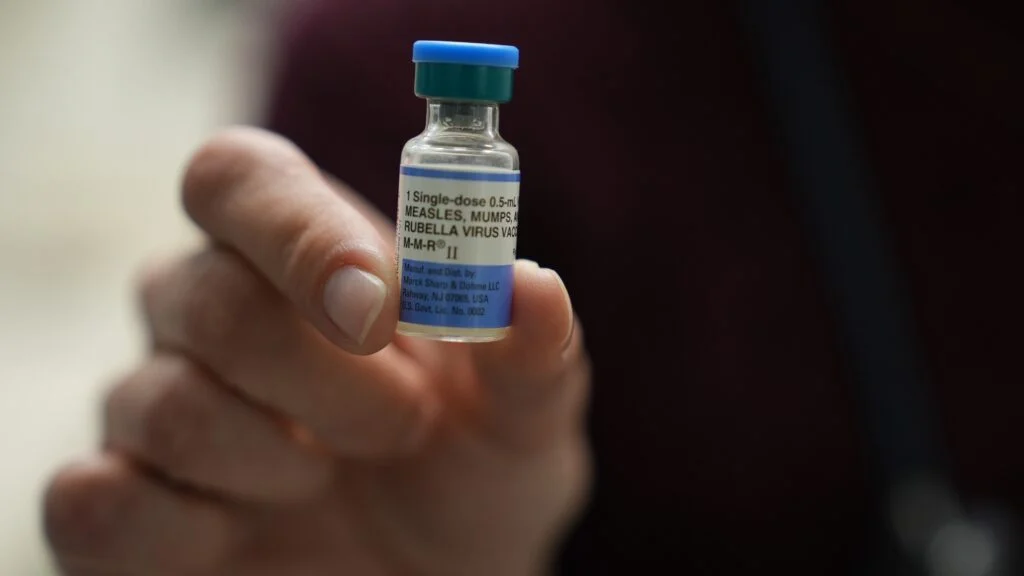
This fourth fatality underscores the severe risks associated with a virus often erroneously dismissed by some as a routine childhood illness. The Mifflin County death follows a string of recent tragedies linked to the current outbreak. Only days ago, a 40-year-old woman from Jefferson County, a rural area in western Pennsylvania, succumbed to complications from the virus. Last month, the state mourned the loss of two infants in Lancaster County. Those infants, both under the age of 12 months, were too young to have received the first dose of the measles, mumps, and rubella (MMR) vaccine, which is typically administered between 12 and 15 months of age.
The Pennsylvania Department of Health confirmed that none of the four individuals who died were vaccinated. While the infants were ineligible due to age, the deaths of the two adults highlight a growing gap in immunity among older populations who may have missed vaccination or whose immunity has waned in communities where herd protection has dissolved. The current outbreak is the deadliest the state has seen in over a generation; state officials noted that these are the first measles-related deaths reported in Pennsylvania in 35 years.
Pennsylvania’s crisis is part of a broader, alarming national trend. The United States is currently grappling with its most significant measles resurgence since 1991. In the last two years alone, the country has recorded seven measles-associated deaths—a figure that exceeds the total number of reported measles deaths from the previous three decades combined. This statistical spike represents a total collapse of the safeguards that allowed the U.S. to declare measles eliminated within its borders in the year 2000.
The scale of the current outbreak in Pennsylvania is staggering. So far this year, nearly 700 illnesses have been reported across 38 of the state’s 67 counties. The velocity of the spread shows no signs of slowing, with approximately 100 new cases identified in just the last seven days. Dr. Debra Bogen, the Pennsylvania Secretary of Health, expressed the gravity of the situation in a recent statement. “My thoughts are with the families who lost loved ones to this highly contagious virus, as Pennsylvania faces the worst measles outbreak in more than three decades,” Bogen said. She emphasized that the Department of Health is working tirelessly with local partners to provide the public with accurate information and to increase access to the MMR vaccine, which she described as the primary tool that kept such outbreaks at bay for forty years.
To understand the severity of the current situation, one must look at the biological nature of the measles virus. Measles is one of the most infectious diseases known to medical science. It is an airborne pathogen that can linger in the air of a room for up to two hours after an infected person has left. The basic reproduction number (R0) for measles is estimated to be between 12 and 18, meaning a single infected person in a susceptible population will, on average, infect 12 to 18 others. For comparison, this is significantly higher than the R0 for the original strain of SARS-CoV-2 or the seasonal flu.
The complications from measles extend far beyond the characteristic red rash and high fever. While many recover, the virus can cause severe pneumonia, permanent hearing loss, and encephalitis (swelling of the brain). A particularly insidious effect of measles is "immune amnesia." Research has shown that the measles virus can eliminate the body’s "memory cells" that protect against other diseases, effectively resetting the immune system and leaving survivors vulnerable to other bacterial and viral infections for years after they have recovered from the measles itself. ADEM, the condition that claimed the life of the Mifflin County teenager, represents one of the most acute neurological manifestations of this systemic assault.
The resurgence of measles is inextricably linked to the decline in national vaccination rates. For a community to maintain "herd immunity" against measles—the level of protection required to prevent the virus from spreading and to protect those who cannot be vaccinated, such as infants or the immunocompromised—a vaccination coverage rate of at least 95% is required. In recent years, U.S. coverage for the MMR vaccine among kindergarteners has slipped below this critical threshold.
Public health experts point to a "perfect storm" of factors contributing to this decline. For over a decade, there has been a steady rise in parental requests for non-medical exemptions, often based on philosophical or religious objections. These exemptions have created "pockets" of low vaccination, particularly in tight-knit communities or specific geographic regions, which act as kindling for the virus. Furthermore, issues regarding healthcare access in rural and underserved urban areas have made it difficult for some families to adhere to the recommended immunization schedule.
However, the most significant driver in recent years has been the unprecedented rise of disinformation. The digital age has allowed for the rapid spread of debunked theories, such as the long-disproved link between vaccines and autism. This environment of skepticism has been further exacerbated by a shifting political landscape. Recent federal health policies and rhetoric have increasingly questioned the established safety and efficacy of routine childhood immunizations.
The influence of high-ranking officials has come under intense scrutiny. Robert F. Kennedy Jr., a prominent figure in the modern vaccine-skeptic movement and a key health advisor within the Trump administration, has frequently used his platform to sow doubt about vaccine safety. Critics argue that such messaging from the highest levels of government provides a veneer of legitimacy to "junk science" and undermines decades of public health consensus. Simultaneously, the federal government has faced criticism for defunding local and state-level initiatives designed to improve vaccination outreach and education. These cuts have left local health departments in states like Pennsylvania under-resourced at the very moment they are needed most to combat a surging epidemic.
The international community is watching the U.S. situation with growing concern. In November, international health authorities, including representatives from the World Health Organization (WHO) and the Pan American Health Organization (PAHO), are scheduled to meet to review the status of measles elimination in North America. There is a very real possibility that both the United States and Mexico will officially lose their "measles-free" status. Losing this designation would be a catastrophic blow to the American public health legacy, signaling a regression into an era of preventable infectious disease mortality that many believed was a thing of the past.
The economic burden of the outbreak is also mounting. Each confirmed case of measles requires an intensive public health response, including contact tracing for hundreds of potentially exposed individuals, the administration of post-exposure prophylaxis, and the implementation of quarantine measures. For a state like Pennsylvania, managing 700 cases involves thousands of man-hours and millions of dollars in diverted resources—funds that could otherwise be used for preventative care, maternal health, or chronic disease management.
As the outbreak continues to expand into more counties, Pennsylvania health officials are urging residents to check their vaccination records. For those who are unsure of their status, a simple blood test can determine immunity, and a "catch-up" dose of the MMR vaccine is safe and effective for adults. The state is also working to set up mobile vaccination clinics in the 38 affected counties to lower the barriers to access.
The death of the 18-year-old in Mifflin County serves as a heartbreaking reminder of the stakes involved in the debate over public health policy. It is a reminder that behind every statistic is a family dealing with an unimaginable loss—a loss that, in the era of modern medicine, was entirely preventable. As the November meeting regarding the nation’s measles-free status approaches, the eyes of the medical world remain fixed on Pennsylvania, waiting to see if the tide of the outbreak can be turned before more lives are lost to a virus that science conquered decades ago, but that society is now allowing to return.
