
 By admin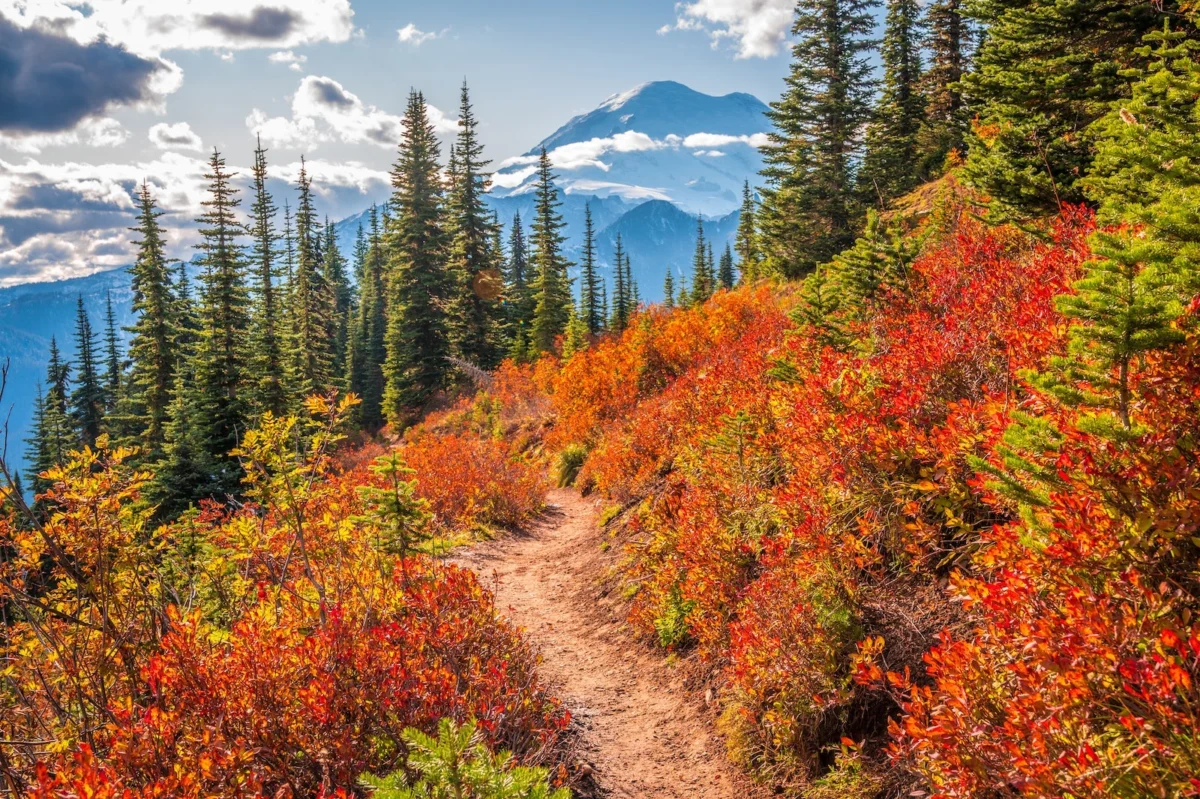
As the autumnal equinox approaches on September 22, the natural world prepares for one of its most breathtaking transformations. For travelers and nature enthusiasts, this date marks the official beginning of "leaf-peeping" season, a period when deciduous forests across North America shed their summer greens in favor of a brilliant palette of crimson, gold, and burnt orange. However, the timing and intensity of this annual spectacle are far from uniform. The progression of fall colors is a complex biological response dictated by a delicate trifecta of geography, altitude, and fluctuating weather patterns. Generally, trees at higher elevations and in northern latitudes respond first to the dwindling daylight and dropping temperatures, meaning that while some rugged corners of the northern and western United States are already showing their first hints of color, other more temperate regions may not reach their aesthetic zenith until well into October or November.
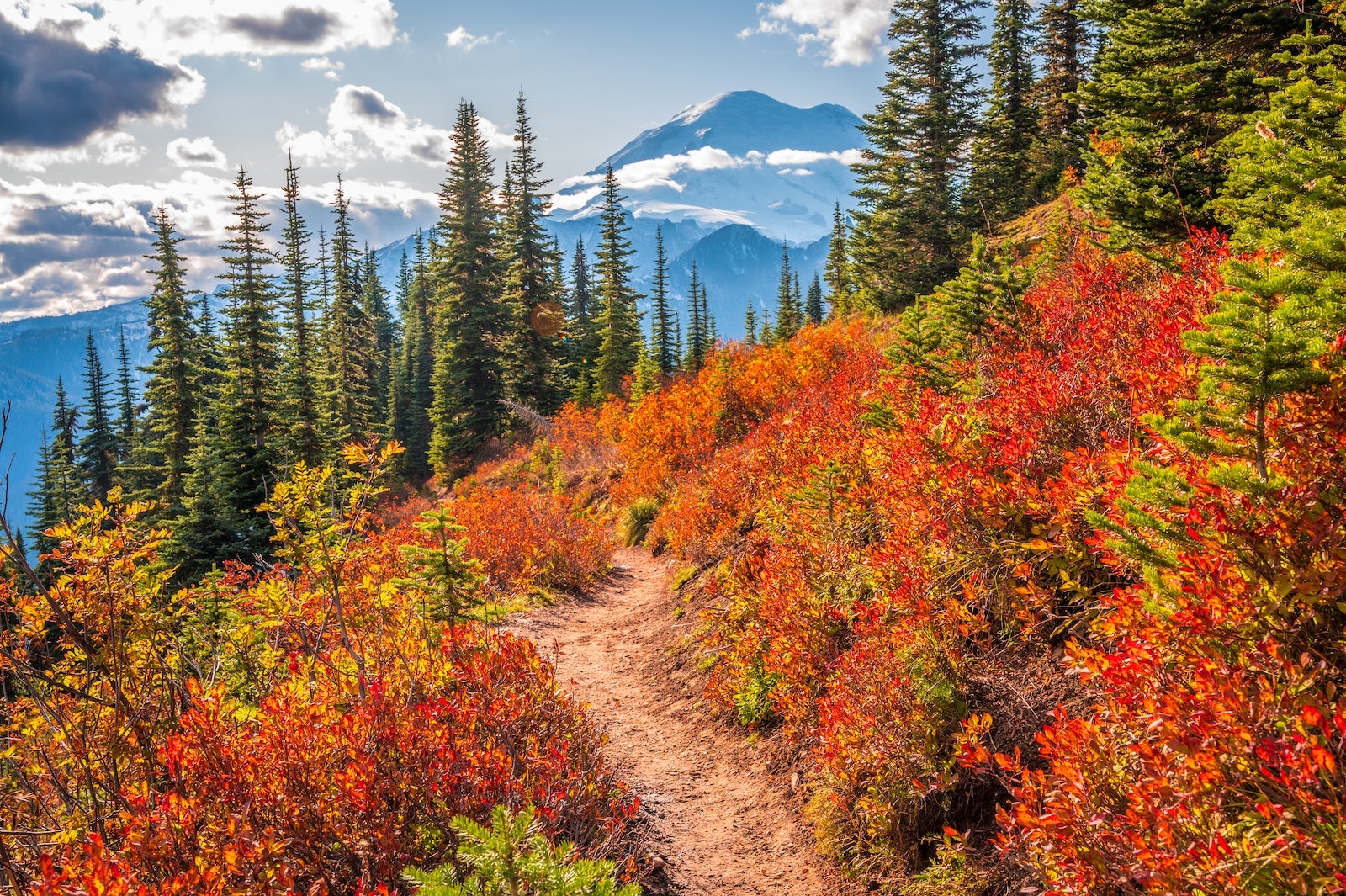
To understand why leaves change, one must look at the chemistry of the forest. As days shorten and temperatures cool, trees begin to shut down their chlorophyll production—the green pigment responsible for photosynthesis. As the green fades, other pigments that were present all along, such as yellow carotenoids and orange xanthophylls, finally become visible. Meanwhile, certain species, like the sugar maple, produce anthocyanins in response to bright autumn sunlight and chilly nights, resulting in the vivid reds and purples that are the hallmark of a "good" foliage year. For those looking to witness this ephemeral beauty, planning is essential, as the window for "peak" color—the moment when the majority of the canopy has turned but has not yet begun to fall—can be as short as a few days.
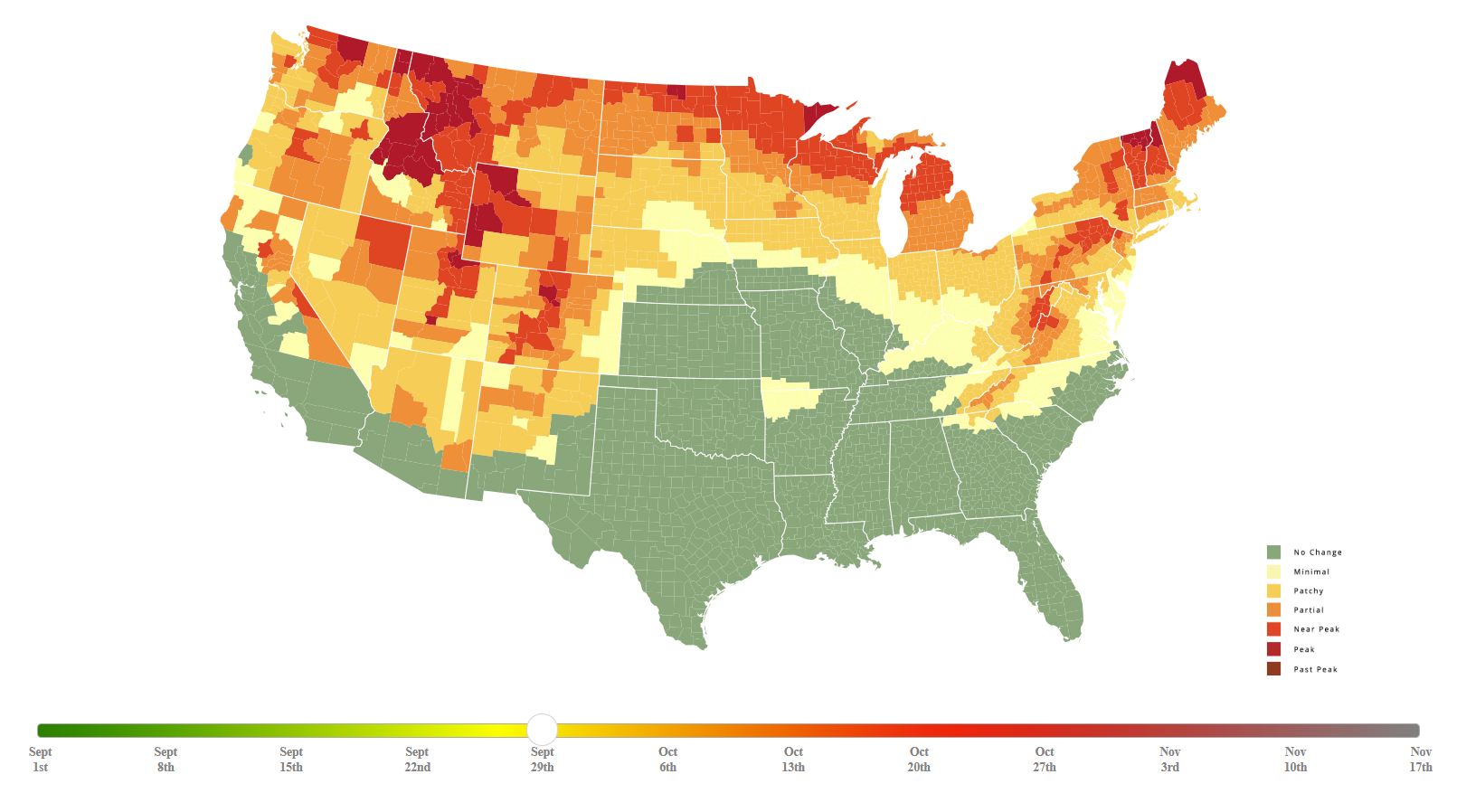
Predicting exactly when this peak will occur has become a sophisticated science. Meteorologists and arborists now utilize a variety of forecast tools that synthesize data from precipitation levels, temperature statistics, and historical trends. Resources such as The Old Farmer’s Almanac and the Smoky Mountains Fall Foliage Prediction Map remain the gold standard for travelers, offering interactive, week-by-week visualizations of the color’s southern migration. Newer digital tools have also entered the fray; for instance, the camping platform Hipcamp has introduced an interactive map specifically designed to help outdoor enthusiasts synchronize their campground bookings with the peak color forecast. Despite the precision of these models, experts warn that they are educated guesses at best. Unusual weather patterns, such as the "heat domes" or "flash droughts" seen in recent years, can cause leaves to turn brown and drop prematurely, or delay the onset of color by several weeks.
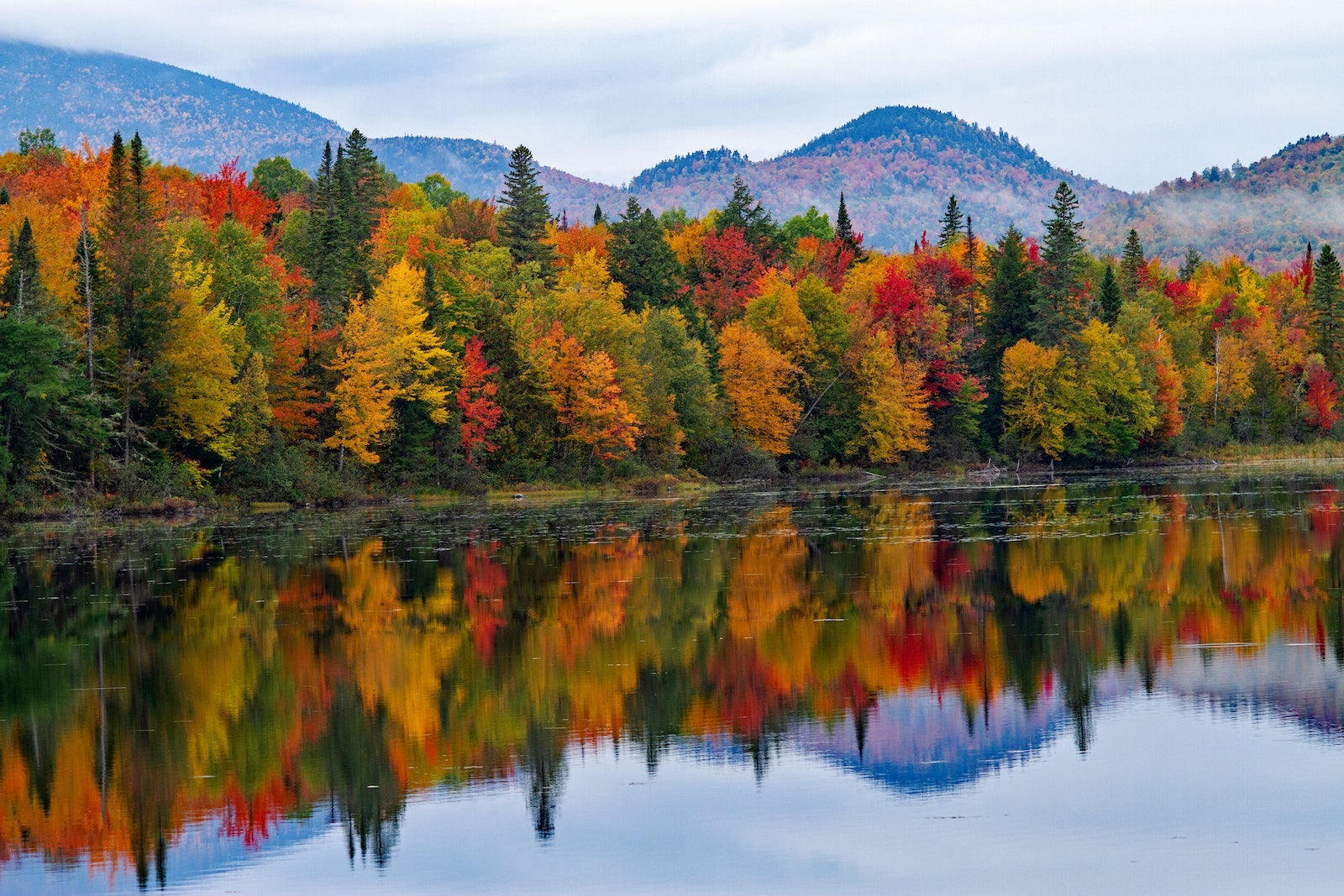
For those prioritizing the traditional leaf-peeping experience, the Northeast remains the undisputed champion. In New England, the season typically begins in the northern reaches of Maine, Vermont, and New Hampshire. Stowe, Vermont, often cited as one of the most picturesque autumn towns in America, offers a classic backdrop of white steeples and rolling hills covered in sugar maples. Further east, Acadia National Park in Maine provides a unique coastal perspective, where the deep blue of the Atlantic Ocean contrasts sharply with the fiery red of the scrub oaks and birches. In Massachusetts, the Berkshires offer a more rolling, pastoral landscape, perfect for slow drives along winding backroads. Travelers should expect mountainous regions in these states to reach maximum saturation between late September and the first week of October. Conversely, lower-elevation areas like New York’s Hudson Valley or the coastal town of Bar Harbor, Maine, tend to peak later in October, benefiting from the moderating influence of the water.
However, the Northeast is not without its challenges. In 2023, a flash drought in Vermont led to a "muted" season where leaves dropped early, while unseasonably warm temperatures in Pennsylvania pushed the peak back significantly. To navigate these uncertainties, travelers are encouraged to follow localized reports. States like Maine and regions such as the Poconos in Pennsylvania have already activated their 2024 foliage trackers, providing real-time updates from forest rangers and local observers.
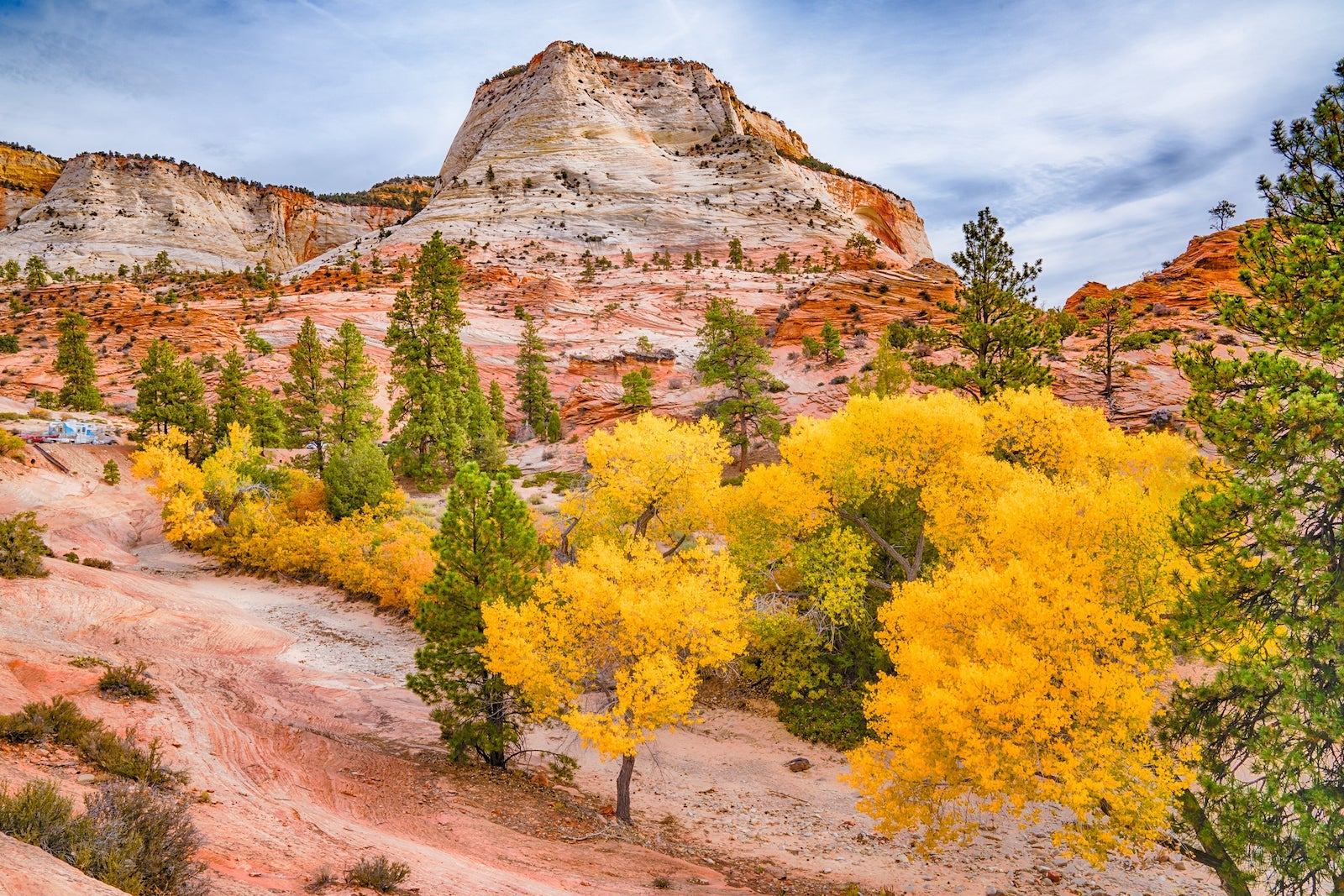
In the American West, the foliage experience is defined not by maples, but by the trembling aspen. In Colorado, the mountainsides transform into sheets of shimmering gold, a sight that is expected to arrive earlier than usual this year due to prolonged drought conditions across the state. The high-altitude town of Aspen is a perennial favorite, but for those looking to avoid the crowds, Guanella Pass near Georgetown or Golden Gate Canyon State Park offer equally stunning vistas of golden groves set against jagged, snow-dusted peaks. In Utah, the autumn transition offers a different kind of drama. Between early and mid-October, the state’s famous red-rock canyons in parks like Zion or Bryce Canyon are complemented by the turning leaves of canyon maples and scrub oaks. The low-angled autumnal sun illuminates the sandstone cliffs, creating a glow that many photographers consider the best light of the year.
The Pacific Northwest offers its own brand of autumn magic. Oregon’s diverse topography means the season can last for over a month. In Portland, the peak is typically expected in late October, where the city’s many Japanese gardens and urban forests turn brilliant shades of orange. For a more expansive view, the Columbia River Gorge offers a dramatic corridor of color that can be viewed from the historic Columbia River Highway or from the deck of a river steamboat, providing a perspective that highlights the scale of the region’s Douglas firs and bigleaf maples.
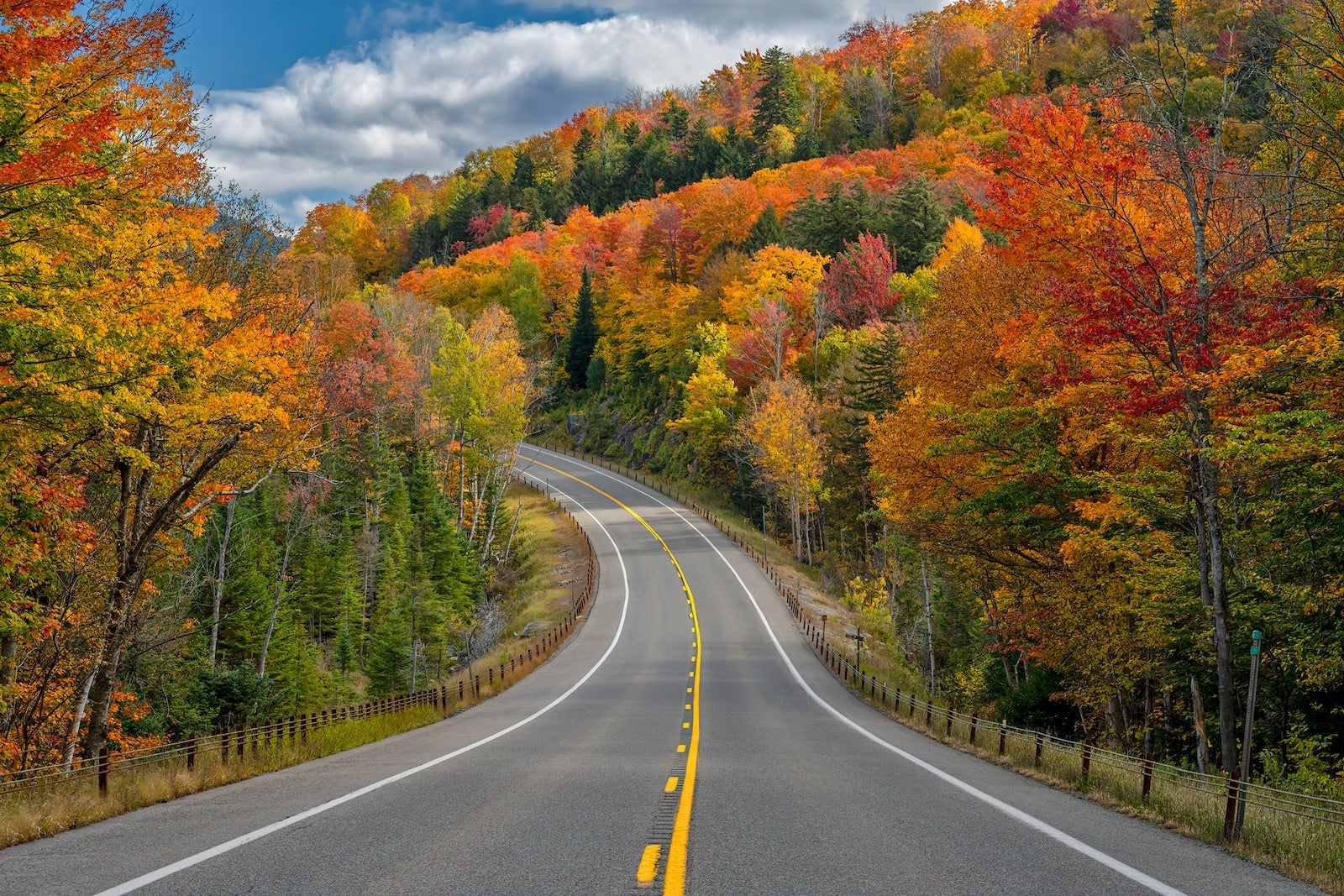
The Midwest, often overlooked in the foliage conversation, offers some of the most consistent color in the country thanks to the "lake effect." Michigan, in particular, enjoys an extended season as the Great Lakes act as a thermal buffer, keeping temperatures mild. The northern parts of the state, including the Upper Peninsula, begin their transition in late September, with color moving south through October. The famous M-119 "Tunnel of Trees," which winds along Lake Michigan, has recently reopened sections that were damaged by floods, making it a prime target for road trippers this year. Further south, Missouri’s Lake of the Ozarks provides a stunning 1,150-mile shoreline that becomes a riot of color by early November. Here, the American smoke tree provides a rare highlight, turning an electric shade of pink that stands out against the more traditional ochres of the oak and hickory forests.
In the Mid-Atlantic and Southeast, the season is defined by its longevity. Because of the extreme elevation changes along the Blue Ridge Mountains, one can drive from a valley in full summer green to a peak in full autumn glory in less than an hour. The Blue Ridge Parkway, stretching through Virginia and North Carolina, is arguably the most famous foliage drive in the world. In the Great Smoky Mountains, the color begins at the highest ridges in early October and slowly descends into the valleys by early November. For a "hidden gem" experience, Columbia, South Carolina, offers a late-season peak. Nearby Congaree National Park, home to some of the tallest deciduous trees in the Eastern U.S., provides a cathedral-like atmosphere of ancient bottomland hardwoods that turn golden in the late October sun.
Finally, the Deep South offers a "last call" for leaf peepers who may have missed the northern peaks. In Louisiana, state parks like Chemin-A-Haut and Lake Claiborne show their best colors from late October through mid-November, often featuring the deep bronzes of cypress trees. In Texas, the Lost Maples State Natural Area near San Antonio is a biological anomaly, home to a secluded grove of Uvalde bigtooth maples that turn a vibrant red rarely seen elsewhere in the state. Meanwhile, the Victorian charm of Eureka Springs, Arkansas, provides a mountain-town atmosphere that rivals New England, with peak colors typically arriving between mid-October and early November.
The bottom line for 2024 is flexibility. With climate change introducing more volatility into the traditional "peak" windows, the most successful leaf-peeping trips are those that allow for last-minute adjustments. Travelers are advised to book changeable flights and hotels with generous cancellation policies. While the maps and forecasts are invaluable tools for narrowing down a window, the true magic of the season lies in its unpredictability. Whether you are hiking the rugged trails of the Adirondacks or taking a slow drive through the Texas Hill Country, the arrival of autumn remains a poignant reminder of the natural world’s cycles—a fleeting, fiery finale before the quiet of winter sets in. For those ready to witness it, the time to start planning is now, ensuring that you are in the right place when the first frost turns the canopy into gold.
