
 By admin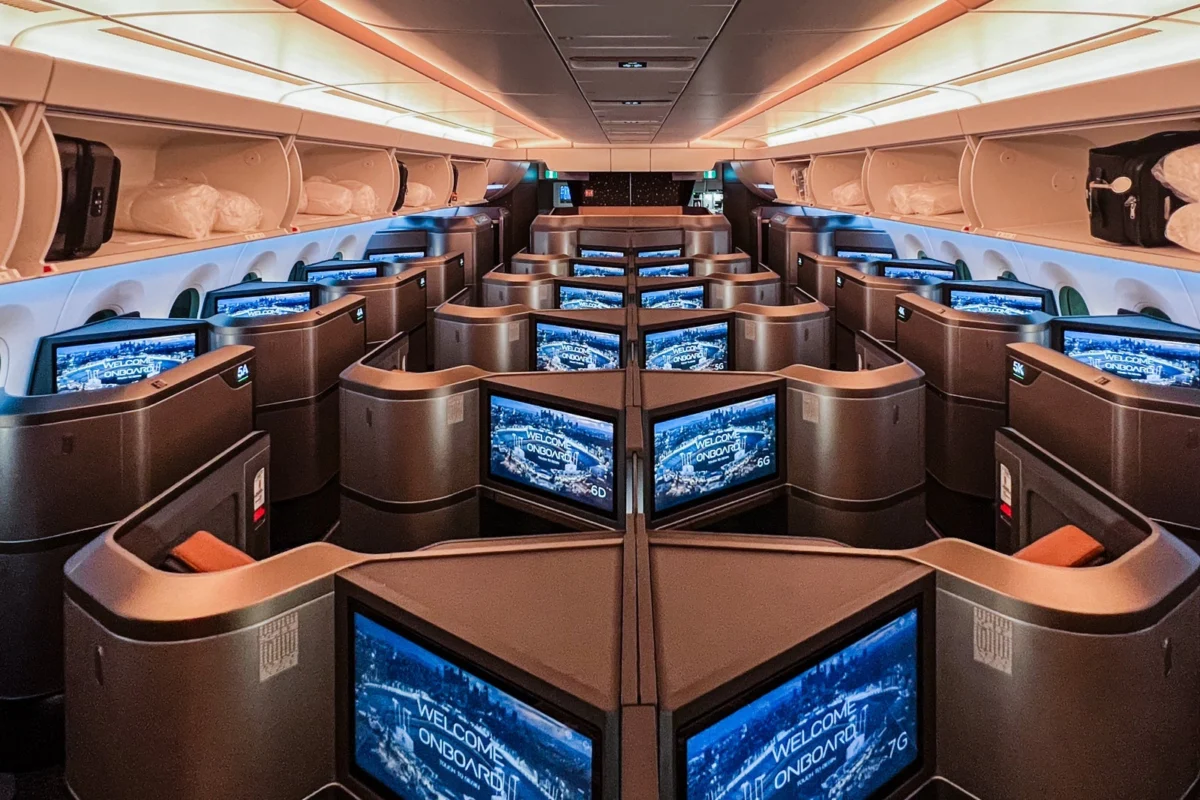
In a strategic move designed to bolster its presence in the competitive Trans-Pacific aviation market, American Airlines has announced a significant expansion of its relationship with the Taiwan-based luxury carrier Starlux Airlines. This development, centered on a comprehensive new codeshare agreement set to take effect on September 30, 2026, marks a pivotal evolution from the carriers’ previous interline arrangement. By integrating their networks more closely, both airlines aim to provide seamless connectivity for passengers traveling between the United States and Taiwan, while simultaneously signaling a potential shift in the broader Oneworld alliance landscape.
The transition from an interline agreement to a codeshare represents a deepening of corporate trust and operational integration. Under the previous interline setup, passengers could book travel involving both airlines and enjoy through-checked baggage, but the booking process and flight numbering remained distinct. The new codeshare agreement allows American Airlines to place its "AA" flight code on Starlux-operated transpacific flights, while Starlux will place its "JX" code on a variety of American’s domestic routes. This allows for a single-ticket purchase experience, streamlined check-in procedures, and a unified itinerary that provides travelers with greater protection in the event of delays or cancellations.
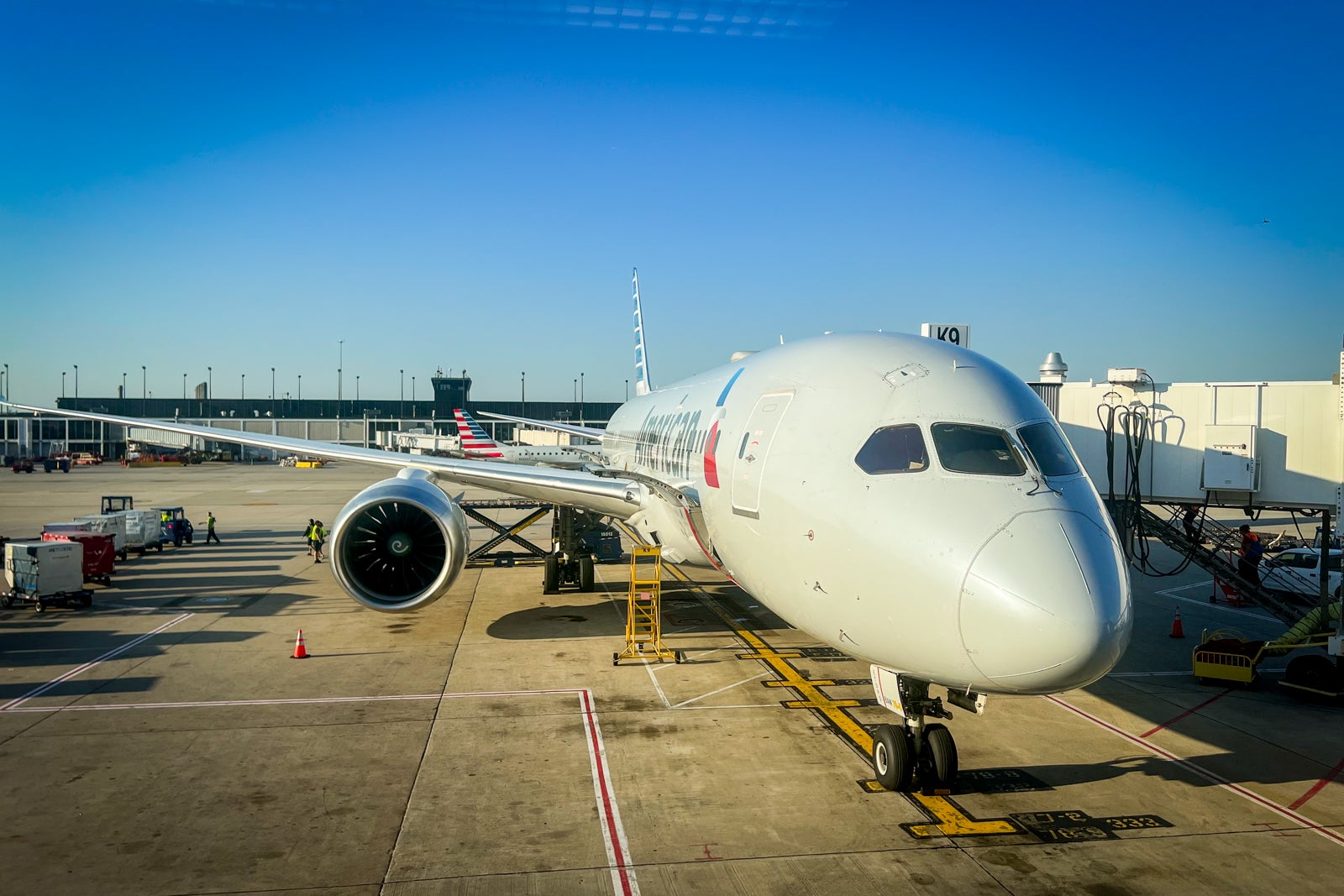
Beginning at the end of September, travelers will be able to book American Airlines-coded flights on Starlux’s primary long-haul routes connecting Taiwan Taoyuan International Airport (TPE) with four major U.S. gateways: Los Angeles International Airport (LAX), San Francisco International Airport (SFO), Seattle-Tacoma International Airport (SEA), and Ontario International Airport (ONT) in Southern California. Conversely, Starlux will add its flight numbers to 26 of American Airlines’ domestic routes radiating from Los Angeles and Phoenix Sky Harbor International Airport (PHX). This reciprocal arrangement is expected to grow, potentially encompassing more of American’s vast domestic network as the partnership matures.
The rise of Starlux Airlines is one of the more remarkable stories in modern aviation. Founded by K.W. Chang, the former chairman of EVA Air and a certified Boeing 777 pilot, Starlux launched its inaugural flights in early 2020, just as the global COVID-19 pandemic began to devastate the travel industry. Despite these catastrophic headwinds, the airline positioned itself as a "detail-oriented" luxury carrier, aiming to become the "Emirates of Asia." Its fleet strategy has centered on the brand-new Airbus A350-900 and A350-1000 aircraft, which feature a sophisticated four-class configuration including a rare-for-the-region First Class, a tech-forward Business Class, Premium Economy, and Economy.
For American Airlines, the partnership addresses a significant geographic gap in its network. While competitors United Airlines and Delta Air Lines have maintained or expanded their footprints in Taipei—with United operating a robust hub-to-hub service from San Francisco and Delta recently resuming its own direct service—American has lacked a direct presence in the Taiwanese market. By leveraging Starlux’s high-end product and operational efficiency, American can now offer its customers a premium experience into Taipei without the massive capital expenditure and risk of launching its own long-haul metal into a crowded market.
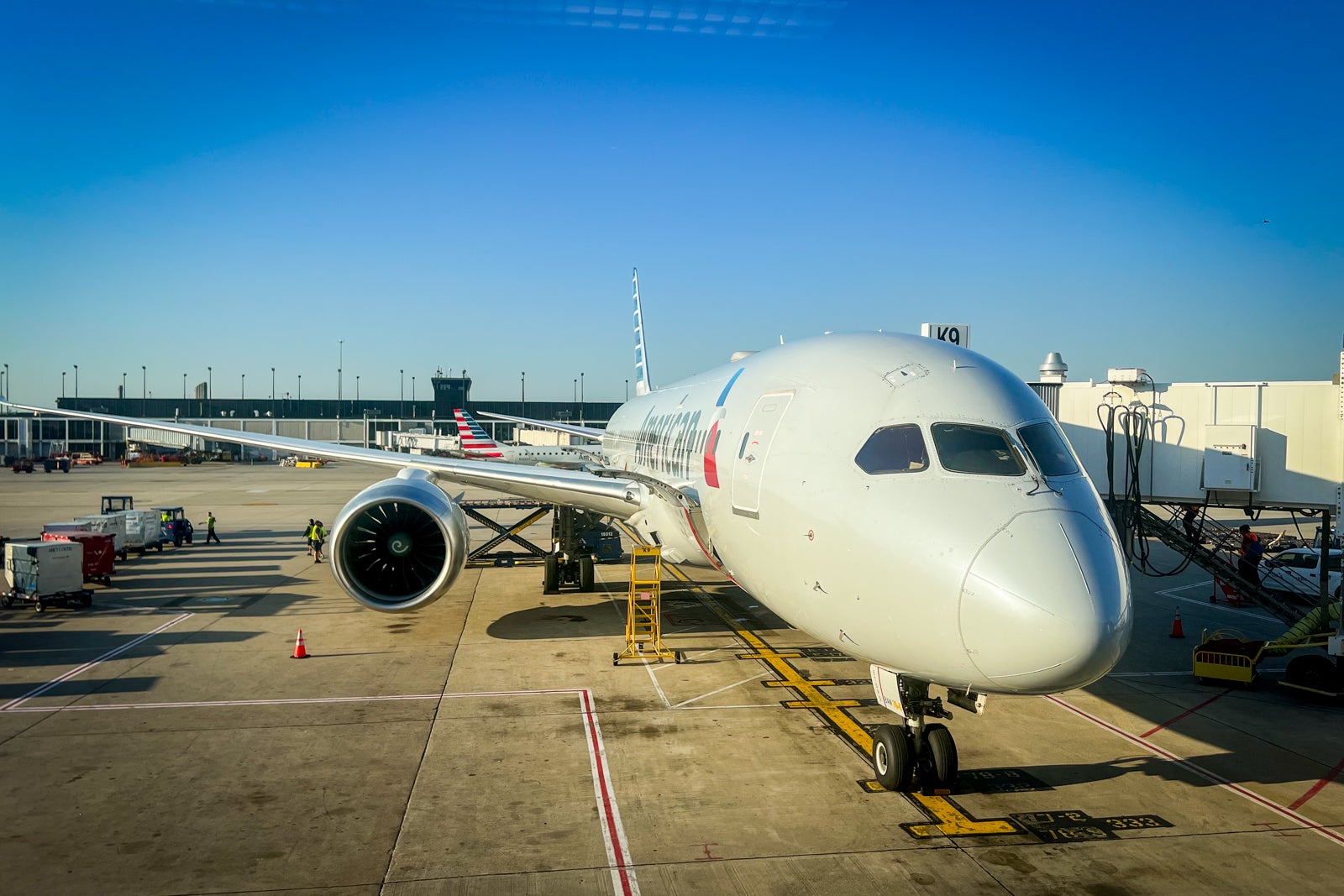
The choice of Ontario International Airport (ONT) as a codeshare point is particularly noteworthy. Starlux has found significant success at ONT, catering to the large Asian-American population in the Inland Empire and San Gabriel Valley who prefer to avoid the congestion of LAX. By including ONT in the codeshare, American Airlines is able to offer its customers a more convenient entry point into Southern California, further diversifying its West Coast strategy.
Industry analysts suggest that this codeshare is a precursor to a much larger alliance shift. Starlux has been vocal about its desire to join a global airline alliance to compete more effectively with its domestic rivals, China Airlines (a SkyTeam member) and EVA Air (a Star Alliance member). Given its existing deep ties with Alaska Airlines and this new expansion with American Airlines, Starlux is a natural candidate for the Oneworld alliance. Should Starlux join Oneworld, it would provide the alliance with a vital hub in Taipei, complementing existing hubs in Tokyo (Japan Airlines) and Hong Kong (Cathay Pacific). This would create a powerful "tri-hub" strategy for Oneworld in East Asia, offering unparalleled connectivity across the region.
However, for the time being, the partnership remains focused on commercial connectivity rather than full loyalty integration. As of the current announcement, members of the American Airlines AAdvantage program cannot yet earn or redeem miles on Starlux-operated flights, nor do they receive reciprocal elite status benefits such as lounge access or priority boarding when flying on a JX-operated leg. This stands in contrast to Starlux’s relationship with Alaska Airlines, where travelers can already "earn and burn" Alaska Mileage Plan miles on Starlux flights. The omission of AAdvantage benefits is a notable pain point for American’s most loyal flyers, who often prioritize mileage accrual and status perks when choosing a partner airline. Nevertheless, history suggests that codeshare agreements are often the "first date" in a relationship that eventually leads to full loyalty reciprocity and joint ventures.
The timing of this expansion is also influenced by the burgeoning economic ties between the United States and Taiwan, particularly in the high-tech and semiconductor sectors. With the expansion of Taiwan Semiconductor Manufacturing Company (TSMC) facilities in Arizona, the demand for premium business travel between Taipei and Phoenix has surged. By placing Starlux codes on American’s flights into PHX, the carriers are directly catering to the "silicon shield" of business travelers who require efficient transfers between the two tech hubs.
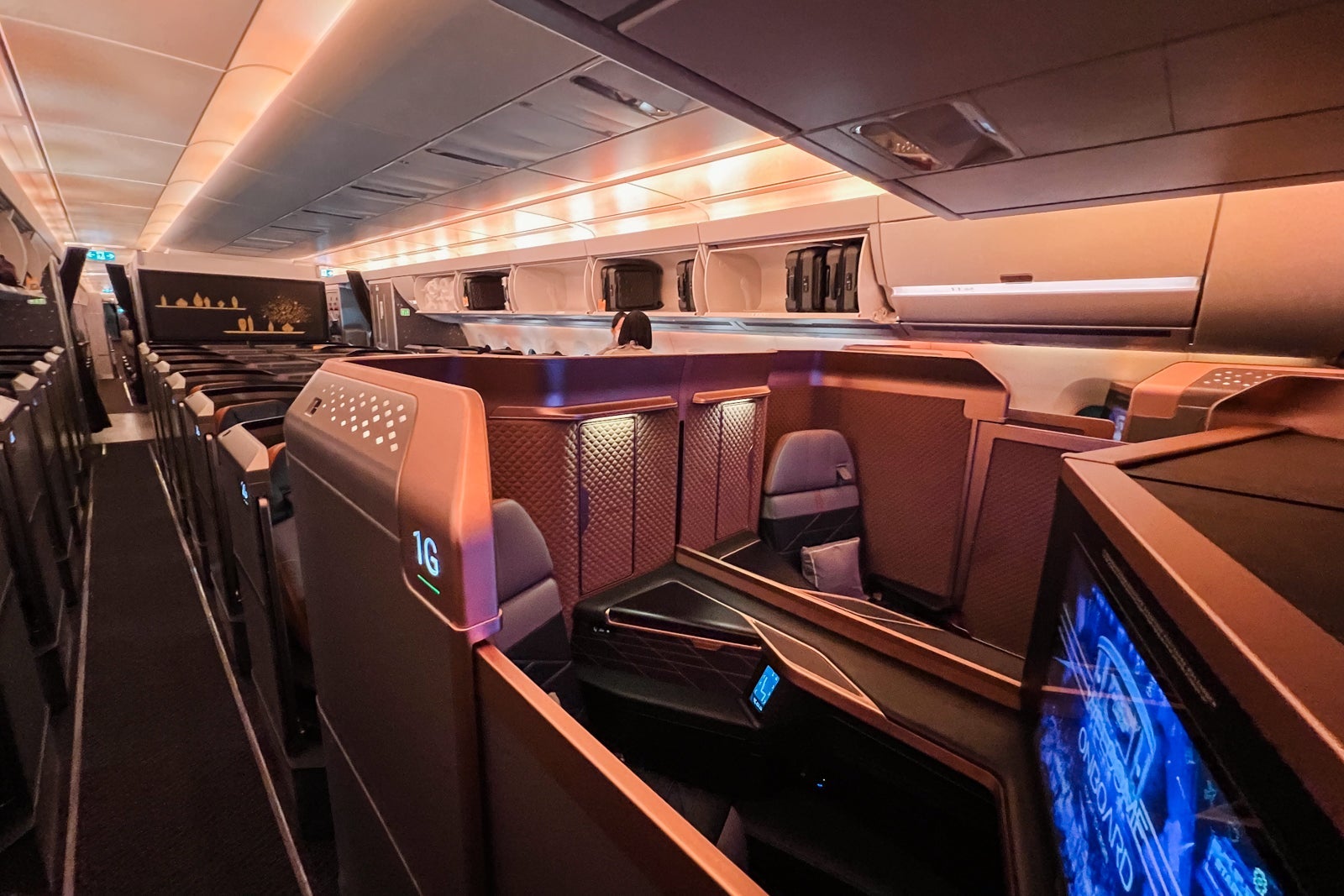
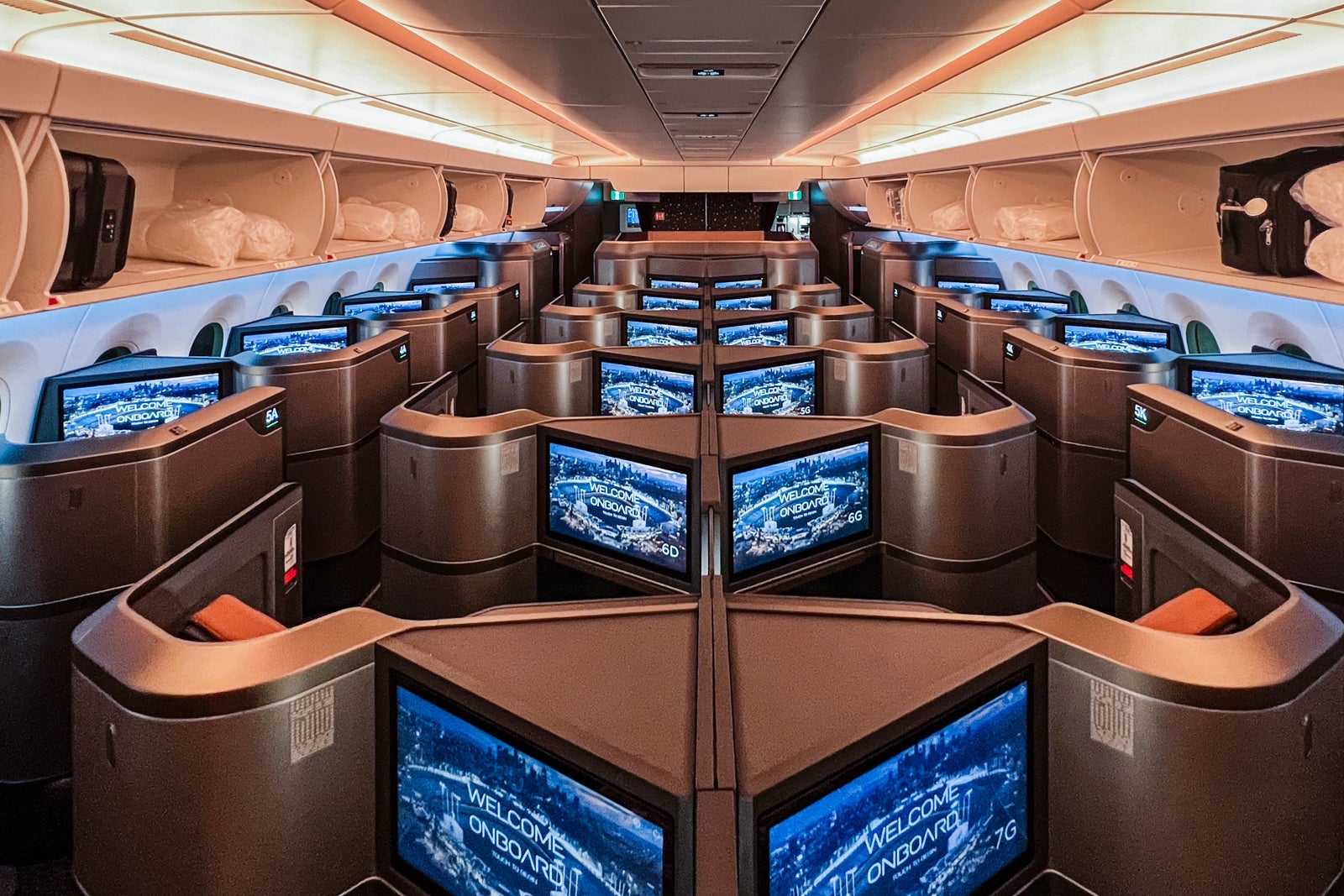
From a passenger experience perspective, the partnership allows American Airlines to market a product that is arguably superior to its own long-haul offering. Starlux’s A350s are equipped with the latest in-flight entertainment, 4K screens, and a cabin design created by BMW Designworks. The Business Class cabins feature sliding privacy doors and "Zero-G" seats based on NASA technology to reduce fatigue. For American Airlines, being able to sell seats on such a high-caliber aircraft helps maintain its brand prestige in the premium Trans-Pacific market.
As the aviation industry continues to recover and evolve in the post-pandemic era, strategic partnerships have become more critical than ever. Airlines are increasingly moving away from the "go it alone" mentality, recognizing that they cannot be everywhere at once. For American Airlines, Starlux represents a nimble, high-quality partner that can capture the premium demand of the Asian market. For Starlux, American provides the massive distribution power and domestic feed necessary to fill its long-haul cabins.
Looking ahead, the success of this codeshare will likely be measured by the volume of connecting traffic through LAX and SFO. If the numbers prove strong, the next logical steps would include the integration of AAdvantage mileage earning and redemption, followed by potential coordination on schedules and pricing through a joint business agreement (JBA). Such an agreement would require regulatory approval but would allow the two airlines to operate essentially as a single entity on Trans-Pacific routes, sharing both risks and rewards.
In response to inquiries regarding the future of the partnership, American Airlines officials have remained cautiously optimistic, noting that they are always looking for ways to enhance the travel experience for their customers. Starlux management has echoed this sentiment, emphasizing that the U.S. market is a cornerstone of their long-term growth strategy. As the September 30 start date approaches, travel agents and corporate travel departments are already beginning to see the new codeshare options appear in global distribution systems, signaling a new chapter for both carriers.
Ultimately, the American Airlines and Starlux codeshare is a win for the consumer, offering more choices and easier booking for travel to one of Asia’s most vibrant economies. While the lack of immediate mileage benefits may disappoint some, the broader implications for the Oneworld alliance and the competitive landscape of Trans-Pacific travel are profound. As Taipei continues to grow as a transit hub for Southeast Asia and beyond, the alliance between the "Texas Giant" and the "Taiwanese Rising Star" is set to become a major force in the skies for years to come.
