
 By admin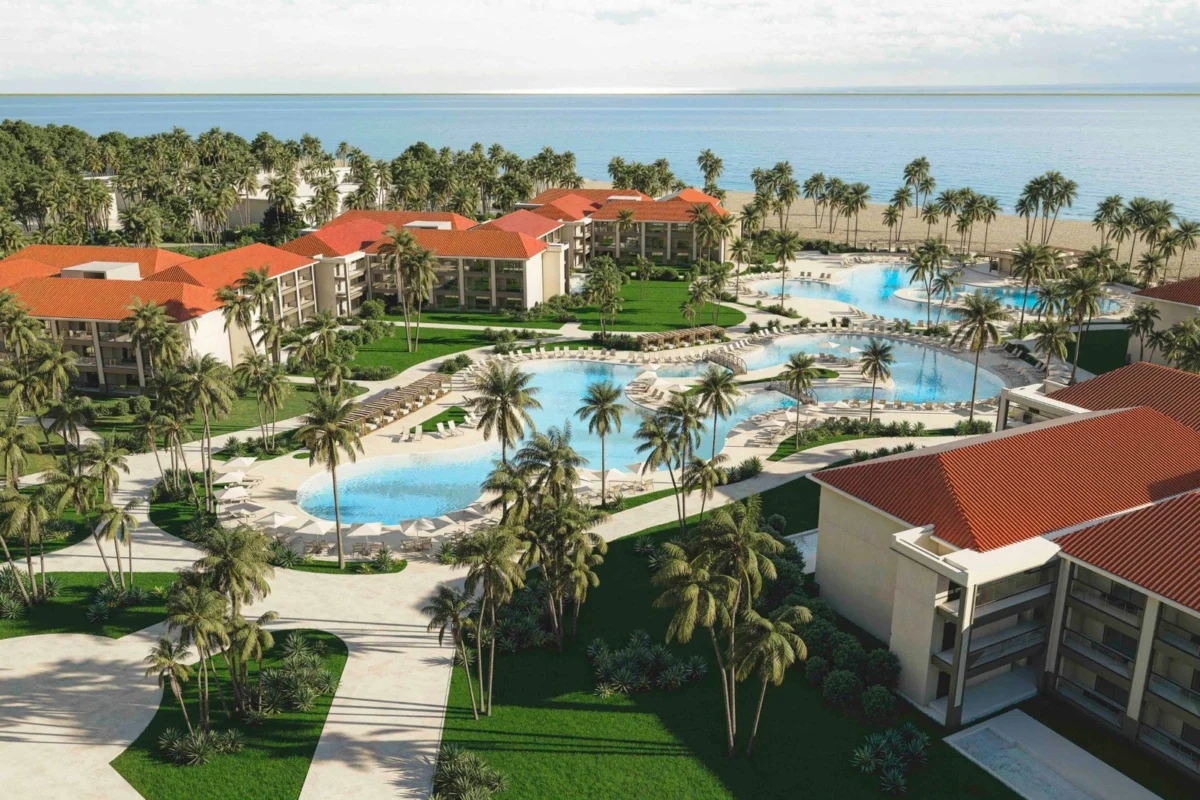
The arrival of the autumnal equinox has historically signaled a shift in the global travel industry, transitioning from the high-velocity summer "revenge travel" season into the more curated, experiential window of "shoulder season" exploration. This year, as the leaves begin their transformation across the Northern Hemisphere, the hospitality sector is witnessing a surge in landmark openings and strategic brand expansions that redefine luxury through the lenses of sustainability, social connectivity, and points-driven accessibility. From the skyline-altering debut of 1 Hotel Austin to the ultra-exclusive naming of Aman’s first Maldivian venture, the current landscape of hotel news reflects a broader industry trend: the integration of high-design aesthetics with deep-rooted environmental and local consciousness.
Austin’s New Sustainable Landmark: 1 Hotel Austin
In a city defined by its rapid evolution from a quirky college town to a global technology and culture hub, the opening of 1 Hotel Austin represents a significant milestone for the Texas hospitality market. Situated within the "Waterline" tower—which, upon its final completion, is slated to be the tallest building in the Lone Star State—1 Hotel Austin brings a sophisticated, biophilic design language to the buzzy Rainey Street District.
Founded by Barry Sternlicht, the visionary behind the original W Hotels brand and the current chairman of SH Hotels & Resorts, the 1 Hotels brand is built on the philosophy that luxury and sustainability are not mutually exclusive. The Austin property features 252 guest rooms and suites that utilize reclaimed materials, native Texas greenery, and an abundance of natural light to create an urban sanctuary. The design avoids the starkness often associated with modern skyscrapers, opting instead for organic textures and "living walls" that mirror the lush landscape of the nearby Lady Bird Lake.
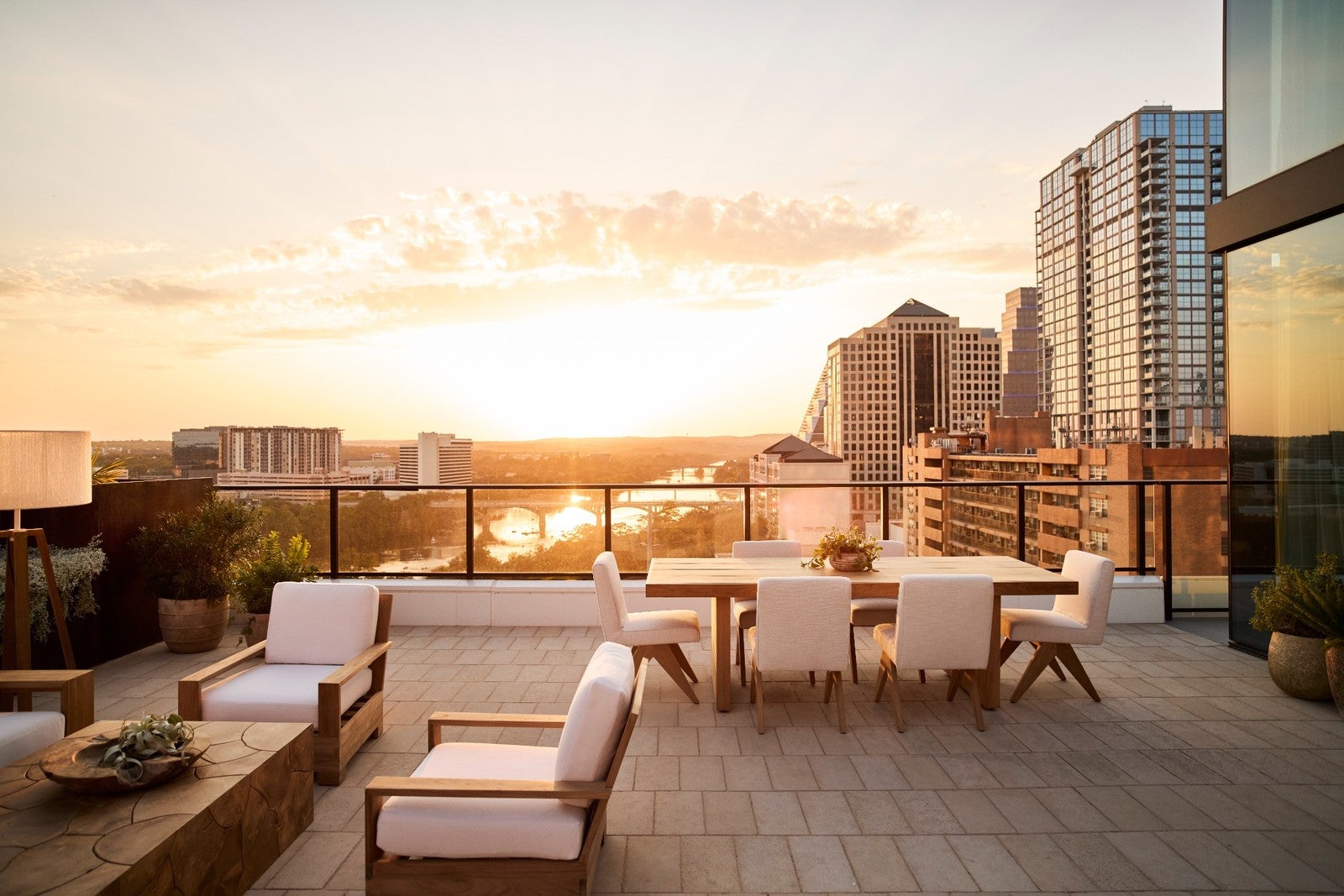
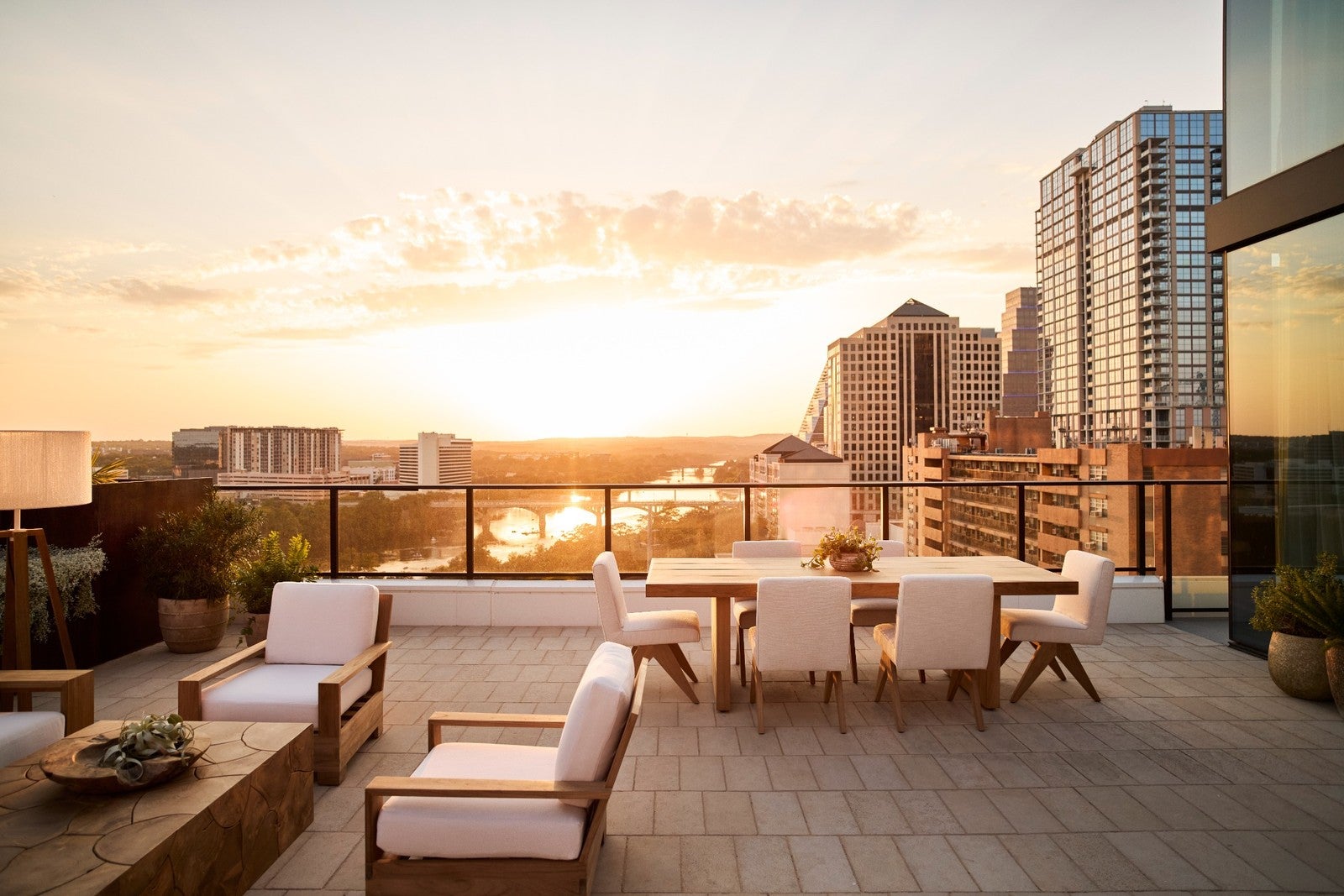
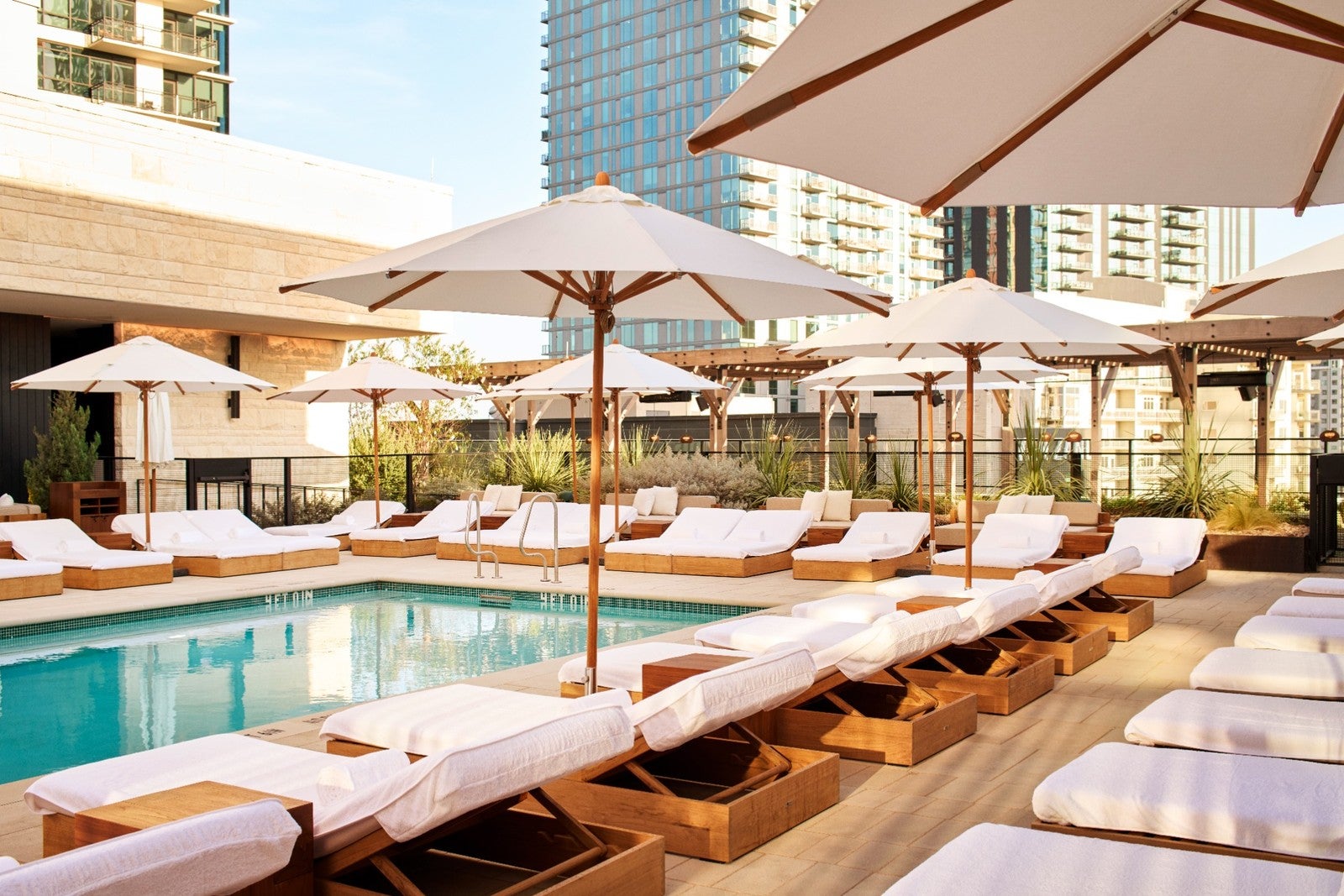
Culinary excellence is a cornerstone of this new property. The hotel’s flagship restaurant is helmed by James Beard Award nominee Chef Johnny Curiel, whose reputation for elevated Mexican cuisine aligns with Austin’s deep culinary heritage. Beyond the dining room, the hotel offers a sophisticated wine bar and a rooftop pool deck that provides panoramic views of the Texas Hill Country and the downtown skyline. For wellness seekers, the inclusion of the Bamford Wellness Spa—a brand synonymous with holistic, organic treatments—solidifies the property’s status as a retreat for the "conscious traveler."
From an economic perspective, 1 Hotel Austin enters the market with a tiered pricing strategy. While introductory cash rates can be found as low as $372 per night during off-peak windows, the standard luxury rate typically hovers around $600. This positioning places it in direct competition with established luxury stalwarts like the Four Seasons Austin and the Proper Hotel, though its specific focus on LEED-certified operations and wellness-centric amenities gives it a unique edge in attracting Gen Z and Millennial travelers who prioritize ESG (Environmental, Social, and Governance) values in their purchasing decisions.
Hyatt’s Social Evolution: The Arrival of Hyatt Vivid in Punta Cana
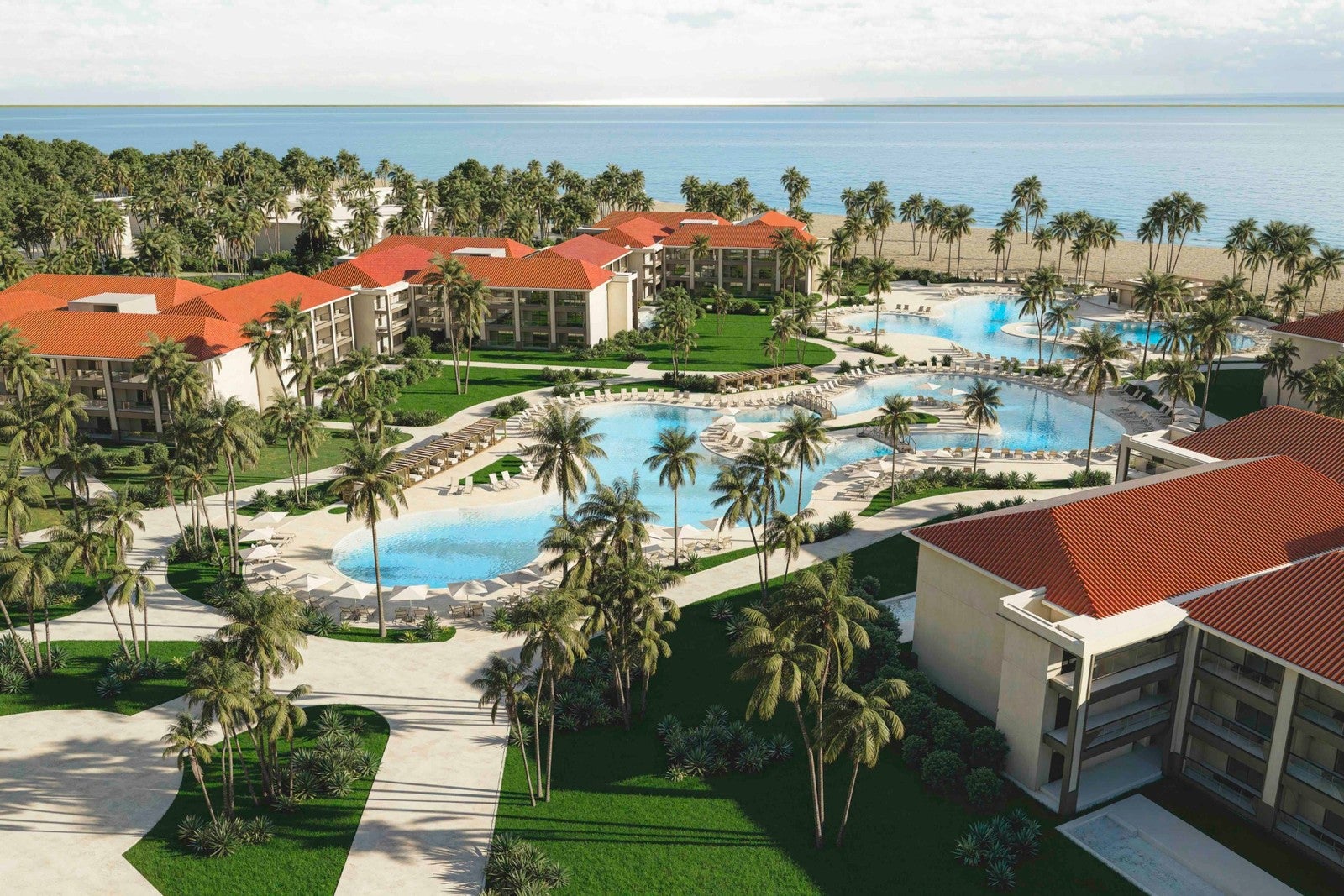
As Hyatt continues to integrate the assets acquired through its multi-billion-dollar purchase of Apple Leisure Group, the brand is diversifying its "Inclusive Collection" to target more specific traveler personas. The recent opening of Hyatt Vivid Grand Island in Punta Cana, Dominican Republic, marks the debut of a "social-forward" lifestyle brand designed to bridge the gap between traditional all-inclusive resorts and boutique urban hotels.
Hyatt Vivid is specifically engineered for "social explorers" and "digital nomads." Unlike the more romantic, quiet atmosphere of the Secrets brand or the family-oriented focus of Dreams, Hyatt Vivid Punta Cana emphasizes community and connection. The resort, which is a meticulous remodel of a former property, features 467 guest rooms designed with a contemporary, airy aesthetic. The programming here is the differentiator: instead of standard resort entertainment, guests are offered DJ sets, creative workshops, and holistic "spa rituals" designed to be shared experiences.
The culinary program at Hyatt Vivid Punta Cana includes five elevated restaurants and seven bars that serve top-shelf spirits, a departure from the "well-drink" reputation that once plagued the all-inclusive sector. For members of the World of Hyatt loyalty program, the property is classified as a Category C resort. This means award nights typically range from 20,000 to 40,000 points per night, offering a high-value redemption option for those looking to maximize their points in a high-demand Caribbean market. This expansion is a clear indicator of Hyatt’s strategy to dominate the luxury all-inclusive space by offering a "vibe" for every demographic, from the quiet luxury seeker to the socially active professional.
Hilton and SLH: Opening the Doors to Santorini
One of the most significant shifts in the loyalty landscape this year has been the termination of the partnership between Small Luxury Hotels of the World (SLH) and Hyatt, and the subsequent, blockbuster agreement between SLH and Hilton. This move has instantly transformed the Hilton Honors program, giving members access to hundreds of boutique, high-end properties in markets where Hilton previously had a limited footprint.
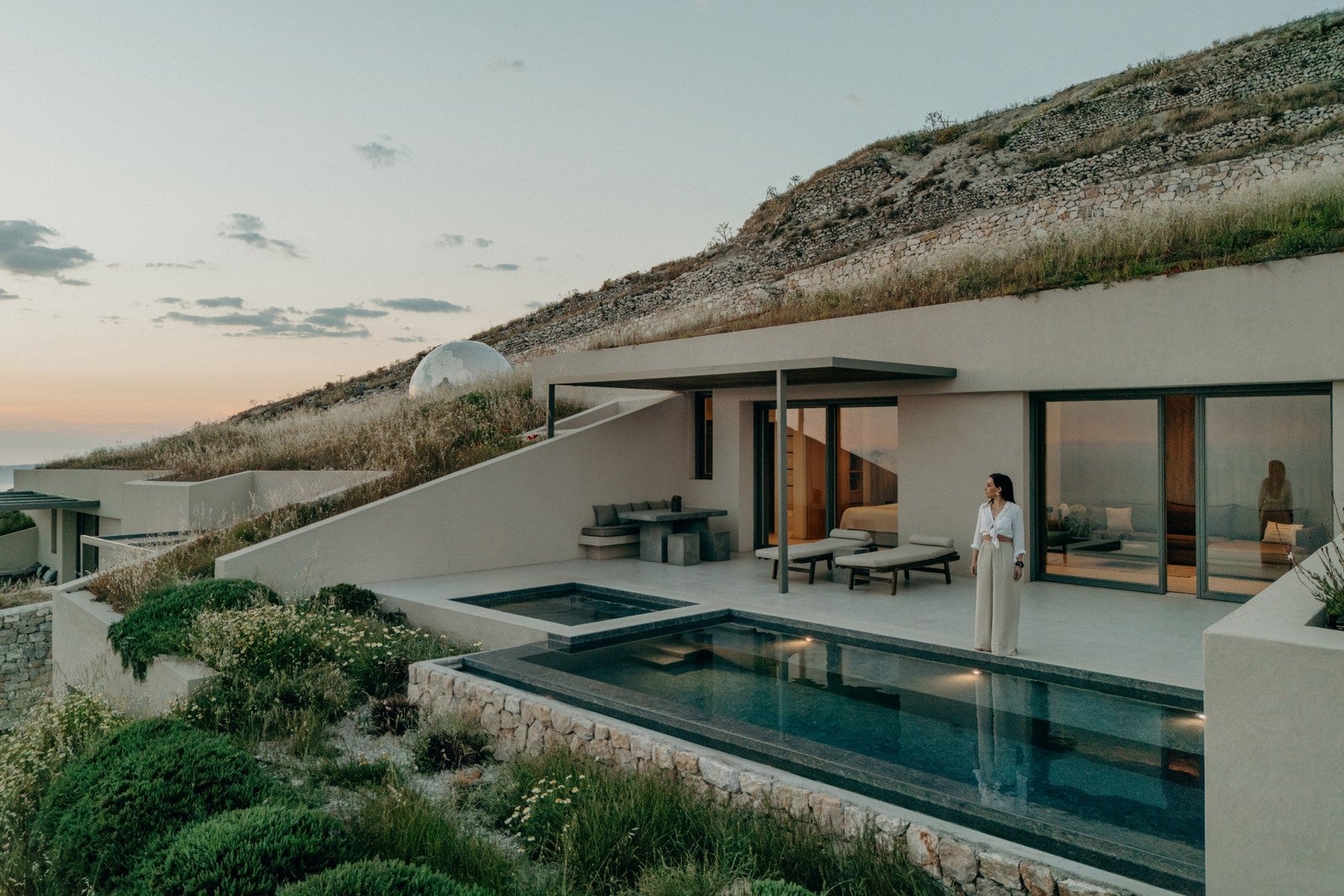
A prime example of this new synergy is Santorini Sky. Located at the highest point of the iconic Greek island in the village of Pyrgos, this luxury resort offers a starkly different experience than the crowded corridors of Oia. Santorini Sky is a contemporary masterpiece, featuring private villas with heated pools and expansive outdoor terraces that overlook the Aegean Sea. Because it sits at such a high elevation, it offers 360-degree views that are often cited as the best on the island.
For Hilton Honors members, the ability to book Santorini Sky with points is a game-changer. Cash rates for this level of privacy and luxury in Santorini often exceed $500 to $1,000 per night during the summer. However, the property is currently bookable for as low as $168 per night in the shoulder season or 51,000 Hilton Honors points. This represents an exceptional "cents per point" value, especially for a property that includes personalized concierge services, wine tours, and proximity to the island’s most authentic tavernas. It signals Hilton’s aggressive move to capture the "aspirational travel" market, providing its 180 million members with the "bucket list" European experiences that were once the exclusive domain of Marriott Bonvoy or Hyatt.
Reimagining Mid-Scale Luxury: The Embassy Suites Aruba Experiment
The traditional perception of Embassy Suites has long been one of reliable, mid-scale comfort favored by business travelers and families needing extra space. However, Hilton is currently using the brand to experiment with a "resort-plus" model, most notably at the Embassy Suites by Hilton Aruba Resort.
The property, which has already gained acclaim for its "knockout" design and proximity to Eagle Beach, has recently enhanced its luxury credentials with the opening of the Kundalini Spa. The addition of a full-service spa—offering everything from facials to specialized "kids’ spa" treatments—is a strategic move to elevate the brand’s status in a competitive Caribbean market. By offering all-suite accommodations (which are standard for the brand) alongside resort-style amenities like a luxury spa and high-end beauty salon, Hilton is blurring the lines between mid-scale and luxury. This "upscaling" of the Embassy Suites brand allows it to compete for travelers who want the predictable value of a Hilton brand but the indulgent experience of a vacation resort.
The Future of Ultra-Luxury: Amanolu in the Maldives
In the rarefied world of ultra-luxury travel, few brands command the cult-like following of Aman. Known for its minimalist architecture and unparalleled service, Aman has finally revealed the name and location for its highly anticipated first property in the Maldives. Set to open in 2028 on the Vaavu Atoll, the resort will be named "Amanolu."
The name is a linguistic blend of the Sanskrit word for "peace" (Aman) and the water lily (Olu), a flower that symbolizes renewal and serenity in Maldivian culture. The resort will be an intimate affair, featuring only 52 guest keys and 16 branded residences. The Vaavu Atoll is renowned for having some of the deepest and most pristine waters in the Maldives, making it a sanctuary for divers and nature enthusiasts.
The development of Amanolu signifies a shift in the Maldives’ luxury strategy. As the market becomes increasingly saturated with large-scale resorts, Aman is doubling down on exclusivity and "slow travel." The property will feature an 82-foot swimming pool and a sprawling Aman Spa, likely incorporating the brand’s signature wellness immersions. While 2028 is several years away, the announcement has already sent ripples through the luxury real estate and travel sectors, as "Amanjunkies" (the brand’s devoted followers) begin planning for what is expected to be one of the most expensive and exclusive stays in the Indian Ocean.
Analysis: The Convergence of Values and Loyalty
The common thread weaving through these diverse updates is the convergence of traveler values with loyalty program utility. Whether it is the sustainable ethos of 1 Hotel Austin or the social connectivity of Hyatt Vivid, hotel brands are no longer just providing a place to sleep; they are providing a community and a statement of identity. Simultaneously, the strategic shifting of partnerships—like the Hilton and SLH deal—demonstrates that the "currency" of travel (points and miles) is becoming more flexible, allowing travelers to access once-unreachable boutique experiences through their everyday spending and business travel. As the industry moves deeper into the fall season, these openings serve as a barometer for a healthy, evolving, and increasingly sophisticated global hospitality market.
