
 By admin
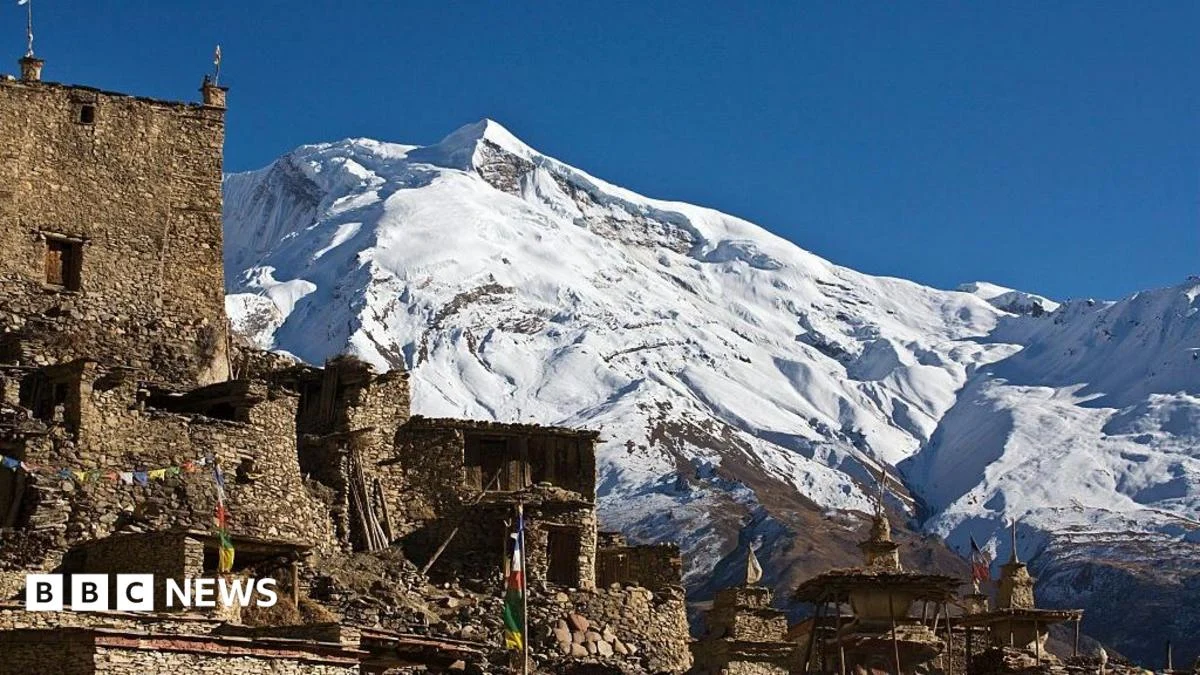
Rescuers have recovered two bodies from the site of a devastating avalanche that struck a climbing group camping in the Nepalese Himalayas, plunging a popular trekking region into mourning and highlighting the escalating dangers faced by those who venture into the world’s highest peaks. Around a dozen individuals, primarily Nepalese nationals comprising experienced climbers and essential support staff, are still feared missing following the catastrophic snow slide that engulfed the base camp of Himlung Himal peak in the Manang district on Sunday morning. The ill-fated group had been dispatched ahead of foreign expeditions to meticulously prepare the camp and secure vital ropes along the challenging ascent of the 7,126-meter (23,380-foot) mountain, a formidable peak situated on Nepal’s border with Tibet.
The grim discovery underscores a troubling pattern of loss in the Nepalese Himalayas, a region increasingly vulnerable to the volatile whims of nature. Recent forecasts had indicated a significant risk of heavy snowfall around the Himlung Himal peak, a warning that tragically proved insufficient to prevent the disaster. The treacherous conditions, exacerbated by persistent rain and snow that have plagued Nepal’s mountain districts in recent days, have not only hampered rescue efforts but also cast a dark shadow over the country’s vital climbing tourism industry. The immediate aftermath of the avalanche saw rescue operations severely constrained by poor weather, with helicopters and ground teams initially unable to reach the remote and snow-choked site.
Bibhuti Chand Thakur, a representative of Himalaya Holidays Trekking, confirmed to the Agence France-Presse (AFP) news agency that at least eight members of his expedition team were among those reported missing. The precise number of individuals still unaccounted for remains a fluid and deeply concerning figure, as authorities grapple with the sheer scale of the incident and the challenging terrain. In response to the unfolding crisis, a specialized rescue team, comprised of highly experienced mountaineers, was rapidly mobilized from Nepal’s capital, Kathmandu, and airlifted to the vicinity of the disaster. However, local media reports indicate that the full extent of the rescue and recovery operations is expected to continue into Monday, with the prevailing thick snow cover and adverse weather conditions presenting formidable obstacles.
The primary role of the Nepalese team, consisting of local guides, porters, and logistics personnel, was to lay the groundwork for the arrival of international climbing parties. Their critical tasks included establishing a safe and functional base camp, charting and securing the climbing route, and meticulously fixing ropes to aid ascents. This preparatory work, typically undertaken by skilled Nepalese mountain professionals, is a cornerstone of the expedition process in the Himalayas, enabling foreign climbers to safely navigate the extreme altitudes and technical challenges. Their loss represents not only a personal tragedy for their families and communities but also a significant blow to the operational capacity of Himalayan expeditions.
The incident at Himlung Himal is the latest in a series of alarming events that have underscored the heightened risks associated with Himalayan mountaineering in the current climate. Just weeks ago, climbers were forced to abandon their ascent of Mount Manaslu, the world’s eighth-highest peak, due to the escalating threat of avalanches. This decision reflects a growing trend of caution among expedition leaders as they confront increasingly unpredictable weather patterns. The economic implications for Nepal, which relies heavily on mountaineering tourism for revenue and employment, are substantial. Any increase in climbing-related fatalities or disruptions to expeditions can have a cascading effect on local economies and the broader national tourism sector.
The recent tragedy also brings a chilling reminder of other recent losses in the high-altitude climbing community. Less than two months prior, six climbers, including the renowned British-Nepalese mountaineer Nirmal Purja, tragically lost their lives on Broad Peak in Pakistan. This incident highlighted the inherent dangers even for seasoned professionals operating at extreme altitudes. Furthermore, the ongoing efforts to recover bodies on the Nepal-Tibet border from a massive flood and landslide in August, which claimed over 6,000 lives and displaced countless others, continue to weigh heavily on the region. The glacial collapse that triggered that disaster sent torrents of water and debris down the Trishuli River valley, devastating settlements and causing widespread destruction.
The escalating frequency and intensity of extreme weather events are not confined to the Himalayas. Across Asia, recent days have witnessed a disturbing pattern of climatic disruption. In the neighboring Indian state of Uttar Pradesh, extreme weather conditions have tragically resulted in the deaths of over 50 people, according to official reports. Meanwhile, Bangkok, the bustling capital of Thailand, has declared a flood emergency disaster due to relentless heavy rainfall since Thursday, with residents urged to remain indoors or seek higher ground. Earlier in the week, a deadly typhoon battered Tokyo, triggering landslides in neighboring prefectures that claimed four lives. Typhoon Dujuan, the latest in a series of powerful storms to sweep across the Pacific, is believed to have been intensified by the "super El Niño" phenomenon, an area of unusually warm sea surface temperatures that fuels the formation of more potent cyclones.
The confluence of these events paints a stark picture of a planet grappling with the tangible impacts of climate change. The Himalayan region, with its fragile ecosystems and extreme environmental conditions, is particularly susceptible to these shifts. Rising global temperatures contribute to the melting of glaciers, increasing the risk of glacial lake outburst floods (GLOFs) and altering snowpack stability, thereby heightening avalanche potential. The increased frequency of heavy snowfall, while seemingly counterintuitive in a warming world, can also create dangerous conditions by accumulating unstable layers of snow that are prone to sudden release.
The international scientific community has long warned about the amplified effects of climate change at higher altitudes. Glaciologists and climatologists have observed a consistent pattern of glacial retreat across the Himalayas, a phenomenon that has profound implications for water resources, biodiversity, and geological stability. The increased frequency of extreme weather events, from intense rainfall to severe snowstorms and powerful typhoons, is directly linked to these broader climatic shifts.
The response to these mounting challenges requires a multi-faceted approach. In the immediate term, enhanced early warning systems for avalanches and other natural hazards are crucial for the safety of communities and the burgeoning tourism sector. Investing in advanced meteorological monitoring technologies and improving the dissemination of timely and accurate weather forecasts can provide vital lead time for evacuations and preventative measures. For the climbing community, this translates to a greater emphasis on risk assessment, adaptable expedition planning, and the rigorous adherence to safety protocols. Experienced guides and expedition leaders play a critical role in navigating these evolving risks, and their expertise is more valuable than ever.
Beyond immediate safety concerns, the broader implications of climate change demand urgent global action. Reducing greenhouse gas emissions, transitioning to renewable energy sources, and implementing sustainable land management practices are essential to mitigate the long-term drivers of these extreme weather events. International cooperation and financial support are vital to assist vulnerable regions like Nepal in adapting to the changing climate and building resilience against its devastating consequences. The tragic loss of life in the Himalayas serves as a somber reminder of the interconnectedness of our planet and the shared responsibility to protect it. As the world watches the ongoing rescue efforts and mourns the lives lost, the imperative to address the root causes of these environmental crises becomes ever more pressing. The mountains, once seen as symbols of eternal permanence, are increasingly revealing their vulnerability, demanding a renewed commitment to environmental stewardship from all nations.
