
 By admin
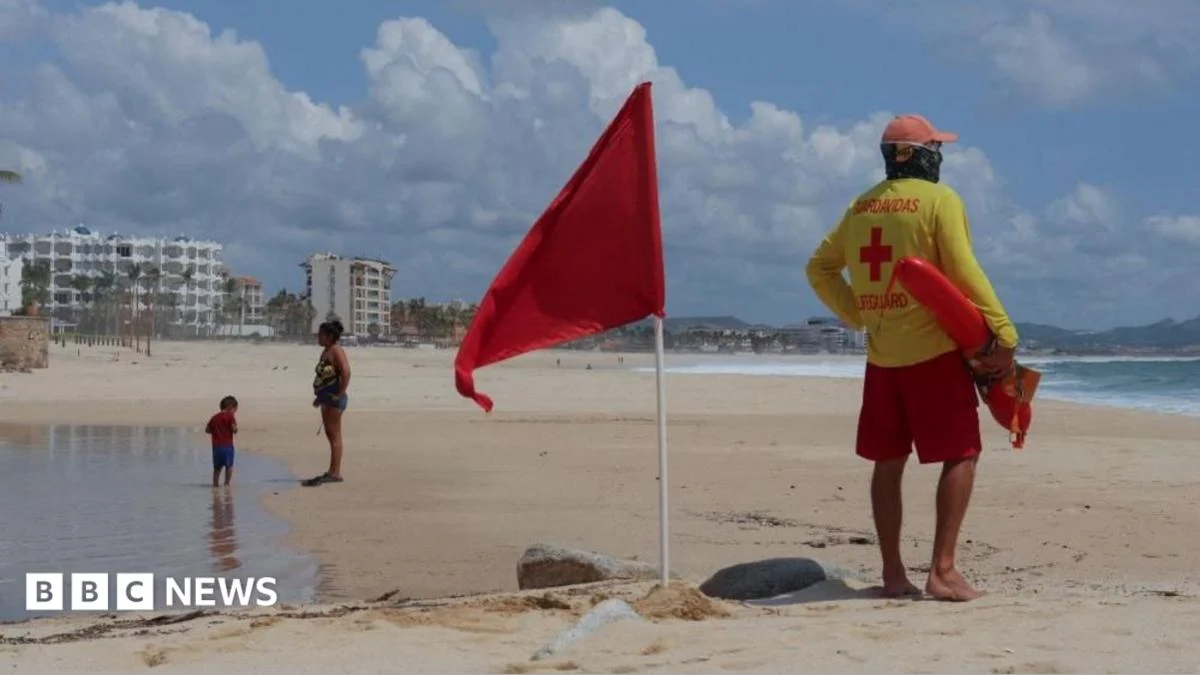
The northern Pacific coast of Mexico is on high alert as Hurricane Polo, a formidable Category 3 storm, churns offshore, poised to make landfall either late on Monday or in the early hours of Tuesday. With maximum sustained winds currently gusting near a perilous 115 mph (185 km/h), the hurricane’s projected path is set to sweep over the state of Baja California Sur, a region renowned for its stunning tourist attractions and the globally recognized resort destination of Los Cabos. This impending landfall is generating significant concern among residents and authorities alike, who are mobilizing to mitigate the potential impacts of this powerful meteorological event.
The National Hurricane Center (NHC), a leading authority on tropical cyclones based in the United States, has issued stark warnings regarding the deluge of rainfall anticipated from Hurricane Polo. These forecasts highlight the grave possibility of life-threatening flooding and dangerous mudslides, particularly in the rugged, mountainous terrains that characterize parts of Baja California Sur. The combination of intense rainfall and steep slopes creates a potent recipe for landslides, posing a severe risk to communities situated in these vulnerable areas. Experts at the NHC emphasize that flash floods can develop with alarming speed, overwhelming drainage systems and inundating low-lying regions, while mudslides can descend with destructive force, engulfing homes and infrastructure.
In anticipation of the storm’s arrival, residents across the affected regions have been actively engaged in preparations throughout Sunday. A palpable sense of urgency permeated local markets and stores as people diligently stocked up on essential supplies. The most sought-after items included ample quantities of drinking water, non-perishable food items, batteries, flashlights, and other provisions necessary to weather an extended period without power or access to essential services. This proactive approach by the populace underscores the gravity with which they are treating the approaching hurricane, reflecting past experiences with severe weather events and a commitment to personal safety and preparedness.
Adding to the concern, the NHC has also issued a critical warning about the potential storm surge that Hurricane Polo could unleash upon the coast. This surge, a rise in sea level above the normal tide, is predicted to be accompanied by exceptionally large and destructive waves. Coastal communities, particularly those situated at lower elevations, are at heightened risk of inundation from this powerful oceanic phenomenon. The destructive potential of storm surge is well-documented, capable of causing widespread structural damage, eroding shorelines, and posing an immediate threat to life for those caught in its path. The NHC’s advisory urges extreme caution for anyone in proximity to the coast as the storm approaches.
Cabo San Lucas, a jewel in the crown of Baja California Sur and globally celebrated for its iconic natural rock arch, has already begun to feel the preliminary impacts of Hurricane Polo. In a bid to enhance public safety and prevent potential drownings or injuries, authorities have taken the decisive step of restricting access to the beaches. This measure is a standard precautionary action taken by coastal communities facing a significant hurricane, acknowledging the extreme danger posed by rough seas and powerful undertows. The closure of beaches serves as a visible reminder of the approaching threat and a clear directive for residents and tourists to remain away from the immediate coastline.
Beyond the beaches, the vibrant atmosphere of Cabo San Lucas is also undergoing a transformation as the storm looms. Several restaurants, which typically buzz with activity from sport fishers and whale watchers who frequent the town as their base, have also shuttered their doors. This decision by local businesses reflects a combination of safety concerns for employees and patrons, as well as an understanding of the logistical challenges and potential damage associated with operating during a hurricane. The closure of these establishments, while a sign of the storm’s impending arrival, also highlights the economic vulnerability of such tourist-dependent regions to natural disasters.
The history of hurricanes impacting Mexico’s Pacific coast provides crucial context for understanding the potential severity of Hurricane Polo. The region is no stranger to tropical cyclones, with the eastern Pacific hurricane season typically running from May 15 to November 30. While many storms dissipate at sea or make landfall as weaker systems, the potential for powerful hurricanes like Polo to form and threaten populated areas is a recurring reality. The NHC’s sophisticated forecasting models, which track wind speed, atmospheric pressure, and sea surface temperatures, are vital tools in predicting the intensity, track, and potential impact of these storms. These models, constantly refined through decades of research and data collection, provide the scientific basis for the warnings and evacuation orders issued to protect lives and property.
Baja California Sur, with its long and exposed coastline, is particularly susceptible to the destructive forces of hurricanes. The peninsula’s geography, stretching out into the Pacific Ocean, means that it often bears the brunt of storms that form in its waters. The state’s economy is heavily reliant on tourism, and the impact of a major hurricane can be devastating, not only in terms of immediate damage but also through the prolonged disruption to the tourism industry, which is crucial for the livelihoods of many of its inhabitants. The resort towns, while often built to withstand significant weather, are not immune to the overwhelming power of a Category 3 storm.
The economic implications of Hurricane Polo extend beyond the immediate damage to infrastructure. The tourism sector, a cornerstone of Baja California Sur’s economy, could face significant losses due to cancellations, damage to hotels and restaurants, and the negative perception that can linger long after the storm has passed. For the local fishing communities, the impact can be even more direct, with boats and equipment potentially being destroyed, and fishing grounds rendered inaccessible or unsafe for extended periods. The recovery process for such communities can be arduous and lengthy, often requiring substantial governmental and international aid.
Expert perspectives from meteorologists and disaster management officials consistently emphasize the importance of heeding official warnings and evacuating when advised. Dr. Elena Ramirez, a climatologist specializing in tropical meteorology, noted in a recent interview, "The intensity of a Category 3 hurricane is not to be underestimated. The combination of high winds, heavy rainfall, and storm surge can create a trifecta of destruction. Preparedness is paramount, and this includes having a well-thought-out evacuation plan and a robust emergency kit." She further stressed the importance of staying informed through reliable news sources and official channels during the event.
The preparedness efforts observed on Sunday are a testament to the lessons learned from past hurricane seasons. Communities that have experienced the wrath of powerful storms often develop a heightened sense of vigilance and a strong culture of preparedness. This includes established community support networks, readily accessible emergency shelters, and well-rehearsed evacuation routes. The proactive stocking of supplies is a critical first step, but it is often complemented by broader community-level strategies designed to ensure the safety and well-being of all residents.
The international community also plays a role in disaster response for regions like Baja California Sur. Following major natural disasters, international aid organizations and neighboring countries often provide crucial support in the form of financial assistance, relief supplies, and expert personnel to aid in recovery efforts. The scale of devastation wrought by a Category 3 hurricane can quickly overwhelm local resources, making international cooperation essential for a comprehensive and effective response.
As Hurricane Polo continues its approach, the focus remains on the safety of the people in its path. The coming hours will be critical as the storm makes its final preparations for landfall. Authorities will be monitoring the situation closely, providing updates, and coordinating emergency response efforts. The resilience of the communities in Baja California Sur will undoubtedly be tested, but their proactive preparations and the collective spirit of mutual support offer a beacon of hope amidst the looming threat of this powerful hurricane. The world watches as this region braces for the full force of nature, hoping for the best while preparing for the worst.
