
 By admin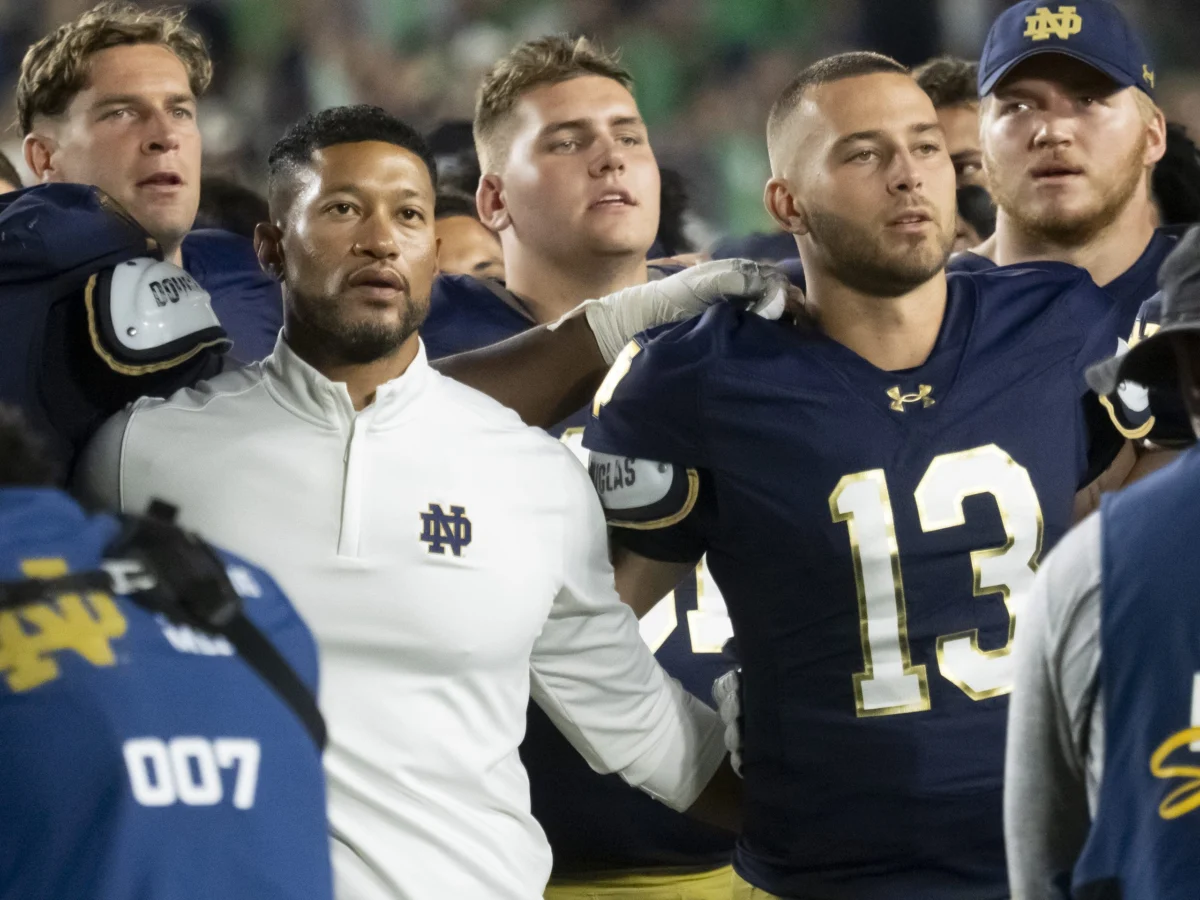
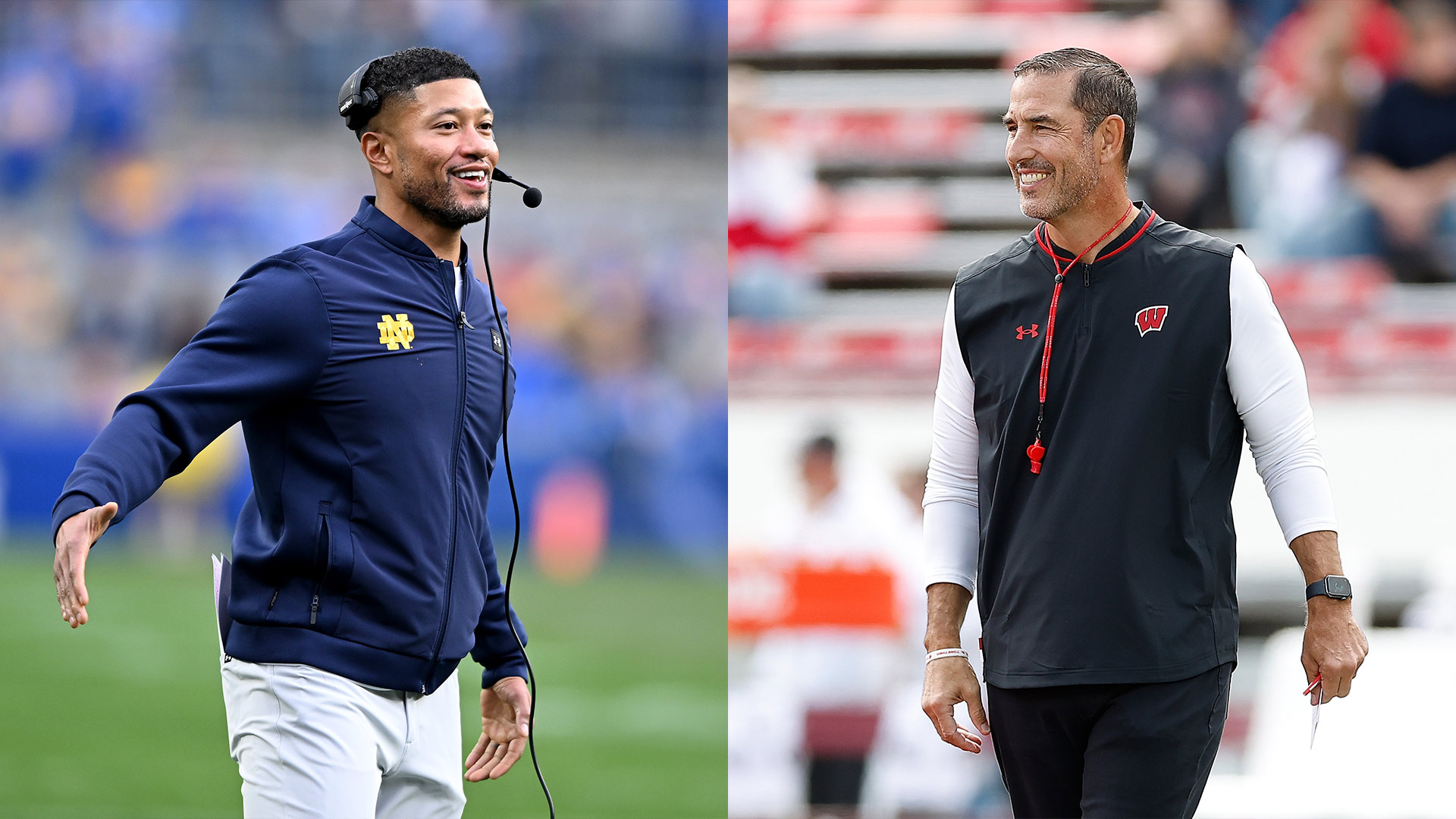
The college football landscape is often defined by its evolving rivalries and the generational threads that weave through coaching staffs. This Sunday night, as the No. 4 Notre Dame Fighting Irish clash with the Wisconsin Badgers at the iconic Lambeau Field in Green Bay, Wisconsin, the narrative is amplified by a profound personal and professional history shared between the two head coaches: Marcus Freeman and Luke Fickell. Their intertwined journeys, spanning over two decades, have not only shaped their individual careers but have also left an indelible mark on the programs they now lead.
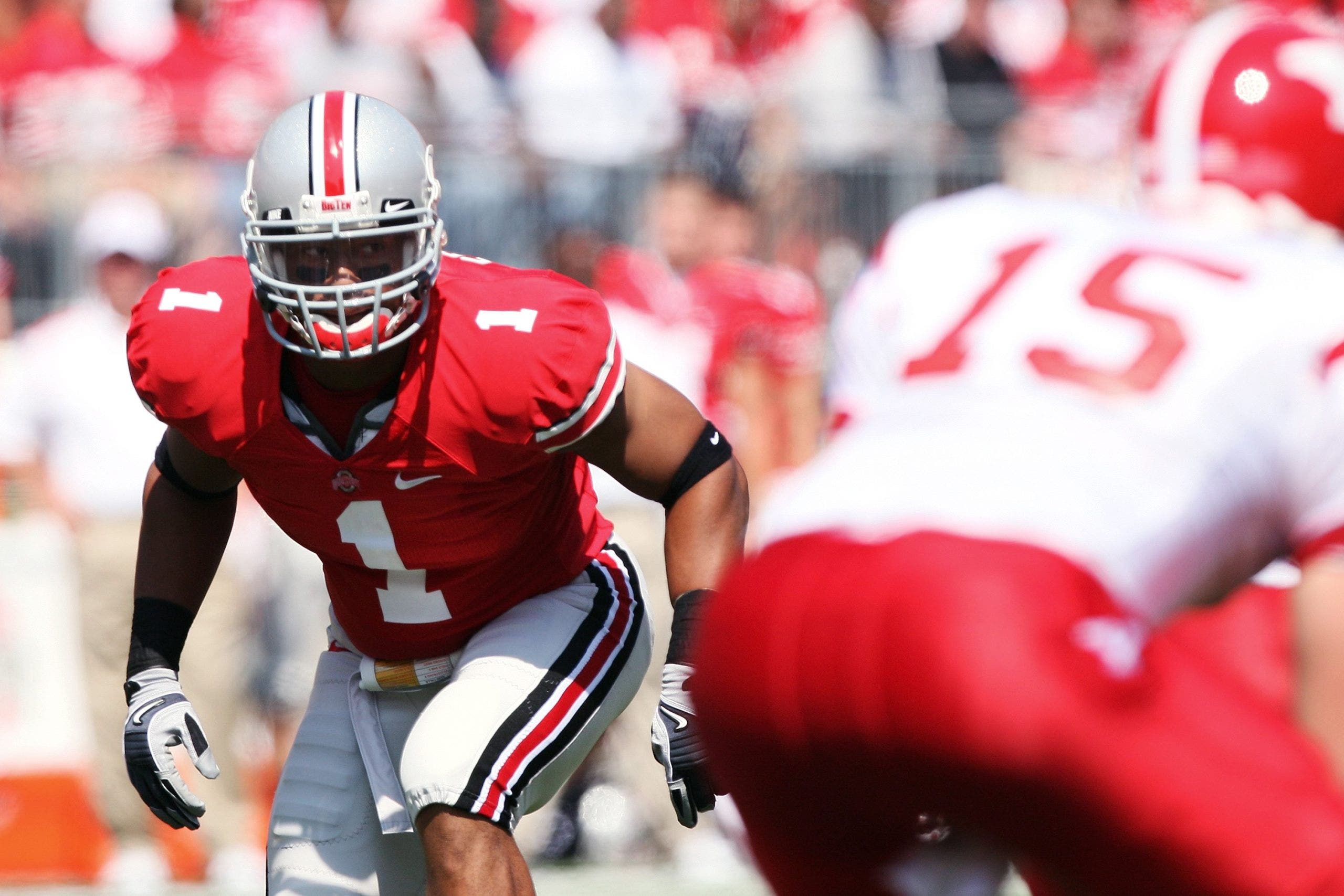
The genesis of this enduring connection traces back to the hallowed grounds of Ohio State University. From 2004 to 2008, a young Marcus Freeman honed his skills as a tenacious linebacker for the Buckeyes. During this formative period, Luke Fickell, then a respected defensive line coach and later the defensive coordinator for Ohio State, served as Freeman’s position coach. This early mentorship laid the groundwork for a relationship built on shared dedication to the sport and a mutual understanding of the demands of elite college football. Fickell, a former Buckeye himself, instilled in his players a disciplined approach and a relentless work ethic, qualities that would profoundly influence Freeman’s own coaching philosophy.
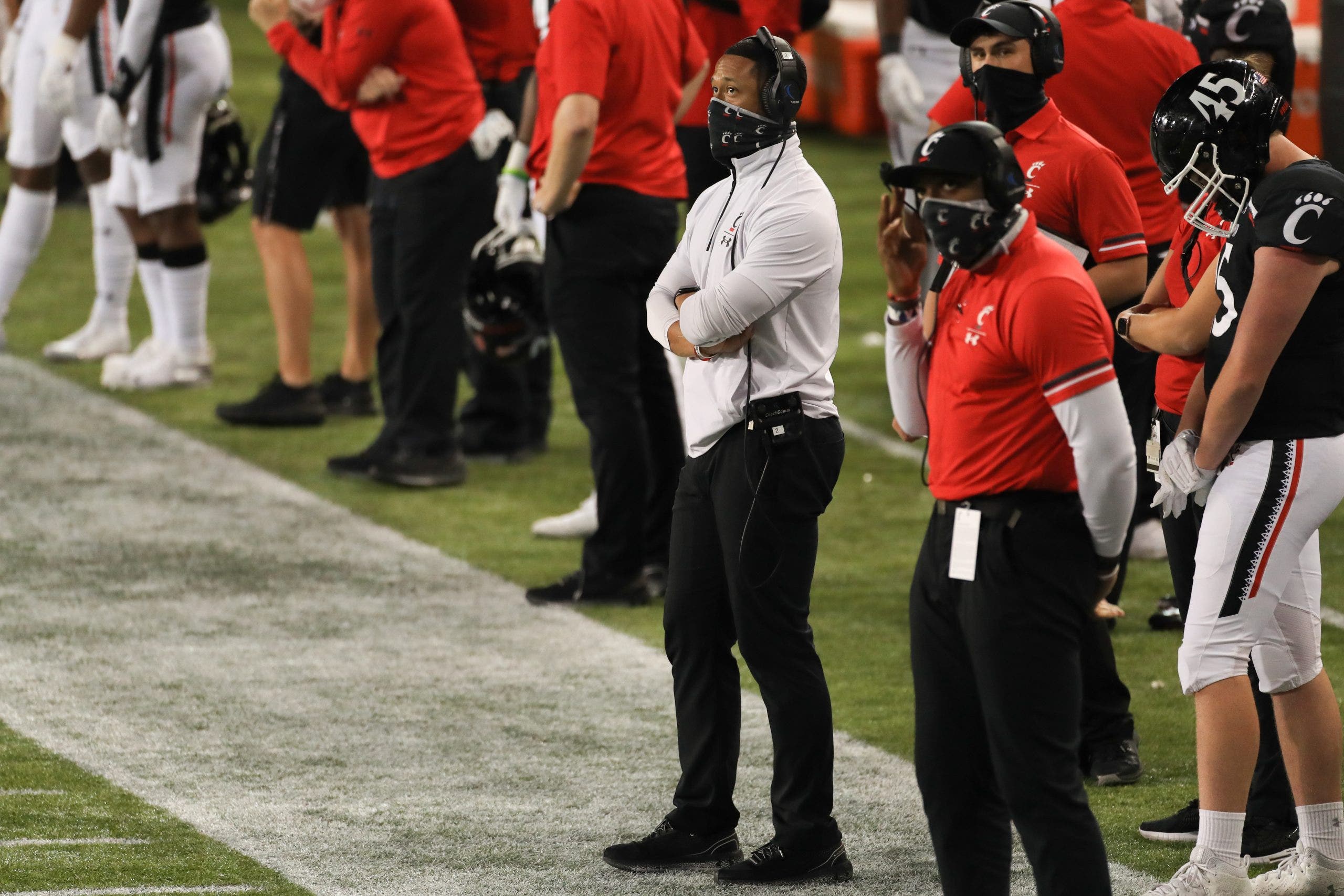
The player-coach dynamic evolved into a mentor-mentee partnership nearly a decade later. In 2017, Fickell, having taken the helm as head coach at the University of Cincinnati, recognized Freeman’s burgeoning talent and leadership potential. He brought Freeman onto his staff as the linebackers coach and, critically, as the defensive coordinator. For four transformative seasons (2017-2020), Freeman flourished under Fickell’s guidance in Cincinnati. He was instrumental in transforming the Bearcats’ defense into one of the nation’s most formidable units, consistently ranking among the top defenses in key statistical categories. This tenure provided Freeman with invaluable experience in coordinating a college defense, solidifying his reputation as a rising star in the coaching ranks and preparing him for his eventual ascent to a head coaching position.
While their shared past is undeniable, both Freeman and Fickell have forged distinct identities for their respective programs as head coaches. Fickell, speaking about Freeman’s remarkable progression, emphasized the importance of forging one’s own path. "The ones who have the most success, like Marcus has, are ones who create an identity for themselves, not just where they’ve been, whether it’s his time with us at Cincinnati or his time at Ohio State or his time under Jim Tressel," Fickell remarked. This sentiment highlights Fickell’s understanding that true leadership involves adaptation and innovation, rather than simply replicating past successes.
Freeman, in turn, has openly acknowledged Fickell’s pivotal role in his coaching development. He frequently cites Fickell’s unwavering commitment to hard work and his demanding expectations for players and coaches alike as foundational elements he has carried into his own head coaching career. "I’ve got a lot of respect for him," Freeman stated. "I wouldn’t be in this position without the investment he made in me. There’s traits that every coach I’ve had a player, as a coach, that I have in me. When I think about Luke Fickell, I think about a tireless worker, I think about the demands that he has for his players, his coaches. And the mindset of, ‘This is the way we’re going to play. This is who we’re going to be. This is our identity, and we’re committed to it.’" This deep respect underscores the profound impact Fickell has had on Freeman’s trajectory, imbuing him with a strong sense of purpose and a clear vision for his team.
The narrative of shared history extends beyond the head coaches themselves, weaving through the fabric of both coaching staffs. Sunday’s contest will not be the first time Freeman and Fickell have stood on opposing sidelines. In a pivotal 2021 matchup, Fickell’s Cincinnati Bearcats secured a hard-fought 24-13 victory over Notre Dame at Notre Dame Stadium. This win was a significant milestone in Cincinnati’s historic run to the College Football Playoff. At that time, Marcus Freeman was serving as Notre Dame’s defensive coordinator under then-head coach Brian Kelly. Following Kelly’s departure for LSU at the end of that regular season, Freeman was elevated to the head coaching position, a testament to his growing influence and leadership capabilities within the Fighting Irish program.
Further deepening the connections between the two programs, Notre Dame’s offensive line coach, Joe Rudolph, boasts a significant tenure with the Wisconsin Badgers. Rudolph served as Wisconsin’s offensive coordinator for six seasons (2015-2020) under former head coach Paul Chryst, a period during which he helped shape the Badgers’ identity as a physical, run-oriented team. He remained on staff as the offensive line coach in 2021, further solidifying his familiarity with the program’s culture and personnel. On the Notre Dame side, several key offensive coaches have direct ties to Fickell’s Cincinnati program. Offensive coordinator Mike Denbrock, quarterbacks coach Gino Guidugli, and wide receivers coach Mike Brown all served on Fickell’s staff during the Bearcats’ successful 2021 playoff season. This intricate web of past associations adds another layer of intrigue to the Sunday night showdown, fostering an environment of mutual respect and understanding, even amidst fierce competition.
"It’s not just Marcus that we’ve got a long history with," Fickell acknowledged, reflecting on the broader connections. "There’s a lot of guys over there that in particular we’ve got great relationships with, and had great relationships with. Like I’ve always said, I wouldn’t be sitting here today if it wasn’t for not just Freeman, but a lot of those guys over on that staff." This sentiment underscores the familial atmosphere that can develop within successful college football programs and the lasting bonds that transcend team affiliations.
Despite the deep personal connections and shared philosophies, Notre Dame and Wisconsin enter the Lambeau Field matchup from starkly different trajectories. The No. 4 ranked Fighting Irish are widely considered three-touchdown favorites, a reflection of their recent dominance. Over the past two seasons, Notre Dame has compiled an impressive 24-4 record, highlighted by an appearance in the 2024 College Football Playoff championship game. This sustained success has solidified their status as a national powerhouse.
Leading Notre Dame’s charge this season is quarterback CJ Carr, who has emerged as a promising leader for the offense. Carr, in his first year as a starter in 2025, showcased his talent by throwing for 2,741 yards and 24 touchdowns. The Irish defense, a hallmark of their recent success, is bolstered by three preseason Associated Press All-America selections. First-team cornerback Leonard Moore, second-team linebacker KyngSTONN Viliamu-Asa, and safety Brauntae Johnson form a formidable defensive backbone, poised to make a significant impact.
Conversely, the Wisconsin Badgers are entering a period of rebuilding under Fickell, who is in his fourth year at the helm. The program is seeking to regain its footing after two consecutive losing campaigns. Wisconsin finished with a disappointing 4-8 record in 2025 and a 5-7 mark in 2024, a stark departure from the program’s storied tradition of 22 consecutive winning seasons. This season, under Fickell’s leadership, represents a crucial opportunity to re-establish the Badgers as a consistent contender in the Big Ten Conference. The challenge of facing a highly-ranked Notre Dame team at the historic Lambeau Field will undoubtedly be a significant test of their progress.

The highly anticipated season opener between Notre Dame and Wisconsin is scheduled to kick off at 7:30 p.m. ET on Sunday, promising a compelling narrative of enduring mentorship, strategic rivalries, and the unyielding pursuit of collegiate football supremacy. The backdrop of Lambeau Field, a hallowed ground of professional football, adds an extra layer of prestige to a game already rich with compelling storylines. As the whistle blows, the focus will shift from past connections to present performance, as both Freeman and Fickell aim to lead their teams to victory in a contest that promises to be more than just a football game – it’s a testament to the enduring power of relationships forged in the crucible of college football.
