
 By Titik Puspa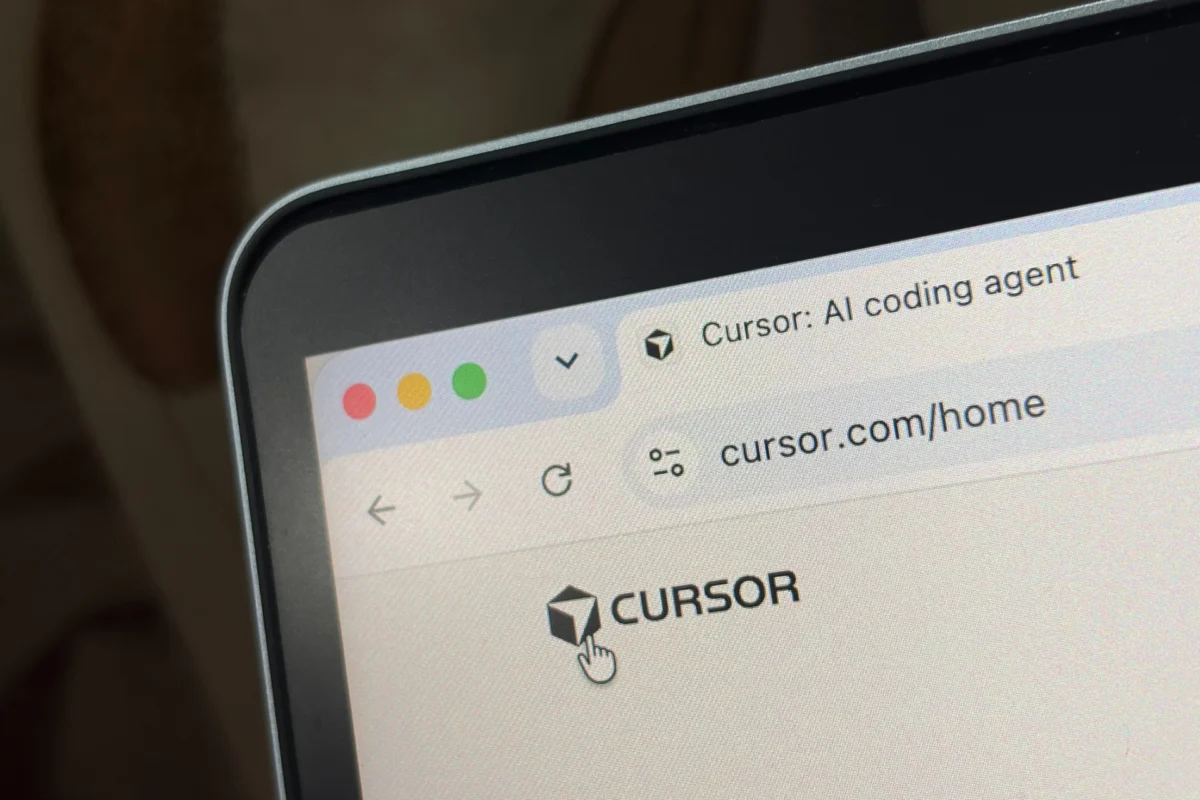
In a move that significantly reshapes the landscape of artificial intelligence and computing infrastructure, AI coding startup Cursor has officially been integrated into the expansive operations of SpaceX. The announcement, made on August 15, 2026, by Cursor through a detailed blog post, marks the culmination of a strategic partnership that began with a substantial investment and acquisition option earlier in the year. This landmark integration promises to leverage Cursor’s sophisticated AI development tools with SpaceX’s unparalleled computing power, potentially accelerating the development of advanced AI capabilities on a global scale.
The journey from partnership to full acquisition was swift and decisive, underscoring the strategic importance both entities placed on this union. SpaceX, under the visionary leadership of Elon Musk, initially announced a deal in April 2026, which not only fostered collaborative technology development but also granted the aerospace giant an option to acquire Cursor for a staggering $60 billion. This initial agreement hinted at a deeper synergy, suggesting that Cursor’s expertise in AI coding was seen as a critical component for SpaceX’s ambitious technological roadmap. The momentum accelerated in June 2026, just days after SpaceX’s own blockbuster initial public offering (IPO), when both companies confirmed their intent to proceed with the acquisition. This timing is particularly noteworthy, as it allowed SpaceX to integrate Cursor’s assets and talent using its newly bolstered public market valuation, potentially streamlining the financial and operational aspects of the deal.
Cursor’s announcement emphasized the profound impact that becoming part of SpaceX will have on its ability to innovate. A central theme in their statement revolves around SpaceX’s monumental computing infrastructure, a colossal network of data centers that the company has been actively expanding and, significantly, renting out to high-profile clients. This infrastructure has become a crucial revenue stream for SpaceX, with major players like Anthropic and Google already utilizing its computational resources. The sheer scale of this operation is unprecedented, positioning SpaceX as a dominant force in the global GPU market. Cursor’s integration into this ecosystem means it will gain direct access to what it describes as “the largest fleet of GPUs in the world.” This access is not merely about quantity but about the transformative potential it unlocks for AI development. The ability to deploy and train models on such a massive scale, with unparalleled speed and efficiency, is a game-changer for the field.
The implications of this fusion extend far beyond simply enhancing Cursor’s development capabilities. SpaceX’s overarching vision, as articulated by Cursor, is to “build the computing capacity needed to scale intelligence far beyond what exists today.” This statement suggests a long-term strategy aimed at creating AI systems that can tackle problems of unprecedented complexity, potentially impacting fields ranging from scientific discovery and space exploration to climate modeling and advanced robotics. Cursor, in turn, positions itself as the vital interface where this immense computational power will be translated into practical, usable intelligence. “Cursor will be one place where that intelligence becomes useful,” the company stated, highlighting its role as a facilitator and incubator for the next generation of AI applications.
The synergy between Cursor’s AI coding expertise and SpaceX’s infrastructural might addresses a critical bottleneck in current AI development: the availability of computational resources. As AI models become increasingly sophisticated and data-hungry, the demand for powerful GPUs and extensive computing power has surged. Many promising AI startups and research institutions struggle to secure the necessary resources, limiting the pace of their innovation. By integrating with SpaceX, Cursor effectively bypasses this limitation, gaining a competitive edge that few, if any, other entities can match. This move also places SpaceX at the forefront of AI hardware provision, potentially creating a vertically integrated ecosystem where AI development is intrinsically linked to the underlying computational infrastructure.

The strategic rationale for SpaceX’s acquisition of Cursor is multifaceted. Firstly, it solidifies SpaceX’s position as a key player in the AI infrastructure market, complementing its existing strengths in satellite communications (Starlink) and space launch services. By owning and operating a significant portion of the world’s AI computing power, SpaceX can exert greater control over its technological destiny and create new revenue streams. Secondly, the acquisition of Cursor’s AI development tools and talent directly enhances SpaceX’s own internal AI initiatives. Whether for optimizing rocket trajectories, managing complex satellite networks, or advancing its broader AI research agenda, Cursor’s expertise will be invaluable. This integration aligns with Elon Musk’s broader ambitions for AI, which have been evident in his involvement with other AI ventures like xAI.
The acquisition also brings to light some of the environmental considerations associated with large-scale computing operations. The article mentions that SpaceX faces a lawsuit concerning pollution from its data center gas turbines. This highlights the growing scrutiny of the energy footprint of AI and the increasing need for sustainable computing solutions. As Cursor becomes integrated into SpaceX, the company will likely need to navigate these environmental challenges, potentially driving innovation in more energy-efficient AI development and data center operations. The immense computing power, while transformative, also carries a significant responsibility to be managed sustainably.
The financial implications of this acquisition are also noteworthy. The initial $60 billion valuation, even if it was an option, speaks to the perceived value of Cursor’s technology and talent in the current AI market. Following SpaceX’s IPO, the ability to execute this acquisition, likely involving a combination of stock and cash, demonstrates the company’s strong financial position and its commitment to strategic growth through mergers and acquisitions. This move positions SpaceX as a formidable competitor not only in aerospace and communications but also in the burgeoning AI sector, where it can now offer a comprehensive suite of services from compute infrastructure to AI development tools.
From an industry perspective, the Cursor-SpaceX merger is a significant development that could redefine the competitive landscape. It signals a trend towards consolidation, where companies with substantial capital and infrastructure are acquiring specialized AI talent and technology to accelerate their growth. This could put pressure on smaller AI startups to either seek out similar strategic partnerships or risk being outmaneuvered by larger, more resource-rich entities. The availability of massive GPU clusters, now accessible to Cursor, also means that the pace of AI breakthroughs could accelerate dramatically. Complex research problems that were previously intractable due to computational limitations may now become solvable, leading to faster advancements in areas like drug discovery, materials science, and fundamental physics.
The future applications of this combined entity are vast and speculative. With access to SpaceX’s global network and immense computing power, Cursor could potentially develop AI systems capable of managing and optimizing global logistics, advancing autonomous systems beyond current capabilities, or even contributing to complex climate modeling and mitigation efforts. The synergy between space-based operations and advanced AI is also a fertile ground for innovation, with potential applications in space exploration, resource management on other planets, and the development of more robust and intelligent satellite systems.
In conclusion, the official integration of Cursor into SpaceX represents a pivotal moment in the evolution of artificial intelligence and high-performance computing. By combining Cursor’s cutting-edge AI development capabilities with SpaceX’s unparalleled infrastructural might, the newly formed entity is poised to unlock new frontiers in AI innovation. This strategic union not only strengthens SpaceX’s position in the technology sector but also promises to accelerate the development and deployment of advanced AI solutions that could shape the future of numerous industries and scientific endeavors. The world will be watching closely as this powerful collaboration begins to translate immense computational power into tangible, transformative intelligence.
