
 By admin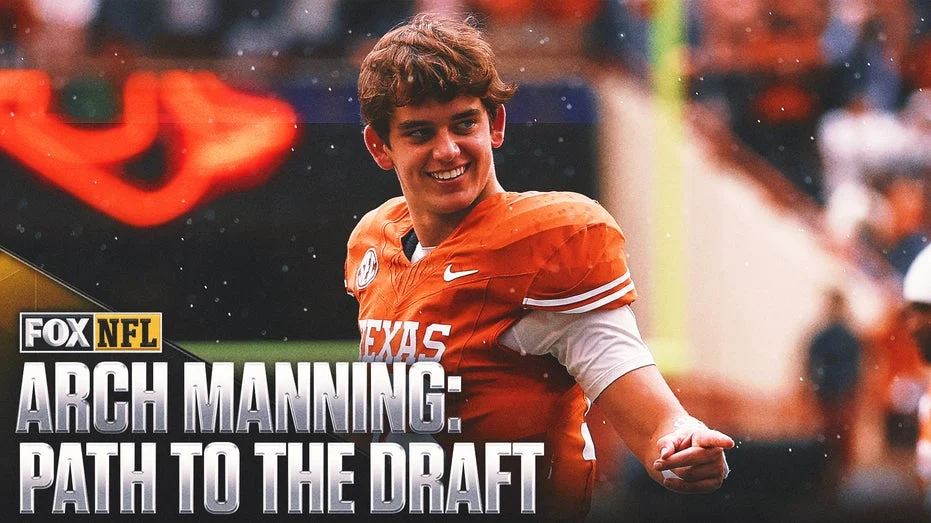
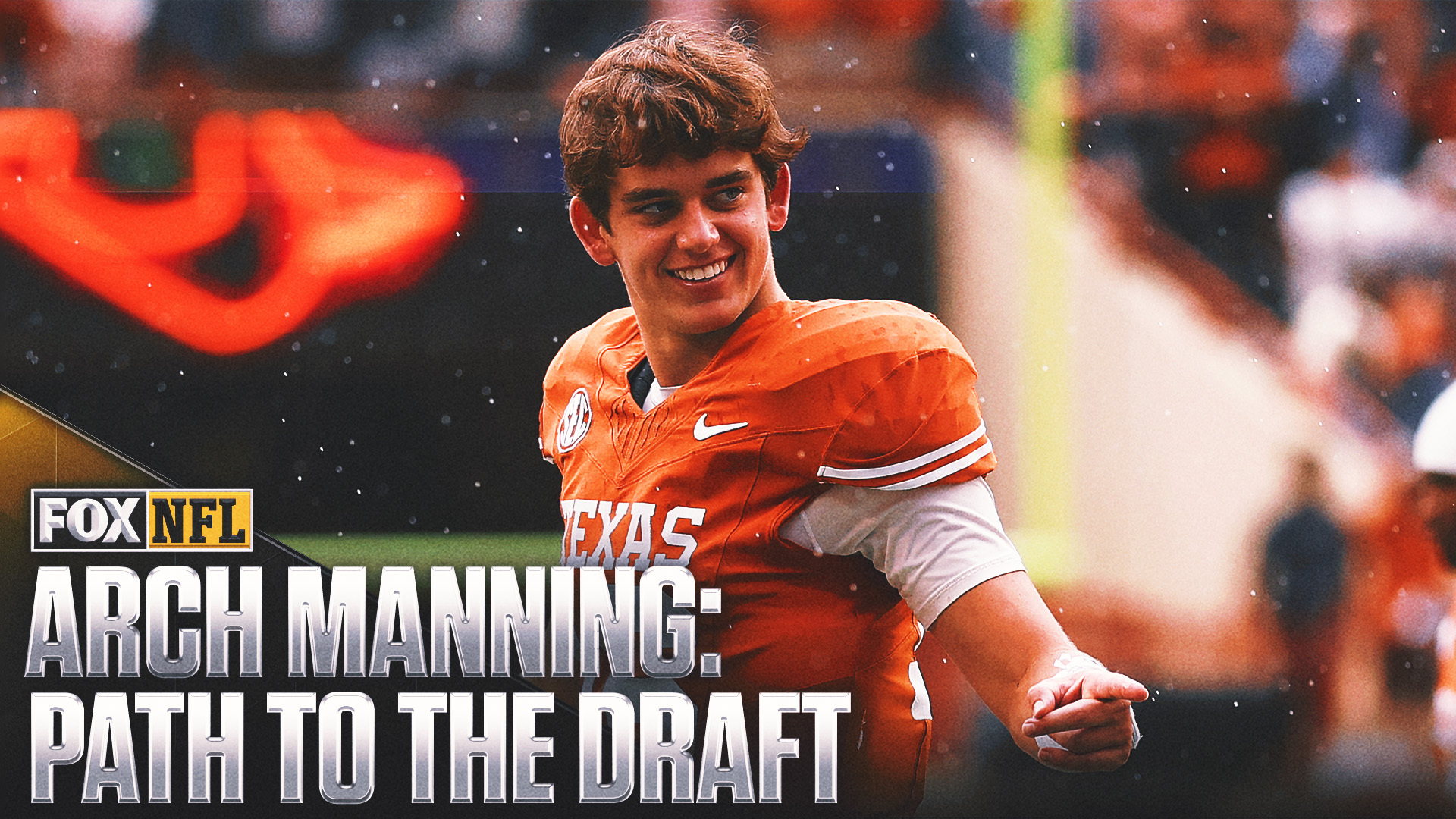
As Texas quarterback Arch Manning steps into his redshirt junior season, he finds himself at the epicenter of collegiate football’s fervent attention. Hailed as the nation’s most celebrated and scrutinized quarterback, his trajectory is inextricably linked to the anticipation surrounding the 2027 NFL Draft, where he is widely projected as a top prospect. However, the road to becoming the undisputed No. 1 overall pick is far from a foregone conclusion, even for a player blessed with his pedigree and talent.
Manning’s appeal is undeniable. He possesses a rare and coveted combination of physical attributes: an ideal frame, a strong arm capable of making every throw, and the mobility to extend plays and escape pressure. This potent athletic package is further amplified by his lineage; he is the latest scion of a football dynasty, with uncles Peyton and Eli Manning having already etched their names in NFL history, both as Super Bowl champions and No. 1 overall draft picks. This inherent connection to NFL royalty naturally fuels the dreams of quarterback-starved franchises eager to build their future around him. Yet, the question lingers: is it as simple as Manning, whose 2026 season commences Saturday against Texas State, "just staying healthy" to secure the distinction of being the top pick next spring? The reality, according to analysts and scouts, is significantly more nuanced.
In a draft class projected to be as rich and deep as the 2027 iteration, no prospect, not even one with Manning’s name recognition and talent, can afford to merely rely on their existing resume. This sentiment extends beyond the Texas signal-caller, encompassing other burgeoning stars like Ohio State phenom receiver Jeremiah Smith and a host of other highly-touted quarterbacks who will also be vying for prominence. The competitive landscape demands continuous improvement and a demonstration of growth in critical areas. For Arch Manning to ascend to the pinnacle of the 2027 NFL Draft, he must refine his game in three specific domains: mastering the quick game, enhancing his ability to work through progressions, and consistently delivering wins, particularly in challenging road environments.
1. Elevating the Quick Game:
While Manning’s long-ball prowess and ability to deliver throws under duress are undoubtedly his most eye-catching attributes, his performance in the short passing game requires significant attention. NFL scouts inherently gravitate towards quarterbacks who can accurately and efficiently distribute the football on shorter routes, understanding that this element is fundamental to modern offensive schemes. The perception that strong long-throwers will automatically excel in the quick game is often a misconception, and last season, Manning’s accuracy on these shorter throws was, at times, his weakest point.
The "quick game"—encompassing slants, bubble screens, and pop passes—has become as essential to football as the three-point shot is to basketball. Its importance has been amplified by the league’s increasingly potent pass-rushers and sophisticated defensive schemes designed to pressure quarterbacks relentlessly. The ability to get the ball out of the quarterback’s hands quickly and accurately is no longer a luxury but a necessity for sustained offensive success.
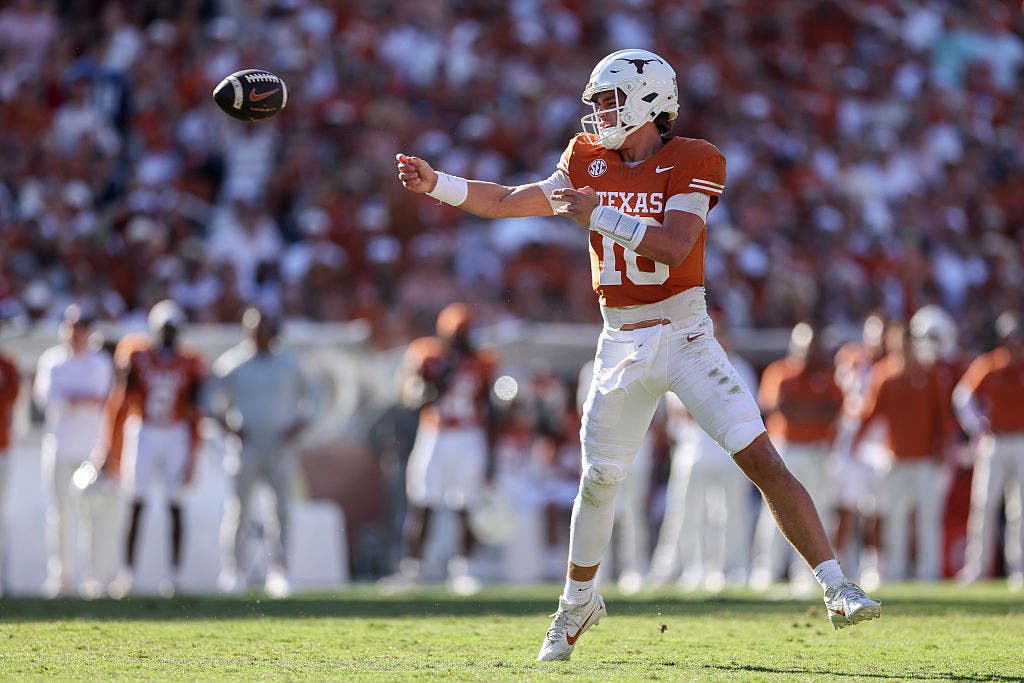
Quarterbacks operating from the shotgun formation, as Manning frequently did in 2025, are trained to receive the snap, immediately orient their feet towards the intended receiver, and spin the ball to ensure a secure grip on the laces. This process should culminate in a swift, powerful throw, delivered before the pass rush can effectively converge. Elite quarterbacks execute this sequence with a fluidity that makes it appear almost seamless, akin to an extended handoff.
Manning’s physical quickness in this regard is impressive; he is faster than many of his peers. However, technical inefficiencies plagued his execution last season. He often failed to synchronize his upper and lower body movements, neglecting to properly grip the laces or align his feet, which resulted in errant throws. This was compounded by a somewhat sloppy sidearm release, making it difficult for receivers to track the ball in flight. With less distance for the ball to travel, receivers found themselves adjusting to throws that arrived at inconsistent heights, often at chest level, but just as frequently at head or knee height, disrupting their ability to secure the catch.
This inconsistency in accuracy directly impacted the effectiveness of the Texas offense, contributing to a notable 22 charted drops by receivers, according to Pro Football Focus (PFF). Furthermore, it hampered opportunities for yards after the catch, as receivers were forced to adjust their routes or body positioning to make a play on the ball. The good news is that this is a coachable skill, one that many young quarterbacks grapple with. Manning did show improvement in this area throughout the 2025 season, demonstrating increased poise and precision. His continued development in this facet of his game will be crucial for his draft stock.
2. Sharpening Progression Reading and Decision-Making:
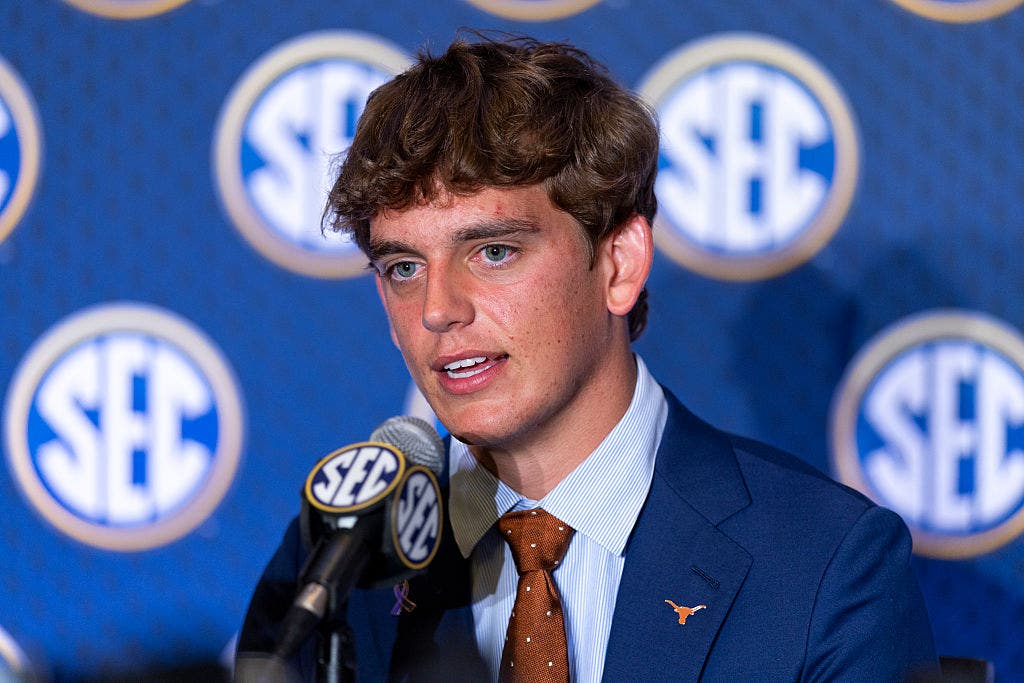
A recurring theme in Manning’s 2025 tape was his tendency to lock onto his primary target, forcing throws or resorting to scrambling. While his improvisational skills yielded some success, the level of competition in the NFL demands a more refined approach to reading defenses and working through progressions. This deficiency is difficult to quantify statistically, but a telling indicator lies in the number of passes batted down at the line of scrimmage.
According to PFF, Manning had 10 passes batted down last season. This figure is comparable to fellow first-year starter Ty Simpson of Alabama, who is notably shorter at 6-foot-1 and attempted 69 more passes than Manning. When compared to other highly-rated quarterbacks in the loaded 2027 draft class, Manning’s number stands out. In a way-too-early 2027 mock draft released in April, five quarterbacks were projected as first-round selections, and none of them registered double-digit batted passes. This includes highly-touted prospects like Notre Dame’s CJ Carr (four), Miami’s Darian Mensah (seven), and Oklahoma State’s Drew Mestemaker (eight).
While offensive linemen bear some responsibility for allowing pressure to reach the quarterback, a significant portion of batted passes can be attributed to the quarterback telegraphing his intentions. This allows defensive linemen to time their jumps effectively and potentially tip passes for interceptions. Manning’s prototypical height and a quick release are significant assets, yet the frequency of his passes being knocked down at the line of scrimmage, particularly within Steve Sarkisian’s shotgun-based offense, suggests a degree of inexperience.
NFL teams are generally willing to overlook "rookie mistakes" if they are perceived as learning experiences. However, to be considered the No. 1 overall pick, Manning must demonstrate a more advanced ability to scan the entire field, efficiently moving from his primary read to secondary and tertiary options, all while protecting the football. This involves developing a better understanding of defensive coverages and anticipating where the openings will be, rather than forcing the ball into tight windows.
3. The Imperative of Winning, Especially on the Road:
NFL teams place immense value on a quarterback’s ability to lead his team to victory. While scouts acknowledge the multifaceted nature of football, recognizing the impact of a struggling defense, turnovers by teammates, or an inadequate offensive line, they ultimately seek a signal-caller who can elevate his team. Beyond individual accolades like the Heisman Trophy, a quarterback destined for a top draft selection must consistently perform when the stakes are highest. Manning will undoubtedly be under the brightest spotlight as he aims to lead Texas to its first national championship in 21 years.
A compelling example of a quarterback whose stock soared due to clutch performances is Fernando Mendoza. His doubters were silenced after he guided the Indiana Hoosiers to a Big Ten title and a College Football Playoff berth, overcoming formidable opponents like Ohio State, Alabama, Oregon, and Miami. In those crucial five games, Mendoza completed an impressive 70.0% of his passes for 10 touchdowns and just two interceptions. His overall season statistics—72.0% completion, 41 touchdowns, and six interceptions—demonstrate remarkable consistency regardless of the opponent.
In stark contrast, Manning’s performance in Texas’s three losses last season was less stellar. He was intercepted in each of those defeats, and his statistics against Oregon, Florida, and Georgia—all road games—were notably less impressive: a 58.8% completion rate with a 4:4 touchdown-to-interception ratio. While his overall record in his other 10 starts was strong (22 touchdowns, three interceptions, 62.2% completion), the struggles in those key road contests raise questions about his ability to perform under adverse conditions.
Manning’s 2026 schedule offers limited opportunities to definitively shed any perceived "road demon" label during the regular season. Only three regular-season games are scheduled outside of Texas: at Tennessee, at Missouri, and at LSU. However, the remaining schedule is far from a cakewalk, featuring matchups against fellow preseason top-10 teams such as Ohio State, Oklahoma, Texas A&M, and Ole Miss. These games will undoubtedly present significant challenges.
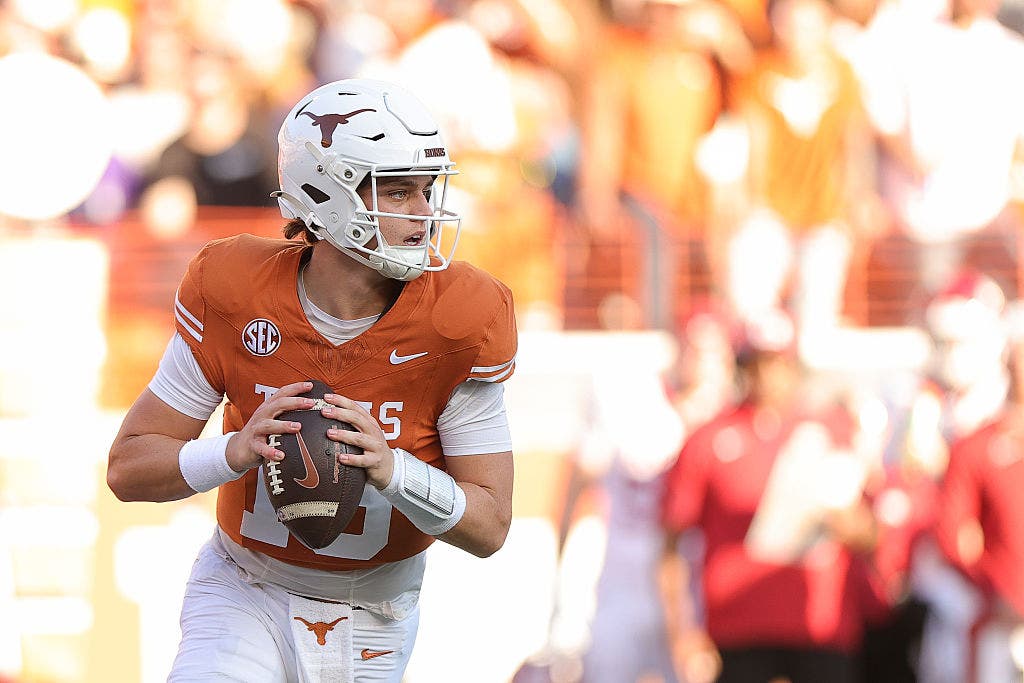
How Arch Manning navigates these high-pressure situations, particularly on the road against formidable opponents, will not only define the success of the 2026 Texas Longhorns but will also heavily influence his standing at the top of the 2027 NFL Draft. His ability to consistently elevate his play, make critical decisions, and lead his team to victory in the most demanding environments will be the ultimate litmus test for his potential as a franchise quarterback.
