
 By admin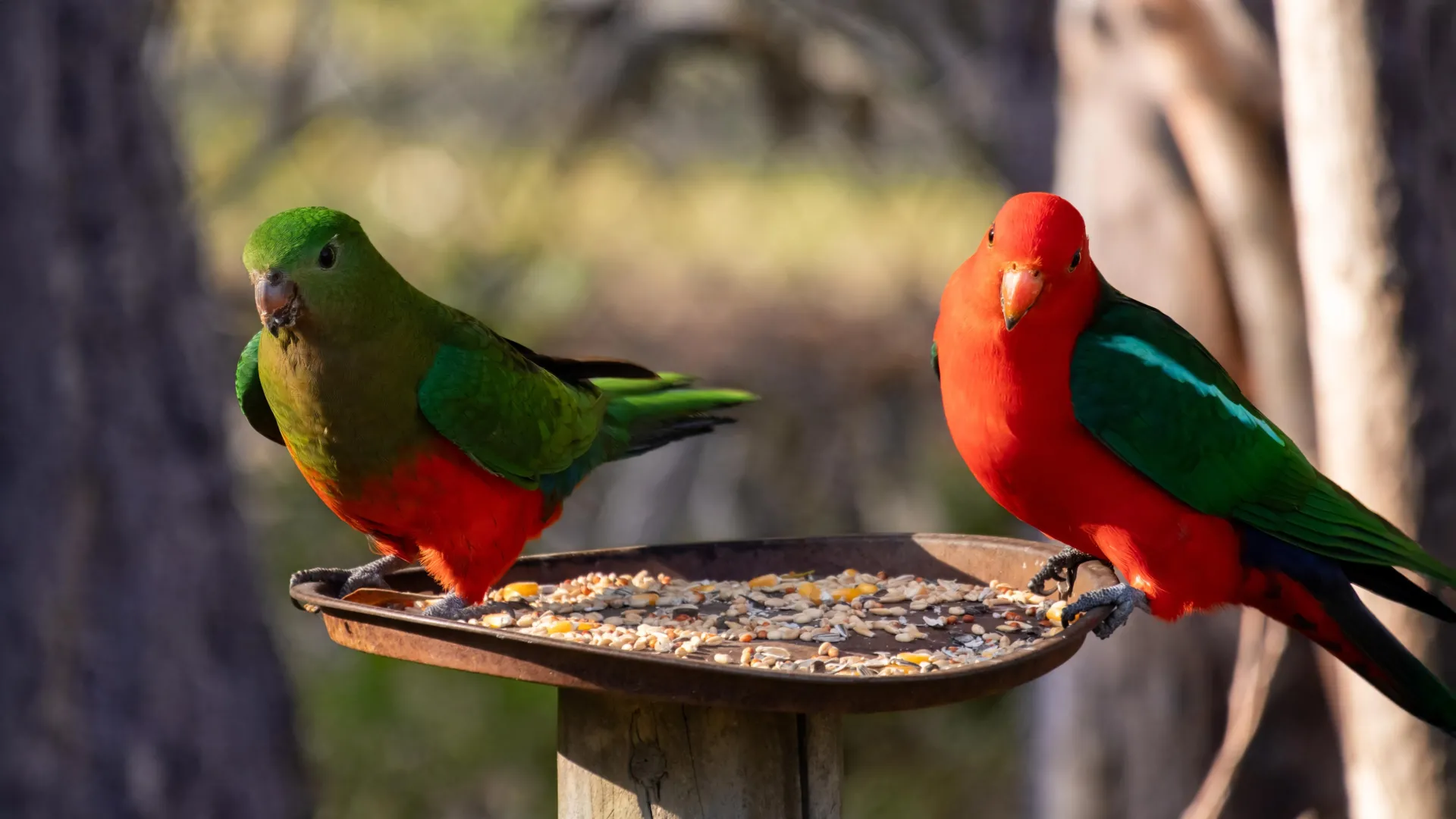
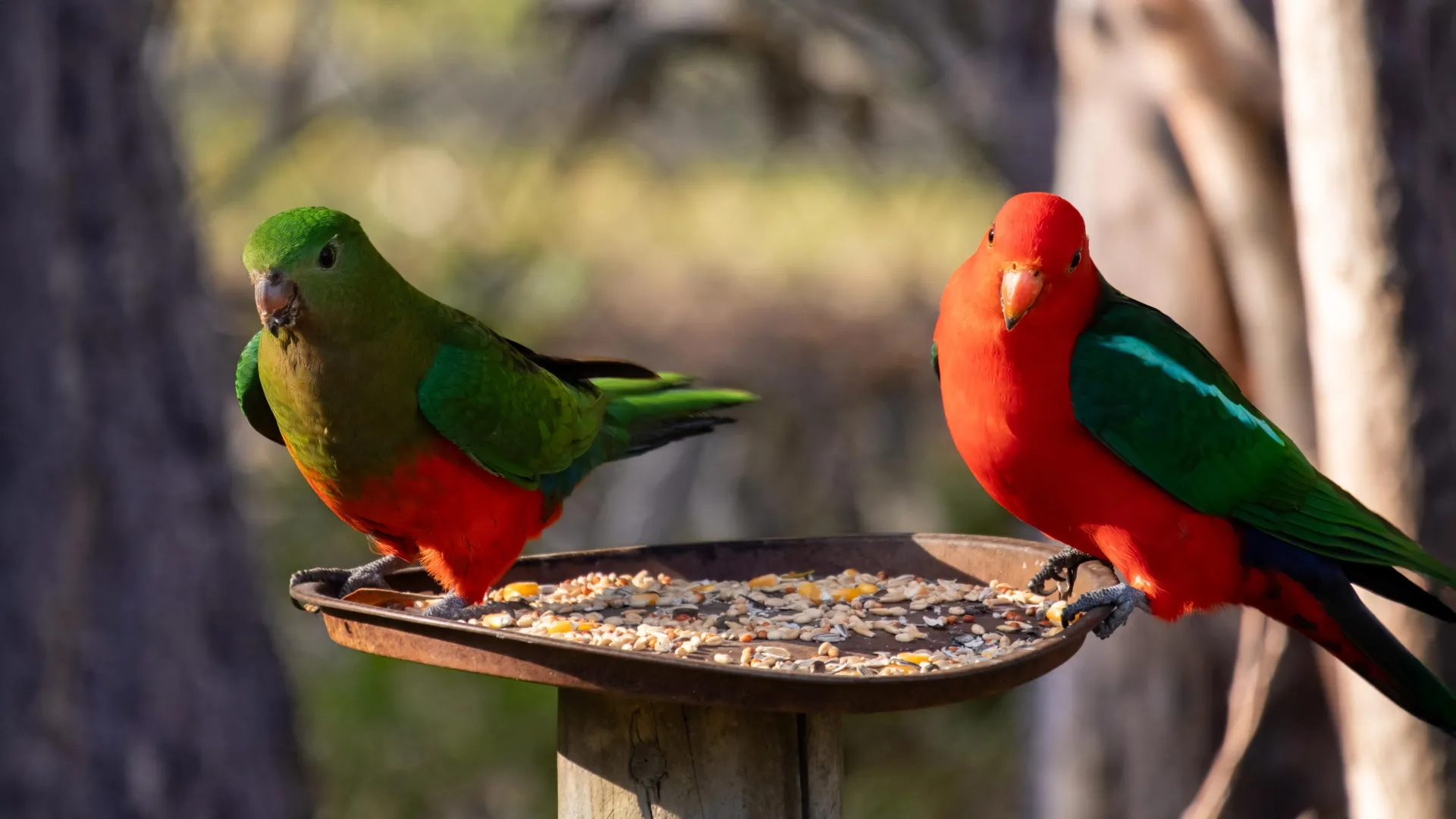
Backyard bird feeding, a cherished pastime for an estimated half of Australian households, often a daily ritual, is now under intense scrutiny. While offering a profound connection to nature for many, this seemingly innocuous practice has been identified by researchers as a potential "superspreader event" for the highly pathogenic H5N1 avian influenza virus. This deadly strain, which has already wreaked havoc on wild bird and mammal populations globally, has now firmly established itself in Australia, most recently claiming over 1,000 crested terns and marking a grim milestone with the first detected mainland mammal infection: a long-nosed fur seal. The implications for Australia’s unique and vulnerable biodiversity, as well as the broader ecosystem, are profound, challenging the long-held tradition of supplementary feeding and prompting urgent calls for reconsideration.
The arrival of H5N1 in Australia has ignited renewed debate around backyard bird feeding, a practice long controversial among conservationists due to concerns about unsuitable foods and the fostering of human dependency. However, the current threat elevates these concerns from ecological disruption to a direct public health and biodiversity crisis. Understanding why backyard bird feeding poses such a significant problem in the context of H5N1 and what safe practices, if any, remain viable, is paramount.
The Global Shadow of H5N1: A Pervasive and Evolving Threat
The H5N1 avian influenza virus is not new, but its recent evolution into a highly pathogenic avian influenza (HPAI) strain has transformed it into an unprecedented global pandemic for wildlife. Originating decades ago, the virus underwent significant genetic changes around 2020-2021, leading to a strain with increased transmissibility and virulence across a wider range of species. This new variant, often referred to as H5N1 clade 2.3.4.4b, has swept across Europe, Asia, Africa, and the Americas, causing devastating mortality events in wild bird populations, particularly waterfowl, seabirds, and raptors.
Beyond avian species, H5N1 has demonstrated an alarming capacity for spillover into mammals. Reports from around the world document infections in diverse mammalian hosts, including foxes, skunks, bears, seals, sea lions, and even domestic cats. These incidents raise concerns about the virus’s ability to adapt to new hosts and potentially evolve towards mammal-to-mammal transmission, a pathway that could increase its zoonotic potential. While human infections remain rare and typically associated with close, prolonged contact with infected poultry, the sheer scale of global spread and the increasing mammalian involvement underscore the need for extreme vigilance and robust biosecurity measures. The economic impact on the poultry industry globally has been immense, with millions of birds culled to prevent further spread.
H5N1’s Arrival in Australia: A Critical Turning Point
Australia, long considered a relative sanctuary from the most severe HPAI strains due to its geographic isolation, has now joined the ranks of affected continents. The recent detections of H5N1 in Australian wildlife represent a critical turning point for the nation’s biosecurity and conservation efforts. The mass mortality event involving over 1,000 crested terns is a stark reminder of the virus’s devastating efficiency in susceptible bird populations. These seabirds, often congregating in large colonies for breeding and roosting, are particularly vulnerable to rapid disease transmission once the virus is introduced. The ecological ramifications of such an event for local populations and food webs are significant.
Even more concerning was the detection of H5N1 in a long-nosed fur seal, marking the first confirmed case in a mainland Australian mammal. This incident echoes similar events overseas where marine mammals have been heavily impacted, likely through consuming infected bird carcasses or contaminated water. The presence of the virus in a mammalian host signals its broader ecological integration and increases the complexity of its management. Australia’s unique and often endemic wildlife, including numerous threatened species, faces an existential threat from a pathogen against which they have no natural immunity. The pathways of H5N1’s entry into Australia are still under investigation, but migratory bird movements and potential illegal imports are common considerations for such outbreaks.
Beyond a Hobby: Why Feeders Become Superspreader Hotspots
People are drawn to feeding wild birds for a variety of reasons, from providing perceived sustenance during lean times to simply enjoying the vibrant presence of avian visitors. Most individuals who engage in this practice genuinely care deeply about their feathered companions and believe they are offering beneficial aid. However, this altruistic intent often masks an unintended, dangerous consequence: the creation of disease transmission hotspots.
Feeding locations fundamentally alter natural avian dynamics. When humans offer supplementary food – be it seeds, bread, or meat scraps – they inadvertently attract an unnaturally high concentration of birds. Crucially, these gatherings often include multiple species that would typically not interact closely in the wild, or at least not in such dense numbers. Species with different ecological niches and social structures are forced into intimate proximity, sharing food, water, and perching surfaces. This artificial congregation acts as a perfect incubator and amplifier for pathogens like H5N1. An infected bird, even one showing no overt symptoms, can shed the virus through droppings, respiratory secretions, or contaminated food. Other birds then readily pick up the virus from these shared surfaces, initiating a rapid chain of infection.
This creates a "transmission hotspot" directly in residential backyards, turning a seemingly benign activity into a significant bioseosecurity risk. The close contact facilitates easy viral exchange, potentially leading to rapid spread through local bird populations. For Australia’s most threatened species, such as the critically endangered orange-bellied parrot, which faces numerous threats including habitat loss and small population size, even a localized H5N1 outbreak could be catastrophic, pushing them to the very brink of extinction.
The Wider Web of Risk: Mammals and Humans
The fatal effects of H5N1 are not confined to birds. Scavenger animals, which play a vital role in ecosystem clean-up, become a crucial link in the chain of transmission. Species like possums, red foxes, crows, raptors, and even feral cats can be exposed to the virus by devouring the carcasses of infected birds. This secondary infection pathway is particularly concerning as it introduces the virus into new ecological niches and raises the potential for further viral adaptation and evolution within mammalian hosts. The detection in the long-nosed fur seal underscores this risk, suggesting a wider ecological footprint for the virus once it enters an environment.
While human infection with H5N1 remains exceedingly rare, it is not impossible. Individuals in close contact with infected wildlife, such as dedicated wildlife carers, veterinarians, and poultry workers, face an elevated, albeit low, risk of contracting the virus. Globally, most human cases have been linked to direct, unprotected contact with sick or dead infected poultry. Typically, human infections cause mild symptoms, but severe cases and fatalities have occurred. Public health agencies in Australia, like the CDC, continuously monitor the situation, emphasizing the importance of minimizing direct contact with sick or deceased wildlife.
The Long-Standing Controversies of Bird Feeding
Even prior to the H5N1 crisis, backyard bird feeding was a subject of considerable debate among ornithologists and conservationists. The primary concerns revolved around:
- Unsuitable Foods: Many well-meaning individuals offer foods that are detrimental to birds’ health. Processed foods, bread, biscuits, high-salt items, and sugary treats lack essential nutrients and can lead to malnutrition, obesity, and digestive problems. Bread, for instance, can fill a bird’s stomach without providing necessary energy, leading to starvation.
- Dependency and Altered Behavior: Consistent feeding can lead birds to become reliant on human-provided food, altering their natural foraging behaviors. They may spend less time searching for natural food sources like insects, nectar, and seeds, which provide a more balanced diet and contribute to ecosystem services like pollination and pest control. This dependency can also make them vulnerable if the food supply is suddenly withdrawn.
- Hygiene and Other Diseases: Even without H5N1, crowded feeding stations are notorious for facilitating the spread of other diseases, such as salmonellosis, trichomoniasis (canker), and avian pox. Contaminated food, water, and surfaces, often fouled with droppings, create ideal conditions for bacterial and parasitic growth. Poor hygiene at feeders has long been a major cause of localized bird mortality.
- Increased Predation: Concentrated bird populations at feeders can also attract predators, both avian (e.g., raptors) and mammalian (e.g., domestic cats), increasing the risk of predation for the very birds people aim to help.
Stopping the Spread: Responsible Action is Key
Given the confluence of these long-standing issues with the acute threat of H5N1, backyard bird feeding, despite its popularity, could significantly exacerbate Australia’s current wildlife health crisis. The most effective and unequivocally safe strategy, endorsed by leading experts and conservation organizations, is to stop feeding wild birds altogether.
This recommendation stems from the understanding that wild birds are, by and large, self-sufficient. Extensive research, including previous studies in Australia, indicates that most birds visiting feeders obtain the majority of their nutritional needs from natural sources such as insects, worms, nectar, and native seeds. The food provided by humans is, in essence, a "snack," not an essential meal. By ceasing supplementary feeding, birds will naturally disperse, reducing the artificial congregations that facilitate disease transmission. Furthermore, it encourages birds to revert to natural foraging behaviours, which is healthier for them and the ecosystem.
For those who wish to continue supporting avian wildlife, there are far more beneficial and safer alternatives than direct feeding. These include:
- Planting native species: Creating a bird-friendly garden with native plants provides natural food sources (nectar, seeds, fruits, insects) and shelter.
- Providing clean water: A bird bath, regularly cleaned and refilled, offers a vital resource without the risks associated with food.
- Controlling predators: Keeping domestic cats indoors, especially during peak bird activity, protects birds from a significant threat.
However, if individuals choose to continue feeding wild birds, strict precautions are absolutely essential to minimize risk:
-
Offer Less Food: Much like the social distancing measures implemented during the COVID-19 pandemic, reducing the quantity of food offered will naturally attract fewer birds and discourage prolonged congregation. Feeders overflowing with seeds or scraps create an irresistible draw for large numbers, increasing the likelihood of H5N1 transmission. Providing smaller, infrequent amounts can reduce density and contact.
-
Avoid Hand-Feeding at All Costs: While the intimate act of a bird taking food from one’s hand can be a deeply rewarding experience, it presents a direct and unacceptable risk in the era of H5N1. Although human infection is rare, direct physical contact eliminates crucial barriers between species. It also accustoms birds to human presence, potentially making them more vulnerable to harm and altering their natural wariness. This practice must cease immediately for the safety of both birds and humans.
-
Maintain Scrupulous Hygiene: This is non-negotiable. Any feeding surfaces, bird baths, or equipment must be cleaned meticulously and regularly. A recommended practice is to clean them daily or every other day, using a diluted domestic bleach solution (e.g., 1 part bleach to 9 parts water). All surfaces should be scrubbed, rinsed thoroughly with clean water, and allowed to dry completely before reuse. It is crucial to wear gloves and eye protection during cleaning and to wash hands thoroughly afterwards. If you are not prepared to commit to this stringent level of hygiene, feeding birds should not be undertaken at all. The virus can survive on surfaces for varying periods, and proper disinfection is vital to break the transmission chain.
Backyard bird feeding, a source of joy and connection for countless Australians, now stands at a critical juncture. The presence of the H5N1 virus demands a re-evaluation of our interactions with wild birds. While your avian visitors may initially "complain" with fewer tasty treats or the complete cessation of feeding, these measures are not about depriving them, but about protecting them – and ourselves – from a deadly, rapidly spreading disease. Responsible action now is crucial to safeguard Australia’s precious biodiversity and public health.
IMPORTANT PUBLIC HEALTH MESSAGE:
Please do not touch sick or dead birds or marine mammals. Record the location, take photographs from a safe distance, keep pets away, and report the sighting to the Emergency Animal Disease Hotline on 1800 675 888 (Australia).
