
 By admin
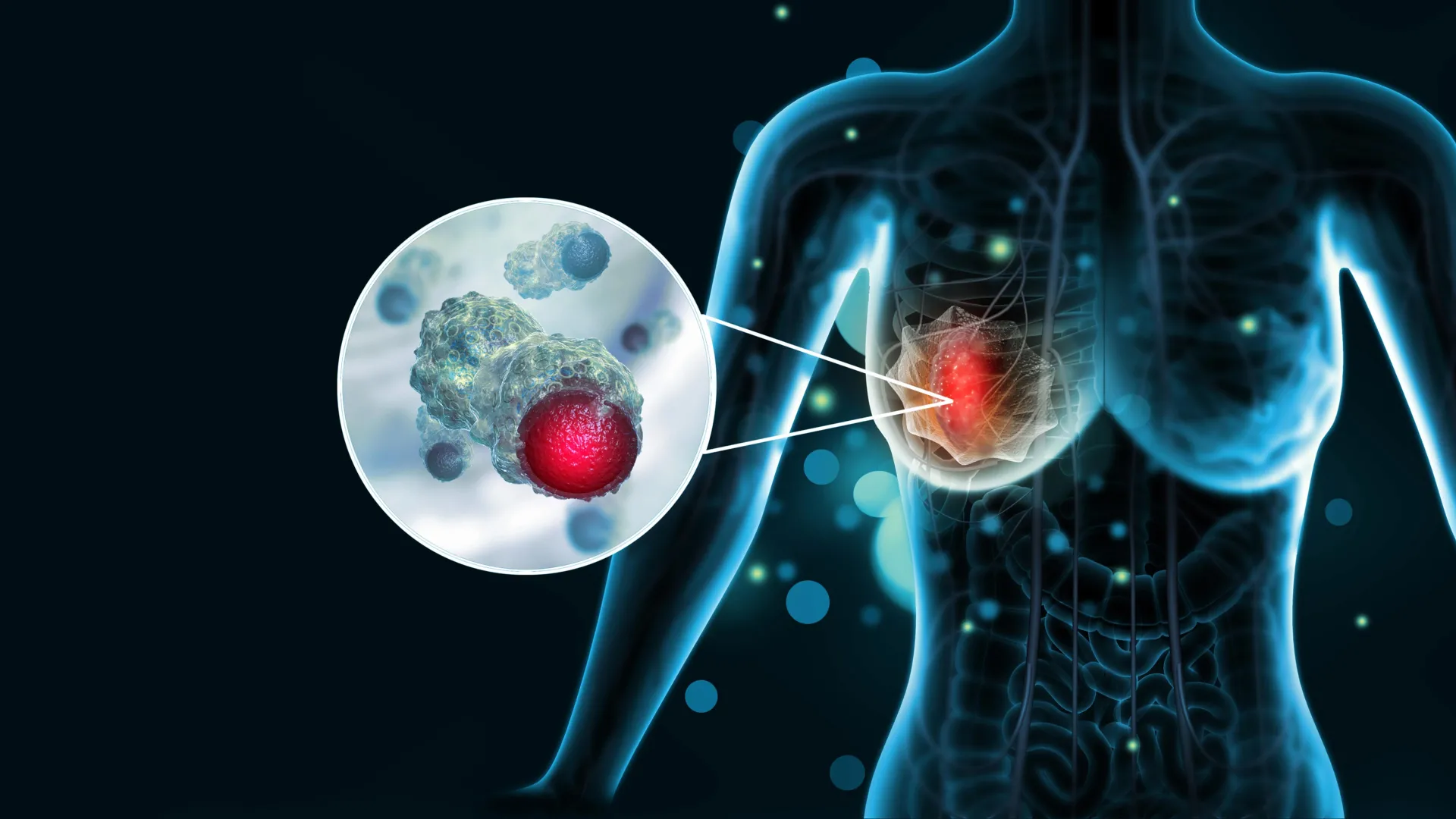
The research specifically identified a compelling connection between ER-negative breast cancer and two widely encountered per- and polyfluoroalkyl substances (PFAS): perfluorooctanoic acid (PFOA) and perfluorooctanesulfonic acid (PFOS). Women who exhibited greater concentrations of these persistent substances in their blood were significantly more likely to develop this aggressive form of cancer. Notably, the researchers found no clear statistical link between either chemical and the overall risk of breast cancer, suggesting a targeted impact on specific disease subtypes rather than a general oncogenic effect across all forms of the disease. This distinction underscores the nuanced way environmental chemicals can interact with biological systems, potentially influencing specific disease pathways.
Both PFOA and PFOS are members of the extensive PFAS chemical family, a group of synthetic compounds that have been utilized in a myriad of everyday consumer and industrial products for decades. These chemicals have earned the moniker "forever chemicals" due to their remarkable resistance to degradation in the environment and their ability to accumulate and persist in the human body for years, if not decades. Their ubiquitous presence stems from their unique properties, such as water and oil repellency, heat resistance, and friction reduction, making them ideal for applications ranging from non-stick cookware and water-repellent clothing to stain-resistant fabrics, food packaging, and specialized firefighting foams (AFFF).
"Women deserve clear answers about how chemicals in their environment may affect their health," said HHS Secretary Robert F. Kennedy, Jr. "This NIH study links two forever chemicals to a higher risk of ER-negative breast cancer and demands further investigation. Under President Trump’s leadership, we will pursue the evidence, confront environmental health risks, and give women the information they need to protect their health." This statement highlights the growing concern at the highest levels of government regarding the potential health implications of widespread chemical exposure and the commitment to understanding and mitigating these risks.
The Urgent Concern of Aggressive ER-Negative Breast Cancer
ER-negative breast cancer represents a particularly concerning subtype of the disease due to its distinct biological characteristics and clinical challenges. Unlike more common forms of breast cancer, ER-negative tumors lack the estrogen receptors that typically allow the hormone estrogen to stimulate cancer cell growth. This absence means that conventional hormone therapies, which are highly effective for ER-positive cancers, are rendered useless. Consequently, treatment options for ER-negative breast cancer are more limited, often relying heavily on chemotherapy, surgery, and radiation.
These cancers are frequently more aggressive, tend to grow and spread more rapidly, and generally have poorer outcomes compared to hormone-responsive tumors. Patients with ER-negative breast cancer often face higher rates of recurrence and metastasis, and the five-year survival rates are typically lower. Despite its severity and clinical importance, researchers still possess relatively limited information regarding the specific etiological factors that predispose an individual to develop ER-negative breast cancer. Known risk factors include genetic mutations (such as BRCA1), certain reproductive histories, and lifestyle factors, but a significant portion of cases remain unexplained. The new findings from the NIH study suggest that exposure to certain persistent environmental chemicals, such as PFAS, could be a previously underappreciated and potentially significant contributing factor, opening new avenues for understanding and prevention.
"Our findings, which we confirmed using a meta-analysis of prior research, indicate that certain legacy PFAS, including PFOA and PFOS, are associated with a higher risk of ER-negative breast cancer, a more aggressive tumor type with few known risk factors," explained NIH Stadtman Investigator Alexandra White, Ph.D., who spearheaded the study. The confirmation through meta-analysis is crucial, as it strengthens the confidence in the findings by demonstrating consistency across multiple independent studies. This robust scientific approach adds significant weight to the observed association. The compelling findings were subsequently published in the esteemed Journal of Clinical Oncology, a leading peer-reviewed journal in the field of cancer research, further validating the study’s rigor and significance.
Unpacking the Link: Higher Forever Chemical Levels and Increased Cancer Risk
To meticulously investigate the possible connection between PFAS exposure and breast cancer, NIH scientists, in collaboration with their research partners, analyzed blood samples that had been collected years before any participants received a cancer diagnosis. This prospective design is a cornerstone of strong epidemiological research, as it allows researchers to assess exposure levels prior to disease onset, minimizing the potential for reverse causation (where the disease itself might alter chemical levels).
The researchers measured the concentrations of 17 distinct PFAS chemicals in these archived blood samples. This comprehensive approach enabled them to compare earlier exposure levels of a wide range of PFAS compounds with subsequent breast cancer outcomes, providing a detailed picture of the chemical burden on individuals prior to diagnosis.
The results of this exhaustive analysis revealed substantial and statistically significant differences specifically for two of the legacy PFAS chemicals: PFOA and PFOS. Women categorized into the highest PFOA exposure group demonstrated a 67% higher rate of ER-negative breast cancer compared to women in the lowest exposure group. The association proved even more pronounced for PFOS, with the highest exposure group exhibiting a striking 93% higher rate of ER-negative breast cancer—nearly double that of the lowest exposure group. These percentages represent relative differences between the groups, illustrating a clear dose-response relationship where higher exposure corresponds to a greater risk. It is important to emphasize that these figures represent relative risk increases between groups, rather than the absolute probability that any individual woman will develop breast cancer. Furthermore, the findings establish a compelling statistical association, a critical step in scientific inquiry, but they do not, in themselves, constitute direct proof that these chemicals are the sole cause of the disease. Establishing causation typically requires a confluence of evidence from multiple types of studies, including mechanistic research.
The analytical foundation for this research leveraged invaluable data from the Sister Study, a monumental research project orchestrated by NIH’s National Institute of Environmental Health Sciences (NIEHS). Between 2003 and 2009, the Sister Study successfully enrolled an impressive cohort of 50,884 women, aged 35-74, hailing from diverse geographical locations across the United States and Puerto Rico. A unique and powerful aspect of the Sister Study’s design is that all participants were free of breast cancer at the time of enrollment, yet each had a full or half-sister who had already been diagnosed with the disease. This design enriches the cohort with individuals who may share genetic predispositions and environmental exposures relevant to breast cancer risk, making it an ideal platform for investigating such associations. For the specific PFAS investigation, researchers meticulously analyzed information from 1,609 women who subsequently developed breast cancer and compared their PFAS levels to a carefully selected control group of 2,269 women who remained cancer-free.
Modifying Exposure and Unraveling Mechanisms: A Path Forward
Despite the persistent nature of PFAS chemicals in both the environment and the human body, researchers emphasize that exposure is not necessarily unavoidable. This crucial insight suggests that the study’s findings could eventually inform the development of novel strategies to reduce the risk of aggressive breast cancer. Understanding that exposure is "potentially modifiable" offers a beacon of hope for public health interventions.
"These findings matter for women’s health broadly," stated first author Che-Jung Chang, Ph.D., who previously served as an NIH research fellow and is now a researcher at DLH, a scientific research organization. "Although PFAS are persistent in the environment and in our bodies, exposure to them is still potentially modifiable, meaning people can take steps to reduce their exposure, and these findings could open new avenues for prevention." Practical steps individuals can take include installing activated carbon filters for drinking water, being mindful of consumer products like non-stick cookware and stain-resistant textiles, and advocating for broader regulatory changes.
Beyond prevention, the researchers are deeply interested in elucidating the precise biological mechanisms through which these chemicals might influence cancer development. The observation that the strongest associations appeared in tumors that specifically lack estrogen receptors is particularly insightful. This suggests that PFAS might exert their carcinogenic effects through biological processes that are independent of, or distinct from, traditional hormonal signaling pathways.
Potential explanations for these non-hormonal mechanisms are numerous and complex. They could involve:
- Epigenetic alterations: Changes in gene activity without altering the underlying DNA sequence, such as DNA methylation or histone modification, which can silence tumor suppressor genes or activate oncogenes.
- Immune dysregulation: Interference with the immune system’s ability to recognize and destroy cancer cells, leading to chronic inflammation or an altered tumor microenvironment that promotes cancer growth and metastasis.
- Cell signaling pathway disruption: Interference with critical cellular processes involved in cell growth, proliferation, differentiation, and programmed cell death (apoptosis).
- Oxidative stress: The generation of reactive oxygen species that can damage DNA, proteins, and lipids, contributing to genomic instability and carcinogenesis.
- Metabolic disruption: Effects on lipid metabolism, glucose regulation, or mitochondrial function, which can create an environment conducive to cancer development.
However, it is vital to acknowledge that the current study did not directly investigate these intricate mechanisms, and thus, their definitive involvement remains an area for future, targeted research.
The Evolving Landscape of Forever Chemicals: Unanswered Questions and Future Directions
While PFOA and PFOS, often referred to as "legacy PFAS," have largely been phased out of production in many countries and replaced with newer PFAS compounds, their persistence ensures that measurable amounts of both substances are still detectable in the bodies of most people globally. Their remarkable resistance to degradation means that exposure to these older chemicals continues to be a significant public health concern, even decades after their primary manufacturing ceased. These chemicals can cycle through the environment, re-entering human exposure pathways through contaminated water, food, and dust.
The researchers advocate for additional investigations that should strategically focus on specific populations. This includes groups with historically greater PFAS exposure, such as those living near industrial sites or military bases where firefighting foams were extensively used, as well as populations that experience disproportionately higher rates of ER-negative breast cancer. Such targeted research could critically help to clarify the precise strength of the observed associations and definitively identify whether certain demographic or geographical populations face elevated risks, potentially guiding more effective screening and intervention strategies.
Furthermore, a pressing scientific and public health imperative is to determine whether the newer generations of chemicals introduced as replacements for PFOA and PFOS carry similar health concerns. These "next-generation" PFAS, such as GenX and PFBS, often have shorter carbon chains or different chemical structures, but their long-term health effects are largely unknown. The assumption that they are safer simply because they are replacements requires rigorous scientific scrutiny.
"More research is needed, particularly evaluating the risk of breast cancer associated with newer replacement PFAS chemicals," Dr. White emphasized. This highlights the ongoing challenge for regulatory bodies and scientists: keeping pace with chemical innovation and ensuring that replacement chemicals are thoroughly tested for safety before widespread introduction. The findings from this NIH study significantly contribute to the burgeoning body of evidence and growing questions surrounding the long-term health effects of "forever chemicals." They underscore the critical importance of understanding how pervasive environmental exposures may contribute to the development of aggressive and difficult-to-treat forms of breast cancer, thereby informing both personal health choices and comprehensive public health policy.
The research received vital support from NIEHS grants Z01ES044005; Z1AES103332; and R01ES032831, underscoring the federal commitment to unraveling the complex interplay between environmental factors and human health.
