
 By admin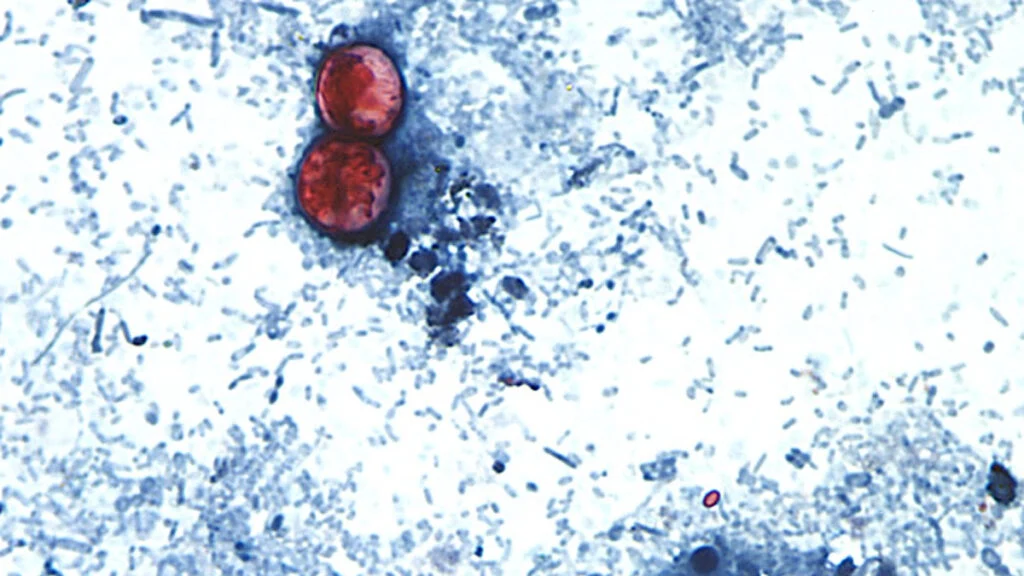
The United States is currently facing a burgeoning public health challenge as federal health officials from the Food and Drug Administration (FDA) and the Centers for Disease Control and Prevention (CDC) initiate a formal investigation into a newly identified outbreak of cyclosporiasis. As of the most recent update on Wednesday, the outbreak has officially sickened at least 72 individuals across various regions, raising alarms within the food safety community. This new cluster of illnesses represents a significant concern for health authorities, particularly because the specific food vehicle responsible for the transmission of the parasite has not yet been identified. While the investigation is in its nascent stages, the lack of a clear source means that the risk to the general public remains active, as potentially contaminated products may still be on grocery store shelves or in restaurant kitchens.
The FDA’s Coordinated Outbreak Response and Evaluation (CORE) team is currently spearheading the effort to trace the origins of these 72 cases. Unlike some previous outbreaks where a specific brand or grocery chain is identified early through epidemiological data, this current situation remains shrouded in uncertainty. Officials have not yet disclosed the geographic distribution of the cases, nor have they released a list of suspected food items. The Associated Press has reached out to the FDA for additional granular data regarding the demographics of those affected and the specific states involved, but the agency has remained cautious, citing the ongoing nature of the traceback investigation.
This new investigation comes at a time when federal and state authorities are already stretched thin, managing a separate, multistate outbreak of the same parasite. That earlier outbreak has been more definitively linked to iceberg lettuce harvested and processed by Taylor Farms, a major supplier in the produce industry. The Taylor Farms investigation specifically focused on lettuce grown in central Mexico, which led the company to issue a voluntary recall of certain products last week. While the two outbreaks involve the same pathogen—Cyclospora cayetanensis—it is currently unclear if there is any logistical or agricultural link between the Taylor Farms recall and the 72 new cases currently under review.
To understand the severity of these outbreaks, one must examine the nature of the pathogen itself. Cyclospora cayetanensis is a microscopic, unicellular parasite that causes an intestinal infection known as cyclosporiasis. Unlike many bacterial pathogens that can be spread through various means, Cyclospora is unique in its transmission route: it is traditionally spread when food or water becomes contaminated with human feces. This most commonly occurs in agricultural settings where irrigation water is drawn from sources that have been compromised by sewage or where field workers lack access to adequate sanitation facilities.
The biological lifecycle of Cyclospora adds a layer of complexity to public health investigations. When the parasite is first passed in a human bowel movement, it is not immediately infectious. It requires days or even weeks outside of the host, under specific environmental conditions, to undergo a process called sporulation. Once the oocysts have sporulated, they become infectious. This delay means that direct person-to-person transmission is highly unlikely; instead, the parasite is almost always a "hitchhiker" on fresh produce, particularly items that are consumed raw, such as berries, basil, cilantro, and various types of leafy greens.
The symptoms of cyclosporiasis are often described as grueling and persistent. According to the CDC, the most hallmark symptom is watery diarrhea, which can be "frequent and sometimes explosive." However, the clinical picture often includes a range of other gastrointestinal distresses, including loss of appetite, significant weight loss, stomach cramps, bloating, increased gas, nausea, and extreme fatigue. In some cases, patients may also experience vomiting, body aches, headaches, and a low-grade fever. If left untreated, the illness can last from a few days to a month or longer, and it is common for symptoms to seemingly remit only to return in a cyclical fashion, which can lead to severe dehydration and long-term exhaustion.
The challenge for healthcare providers lies in diagnosis. Because the symptoms of cyclosporiasis often mimic those of viral gastroenteritis or common bacterial food poisoning, doctors may not initially test for parasites. Standard stool cultures often miss Cyclospora unless a specific "ova and parasite" (O&P) test is requested or a highly sensitive molecular test, such as a Polymerase Chain Reaction (PCR) panel, is utilized. This diagnostic gap often leads to a delay in reporting, which in turn hampers the ability of federal officials to conduct timely traceback investigations. By the time a cluster of cases is identified, the contaminated produce—which usually has a short shelf life—has often already been consumed or discarded.
Historically, Cyclospora outbreaks in the United States were once linked primarily to international travel. However, since the 1990s, the U.S. has seen a marked increase in domestic outbreaks linked to imported fresh produce. There is a distinct seasonality to these cases, with the majority of illnesses occurring during the spring and summer months. This trend is often tied to the harvest cycles of specific regions in Latin America and Southeast Asia, though domestic sources have also been implicated in the past.
The current focus on Taylor Farms and the separate investigation into the 72 new cases highlights the vulnerabilities in the global food supply chain. The recall of iceberg lettuce grown in central Mexico underscores the difficulty of maintaining rigorous sanitary standards across international borders. While the FDA has implemented the Food Safety Modernization Act (FSMA) to enhance oversight, the sheer volume of produce imported into the U.S. makes 100% inspection impossible. Instead, the agency relies on a combination of foreign supplier verification programs, occasional border testing, and rapid response when outbreaks occur.
Experts in food safety emphasize that once Cyclospora contaminates a crop, it is incredibly difficult to remove. The parasite’s outer shell is rugged, making it resistant to many common chemical disinfectants, including chlorine washes that are standard in the produce processing industry. This is why the advice from health officials often focuses on prevention at the source rather than remediation at the consumer level. While washing produce at home is always recommended to remove dirt and reduce bacterial load, it is often insufficient to dislodge or kill Cyclospora oocysts that have adhered to the nooks and crannies of leafy greens or the textured surfaces of berries.
For those concerned about the risk of infection, the CDC and FDA offer several layers of advice. First and foremost is the importance of hand hygiene. Washing hands with soap and warm water for at least 20 seconds after using the bathroom, changing diapers, or handling animal waste is critical, as is washing hands before and after preparing food. For the produce itself, while washing may not be a foolproof solution against Cyclospora, it remains a vital step in overall food safety. However, the only definitive way to kill the parasite is through heat. Experts suggest that cooking produce to an internal temperature of at least 158 degrees Fahrenheit (70 degrees Celsius) will neutralize the parasite. Of course, this presents a culinary challenge, as many of the items most frequently associated with Cyclospora—like lettuce, cilantro, and raspberries—are rarely cooked.
The economic impact of such outbreaks is also substantial. Beyond the direct medical costs and lost productivity of the sickened individuals, the agricultural sector faces massive losses. Recalls like the one initiated by Taylor Farms can result in millions of dollars of wasted product and a significant blow to brand reputation. Furthermore, when the FDA is unable to identify a specific source—as is the case with the 72 new illnesses—consumers often react by avoiding entire categories of produce, which can unfairly penalize farmers whose products are perfectly safe.
As the investigation into the 72 cases continues, federal officials are expected to utilize advanced genomic sequencing and "big data" analytics to find commonalities among the patients. This involves interviewing every affected individual about their "food history" in the two weeks prior to getting sick—a difficult task given the fallibility of human memory. Investigators will look for common grocery stores, restaurants, or specific ingredients that appear across the board. If a common link is found, the FDA will then work backward through the supply chain, examining shipping manifests, invoices, and harvest records to find the "point of convergence."
In the interim, the public is advised to stay informed through official channels. The FDA’s outbreak investigation table is updated regularly, and any specific product recalls will be announced immediately to the media. For now, the 72-person outbreak serves as a stark reminder of the complexities of modern food safety and the persistent threat posed by microscopic pathogens that can bypass even the most sophisticated industrial safeguards. As the investigation unfolds, the priority remains identifying the source to prevent further illnesses and ensuring that the American food supply remains as secure as possible against the invisible threat of Cyclospora.
