
 By Titik Puspa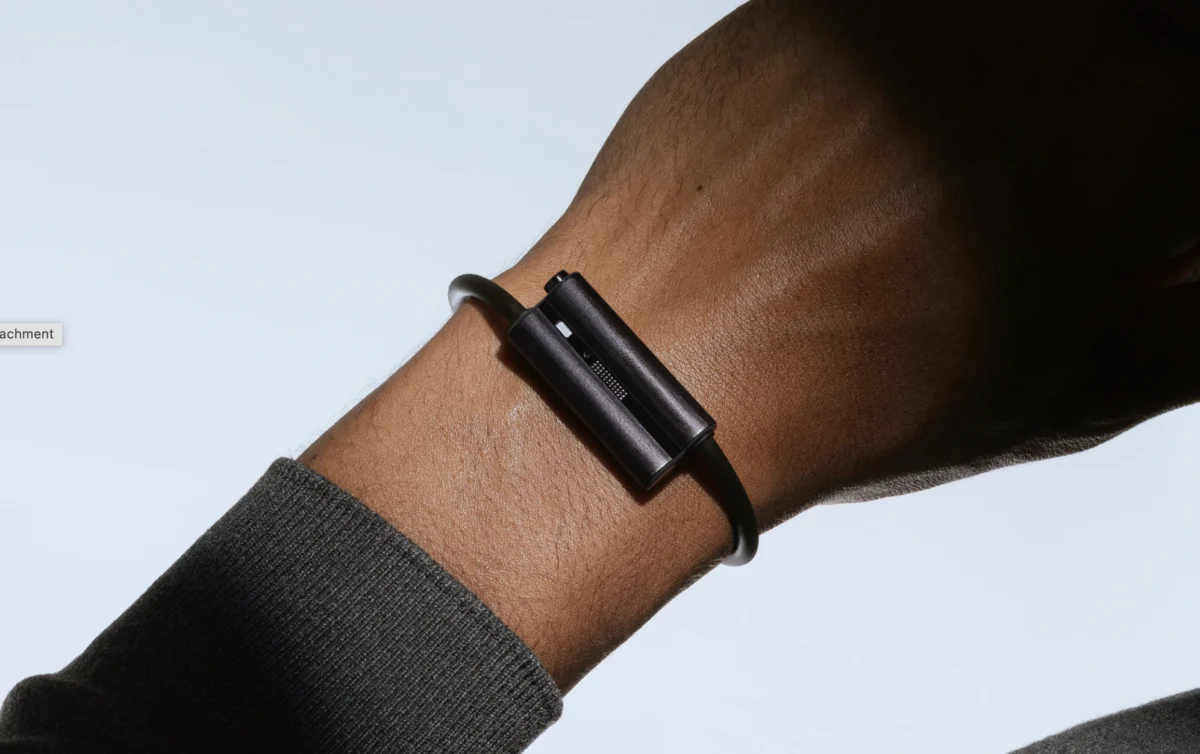
Luffu, the ambitious new venture from the visionary minds behind Fitbit, James Park and Eric Friedman, has officially unveiled Luffu Link, a groundbreaking LTE-enabled health and safety band poised to redefine family care. Launched on Tuesday, this innovative wearable is meticulously engineered to provide comprehensive, round-the-clock monitoring of an individual’s well-being, encompassing both physical and mental health. The Luffu Link seamlessly integrates advanced all-day health sensing capabilities, sophisticated voice logging, precise location awareness, and a direct line to trusted contacts for immediate assistance, all within a single, phone-free device. This pioneering technology promises to offer peace of mind to families by ensuring loved ones are cared for, even when physical proximity is not possible.
Currently available for pre-order at an attractive introductory price of $250, Luffu Link is slated to begin shipping in early 2027. The device will be offered in three elegant color options: Halo Gold, Onyx Black, and Sterling Blue, allowing users to choose a style that best suits their personal aesthetic. This launch marks a significant stride in Luffu’s overarching mission to establish an intelligent, interconnected family care system. The Luffu Link acts as a powerful extension of the company’s AI-driven Luffu health-monitoring app, which was introduced earlier this year. The app, a testament to Luffu’s commitment to leveraging cutting-edge technology, operates discreetly in the background, diligently gathering and organizing crucial family health information. By learning daily patterns and proactively flagging notable changes in well-being, the app empowers families to stay in sync and address potential health concerns before they escalate, fostering a more proactive and supportive approach to caregiving.
The genesis of Luffu stems directly from the personal experiences of co-founders James Park and Eric Friedman, who, like many, have navigated the complexities of caring for their own families and aging parents. Their firsthand understanding of the challenges and emotional toll associated with caregiving fueled their desire to create a solution that offers a clearer, more comprehensive picture of a loved one’s health without the need for constant, intrusive check-ins or the feeling of being perpetually monitored. Park articulated this sentiment during a candid interview with TechCrunch, stating, "When you become a family caregiver, or the CEO of the family, these people are spending an enormous amount of time doing it. Research shows over 27 hours a week on average, which is a crazy amount of time… I think technology can play a big role in helping reduce this load, but as we found out, the tools to help them are pretty fragmented." This profound insight underscores the critical need for a unified and intelligent solution like Luffu Link.

Luffu Link empowers users to capture vital information in the moment through simple voice commands. A quick press of a button allows individuals to log updates regarding medications, symptoms, meals, mood, or even set personal reminders. This data is then seamlessly processed by the Luffu app, which intelligently organizes it and integrates it into the broader family health context. The company envisions Luffu Link as an indispensable tool for a diverse range of users, including family caregivers seeking to stay informed about their loved ones, independent older adults who desire enhanced safety and connectivity, and health-conscious individuals who proactively want to manage their well-being and ensure their families are aware of any significant changes.
Beyond its voice-logging capabilities, the Luffu Link continuously collects a comprehensive suite of standard health and wellness data. This includes metrics such as daily activity levels, sleep patterns, resting heart rate, calories burned, heart rate variability (HRV), and breathing rate. This rich dataset allows the Luffu system to identify daily patterns, meticulously track changes over time, and provide users and their designated contacts with personalized insights and timely alerts. Park elaborated on the device’s sophisticated data analysis, explaining, "Link does a lot of what a typical health tracker would do, but it’s not just about tracking. It’s about what Luffu does with that data. It’s looking for patterns, so maybe your activity has been unusually low."
This intelligent analysis goes beyond mere data aggregation. Park further explained, "Maybe your sleep patterns have changed. Maybe that change happened after a new medication. So it’s looking at all this data, and it’s not to give families another dashboard full of graphs – I designed a lot of that at Fitbit – it’s to help answer some key questions like ‘what changed? Does it matter? Does somebody need to know?’ And people can just continue to live their life without feeling like they’re being constantly monitored." This focus on actionable insights, rather than overwhelming data displays, is a key differentiator for Luffu Link.
The Luffu Link incorporates built-in GPS technology, providing trusted contacts with real-time updates on the wearer’s location. This includes historical location data and alerts when the wearer enters or leaves predefined safe zones. In moments of need, a simple double-press of a button allows the wearer to discreetly check in with family members without the need to initiate a phone call or send a text message. Furthermore, the integrated LTE connectivity ensures that wearers can send an urgent help request even when they are without their phone. Importantly, the LTE data service is included as part of the Luffu ecosystem, eliminating the need for separate carrier plans and simplifying the user experience.

To illustrate the practical application of this feature, consider a scenario where a wearer experiences a fall and injures themselves. They can press the help button and verbally communicate, "I fell and hurt my wrist. Can someone come get me?" The Luffu Link will then instantaneously transmit this voice message, along with the wearer’s precise location, remaining battery level, and crucial health data such as their current heart rate and recent activity levels, directly to their designated trusted family members. This immediate and comprehensive dissemination of information can be critical in ensuring a swift and appropriate response.
Luffu distinguishes its Link device from other screenless wearables currently available on the market. While many existing devices focus primarily on individual health and fitness tracking, the Luffu Link is purposefully designed with a central emphasis on everyday health management and fostering deeper family connections. Park highlighted this deliberate design choice, stating, "There’s a trend to have no screens on this new class of wearables, but here, it’s very purposeful. We want to be in the background. Link is designed to be on your wrist as a quiet guardian throughout your day, and we also wanted to make this feel nothing like a traditional wearable, nothing like a generic-looking fabric brand or a wrist thing with a screen or a bulky pendant that you’re wearing for emergency purposes. So, the device takes a lot of cues from jewelry." This aesthetic consideration ensures that the Luffu Link is not only functional but also discreet and fashionable, integrating seamlessly into the wearer’s daily life without drawing undue attention.
Looking ahead, Luffu has also teased plans for a forthcoming home device that will further extend the intelligent family care system into the domestic environment. This development signifies Luffu’s ongoing commitment to creating a holistic ecosystem that supports families across various aspects of health and well-being. While the Luffu Link is currently available for pre-order at a promotional price of $250, its anticipated retail price is $300, reflecting the advanced technology and comprehensive features it offers. This pricing strategy allows early adopters to benefit from a discounted entry point while positioning the product for broader market appeal upon its official release. The overarching goal remains to democratize access to advanced family care technology, making it more accessible and beneficial for a wider range of households.
