
 By Titik Puspa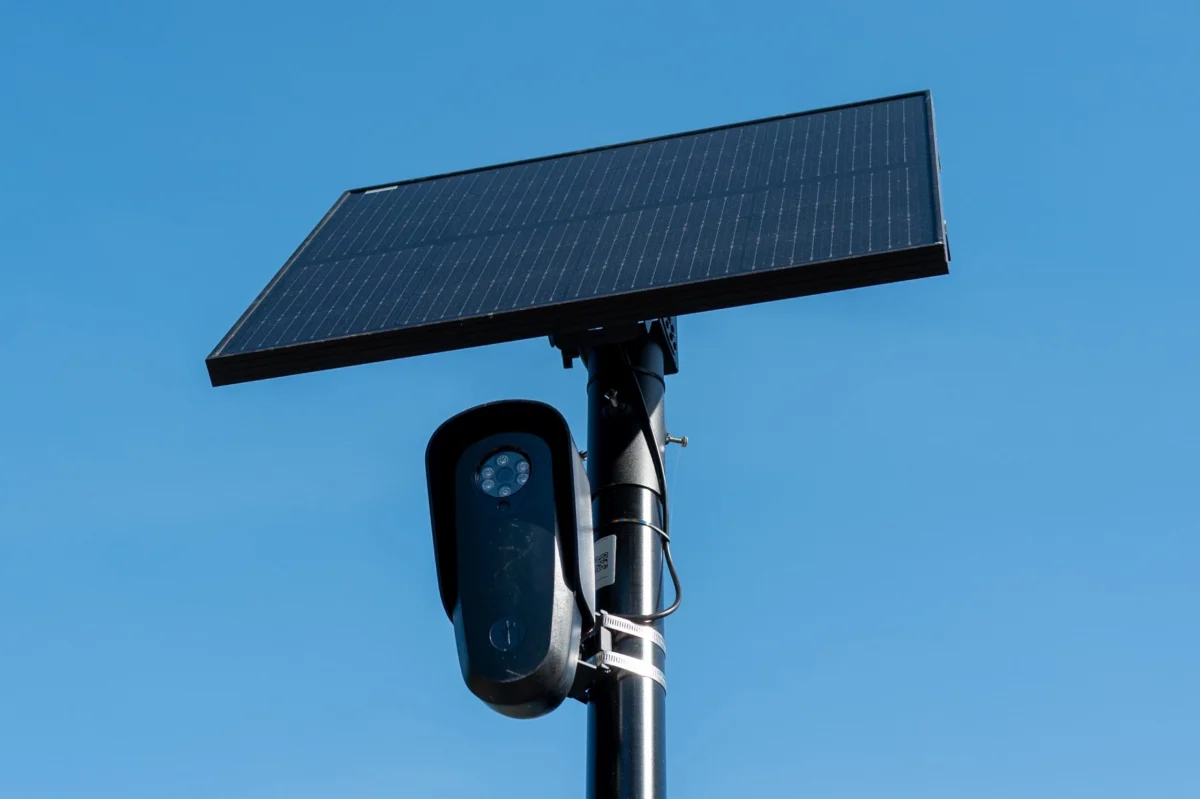
In an era increasingly defined by the tension between public safety and individual privacy, Flock Safety CEO Garrett Langley has articulated a compelling argument for a national consensus, urging the country to find a crucial "compromise" between these two fundamental values. Speaking during a recent interview with Fox News, Langley emphasized that an exclusive focus on either privacy or safety represents a misprioritization, stating, "When people talk about just one of these, privacy or safety, they’re prioritizing the wrong thing, and what we have to prioritize as a country is compromise. How do we have our safety, and how do we balance privacy?" This call for balance comes at a critical juncture for Flock Safety, a company whose burgeoning network of surveillance cameras, drones, and license plate recognition (LPR) technology has become the focal point of significant public concern and a burgeoning political debate.
The company’s omnipresence, facilitated by its partnerships with homeowners’ associations and law enforcement agencies, has fueled anxieties about potential misuse and overreach. These concerns are not merely theoretical anxieties; they are increasingly grounded in documented instances of abuse. A recent investigation by The Washington Post brought to light a startling statistic: 46 cases where police officers have allegedly exploited Flock’s technology for unauthorized and deeply personal purposes, including stalking ex-partners, wives, and girlfriends. These revelations have amplified existing fears about the potential for a pervasive surveillance infrastructure to become a tool for personal vendettas and harassment, undermining the very safety it purports to enhance.
Langley himself has acknowledged the gravity of these accusations, expressing profound regret. In a candid interview with CBS News, following his exposure to the harrowing account of one alleged victim, he stated, "I apologize. It kills me that she went through that." However, he simultaneously sought to frame Flock Safety’s role as that of an unintentional enabler rather than a direct perpetrator of abuse. "I don’t think that Flock created police abuse," Langley asserted. "I think we’re the first company to ever shine a light on it and build the tools to find it." This perspective suggests that while the technology itself may be neutral, its implementation by individuals within law enforcement raises critical questions about oversight, accountability, and the ethical boundaries of surveillance.
The controversy surrounding Flock Safety has transcended partisan divides, emerging as a potent issue capable of galvanizing action from both the left and the right of the political spectrum. This bipartisan concern mirrors the growing public apprehension surrounding data centers, which have also become a significant point of contention in recent political discourse.
On the progressive side, political figures have vocally criticized the widespread deployment of Flock’s technology. Abdul El-Sayed, the Democratic Senate nominee in Michigan, has directly challenged his opponent, Mike Rogers, accusing him of endorsing "this mass proliferation of Flock cameras, any and everywhere, watching your every move to collect information without you even noticing." Similarly, Senator Bernie Sanders of Vermont has taken to social media, posting a stark message: "STOP AI MASS SURVEILLANCE. STOP FLOCK." These statements reflect a deep-seated concern among progressive voters and policymakers about the erosion of privacy in an increasingly digitized and surveilled society, particularly in relation to the perceived unchecked expansion of artificial intelligence-powered surveillance systems.
The conservative flank has also signaled its opposition, albeit through legislative action. A coalition of three House Republicans has introduced a bill aimed at curtailing the federal government’s acquisition of advanced surveillance systems. This proposed legislation specifically targets automated surveillance technologies that employ facial recognition, biometric identification, and license plate recognition, explicitly naming "a Flock Safety camera" as an example of the systems to be prohibited. This move indicates a growing recognition within the Republican party that while national security is paramount, the unfettered deployment of such technologies poses risks that warrant federal oversight and potential restrictions, particularly concerning the scope of government surveillance capabilities.
In response to the mounting pressure and the demonstrable instances of misuse, Flock Safety has implemented some changes to its operational policies. The company has reduced its default data retention period from 30 days to seven days, a move intended to mitigate the risk of prolonged data storage. Additionally, access to data now requires the entry of a case code, an effort to introduce a layer of procedural accountability. However, critics argue that these measures fall short of addressing the core issues. The ACLU, in its assessment of Flock’s announced changes, noted that while the reduction in data retention might be a step in the right direction, it does not meet their recommended 48-hour limit. Furthermore, the ACLU expressed skepticism about the efficacy of these changes, stating, "Whether this is a real change or just another Flock PR move, however, will depend on how its ‘Evidence Mode’ operates." The "Evidence Mode" feature, which allows law enforcement to extend data retention beyond the new default period, has been identified as a potential loophole that could undermine the intended privacy safeguards.
Langley, for his part, has suggested that the responsibility for preventing the illegal use of Flock data lies not solely with his company, but also with legislative bodies. He has advocated for state regulators to "pass bills that make [the illegal use of Flock data] a criminal offense." During his Fox News interview, he reiterated the company’s commitment to reform, highlighting the changes already made, while also acknowledging the current regulatory vacuum. "Today, it is too often that in Flock and in other technologies, there’s no regulation. There’s no accountability, and we think that’s wrong," he stated, signaling a willingness to engage in constructive dialogue about the need for clearer legal frameworks governing surveillance technology.
The debate over Flock Safety’s technology is far from over. The company’s pervasive presence, coupled with documented instances of misuse and growing political opposition, underscores the complex societal challenges posed by advanced surveillance. As the country grapples with these issues, the call for a balanced approach, one that safeguards both security and civil liberties, will likely intensify. The upcoming TechCrunch Disrupt conference in October will feature a discussion with Garrett Langley, where further insights into his perspective on the future of surveillance and Flock Safety’s role within it are anticipated. This platform will undoubtedly serve as a crucial venue for continued public discourse and scrutiny of a technology that is rapidly reshaping the landscape of public safety and private life. The implications of this ongoing debate extend beyond Flock Safety, touching upon the broader societal implications of ubiquitous surveillance technologies and the urgent need for robust ethical guidelines and regulatory frameworks to ensure that technological advancements serve, rather than subvert, democratic values. The path forward requires a nuanced understanding of both the potential benefits of these tools in crime prevention and the inherent risks they pose to individual freedoms, demanding a comprehensive and inclusive national conversation to forge a sustainable compromise.
