
 By Titik Puspa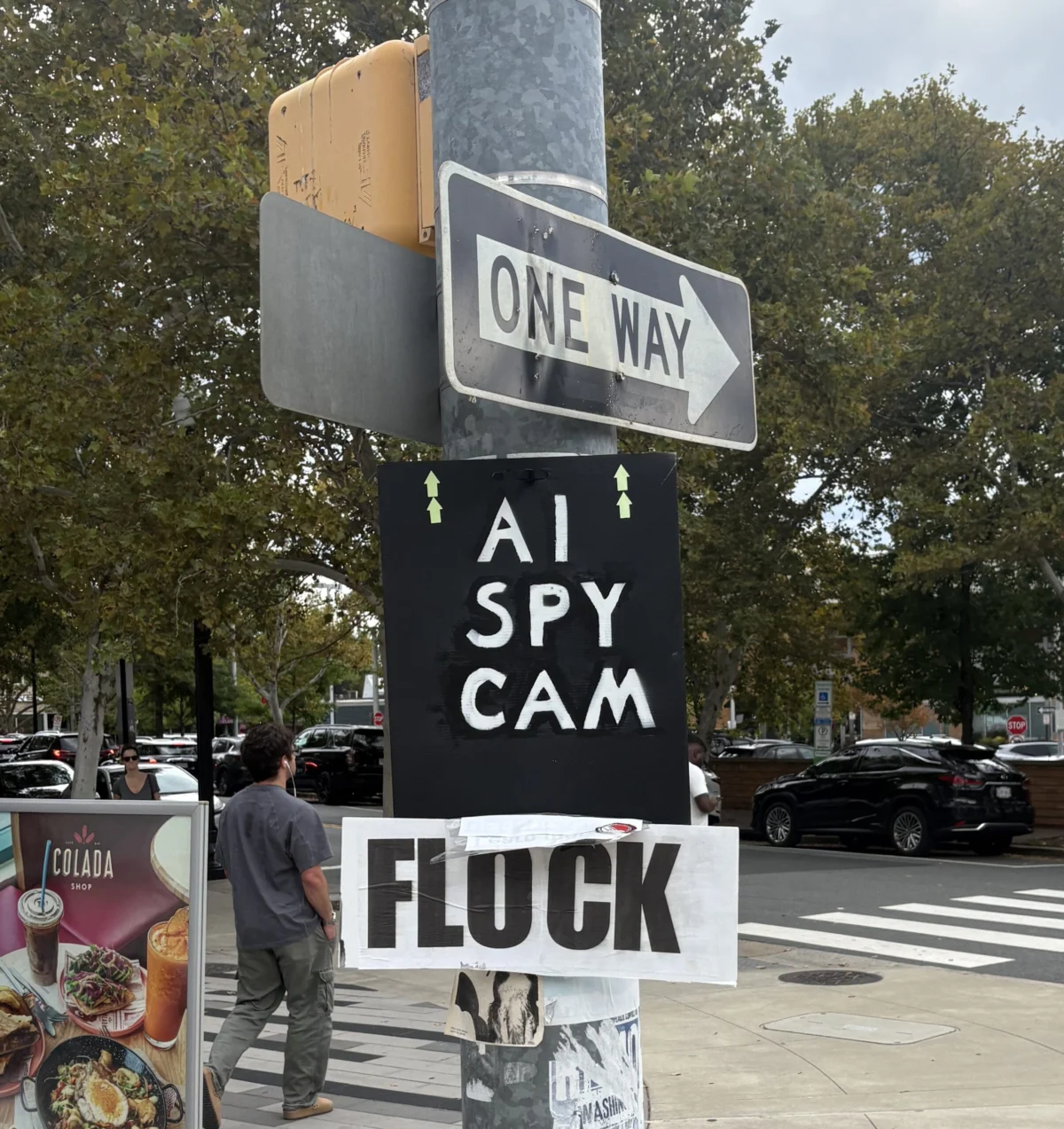
In a significant move to manage its workforce and mitigate the fallout from intense public scrutiny, surveillance technology company Flock Safety has announced a "generous" severance package for employees opting for voluntary departures. This initiative, reported by Wired on Friday, September 19, 2026, comes at a critical juncture for the company, which has been grappling with widespread criticism and the termination of contracts by numerous municipalities over its controversial license plate recognition (LPR) technology.
Flock, which currently employs approximately 1,500 individuals, anticipates a substantial number of its staff will express interest in these buyouts. The company has indicated that it intends to grant these packages to a majority of the interested employees, describing them internally as the "most generous" ever offered. This strategic approach allows Flock to facilitate the departure of employees who may be demoralized by the ongoing backlash, thereby potentially improving internal morale and averting more costly and damaging layoffs.
The controversy surrounding Flock’s LPR technology has escalated dramatically in recent months. A pivotal report by The Washington Post in August 2026 detailed at least 46 instances where law enforcement officers were accused of misusing Flock’s technology. These alarming allegations included the use of the surveillance system for personal vendettas, such as stalking ex-partners, wives, or girlfriends. The revelations have fueled a growing tide of privacy concerns and eroded public trust in the company’s operations.
In response to these mounting privacy concerns and reported abuses, both Florida and Texas have announced their intention to cease the use of Flock’s technology. This governmental pushback signifies a growing trend among state and local authorities to re-evaluate their reliance on private surveillance solutions. Furthermore, an anti-surveillance advocacy group has identified a staggering 90 cities that terminated their contracts with Flock in August alone, representing a fourfold increase compared to the previous month. This rapid pace of contract cancellations underscores the significant erosion of Flock’s market standing and its ability to secure new business.
The impact of this public outcry on Flock’s internal operations has been palpable. Garrett Langley, Flock’s CEO, recently acknowledged on the "All-In" podcast that the "biggest damage" stemming from the backlash has been to "internal morale." The voluntary severance packages can be seen as a direct response to this internal challenge, offering a way to reduce headcount without resorting to involuntary layoffs, which could further damage employee morale and company reputation.
Flock Safety’s core business model revolves around its AI-powered LPR cameras, which are marketed to law enforcement and private security agencies. These cameras capture and store license plate data, which can then be queried by authorized users to identify vehicles of interest, such as those associated with criminal investigations or Amber Alerts. The company boasts a network of hundreds of thousands of cameras deployed across the United States, creating a vast surveillance infrastructure.
However, the very ubiquity of this technology has also made it a prime target for privacy advocates and civil liberties organizations. Critics argue that the extensive data collection capabilities of Flock cameras, when combined with other data sources, can create a detailed picture of individuals’ movements and associations, raising the specter of pervasive surveillance and potential misuse. The documented cases of alleged abuse by law enforcement officials have served as a stark illustration of these concerns, transforming abstract privacy worries into concrete instances of harm.
The debate over LPR technology is not unique to Flock. It is part of a broader national conversation about the ethical implications of advanced surveillance technologies, including facial recognition, predictive policing algorithms, and the increasing integration of AI into public safety systems. As these technologies become more sophisticated and widespread, policymakers, law enforcement agencies, and the public are being forced to grapple with complex questions about privacy, civil liberties, accountability, and the balance between security and freedom.
The current situation for Flock Safety represents a significant challenge to its business model and its future trajectory. The company’s reliance on partnerships with law enforcement agencies means that public trust and a positive reputation are paramount. The widespread allegations of misuse and the subsequent terminations by numerous cities have undoubtedly damaged this trust.

Several factors contribute to the growing unease surrounding LPR technology. Firstly, the potential for data breaches is a constant concern. If the vast databases of license plate information collected by companies like Flock were to fall into the wrong hands, the consequences for individuals’ privacy and security could be severe. Secondly, the lack of standardized regulations and oversight across different jurisdictions creates a patchwork of privacy protections, leaving many citizens vulnerable to unchecked surveillance.
Moreover, the historical context of surveillance technologies often reveals a pattern of disproportionate impact on marginalized communities. While Flock’s technology is marketed for general public safety, concerns have been raised about its potential to be used to monitor protests, track activists, or unfairly target specific demographic groups. The documented cases of stalking, while egregious, also highlight a broader vulnerability to abuse by those in positions of power.
The current strategy by Flock, offering voluntary buyouts, appears to be a pragmatic attempt to navigate this turbulent period. By allowing employees to leave with severance, the company can reduce its payroll, potentially streamline operations, and perhaps signal a commitment to addressing the internal discord. However, the long-term viability of Flock’s business will likely depend on its ability to address the fundamental privacy concerns that have led to its current predicament.
Experts in the field of technology ethics and public policy have weighed in on the broader implications of Flock’s situation. Dr. Anya Sharma, a professor of technology ethics at Stanford University, notes that "the Flock Safety controversy is a microcosm of a larger challenge: how do we harness the power of surveillance technology for legitimate public safety purposes without eroding fundamental privacy rights and creating a society where citizens are constantly monitored? Companies like Flock have a responsibility to implement robust safeguards and be transparent about their data practices."
Similarly, legal scholar Mark Chen, specializing in privacy law, observes that "the actions of Florida and Texas, along with the numerous cities terminating contracts, signal a growing demand for greater accountability and stricter regulations around surveillance technologies. Legislators are beginning to recognize the need for clear legal frameworks that govern the collection, storage, and use of sensitive data, especially when it pertains to the movement and activities of ordinary citizens."
The competitive landscape for Flock Safety is also evolving. While the company has been a significant player in the LPR market, other companies are also developing and deploying similar technologies. The current backlash against Flock could create opportunities for competitors who can demonstrate a stronger commitment to privacy and ethical data handling.
Looking ahead, Flock Safety faces a critical juncture. The company must not only manage its current workforce situation but also fundamentally re-evaluate its product development, data security protocols, and engagement with regulatory bodies and the public. Simply offering severance packages, while a short-term solution for employee morale and workforce reduction, does not address the root causes of the current crisis.
The company’s future success will likely hinge on its ability to:
- Enhance Transparency and Accountability: Clearly communicate how data is collected, stored, used, and protected, and establish robust internal and external oversight mechanisms.
- Strengthen Data Security: Implement state-of-the-art security measures to prevent data breaches and unauthorized access.
- Collaborate on Regulatory Frameworks: Actively engage with policymakers to develop clear and comprehensive regulations that govern the use of LPR technology, ensuring it aligns with privacy rights.
- Rebuild Public Trust: Demonstrate a genuine commitment to ethical practices through concrete actions and open dialogue with communities and civil liberties organizations.
- Innovate Responsibly: Focus on developing technologies that enhance public safety without compromising fundamental privacy rights, perhaps exploring privacy-preserving alternatives or stricter access controls.
The current situation with Flock Safety serves as a potent reminder that technological innovation, particularly in the realm of surveillance, must be guided by ethical considerations and a deep respect for individual liberties. The company’s decision to offer voluntary severance packages is a tactical response, but the strategic imperative for Flock Safety lies in its ability to adapt to a rapidly changing landscape of public expectations and regulatory demands, or risk becoming a cautionary tale in the ongoing evolution of surveillance technology. The coming months will be crucial in determining whether Flock can successfully navigate these challenges and regain public confidence, or if its current trajectory will lead to further contraction and diminished influence in the market.
