
 By Titik Puspa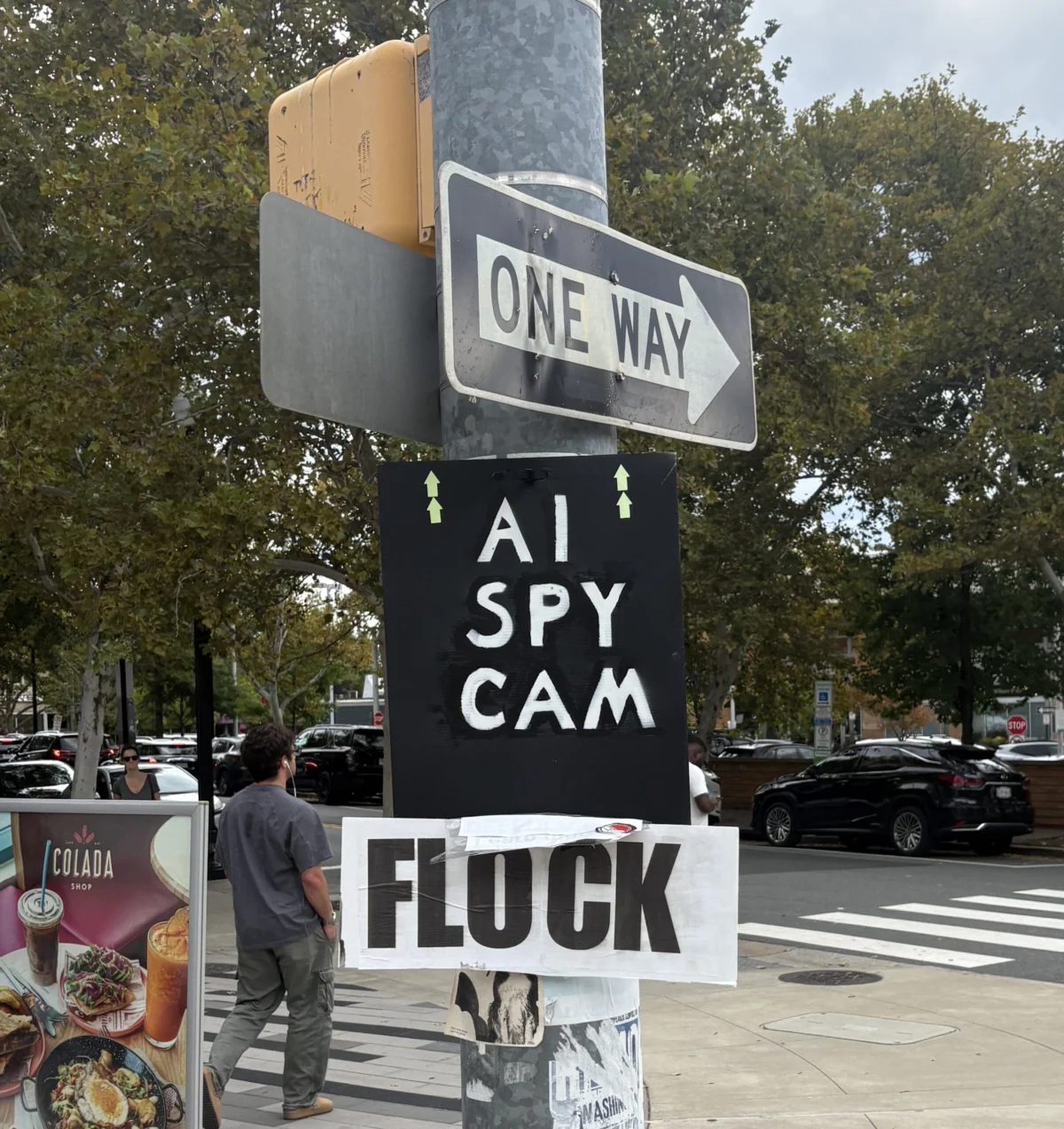
In a strategic move to navigate mounting public scrutiny and internal morale challenges, embattled surveillance technology company Flock Safety has announced a "generous" severance package for employees opting for voluntary departure. The initiative, detailed in a report by Wired on Friday, September 19, 2026, signals a significant shift in the company’s approach to its workforce amidst a storm of controversy surrounding its license plate recognition (LPR) technology.
Flock Safety, a company that has rapidly expanded its reach by providing LPR cameras to law enforcement agencies across the United States, is reportedly anticipating substantial interest from its approximately 1,500-person workforce in these voluntary buyouts. The company has indicated its intention to grant these packages to a majority of those who express interest, framing them internally as the "most generous" ever offered by the organization. This proactive measure appears to be a calculated effort to mitigate the impact of potential layoffs and to address the palpable discontent within its ranks.
The ongoing backlash against Flock’s LPR technology has undeniably cast a long shadow over the company’s operations and employee sentiment. A pivotal moment in this public outcry occurred in August 2026, when The Washington Post published a comprehensive investigation exposing 46 instances where law enforcement officers were accused of misusing Flock’s technology. These disturbing allegations included instances of officers allegedly using the system to stalk former partners, including wives, girlfriends, and exes. Such revelations have profoundly eroded public trust and amplified concerns about privacy violations.
In response to these mounting privacy concerns and misuse allegations, several states have begun to take decisive action. Both Florida and Texas announced in August 2026 that they would cease their utilization of Flock’s technology, signaling a growing trend of disengagement from the company’s services. The ripple effect of these state-level decisions has been substantial. An anti-surveillance advocacy group identified a staggering 90 cities that terminated their contracts with Flock in August alone, representing a fourfold increase compared to the previous month. This dramatic surge in contract terminations underscores the escalating pressure on municipalities to re-evaluate their partnerships with surveillance technology providers like Flock.
The voluntary buyout program can be interpreted as Flock Safety’s attempt to manage its human capital strategically while simultaneously signaling a potential recalibration of its business model or operational focus. By allowing employees to depart voluntarily, the company can sidestep the negative optics and potential legal ramifications associated with widespread involuntary layoffs. Furthermore, it provides an avenue for employees who may feel demoralized by the persistent criticism and the ethical questions surrounding their work to exit with a degree of financial security.
The company’s internal communication, as reported by Wired, suggests an awareness of the internal strain. The decision to offer generous severance packages can be seen as an investment in maintaining a semblance of goodwill and stability during a turbulent period. It also allows Flock to potentially shed employees who are less aligned with its future direction, or those who are particularly affected by the negative publicity, without resorting to the more disruptive and often contentious process of layoffs.

Garrett Langley, the CEO of Flock Safety, has himself acknowledged the impact of the backlash on the company’s internal dynamics. In a recent appearance on the "All-In" podcast, Langley stated that the "biggest damage" stemming from the public outcry has been to "internal morale." This candid admission from the company’s leader lends further credence to the theory that the severance package is, at least in part, a response to the internal disquiet and the need to retain a core group of motivated employees or to manage the departure of those who are no longer engaged.
The LPR technology offered by Flock Safety has been a key component of its rapid growth. These cameras, often installed in public spaces and on vehicles, capture images of license plates and transmit them to a cloud-based system. This system allows law enforcement agencies to search for vehicles associated with criminal investigations, missing persons, or other law enforcement priorities. The promise of enhanced public safety and crime deterrence has been the primary selling point for Flock’s offerings.
However, the very capabilities that make LPR technology a powerful tool for law enforcement also raise significant privacy concerns. Critics argue that the vast databases of license plate data collected by Flock can be easily misused, creating a pervasive surveillance infrastructure that tracks the movements of ordinary citizens. The alleged misuse by law enforcement officers, as highlighted in The Washington Post’s report, has provided concrete evidence of these fears, demonstrating how personal relationships and vendettas can intersect with technological capabilities to create serious privacy breaches.
The ethical considerations surrounding mass surveillance technologies are becoming increasingly prominent in public discourse. As more data is collected and analyzed, the potential for abuse, discrimination, and the erosion of civil liberties grows. Flock Safety, as a prominent player in this space, has found itself at the forefront of this debate. The company has consistently maintained that its technology is designed for law enforcement use only and that it has robust safeguards in place to prevent misuse. However, the repeated instances of alleged misconduct have made it difficult for the company to rebuild public trust.
The legal and regulatory landscape is also evolving. The actions taken by Florida and Texas, along with the growing number of cities terminating contracts, suggest a broader shift in how governments are approaching the procurement and deployment of surveillance technologies. There is an increasing demand for greater transparency, accountability, and stronger privacy protections. This trend is likely to continue as more information about the capabilities and potential risks of these technologies comes to light.
For Flock Safety, the current situation presents a critical juncture. The company must not only address the immediate challenges of employee morale and public backlash but also consider its long-term strategy. This may involve investing in more robust privacy-preserving features, engaging in more transparent dialogue with the public and civil liberties organizations, or even pivoting to other areas of technology where its core competencies can be applied without generating such significant ethical concerns.
The generous severance package, while a pragmatic short-term solution, does not address the fundamental issues that have led to Flock’s current predicament. The company’s future success will hinge on its ability to demonstrate a genuine commitment to privacy and ethical conduct, and to rebuild the trust that has been eroded by the controversies surrounding its LPR technology. The coming months will likely see further developments as Flock navigates this complex and challenging environment, and as regulatory and public opinion continue to shape the future of surveillance technologies. The image of protest signs in Arlington, Virginia, captured by TechCrunch, serves as a visual reminder of the public’s ongoing vigilance and the critical need for accountability in the deployment of powerful surveillance tools. The industry is watching closely to see if Flock Safety can adapt and evolve, or if it will become a cautionary tale in the rapidly advancing world of technology and its societal implications. The "In Brief" nature of the initial announcement belies the profound and far-reaching consequences of the decisions Flock Safety is currently making. The company’s response to this crisis will undoubtedly shape its trajectory and influence the broader conversation around privacy, security, and the responsible use of technology in the years to come.
