
 By Titik Puspa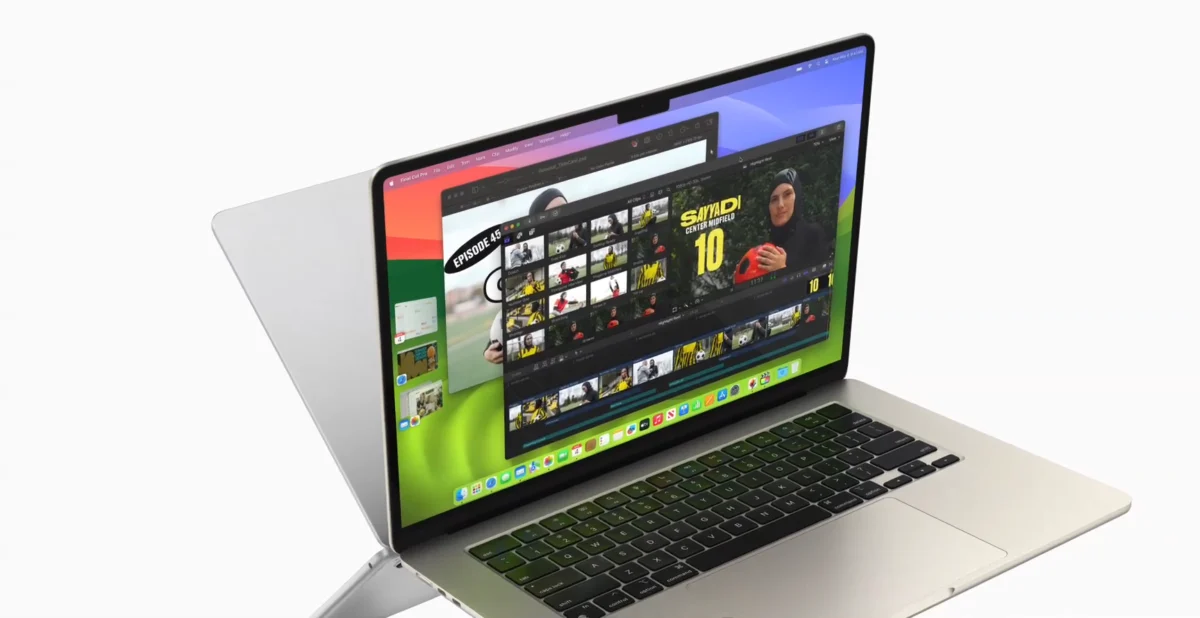
The pervasive global shortage of memory chips, a critical component in virtually all modern electronics, has now cast a long shadow over the availability of Apple’s most popular and accessible Mac, the MacBook Air. This escalating crisis, meticulously detailed by Bloomberg’s esteemed tech journalist Mark Gurman, is not merely a transient inconvenience but a significant indicator of the profound and far-reaching implications of the current semiconductor supply chain disruptions. Gurman’s insightful reporting reveals that the insatiable demand from Artificial Intelligence (AI) companies for high-bandwidth memory (HBM) and other specialized memory solutions is directly siphoning resources away from consumer electronics manufacturers, forcing them to contend with increasingly constrained supply lines.
Initially, the impact of this memory chip deficit was more acutely felt by Apple’s more specialized and lower-volume Mac offerings, namely the Mac mini and the Mac Studio. These powerful, workstation-class machines, often favored by creative professionals and developers, experienced noticeable delays and limited stock. However, the latest developments indicate that the problem has now permeated the production of the MacBook Air, a device that represents a significant portion of Apple’s laptop sales and is a gateway product for many users entering the Apple ecosystem. Retailers are reporting an unprecedented level of scarcity, with supply chains appearing tighter than at any point in recent memory. This scarcity is not an abstract concept for consumers; it translates into tangible waiting periods.
A stark illustration of this reality can be observed on Apple’s own official website. Prospective buyers attempting to purchase a MacBook Air are currently facing wait times that stretch into the latter half of August, and for certain customized configurations, the delivery date is pushed even further, into September. This prolonged delay is a significant departure from Apple’s typically efficient supply chain management and product availability, underscoring the severity of the current chip shortage. It suggests that Apple, despite its immense purchasing power and long-standing relationships with component suppliers, is not immune to the broader industry-wide pressures.
In an effort to mitigate the fallout from this memory chip crunch, Apple is reportedly implementing a multi-pronged strategy. According to Gurman’s analysis, the company is exploring avenues such as strategically increasing the prices of its affected Mac models. This price adjustment serves a dual purpose: it helps to offset the increased cost of procuring scarce components and can also act as a demand-dampening measure, encouraging consumers to prioritize essential purchases or consider alternative options. Furthermore, Apple is actively diversifying its sourcing of memory components, a move that includes engaging with Chinese suppliers. This strategic shift, while potentially alleviating immediate supply pressures, also introduces its own set of complexities, including geopolitical considerations and the need for rigorous quality control.
The ripple effects of the memory chip shortage are also evident in Apple’s promotional activities. The company has notably postponed its annual back-to-school promotion, typically launched in June, a clear indication that product availability is a significant concern. This delay suggests that Apple is hesitant to heavily promote products that it cannot reliably supply to meet anticipated demand. Moreover, the marketing materials for the postponed promotion have undergone a subtle but significant shift. For the first time, the focus appears to be more heavily weighted towards the base model of the MacBook Pro, rather than its more versatile counterpart, the MacBook Air. This strategic pivot could be an attempt to steer potential customers towards a product with potentially more robust supply or to manage expectations regarding the availability of the Air.
Adding to the narrative of scarcity, a cautionary note has even appeared in some of Apple’s promotional content, explicitly stating, "MacBook Air subject to availability." This frank admission, highlighted by tech commentator Dylan McDonald, is an unusual and telling departure from Apple’s usual confident messaging around product availability. It serves as a direct signal to consumers that purchasing a MacBook Air may involve navigating stock limitations and potential delays, a stark contrast to the seamless and readily available experience that Apple customers have come to expect.
The current memory chip shortage is a complex global phenomenon with roots in a confluence of factors. The COVID-19 pandemic initially disrupted manufacturing and logistics, leading to a sharp decline in production. As economies began to recover, demand for electronics, from personal computers and smartphones to gaming consoles and automotive components, surged. This heightened demand, coupled with ongoing supply chain bottlenecks and geopolitical tensions, has created a perfect storm for semiconductor scarcity. The burgeoning field of AI, with its computationally intensive training models, further exacerbates the situation by creating an unprecedented appetite for high-performance memory chips, particularly HBM, which are essential for AI accelerators like GPUs.
The implications of this shortage extend beyond Apple and consumer electronics. The automotive industry, for instance, has been severely impacted, leading to production cuts and delays for new vehicles. Medical devices, industrial automation, and even critical infrastructure components rely on semiconductors, making this a matter of broad economic and societal importance. Experts in the semiconductor industry have warned that the shortage could persist for an extended period, with some predicting a normalization of supply not before late 2024 or even into 2025. This long-term outlook suggests that companies like Apple will need to continue adapting their strategies to navigate this challenging landscape.
For Apple, the MacBook Air’s popularity makes it a particularly sensitive product to be affected by supply constraints. The MacBook Air has historically been a key driver of Mac sales, appealing to students, general consumers, and professionals seeking a balance of performance, portability, and affordability. Any significant disruption to its availability could impact Apple’s overall revenue and market share in the laptop segment. The company’s proactive measures, such as diversifying suppliers and adjusting pricing, are indicative of the significant pressure it is under to maintain its market position and customer satisfaction.
The reliance on Chinese suppliers for memory components, while a pragmatic step to address immediate shortages, also introduces strategic considerations for Apple. Geopolitical tensions between the United States and China, coupled with concerns about intellectual property and supply chain security, could create future vulnerabilities. Apple, like many global technology companies, has been increasingly scrutinized for its reliance on manufacturing in China. Diversifying its supply chain, both geographically and across different suppliers, is likely a long-term strategy that Apple is actively pursuing to mitigate such risks.
The current memory chip shortage serves as a potent reminder of the intricate and often fragile nature of global supply chains. The demand for advanced computing power, driven by AI and other technological advancements, is on an upward trajectory, while the capacity to produce the foundational components, particularly specialized memory chips, is struggling to keep pace. This imbalance is creating significant headwinds for a wide array of industries, and Apple, despite its formidable resources, is not immune to its pervasive influence. The coming months will be critical in observing how Apple and the broader tech industry navigate these challenges, adapt their strategies, and ultimately, strive to meet the ever-growing demand for the digital devices that have become indispensable in modern life. The availability of the MacBook Air, a symbol of accessible yet powerful computing, is a tangible barometer of the ongoing struggle to secure the vital silicon that powers our connected world.
