
 By Titik Puspa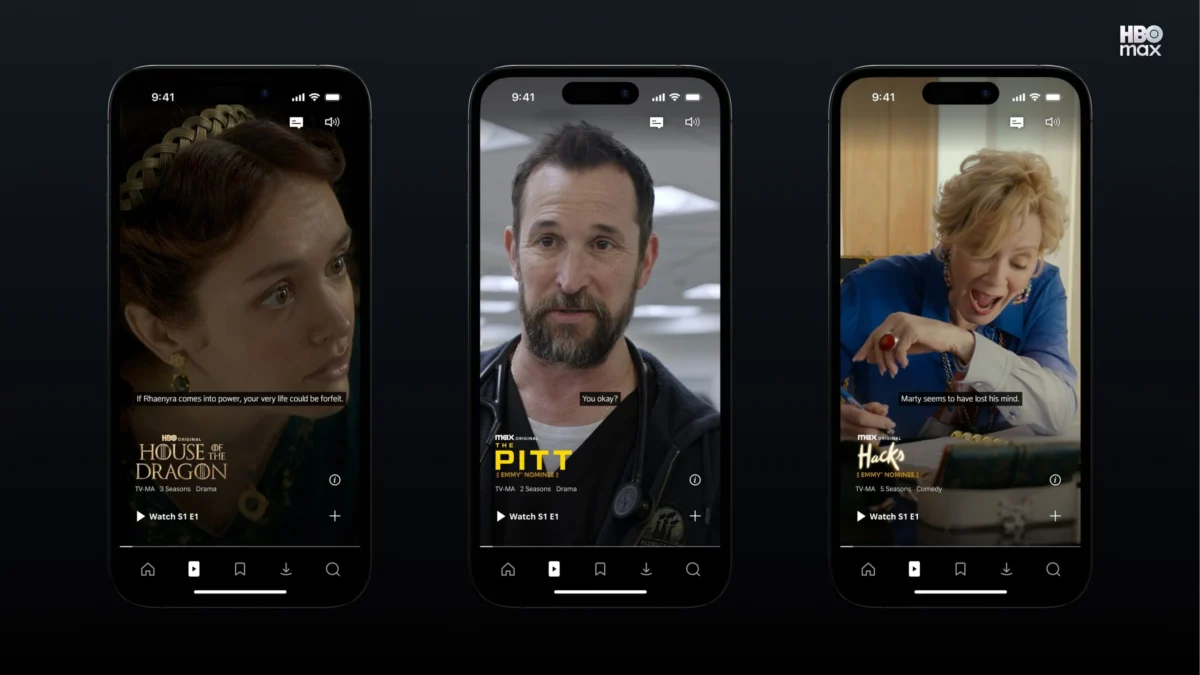
In a significant move to enhance user engagement and streamline content discovery within its expansive library, HBO Max has launched a suite of innovative mobile features, prominently featuring a TikTok-style vertical video feed dubbed "Shorts" and an experimental AI-powered conversational search experience. This strategic pivot, announced by Warner Bros. on Tuesday, signals a clear recognition of evolving viewer habits and the increasing challenge of navigating vast streaming catalogs. As audiences become more accustomed to the rapid-fire, visually driven consumption patterns popularized by platforms like TikTok and Instagram Reels, HBO Max is proactively adapting to meet these expectations, aiming to make the process of finding the next binge-worthy show or captivating movie more intuitive and personalized.
The core of this content discovery overhaul lies in the new "Shorts" icon, now prominently positioned in the bottom navigation menu of the HBO Max app. Upon tapping this icon, users are presented with a vertical feed comprising trailers, engaging clips, and exclusive bonus content. This format mirrors the addictive scrolling experience of social media platforms, offering a bite-sized introduction to the vast array of programming available. Crucially, the content curated within a user’s "Shorts" feed is not random; it is meticulously tailored to their individual taste and viewing history. By analyzing watch patterns, preferences, and interactions, HBO Max’s algorithm aims to surface content that is most likely to resonate with each specific user. This personalized approach promises to reduce the friction often associated with content discovery, transforming passive browsing into an active and engaging exploration of the service’s rich library. Should a particular clip pique a user’s interest, they are presented with immediate options: to begin watching the associated TV show or movie without delay, or to conveniently save it to a "watch later" list for future consideration. This seamless transition from discovery to consumption is a key objective of the new feature.
Underpinning the effectiveness of the "Shorts" feed is a sophisticated AI tool developed by Warner Bros. This AI delves into the intricacies of film and television content at a scene level, utilizing rich metadata to analyze thousands of hours of programming. By identifying the most compelling and impactful scenes, the AI plays a pivotal role in surfacing content that is most likely to capture a viewer’s attention. However, the process doesn’t end with algorithmic selection. A team of HBO Max editors plays a crucial role in refining the output, making the final decisions on which clips best represent the depth and breadth of the streaming service’s diverse library. This hybrid approach, blending AI-driven analysis with human editorial oversight, ensures that the curated clips are not only algorithmically relevant but also qualitatively representative of the HBO Max brand and its commitment to high-quality storytelling.
HBO Max is not alone in embracing the vertical video feed format for content discovery. This trend has been steadily gaining traction across the streaming landscape, with major players like Netflix, Disney+, and Peacock having already integrated similar features. Netflix, for instance, has been experimenting with short-form video clips to help users navigate its extensive catalog. Disney+ has also rolled out its own version of vertical video feeds, aiming to offer a more dynamic and engaging way for subscribers to explore its beloved franchises. Peacock, too, has ventured into this territory, augmenting its offerings with AI-driven video content and a mobile-first approach to live sports and gaming. The widespread adoption of this format underscores a broader industry-wide effort to combat viewer fatigue and provide more accessible entry points into premium content libraries.
The rollout of HBO Max’s new vertical feed is commencing with a phased approach, initially being tested with a select group of iOS users in the United States. This deliberate strategy allows for thorough evaluation, feedback collection, and iterative refinement before a wider deployment across more devices and international markets. This cautious yet determined rollout ensures that the feature is robust, user-friendly, and effectively meets its intended goals.
Complementing the visual discovery of "Shorts," HBO Max is also introducing an experimental AI-powered conversational search experience. This feature moves beyond traditional keyword-based searches, leveraging natural language understanding to interpret user queries in a more intuitive and human-like manner. Users can now articulate their viewing desires using colloquial phrases, such as "I’m in the mood for a comedy," "Show me a dysfunctional family drama," or "What’s the best movie for a girls’ night in?" The AI then processes these natural language requests to recommend relevant movies and TV shows, offering a more nuanced and contextually aware search functionality. This capability promises to unlock content that might be difficult to find through conventional search methods, catering to users who have a general idea of the mood or genre they are seeking but may not know the specific titles.
The concept of AI-powered conversational search is not entirely new to the streaming realm. Netflix notably launched a similar AI-driven search experience for its users last year, demonstrating a growing industry reliance on artificial intelligence to enhance user interaction. Amazon has also integrated AI into its Fire TV devices, offering a voice search experience that can respond to open-ended inquiries about television shows and movies. These advancements highlight a significant trend: streaming services are increasingly investing in AI to personalize user experiences, simplify navigation, and ultimately increase content engagement.
HBO Max’s new experimental conversational search feature is currently being piloted with select Android users in the U.S., with plans for its expansion to a broader range of devices and markets in the near future. This dual rollout strategy for both the "Shorts" feed and the conversational search underscores HBO Max’s commitment to a comprehensive enhancement of its user interface and discovery mechanisms. The integration of these AI-driven tools is not merely about adding new functionalities; it’s about fundamentally reimagining how users interact with and derive value from their subscription. By offering more personalized, intuitive, and engaging ways to discover content, HBO Max aims to strengthen its position in the highly competitive streaming market and foster deeper, more enduring connections with its subscriber base. The underlying philosophy is to transform the often-daunting task of finding something to watch into an enjoyable and rewarding journey of exploration, powered by cutting-edge technology and a deep understanding of user behavior.
The strategic implementation of these features addresses a critical challenge facing all major streaming platforms: content overwhelm. With libraries that continue to grow exponentially, the paradox of choice can lead to user frustration and churn. By providing curated discovery tools, HBO Max seeks to mitigate this issue, ensuring that subscribers can readily access the content they desire, thereby increasing overall satisfaction and platform loyalty. The "Shorts" feed, with its visual appeal and personalized recommendations, acts as a digital concierge, guiding users through the vast catalog with tailored suggestions. Simultaneously, the conversational search empowers users to articulate their needs in a more natural way, making the search process feel less like a task and more like a conversation. This dual approach, catering to both passive browsing and active searching, creates a more holistic and user-centric content discovery ecosystem.
Furthermore, the underlying AI technology employed by HBO Max is indicative of a broader industry shift towards leveraging machine learning and artificial intelligence for personalized user experiences. The ability to analyze user data at scale, identify patterns, and make predictive recommendations is becoming a key differentiator for streaming services. The scene-level analysis for the "Shorts" feed, for instance, suggests a granular understanding of content that goes beyond simple genre classifications or actor names. This deeper analysis allows for the surfacing of content based on more nuanced factors, such as thematic elements, narrative pacing, or even specific visual styles, which can be particularly effective in capturing the attention of a discerning audience.
The experimental nature of these launches is also noteworthy. By starting with select user groups and specific operating systems, HBO Max can gather crucial real-world data and user feedback. This iterative process allows for fine-tuning of algorithms, optimization of user interface elements, and identification of any potential bugs or usability issues before a full-scale release. This measured approach minimizes the risk of alienating users with poorly implemented features and ensures that the final product is polished and effective. The commitment to expanding these features to more devices and markets post-testing demonstrates a confidence in their potential to significantly improve the HBO Max user experience.
In conclusion, HBO Max’s latest innovations in content discovery represent a forward-thinking strategy to adapt to the evolving digital media landscape. The introduction of the "Shorts" vertical video feed and the AI-powered conversational search are not merely incremental updates; they are transformative enhancements designed to make content discovery more engaging, personalized, and efficient. By embracing the visual language of short-form video and the intuitive power of natural language processing, HBO Max is positioning itself to better connect with its audience, reduce content discovery friction, and ultimately reinforce its standing as a premier destination for premium entertainment. The success of these initiatives will likely serve as a benchmark for future developments in the streaming industry, as platforms continue to grapple with the challenge of helping viewers find what they want to watch in an increasingly content-saturated world.
