
 By Rifan Muazin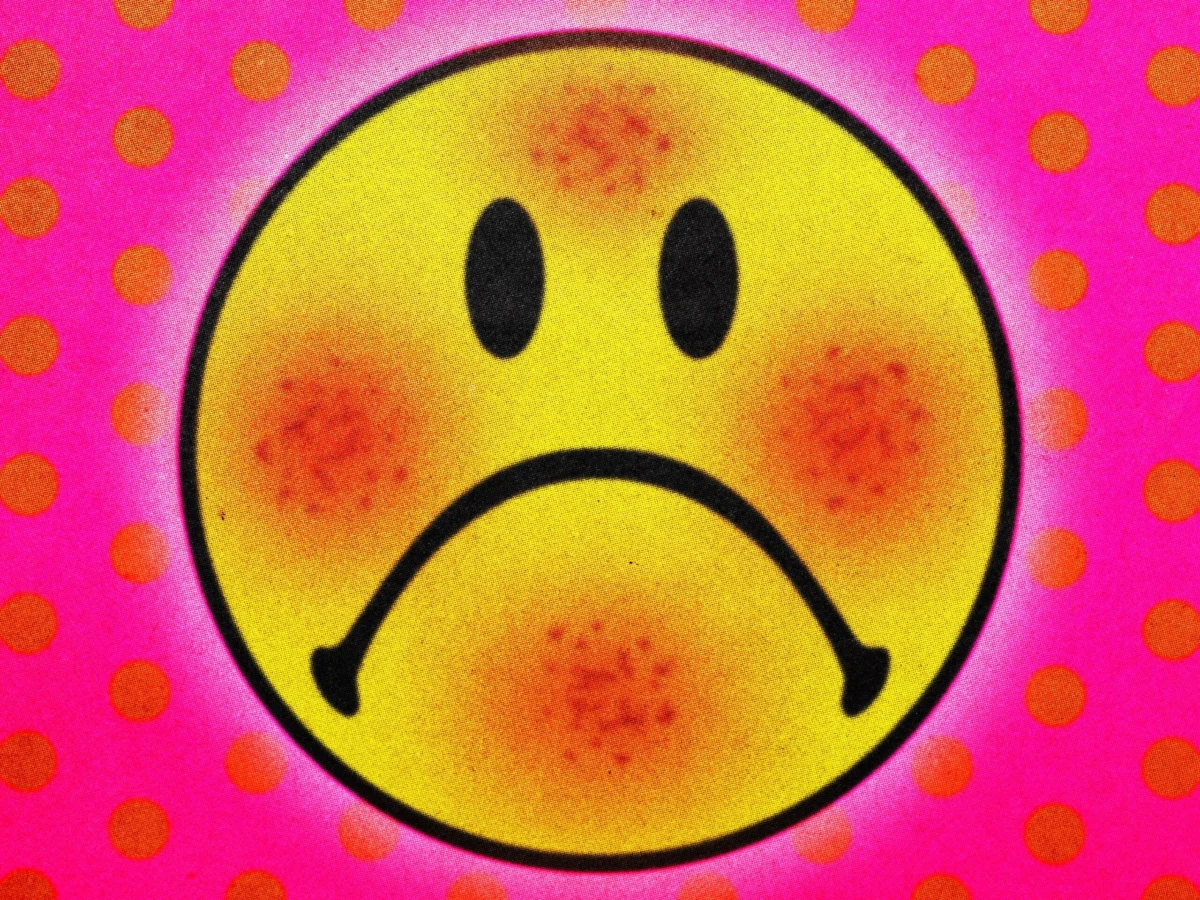
Rosacea is a chronic and often distressing inflammatory skin condition that remains one of the most misunderstood diagnoses in modern dermatology. Despite its prevalence, it is frequently confused with adult acne, eczema, or simple sensitivity, leading many sufferers to utilize treatments that may inadvertently worsen their symptoms. According to the National Rosacea Society, approximately 16 million Americans live with this condition, yet a significant portion of the population remains undiagnosed or misinformed about its management. While rosacea can appear at any stage of life, it most characteristically manifests in adults once they reach their 30s, often beginning as a subtle tendency to flush or blush more easily than others.
There is currently no permanent cure for rosacea, nor is there a definitive way to prevent the condition from developing if one is genetically predisposed to it. However, the lack of a cure does not mean a lack of control. By understanding the biological mechanisms at play and identifying personal triggers, individuals can effectively calm flares and maintain a clear complexion. To provide a comprehensive guide on managing this complex disorder, we consulted a panel of clinical facialists, nutritionists, and medical skin experts to dissect the causes, symptoms, and most effective treatment modalities available today.
Defining the "Great Impersonator"
Rosacea is a long-term dermatological condition that has been documented for millennia; its first recorded mention dates back to 200 BC by the Greek poet Theocritus. In its most common presentation, it involves persistent facial redness, flushing, and the appearance of telangiectasia—delicate, visible capillaries that branch out across the skin’s surface. While the condition primarily targets the "butterfly" area of the face—the nose and cheeks—it is not uncommon for symptoms to migrate to the forehead, chin, neck, and chest.
Clinical facialist Kate Kerr notes that the condition is often more than skin deep. “Some may also experience hyperpigmentation or textural damage with enlarged pores and visible bulging sebaceous glands,” Kerr explains. This textural change can lead to a thickening of the skin, particularly around the nose, a condition known as rhinophyma. Furthermore, the eyes are frequently involved in what is known as ocular rosacea. “Ocular rosacea is present in around 50% of cases, with red, dry, gritty-feeling eyes being the main symptom,” Kerr adds. Because rosacea is a progressive condition, seeking professional intervention at the first sign of persistent redness is crucial to prevent long-term structural damage to the skin and ocular tissues.
Demographics and the Challenge of Misdiagnosis
Statistically, rosacea follows specific demographic patterns, though it is by no means exclusive to any one group. Sophie Trotman, a media nutritionist and wellness speaker, highlights that the condition commonly affects adults between the ages of 30 and 50. “Generally speaking, women are more likely to develop it,” Trotman observes. “But when men do get it, they tend to experience symptoms that are considerably more severe.” This disparity in severity in men is often attributed to a delay in seeking treatment, allowing the inflammatory process to advance further before medical intervention begins.
Historically, the medical community has associated rosacea with individuals of Celtic or Northern European descent—those with fair skin and blue eyes. However, Dr. Christine Hall, a National Health Service general practitioner and aesthetics doctor, warns that this narrow focus has led to significant diagnostic gaps. “It is a condition that is more likely to be misdiagnosed or missed completely in those with darker skin tones as the appearance is not so well recognized,” Dr. Hall states. In patients with more melanin, the classic "redness" may appear as a dusky brown or purplish hue, and the inflammatory papules may be mistaken for standard acne, leading to the use of harsh, drying treatments that further compromise the skin barrier.
The Etiology of Rosacea: Genetics and Environment
The medical community still grapples with the exact "why" behind rosacea. While the condition has been known for over two thousand years, its precise cause remains elusive. Current scientific consensus suggests a multifactorial origin, involving a combination of genetic predisposition, immune system dysregulation, and environmental stressors.
“People with rosacea are more likely to have a family history of the condition than people without,” says Claudia Barthelemy Bernardo, facialist and founder of The Healthy Skin Room. Beyond genetics, the innate immune system appears to overreact to certain stimuli. One theory involves the overproduction of cathelicidins—proteins that usually protect the skin from infection but, in rosacea patients, can trigger significant inflammation and vascular dilation.
Environmental and lifestyle triggers play a massive role in day-to-day management. Bernardo notes that common culprits include spicy foods (which contain capsaicin that triggers heat receptors), alcohol (a known vasodilator), caffeine, and extreme temperature changes. Furthermore, UV exposure is perhaps the most universal trigger, as it stimulates the production of vascular endothelial growth factor (VEGF), leading to the creation of more visible blood vessels. Emerging research also points to microscopic parasites, such as Demodex mites, which live naturally on human skin but are found in much higher concentrations on the faces of rosacea sufferers, potentially triggering an immune response.
The Gut-Skin Axis and Internal Triggers
The connection between internal health and external skin manifestation is particularly strong in rosacea. Sophie Trotman points out that systemic medical conditions can exacerbate symptoms. “IBS (Irritable Bowel Syndrome), SIBO (Small Intestinal Bacterial Overgrowth), hormonal fluctuations, and allergies can make them worse,” she explains. This "gut-skin axis" suggests that chronic inflammation in the digestive tract can manifest as inflammatory flares on the face.
To combat this, experts suggest a holistic approach to nutrition. Bernardo recommends fostering a healthy balance of gut flora. “Promote beneficial yeasts via a diet rich in prebiotic foods such as chicory root, leeks, artichoke, and asparagus, as well as probiotic-rich foods like yogurt, kefir, sauerkraut, and kimchi,” she suggests. Supplementing with Omega-3 fatty acids is also highly recommended due to their potent anti-inflammatory properties, which help stabilize both the gut lining and the skin’s lipid barrier.
Strategic Skincare: Calming the Storm
When it comes to topical management, the mantra is "less is more." Alexandra Mills, a skincare expert at AM Aesthetics, emphasizes the importance of identifying and eliminating irritants. “The first thing that you should do is identify and avoid any foods, drinks, and environmental factors that could be causing the flare-ups,” Mills says. In terms of products, she advises using mild, non-irritating cleansers and moisturizers while strictly avoiding denatured alcohol, witch hazel, menthol, and synthetic fragrances.
Sun protection is non-negotiable. Because UV rays are a primary trigger for the inflammatory cascade, a broad-spectrum sunscreen must be applied daily, regardless of cloud cover. For immediate relief during a flare, Mills suggests the use of cold compresses or ice packs to constrict blood vessels and reduce localized heat and discomfort.
Specific ingredients can also help retrain the skin to be less reactive. Kate Kerr advocates for a focus on oil control and cellular turnover, though this must be done carefully. “I would recommend using products with salicylic acid, which helps to control oil and kill bacteria and inhibit inflammation,” Kerr notes. While it might seem counterintuitive to use an acid on sensitive skin, salicylic acid is a derivative of aspirin and possesses inherent anti-inflammatory properties that can soothe the "acne-like" bumps (papulopustular rosacea) often associated with the condition.
Other beneficial ingredients include:
- Niacinamide (Vitamin B3): Known for strengthening the skin barrier and reducing redness.
- Ceramides: Essential lipids that help restore the moisture barrier, preventing "leaky skin" that allows irritants in.
- Licorice Extract: A natural anti-inflammatory that helps brighten hyperpigmentation and soothe heat.
- Antioxidants: Ingredients like Vitamin C (in stable, non-acidic forms) or Green Tea extract help neutralize the oxidative stress caused by UV rays and pollution.
Professional and Clinical Interventions
For those whose symptoms do not respond sufficiently to lifestyle changes and over-the-counter skincare, clinical intervention is the next step. Dr. Hall notes that while OTC products are the best starting point, prescription medications are often necessary for moderate to severe cases. These may include topical metronidazole, azelaic acid, or ivermectin (to target Demodex mites). In some instances, oral antibiotics like doxycycline are prescribed at sub-antimicrobial doses to leverage their anti-inflammatory effects rather than to kill bacteria.
For the permanent removal of redness and broken capillaries, light-based therapies are the gold standard. “Laser treatments can be effective in permanently treating redness and broken capillaries,” says Dr. Hall. Vascular lasers, such as the VBeam (Pulsed Dye Laser) or Intense Pulsed Light (IPL), specifically target the hemoglobin in the blood vessels, collapsing the visible capillaries without damaging the surrounding skin.
Recommended Product Regimen
To build a routine that respects the fragility of rosacea-prone skin, experts highlight a few standout formulations. The Tower 28 SOS Gel Cleanser + Makeup Remover for Sensitive Skin is frequently recommended for its pH-balanced formula that cleanses without stripping the skin’s natural defenses. For those who prefer a creamier texture, the Ursa Major Making Moves Milky Cleanser provides a non-foaming, hydrating wash that leaves the skin feeling supple rather than tight. To manage midday heat and irritation, the G.M. Collin Sensiderm Soothing Mist offers a quick way to deliver calming agents and hydration to the face, helping to "quench" the inflammatory fire before it escalates into a full flare.
Ultimately, managing rosacea is an exercise in patience and observation. By combining a "soothing-first" skincare philosophy with dietary awareness and professional medical guidance, the 16 million people living with this condition can move beyond merely "covering up" and begin truly healing their skin from the inside out. Progress may be slow, but with the right expert-backed strategies, a calm, clear, and comfortable complexion is an achievable reality.
