
 By Rifan Muazin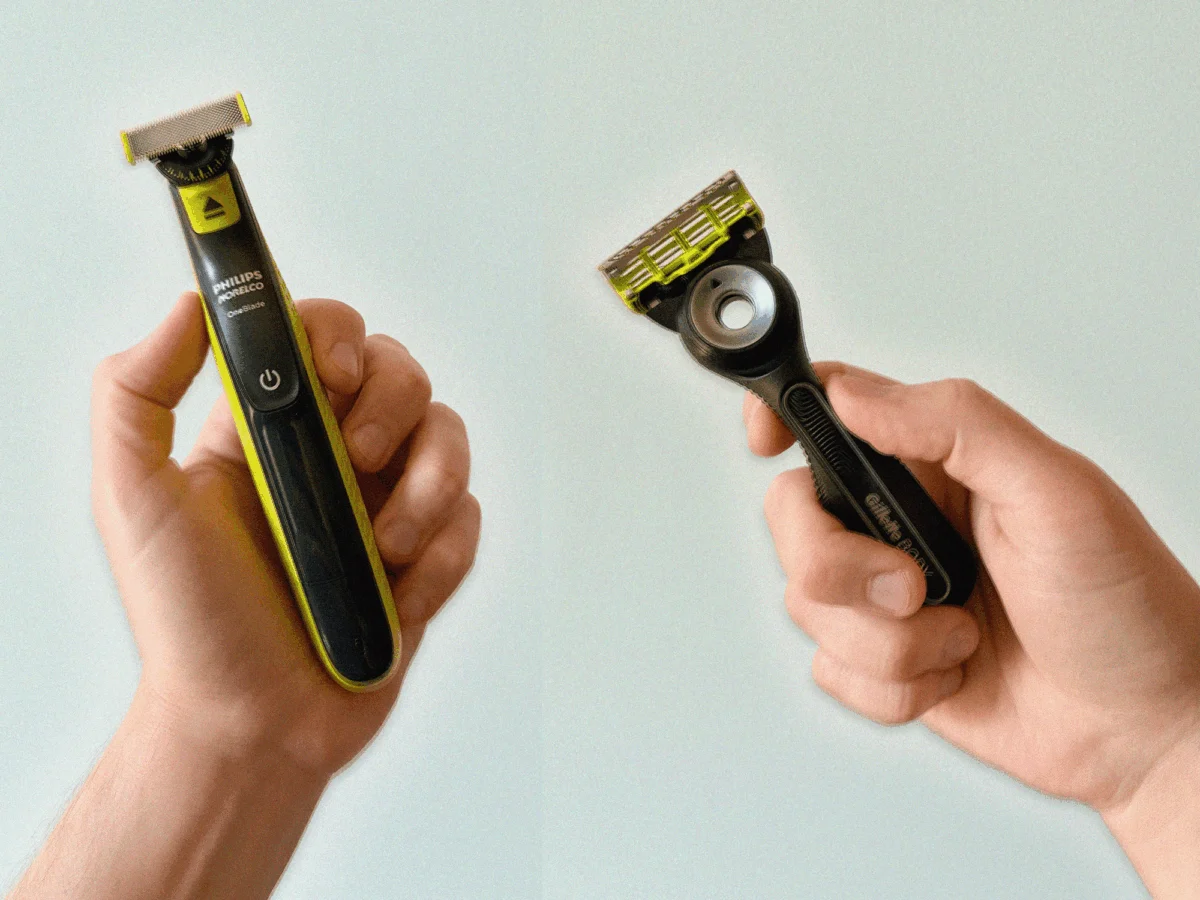
The landscape of masculine hygiene has undergone a seismic shift over the last decade, transitioning from a whispered-about subculture into a standard pillar of the modern man’s morning routine. Having covered the men’s grooming beat for more than twelve years, I have witnessed the evolution of body razors from a fringe category, often hidden in the back of drugstores, to an essential bathroom staple that commands prime real estate on the vanity. This transformation is not merely a trend driven by vanity; it is a fundamental change in how men perceive self-care and physical comfort. Today, the vast majority of men engage in some form of "manscaping," whether it is the pragmatic thinning of chest hair, the hygiene-focused maintenance of underarms during the humid summer months, or the more delicate task of keeping things tidy "south of the border."
This cultural normalization is backed by rigorous market data. According to Caitlin Orszulak, a leading product researcher at Procter & Gamble (P&G), the act of men managing their body hair is no longer a "niche behavior." In fact, P&G’s extensive consumer research reveals a startling statistic that upends traditional assumptions about the rite of passage into adulthood: 50% of men’s very first shaves now happen on their bodies rather than their faces. Furthermore, 60% of men under the age of 35 report that they remove or trim body hair on a regular basis. However, as the frequency of grooming has increased, the sophistication of the tools being used has lagged behind. Orszulak notes a persistent problem in the market: men are increasingly grooming their bodies, but they are doing so with tools specifically engineered for the unique contours and skin sensitivity of the jawline.
The fundamental disconnect lies in the assumption that hair is hair, regardless of where it grows. This is a dangerous fallacy. A razor designed to navigate the relatively flat planes and firm skin of the face has no business moonlighting on the softer, more irregular terrain of the torso or the groin. Beyond the obvious concerns regarding cross-contamination and basic hygiene, the physics of body shaving are radically different from facial shaving. As Orszulak explains, the environmental conditions alone change the safety profile of the task. Most men prefer to groom their bodies in the shower rather than at the sink. This creates a high-risk scenario involving poor lighting, steam-fogged mirrors, and wet, slippery hands. In these conditions, the ergonomic grip of the tool and the stability of the blade become matters of paramount importance.
The biological differences are even more pronounced. Facial hair tends to grow in a somewhat predictable pattern, but body hair is a different beast entirely. Because body hair is typically shaved less frequently than facial stubble, it is often longer, curlier, and prone to growing in multiple, chaotic directions. It also has a tendency to lie flat against the skin, making it difficult for standard multi-blade razors to lift and cut efficiently. When you factor in the massive surface area of the back or legs, the varying thicknesses of skin—from the tough skin on the shoulders to the paper-thin sensitivity of the intimate areas—and the difficulty of reaching certain spots, it becomes clear that body grooming is a unique engineering challenge. Using the wrong tool—such as a five-blade face razor designed for maximum closeness—often leads to a litany of painful outcomes, including chronic razor burn, clusters of ingrown hairs, and significant nicks in regions where a nick is more than just a minor inconvenience.

Fortunately, the solution to this grooming dilemma does not require a cluttered cabinet full of niche gadgets. Through years of testing nearly every blade and motor on the market, I have distilled the ideal kit down to two essential "sabres": a high-quality manual razor for skin-level closeness and a versatile electric trimmer for maintenance and general debulking. The two products I have found to be indispensable are the Gillette Labs Body + Intimate Razor and the Philips Norelco OneBlade. Together, they form a synergistic duo that covers every possible grooming scenario, from a smooth beach-ready chest to a quick trim of the sideburns or underarms.
The Gillette Labs Body + Intimate Razor represents a significant leap forward in manual blade technology. For years, I relied on the Gillette Fusion5 as my daily driver for facial shaving, but I was always hesitant to use those same high-tension blades on my body. When Gillette announced a dedicated body razor, it was clear they hadn’t just slapped a new color on an old handle. They had actually consulted their Research and Development teams to address the specific mechanical failures of face razors in body applications. The most critical innovation in this razor is the two-blade cartridge design. While the "more blades are better" mantra dominates facial shaving marketing, it is actually a hindrance for body hair. Because body hair is longer and more prone to curling, it frequently clogs multi-blade systems.
Gillette’s engineers solved this by nearly doubling the distance between the guard bar and the first blade compared to their facial razors. This increased gap allows longer hairs to enter the blade path without tugging or clogging, which significantly reduces the number of passes required to achieve a smooth finish. Additionally, the cartridge is equipped with an "Anti-Irritation Bar" and an "Anti-Ingrown Bar." These features serve a dual purpose: they absorb excess pressure from the hand—preventing the blades from digging too deep—and they maintain consistent spacing between the blades and the skin. This ensures that the hair is cut at the skin level, not below it. Cutting hair below the surface is the primary cause of painful ingrown hairs, as the sharp tip of the hair becomes trapped under the skin as it tries to grow back.
In practice, the Gillette Labs razor feels remarkably secure. The handle is wider than a standard razor and wrapped in a high-friction, textured rubber that provides a "locked-in" feel, even when covered in soap and water. During my testing, I was surprised by how quickly I could navigate the difficult contours of the underarms and the collarbone. The pivoting head flexes with the body’s shape, reducing the mental fatigue of trying to maintain the perfect blade angle. It also comes with a magnetic wall holder, a small but thoughtful touch that keeps the razor out of the "shower puddle," ensuring the blades stay dry and sharp for longer.
While the manual razor is the king of closeness, the Philips Norelco OneBlade is the undisputed champion of versatility and irritation-free maintenance. Since its debut over a decade ago, the OneBlade has redefined the "hybrid" category—it isn’t quite a traditional electric shaver, and it isn’t quite a standard beard trimmer. Instead, it occupies a unique middle ground. It uses a fast-moving cutter (200 times per second) integrated with a dual-protection system that includes a glide coating and rounded tips. This design ensures that the blade never actually touches the skin, which is the secret to its legendary lack of irritation.

The OneBlade is my first choice for "the heavy lifting." If you have gone a few weeks without grooming, jumping straight to a manual razor is a recipe for a clogged mess. The OneBlade allows you to buzz down hair to a manageable length in seconds, wet or dry. It is particularly effective for sensitive areas where you might be too nervous to use a traditional blade. While Philips has released several iterations—including the tech-heavy "Pro" model and a specialized "Intimate" version with extra skin guards—the original OneBlade remains the gold standard for its durability and simplicity. The neon-green handle is practically indestructible; mine has survived countless drops onto hard bathroom tiles without a crack.
The brilliance of the OneBlade lies in its 360 pivoting head, which mimics the fluid movement of a manual razor while providing the safety of an electric motor. It is the ultimate tool for the "two-minute touch-up." You can use it to clean up the back of your neck, trim stray hairs on the chest, or tidy up the groin area without the need for shaving cream or a full shower. While the replacement blades are an ongoing investment, the longevity of each blade—often lasting four months with regular use—makes it a cost-effective solution for long-term maintenance.
The synergy between these two tools addresses the entirety of the male grooming experience. The OneBlade handles the routine maintenance and the sensitive "danger zones," while the Gillette Labs razor provides the professional-grade finish for areas where you want total smoothness. This duo acknowledges the reality of modern masculinity: we are no longer just "shaving our faces." We are managing an entire landscape of hair, and we deserve tools that respect the complexity of that task. Whether it is the height of summer or the middle of winter, having this specific duo in your arsenal transforms grooming from a risky chore into a streamlined, confident part of your self-care ritual. By investing in tools designed for the job, you aren’t just improving your appearance—you are protecting your skin and elevating your daily experience.
