
 By admin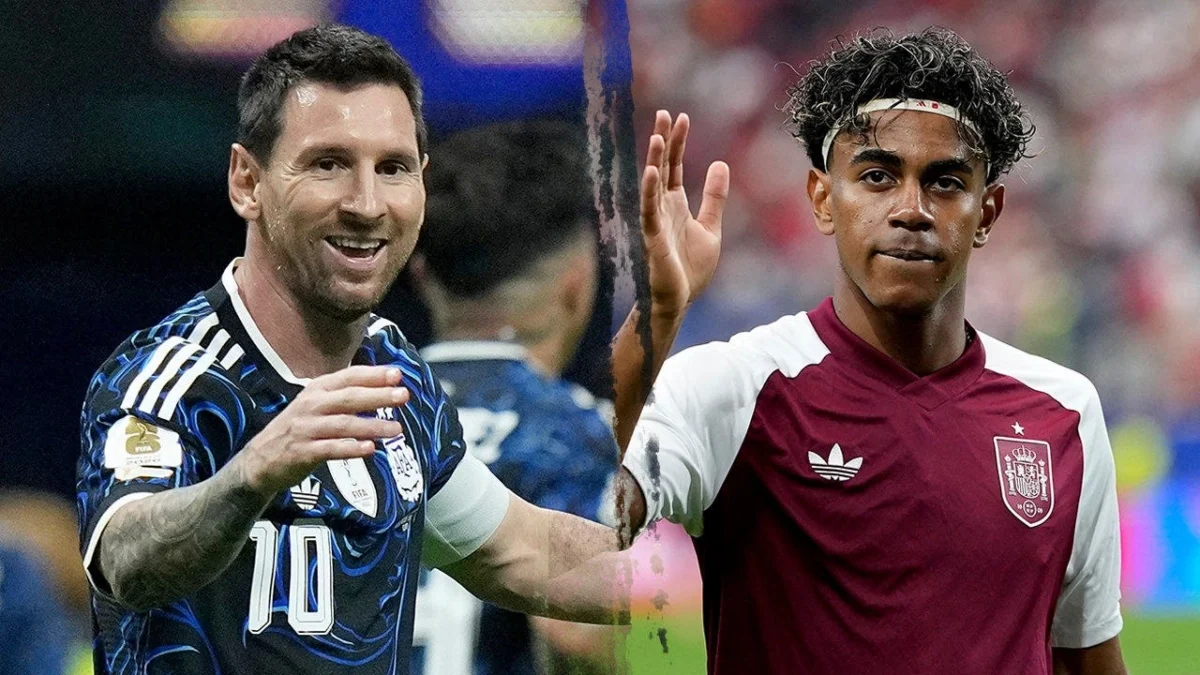
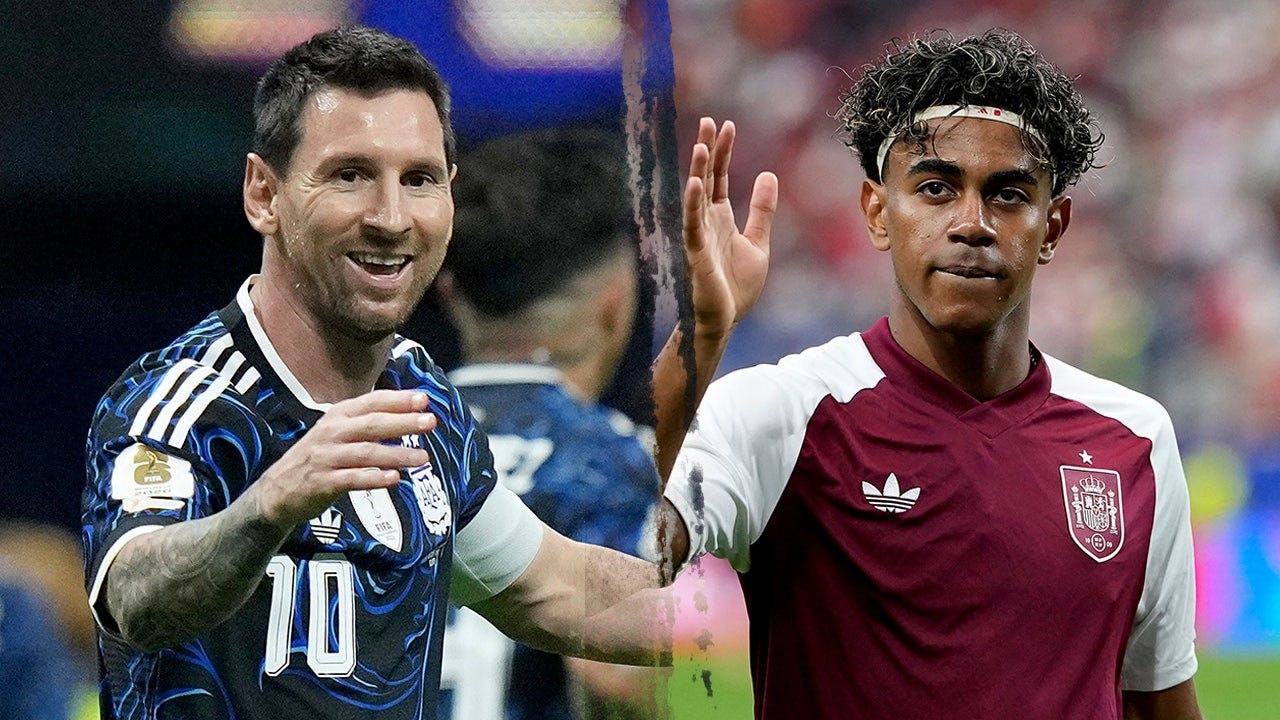
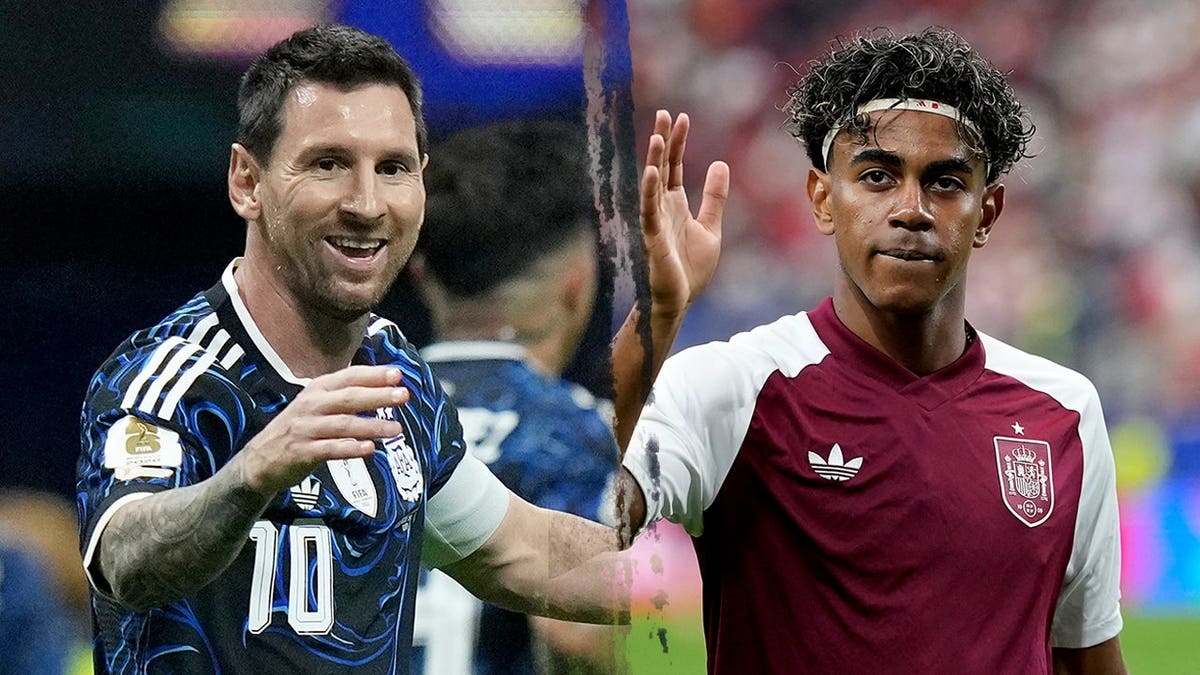
The pinnacle of global football has arrived, and it’s a showdown between two storied nations: Argentina and Spain. On Sunday, July 19, 2026, at 3 p.m. ET, MetLife Stadium in East Rutherford, New Jersey, will play host to a FIFA World Cup Final that promises to be a captivating spectacle. The match will be broadcast live on FOX, offering fans worldwide a chance to witness history being made. For Argentina, this final represents a historic opportunity to become the first nation to win back-to-back World Cup titles since Brazil achieved the feat in 1958 and 1962, and only the third country ever to accomplish this remarkable feat, following in the footsteps of Italy, who secured consecutive crowns in 1934 and 1938.
The journey to this climactic encounter has been marked by contrasting narratives for both titans. Argentina, led by the iconic Lionel Messi, has navigated a path fraught with dramatic comebacks and moments of sheer individual brilliance. Their semifinal victory against England was a testament to their resilience and fighting spirit. For much of the match, England held a firm grip, keeping the Albiceleste scoreless for 85 minutes. The breakthrough for the Three Lions came in the 55th minute when Anthony Gordon, with an acrobatic finish, converted a cross from Morgan Rogers, initiating a counter-attack sparked by a long pass from Harry Kane that momentarily flummoxed the Argentine defense.
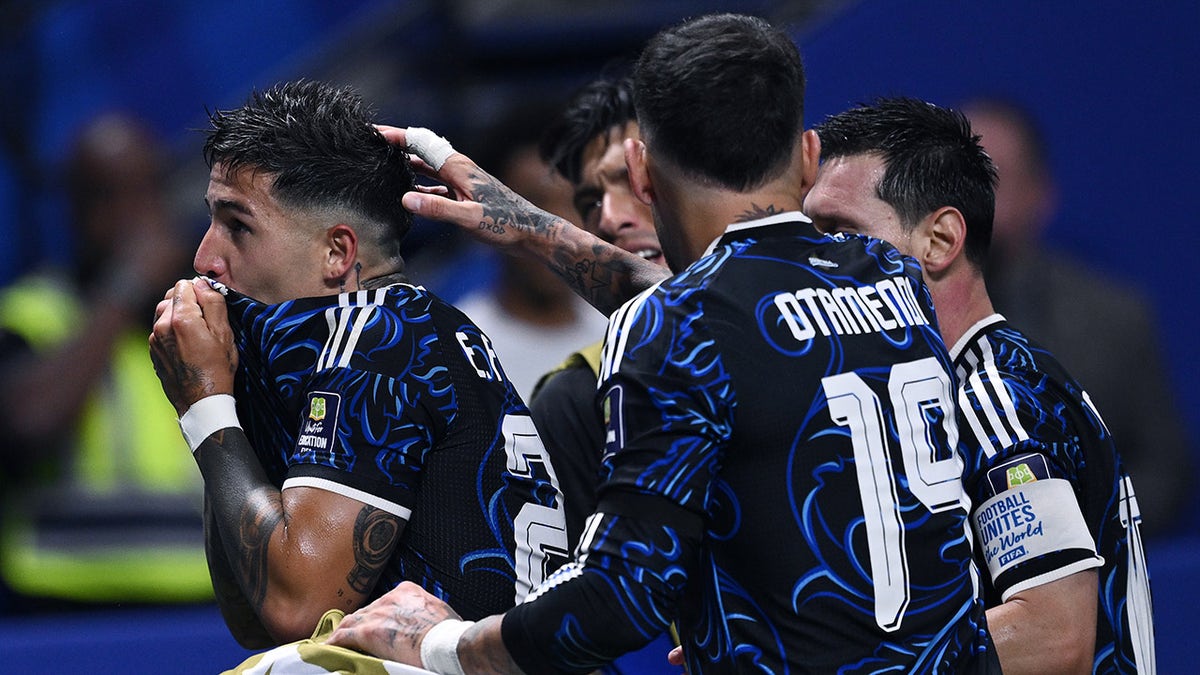
However, this would prove to be England’s only significant scoring opportunity. Argentina’s relentless pressure, a hallmark of their campaign, began to wear down the English defense. The deadlock was finally broken when Lionel Messi, in a moment that has become his signature, orchestrated the equalizer. He masterfully set up Enzo Fernandez just outside the penalty area, and the 25-year-old midfielder unleashed a perfectly placed shot that curled around England goalkeeper Jordan Pickford and nestled into the back of the net, leveling the score at 1-1.
The momentum had irrevocably shifted, and the stage was set for another Argentine hero to emerge. Lautaro Martinez, a substitute who came off the bench, etched his name into Argentine football lore by scoring the decisive goal in stoppage time. In the 92nd minute, Messi, with his second assist of the match, gathered a loose ball and delivered a sublime pass into the penalty area, where Martinez found himself unmarked. The striker’s header found its mark, beating Pickford and sending the Argentine faithful into a frenzy as they completed a thrilling comeback.
This dramatic turnaround was not an anomaly in Argentina’s tournament. Their Round of 16 clash against Egypt showcased a similar capacity for resilience. Trailing 2-0 in the second half, Argentina mounted an astonishing comeback, scoring three goals in just 13 minutes to keep their World Cup dreams alive. This ability to find a way, even when seemingly on the brink of defeat, underscores the mental fortitude of this Argentine squad.
In contrast, Spain’s route to the final has been characterized by a more measured, yet equally dominant, performance. Their journey has been remarkably clinical, marked by a defensive solidity that has stifled opponents. Luis de la Fuente’s side has achieved an astonishing feat, shutting out their opponents in six of their seven matches, conceding a mere single goal throughout the entire tournament. Belgium was the only nation to breach Spain’s formidable defense, but even then, the Spaniards emerged victorious with a 2-1 quarterfinal win.
Spain’s semifinal encounter against France, while not featuring the same late-game heroics as Argentina’s, was a display of their tactical prowess and efficiency. The breakthrough came in the 22nd minute, courtesy of an early mistake by veteran French defender Lucas Digne. Digne misjudged a cross, challenging for the ball and inadvertently fouling Lamine Yamal, resulting in a penalty kick for Spain. Mikel Oyarzabal calmly stepped up and converted the penalty, giving the Spaniards a lead they would never relinquish.
Pedro Porro extended Spain’s advantage in the 58th minute. He skillfully broke through the French defense, receiving a crisp pass from Dani Olmo and finding the back of the net past France goalkeeper Mike Maignan. Despite desperate attempts by the French to stage a comeback, the Spanish defense proved impenetrable, securing their place in the final.
This World Cup Final pits two distinct footballing philosophies against each other. Argentina, with its flair, passion, and reliance on moments of individual magic, particularly from the legendary Lionel Messi, embodies a more emotive and attacking style. Messi, widely regarded as one of the greatest footballers of all time, has once again been the driving force behind Argentina’s campaign. His leadership, vision, and ability to produce game-changing plays have been instrumental in their march to the final. Sports analyst Dan Dakich, in a recent preview, highlighted Messi’s "consistent greatness" and predicted Argentina’s victory, emphasizing the player’s unparalleled influence on the pitch. Messi’s performance in this tournament, especially in crucial moments, has further cemented his legacy as a generational talent.
Spain, on the other hand, represents a more systematic and defensively astute approach. Their success has been built on a strong team ethic, tactical discipline, and an unwavering commitment to defensive organization. The midfield control and ability to dictate the tempo of the game are key elements of their strategy. Their low goals-conceded record is a testament to their defensive structure and the effectiveness of their goalkeeping and backline. The emergence of young talents like Lamine Yamal, who earned the penalty against France, alongside the composure of players like Oyarzabal and Porro, showcases a blend of experience and youthful exuberance that makes them a formidable opponent.
The narrative surrounding the final also touches upon broader themes in the world of sports. The discussion around Argentina’s path to the final, particularly the dramatic comebacks, has drawn parallels to their historical World Cup triumphs. The immense pressure and expectation on Messi to deliver a World Cup title for his nation have been a constant backdrop to his illustrious career. This final represents his last, best chance to crown his international career with the ultimate prize.
Beyond the men’s World Cup, the article briefly touches upon discussions surrounding WNBA star Caitlin Clark, with NBA Commissioner Adam Silver referring to her as a "political football" amid controversies surrounding physical play. Sports analyst Dan Dakich attributed some of the issues faced by WNBA players to "jealousy and envy." While seemingly disparate from the World Cup final, this juxtaposition highlights the multifaceted nature of sports discourse, encompassing both global phenomena and domestic league challenges, and the varying opinions and analyses that accompany them.
The stage is set for a compelling World Cup Final. Argentina, driven by the genius of Messi and a history of dramatic comebacks, will face a supremely organized and defensively resolute Spain. The tactical battle between these two footballing giants, coupled with the individual brilliance that is sure to be on display, promises an unforgettable conclusion to the 2026 FIFA World Cup. Whether Argentina can etch their name in history as back-to-back champions or Spain can assert their dominance with their formidable defensive record, the world will be watching to see which nation will lift the coveted trophy.
Match Details:
- When: Sunday, July 19, 2026
- Where: New York/New Jersey Stadium, East Rutherford, New Jersey
- TV: FOX
- Stream: Watch on FOX One and FOX Sports
Fans can follow Fox News Digital’s comprehensive sports coverage on X (@FoxNewsSports_) and subscribe to the Fox News Sports Huddle newsletter for all the latest updates.
