
 By admin
As the travel industry moves through the final quarter of 2026, the ecosystem of airline loyalty has undergone a radical transformation, moving far beyond the simple calculation of miles flown to a complex architecture of "total brand engagement." At the heart of this evolution is American Airlines and its AAdvantage program, which has solidified its position as a pioneer in the "Loyalty Points" model. This system, which debuted several years ago, has reached full maturity in 2026, making the strategic selection of credit cards not just a way to earn free flights, but the primary vehicle for securing elite status and premium travel experiences. With the recent updates to the Citi and Barclays portfolios, travelers are facing a new set of variables when deciding which plastic deserves a permanent spot in their wallets.
The cornerstone of the American Airlines financial strategy continues to be its long-standing partnership with Citi. As of late 2026, the synergy between these two giants has resulted in a credit card lineup that caters to every demographic, from the occasional leisure traveler to the high-spending corporate executive. The Citi® / AAdvantage® Executive World Elite Mastercard® remains the flagship product, though its value proposition has shifted in response to the rising costs of airport lounge operations and the increased demand for premium ground services. With the Admirals Club membership now exceeding a $700 value for non-cardholders, the card’s annual fee—which saw a modest adjustment in early 2026—is increasingly viewed by frequent flyers as a necessary "membership tax" that provides significant dividends in comfort and efficiency.
Beyond the lounge doors, the 2026 version of the Executive card has integrated deeper Loyalty Point bonuses. Expert analysis of the current AAdvantage program suggests that for many travelers, the 10,000 or 20,000 Loyalty Point "boosts" triggered by specific spending milestones on this card are the deciding factors in reaching Platinum Pro or Executive Platinum status. In an era where "butt-in-seat" miles are no longer the sole metric of loyalty, the ability to spend one’s way to the front of the plane has fundamentally changed the demographics of the first-class cabin. Data from recent earnings calls suggests that over 60% of American Airlines’ elite members now earn a majority of their qualifying points through non-flight activities, with credit card spend leading the charge.
For the mid-tier traveler, the Citi® / AAdvantage® Platinum Select® World Elite Mastercard® continues to serve as the workhorse of the portfolio. In 2026, the competition among mid-tier cards is fiercer than ever, as Delta and United have aggressively revamped their own offerings. To remain competitive, American has enhanced the "soft benefits" of the Platinum Select, such as priority boarding and the first checked bag free, which have become essential as basic economy fares have become the standard for most domestic routes. Furthermore, the 2026 enhancements to the AAdvantage eShopping portal have created a multiplier effect for cardholders. By stacking card rewards with portal bonuses, savvy consumers are seeing effective return rates of 5 to 10 Loyalty Points per dollar spent on everyday retail, effectively gamifying the path to Gold and Platinum status.
The role of Barclays in this ecosystem remains unique. The AAdvantage® Aviator® Red World Elite Mastercard® continues to occupy a specific niche, often serving as the entry point for travelers looking to jumpstart their mileage balances with a single purchase. However, in the current 2026 market, Barclays has leaned heavily into "spend-based" retention offers. Analysts note that Barclays has been particularly aggressive in offering personalized "challenges" to cardholders—such as bonus Loyalty Points for hitting specific monthly spending targets—to prevent churn toward the Citi-branded alternatives. This dual-issuer strategy, while complex for the consumer to navigate, provides a level of flexibility and "double-dipping" opportunity that is rare in the modern credit card landscape.
One cannot discuss the value of these cards without addressing the state of the AAdvantage program itself in 2026. The program has moved almost entirely to dynamic pricing for award redemptions. While this has eliminated the predictability of "award charts," it has opened up new opportunities for those who utilize the airline’s vast network of Oneworld partners. From Qatar Airways’ Qsuite to the refreshed long-haul products on British Airways, the ability to use AAdvantage miles for high-value international redemptions remains one of the strongest selling points for the credit card portfolio. In fact, despite the move toward dynamic pricing for AA-operated flights, partner awards have remained relatively stable, providing a "safety valve" for those looking to maximize the value of their earned miles.
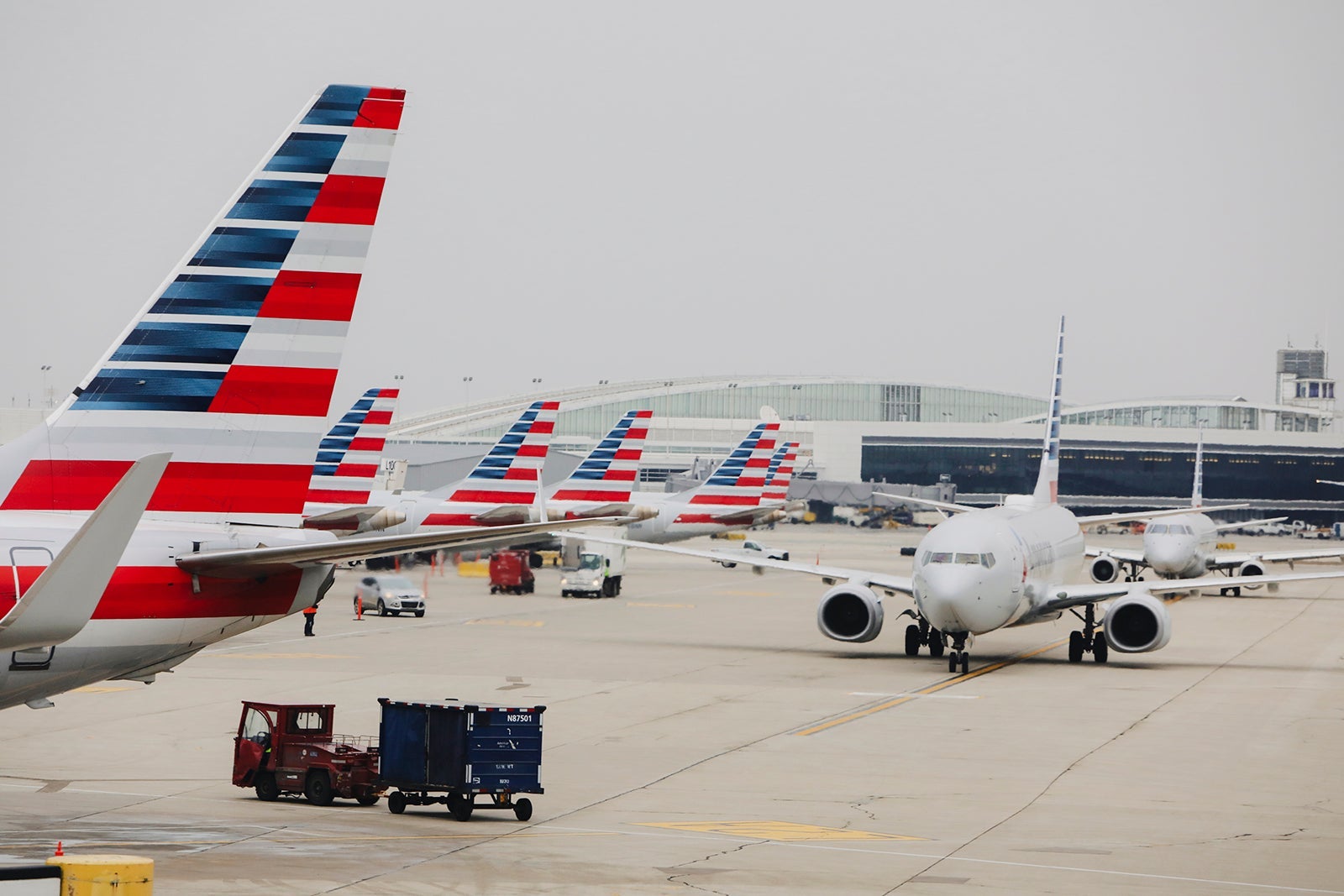
The physical experience of flying American Airlines in late 2026 has also influenced cardholder value. The rollout of the Airbus A321XLR has been a game-changer for the airline’s narrow-body fleet, allowing for "long-thin" routes from hubs like Philadelphia and Charlotte to secondary European markets. For cardholders, this means more opportunities to use domestic-style upgrades or mileage-plus-copay redemptions on transatlantic routes that were previously inaccessible or required multiple connections. Additionally, the continued expansion of Flagship Lounges—and the exclusive "Flagship First Dining" for top-tier elites and those on specific premium fares—has created a tiered lounge system that makes the Admirals Club access provided by the Executive card feel like a baseline rather than a luxury. This "premiumization" of the airline’s ground experience is a direct response to the luxury-focused strategies of competitors like Delta, and it places a higher premium on the credit cards that can bridge the gap to these exclusive spaces.
From an environmental and social governance (ESG) perspective, American Airlines has also begun integrating sustainability initiatives into its loyalty program by 2026. Cardholders are now seeing options to use their miles to offset the carbon footprint of their flights or to contribute to the purchase of Sustainable Aviation Fuel (SAF). While still in its infancy, this trend reflects a broader shift in consumer expectations, where loyalty is measured not just in miles and points, but in the corporate responsibility of the carrier. Some credit card offers in late 2026 have even begun experimenting with "Green Bonuses," providing extra points for spending at certified sustainable retailers or for choosing lower-carbon flight options.
The technological integration of the AAdvantage program into the American Airlines mobile app has also reached new heights. In 2026, the app serves as a real-time command center for cardholders, tracking Loyalty Point progress with granular detail and offering "just-in-time" upsell opportunities for upgrades using miles. This seamless digital experience has reduced the friction of using rewards, making the "burn" side of the "earn and burn" equation much more efficient for the average user. Expert travel consultants point out that the ease of use is often just as important as the earn rate; if a traveler cannot easily redeem their miles for a flight they want, the theoretical value of the card drops to zero.
However, the 2026 landscape is not without its challenges. The phenomenon of "points inflation" remains a persistent concern. As more people earn massive quantities of miles through credit card sign-up bonuses and everyday spending, the "price" of the most desirable seats—specifically international business class—has continued to climb. This has led to a divide in the loyalty community: "maximized" users who spend hours hunting for partner space at low rates, and "convenience" users who are happy to redeem their miles at a fixed value of roughly 1.2 to 1.5 cents per mile for any available seat. The 2026 credit card offers are increasingly tailored to these two distinct groups, with some cards emphasizing high-volume point accumulation and others focusing on travel protections and airport benefits.
Looking ahead to the final weeks of 2026 and into 2027, the relationship between American Airlines and its banking partners is expected to remain the most profitable segment of the airline’s business. The "ancillary revenue" generated by selling miles to banks has become the bedrock of the airline’s balance sheet, often outperforming the actual operation of flights during periods of high fuel prices or economic volatility. For the consumer, this means that the credit cards are here to stay, and they will only become more deeply integrated into the travel experience.
In conclusion, the decision of which American Airlines credit card to carry in late 2026 depends entirely on one’s goals within the AAdvantage ecosystem. For the traveler who views the airport as a hurdle to be cleared, the Citi® / AAdvantage® Executive card’s lounge access and status-boosting capabilities remain unparalleled. For the value-conscious flyer, the Barclays Aviator Red or the Citi Platinum Select offer a path to basic elite benefits without a heavy annual commitment. As the airline continues to invest in its fleet, its lounges, and its digital infrastructure, the credit card remains the "key" that unlocks the full potential of the modern American Airlines experience. In this data-driven era of travel, loyalty is no longer just about where you fly, but how you pay for the life you lead between those flights.
