
 By admin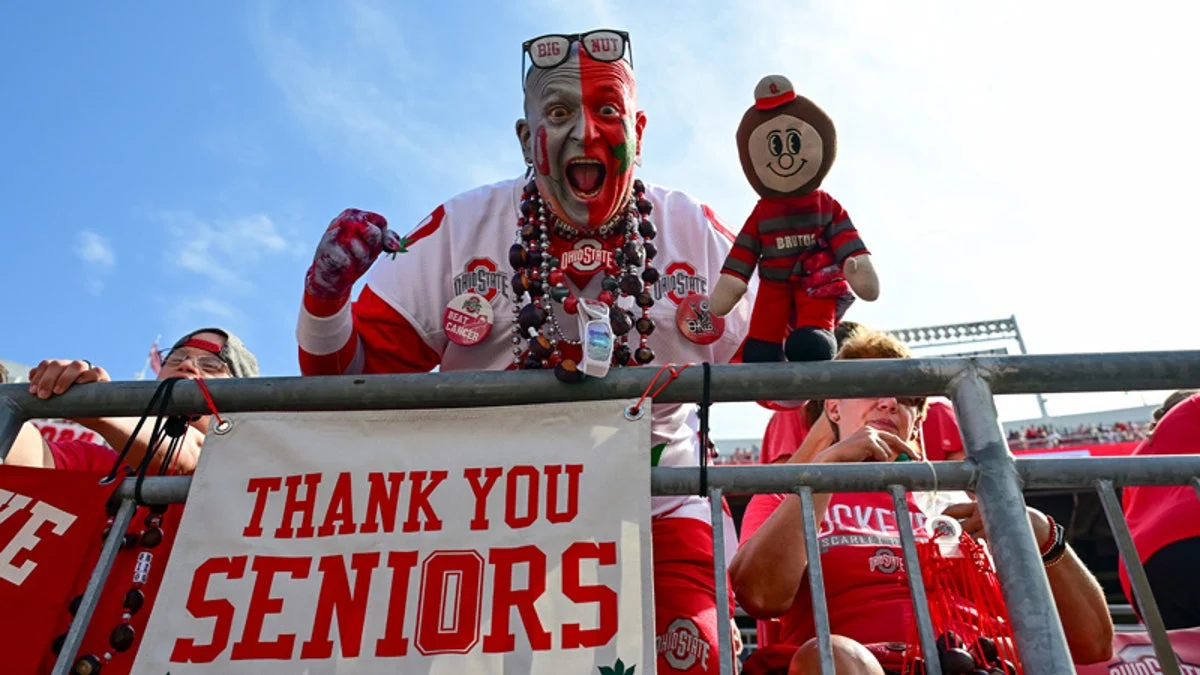
In a move that has sparked considerable discussion within the college football landscape, the No. 1 ranked Ohio State Buckeyes held their Senior Day ceremony prior to their 2026 season opener against the Ball State Cardinals on Saturday afternoon. This decision marks a significant departure from the traditional timing of Senior Day, which typically occurs during a team’s final home game of the season. The Buckeyes’ strategic adjustment, moving the recognition of their graduating players from their home finale against the Michigan Wolverines on November 28th to the season’s inaugural home contest, stems from a desire to mitigate distractions and preserve the sanctity of their most intense rivalry week.
The catalyst for this unprecedented scheduling shift can be directly traced back to the events following the 2024 matchup against Michigan. That pivotal game, which concluded with a post-game scuffle involving law enforcement after Michigan players attempted to plant a team flag at midfield of Ohio Stadium, cast a somber and contentious shadow over what is usually a celebratory occasion. The lingering tension and the involvement of external authorities created an atmosphere that head coach Ryan Day and the Ohio State administration deemed detrimental to the intended spirit of Senior Day.
In August, Head Coach Ryan Day articulated the rationale behind this significant alteration in a candid discussion about the team’s strategic planning. "We talked about it and had long conversations about [moving Senior Day]," Day stated, emphasizing the deep respect for Ohio State’s storied traditions. "The traditions at Ohio State here are significant and very strong and something that we all respect. When we look at all the things that go on that weekend [Michigan week], the way things have changed, there are some things that we thought about." Day further elaborated on the need to streamline focus during this critical juncture of the season. "The more distractions we have, there’s already enough distractions that week. This was just one more thing that we could move." This perspective highlights a proactive approach to team management, prioritizing mental preparedness and minimizing external pressures during a period historically laden with emotional intensity and heightened scrutiny.
The implications of this scheduling change extend beyond mere logistical adjustments. By relocating Senior Day to the season opener, Ohio State aims to achieve several objectives. Firstly, it allows the senior class to receive their well-deserved recognition and appreciation from the Buckeye faithful in a less emotionally charged environment, free from the shadow of a looming rivalry game. This ensures that their final home game at Ohio Stadium is a purely celebratory occasion, focused on their contributions and legacy. Secondly, it strategically removes a potential source of distraction and emotional drain from the week leading up to the Michigan game. The intense build-up to this rivalry often permeates every aspect of the team’s preparation, and by addressing Senior Day earlier, the Buckeyes can dedicate their full attention and emotional energy to the monumental task of facing their archrivals. This strategic maneuver underscores a sophisticated understanding of the psychological dynamics of elite college football and the specific pressures associated with competing at the highest level in a program with such a rich and demanding history.
On Saturday, a total of 31 seniors were honored by the Buckeyes faithful, their contributions to the program acknowledged before the kickoff against Ball State. This moment of recognition served as a poignant reminder of the dedication and commitment these student-athletes have shown throughout their collegiate careers, culminating in their final season of eligibility. The palpable sense of appreciation from the crowd underscored the significance of their roles, not just as players, but as leaders and integral members of the Ohio State football family.
In a parallel and equally significant event that further enriched the game day experience, Ohio State formally inducted former head coach Jim Tressel into the program’s prestigious Ring of Honor. This esteemed recognition celebrates Tressel’s indelible impact on the Buckeyes’ storied history. During his tenure as head coach from 2001 to 2010, Tressel guided the Buckeyes to unparalleled success, including the coveted 2002 BCS National Championship. His coaching philosophy and leadership were instrumental in fostering a culture of excellence, resulting in an impressive overall record of 106-22 and eight seasons with double-digit victories. Tressel’s legacy is further solidified by his standing in program history, ranking third among all coaches with 106 wins and fourth with an exceptional winning percentage of 82.8%.
The inclusion of Jim Tressel in the Ring of Honor places him among the most revered figures in Ohio State football lore. He becomes only the third head coach, following in the illustrious footsteps of Woody Hayes and Paul Brown, to receive this distinguished honor. Collectively, Tressel is the tenth individual to be recognized within the Buckeyes’ Ring of Honor, a testament to his profound and lasting influence on the program. This ceremony, coinciding with the season opener and Senior Day, created a powerful atmosphere of celebration and historical reverence, connecting the present generation of Buckeyes with the storied past that continues to shape the program’s identity and aspirations. The presence of Tressel and the celebrated seniors served as a potent reminder of the enduring values and unwavering pursuit of excellence that define Ohio State football.
The strategic decision to move Senior Day underscores a growing trend in collegiate athletics where programs are increasingly scrutinizing and adapting traditional ceremonies to optimize team performance and manage the unique pressures of modern-day competition. The intense media scrutiny, social media engagement, and the sheer volume of demands placed upon student-athletes today necessitate a more nuanced approach to scheduling and event management. By proactively addressing potential distractions, Ohio State is not only demonstrating a commitment to its student-athletes’ well-being but also a sophisticated understanding of the psychological warfare inherent in high-stakes college football rivalries. The narrative surrounding this decision is likely to spark further debate and potentially influence other programs to re-evaluate their own long-standing traditions in the pursuit of competitive advantage.
Furthermore, the induction of Jim Tressel into the Ring of Honor serves as a powerful reinforcement of the program’s core values and its deep appreciation for historical significance. Tressel’s tenure at Ohio State was characterized by integrity, discipline, and a relentless drive for success, attributes that have become synonymous with the Buckeye brand. His recognition not only honors his individual achievements but also reinforces the enduring principles that have guided the program for generations. This dual celebration—honoring both present-day seniors and a legendary coach—created a potent blend of forward-looking optimism and deep-rooted tradition, setting a compelling tone for the Buckeyes’ 2026 campaign. The echoes of past glories, personified by Tressel, intertwined with the aspirations of the current senior class, painting a vivid picture of a program committed to sustained excellence and a legacy that transcends individual seasons.
The discussion surrounding Ohio State’s scheduling decision also opens a broader conversation about the evolution of college football traditions. While Senior Day has historically been a solemn farewell to graduating players in their final home game, the pressures of modern scheduling and the intensity of certain rivalries have prompted a re-evaluation. The "Michigan week" phenomenon, as coach Day alluded to, is a unique crucible for Ohio State, demanding a level of focus and emotional resilience that can be easily disrupted. By decoupling Senior Day from this high-stakes period, the Buckeyes are attempting to create a more controlled and celebratory environment for their seniors, while also potentially safeguarding their focus for the pivotal rivalry clash. This proactive measure suggests a strategic foresight that aims to optimize every aspect of the team’s preparation and emotional landscape. The long-term impact of this decision on how other programs approach similar scheduling challenges remains to be seen, but it undoubtedly represents a significant departure from conventional practice.
The choice to honor 31 seniors at the season opener also provides a unique opportunity for these student-athletes. They receive their spotlight in a less pressured environment, allowing them to fully embrace the recognition without the immediate weight of a rivalry game looming. This can foster a sense of closure and appreciation, enabling them to approach their final season with a clear mind and a renewed sense of purpose. The cheers and applause from the Ohio Stadium crowd on Saturday were not just a recognition of their past contributions, but a motivational send-off for their final chapter in scarlet and gray.
In essence, Ohio State’s decision to shift Senior Day is a multifaceted strategic maneuver, driven by a desire to honor tradition while adapting to the realities of modern college football. It reflects a commitment to the well-being of its student-athletes, a keen understanding of competitive psychology, and a deep respect for the program’s rich history. The simultaneous induction of Jim Tressel into the Ring of Honor further amplifies the significance of the occasion, weaving together the threads of past glory and future aspirations into a compelling narrative for the 2026 season. This bold move by the Buckeyes underscores their ambition to not only win on the field but to also manage the intricate landscape of collegiate athletics with strategic acumen and a profound appreciation for the values that define their storied program. The implications of this decision extend beyond the current season, potentially reshaping how teams approach similar scheduling dilemmas and tradition-bound ceremonies in the years to come.
