
 By admin
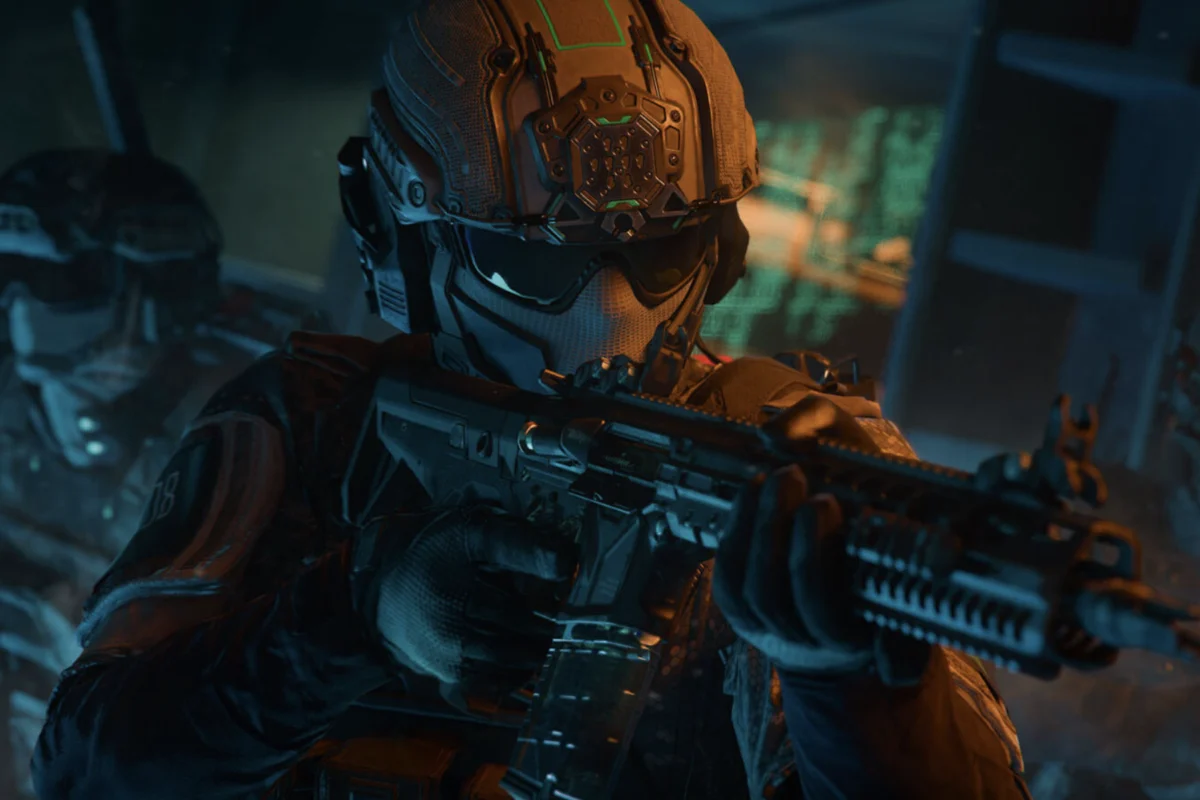
Paramount Pictures’ highly anticipated cinematic adaptation of the globally acclaimed "Call of Duty" video game franchise is being meticulously crafted to eschew the typical superhero spectacle of comic book adaptations, instead aiming for a gritty and deeply human exploration of warfare. Director Peter Berg, known for his unflinching portrayals of military life in films like "Lone Survivor" and "Deepwater Horizon," recently articulated this vision to ComicBook, emphasizing that the film will not present soldiers as invincible caped crusaders. Instead, the focus will be on the profound psychological and emotional toll that combat and the warrior’s existence exact.
The project, penned by acclaimed screenwriter Taylor Sheridan, whose previous works like "Sicario" and "Hell or High Water" are celebrated for their authentic and often brutal depiction of American life and its underbelly, promises to be a departure from conventional blockbuster fare. Berg, a director with a demonstrable affinity for the complexities of military narratives, stated that the script and his directorial approach are fundamentally rooted in understanding the weight of responsibility carried by those who serve. The film is set to draw heavily from the rich lore and character-driven narratives established within the "Call of Duty: Modern Warfare" sub-series, a pivotal departure from the franchise’s World War II origins.
"If you really look at the missions and the storylines and the characters like Captain Price, Soap, Ghost and Alex, these are complicated humans," Berg explained. He elaborated on the nuanced nature of these beloved in-game figures, asserting, "These are not, and no disrespect, cartoon characters or comic books. These are very nuanced storylines; there’s a real soul to the ‘Modern Warfare’ universe." Berg’s sentiment underscores a commitment to portraying the characters not as archetypes, but as individuals grappling with the immense pressures of their profession. While acknowledging the inherent violence, weaponry, and lethal action that define the "Call of Duty" experience, Berg stressed that the film’s core thematic exploration lies beneath the surface. "Yes, there’s violence and hardware and equipment and killing. But underneath it, I think the game, and the creators of the game, are really looking at the cost of war, the cost of having to be a warrior who’s, for whatever reason, chosen to put himself between real danger and the rest of us, and the burden that these guys carry." This philosophical underpinning suggests a narrative that prioritizes the internal struggles and sacrifices of soldiers over gratuitous action sequences.
The "Modern Warfare" series, which first exploded onto the gaming scene with "Call of Duty 4: Modern Warfare" in 2007, represented a significant evolutionary leap for the franchise. It moved away from the historical battlefields of World War II, immersing players in contemporary conflicts with a focus on modern geopolitical tensions, specialized military operations, and the blurred lines between good and evil. This shift allowed for more complex character development and morally ambiguous storytelling, elements that Berg and Sheridan appear poised to translate onto the big screen. While Paramount has remained tight-lipped regarding specific plot details or casting announcements for the film, the choice of the "Modern Warfare" games as a narrative springboard indicates a potential focus on elite special forces units, clandestine operations, and the intricate geopolitical landscapes that have become synonymous with the series.
Berg’s deep personal connection to the special operations community, a sentiment he shared at CinemaCon earlier this year alongside Sheridan, further solidifies the film’s intended authenticity. He stated, "Taylor and I are both deeply connected to the special ops community." This connection is crucial for a director aiming to portray the realities of military service with integrity. The presentation at CinemaCon also served as a powerful reminder of the "Call of Duty" franchise’s unparalleled success. A sizzle reel highlighted the staggering global reach of the games, boasting over one billion players and a cumulative revenue exceeding $35 billion. This immense cultural footprint signifies a built-in audience eagerly anticipating a cinematic translation that respects the source material’s depth and impact.
The journey of bringing "Call of Duty" to the silver screen has been a long and complex one, with Paramount officially announcing their film adaptation in September 2025. Sources close to the production at the time indicated that while the initial focus was on a singular film, the agreement with Activision Blizzard, the game’s publisher, included provisions for the potential expansion of the "Call of Duty" universe across both film and television. This ambitious long-term vision suggests that Paramount sees "Call of Duty" not just as a single movie project, but as a burgeoning franchise with the potential to rival other major cinematic universes. The film is currently slated for a theatrical release on June 30, 2028, a date that allows ample time for the meticulous development and production required to realize Berg and Sheridan’s ambitious vision.
The decision to tap Peter Berg and Taylor Sheridan for this project is significant. Berg’s filmography consistently delves into the physical and psychological demands placed upon individuals in high-stakes environments. Films like "Friday Night Lights" explored the pressures of intense competition and leadership, while "The Kingdom" and "Battleship" (though more action-oriented) touched upon themes of international conflict and military response. Sheridan, on the other hand, has carved a niche for himself by crafting narratives that are both thrilling and thematically rich, often focusing on the moral compromises and human sacrifices inherent in professions that operate outside the conventional societal norms. His dialogue is known for its sharp, often minimalist delivery, and his storytelling frequently explores the rugged individualism and the often-brutal realities faced by those on the fringes of society, including law enforcement and military personnel. The synergy between Berg’s direct, visceral storytelling and Sheridan’s nuanced, character-driven approach is precisely what could elevate a "Call of Duty" movie beyond a mere video game adaptation into a compelling piece of cinema that resonates with a broader audience.
The "Call of Duty" franchise itself has evolved considerably since its inception in 2003. While the initial installments focused on the historical battles of World War II, the introduction of "Call of Duty 2" and subsequently "Call of Duty 4: Modern Warfare" marked a pivotal shift. "Modern Warfare" in particular, with its groundbreaking graphics, intense gameplay, and a narrative that spanned fictional Eastern European conflicts and Middle Eastern theaters, captivated a generation of gamers. It introduced iconic characters like Captain John Price, a grizzled veteran with a pragmatic and often ruthless approach to combat, and John "Soap" MacTavish, a younger operative learning the harsh realities of war. The series also explored themes of terrorism, nuclear proliferation, and the ethical dilemmas faced by soldiers operating in ambiguous conflicts. This rich tapestry of characters, storylines, and thematic elements provides fertile ground for a cinematic adaptation that can explore the human dimension of modern warfare in a way that is both engaging and thought-provoking.
The massive commercial success of the "Call of Duty" franchise, with its consistent record-breaking sales and a deeply ingrained presence in global pop culture, presents both an opportunity and a challenge for Paramount. The challenge lies in meeting the high expectations of a dedicated fanbase while also appealing to a wider audience unfamiliar with the intricacies of the games. Berg’s emphasis on authenticity and the human cost of war suggests a strategy to achieve this balance. By focusing on the internal struggles of characters like Captain Price and his team, the film can offer a compelling narrative that transcends the genre. The "burden that these guys carry," as Berg put it, is a universal theme that can resonate with viewers regardless of their familiarity with the video game. This approach moves away from the often-simplified portrayals of heroism found in many action films and instead delves into the psychological resilience and emotional scars that define the experience of those who engage in combat.
The potential for an expanded "Call of Duty" universe, as hinted at by the initial deal, is also a significant factor in Paramount’s long-term strategy. The "Call of Duty" IP encompasses a vast array of characters, settings, and narrative arcs across its numerous installments. Beyond "Modern Warfare," there are the historical campaigns of the original games, the speculative future warfare of the "Black Ops" series, and the tactical realism of titles like "Modern Warfare 2" and "Modern Warfare 3." Each of these sub-franchises offers unique storytelling opportunities. A successful "Modern Warfare" film could pave the way for spin-offs exploring different eras or factions, or even a shared universe that ties together various storylines. The sheer breadth of the "Call of Duty" brand means that Paramount has the potential to build a sprawling cinematic saga that could rival the longevity and cultural impact of other major franchise endeavors.
In conclusion, Paramount’s forthcoming "Call of Duty" movie, under the direction of Peter Berg and the pen of Taylor Sheridan, is shaping up to be a significant departure from conventional video game adaptations. By prioritizing the human element and the profound consequences of warfare, the filmmakers aim to deliver a cinematic experience that is both authentic and emotionally resonant. The project is poised to leverage the immense popularity of the "Modern Warfare" sub-series, translating its complex characters and nuanced narratives into a compelling on-screen drama. With a strategic focus on the psychological toll of combat and the inherent burdens carried by soldiers, this adaptation seeks to honor the spirit of the games while offering a fresh and impactful perspective on the realities of war, potentially laying the groundwork for a vast and enduring cinematic universe.
