
 By admin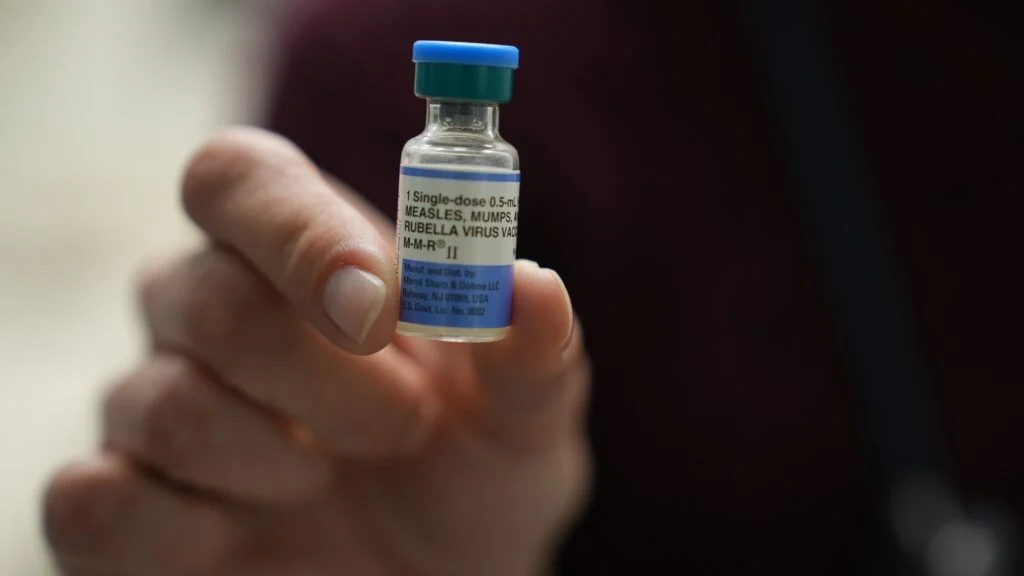
The deaths mark a grim milestone in a year characterized by a rapid and alarming spread of a disease once considered a relic of the past in the Western Hemisphere. Pennsylvania Health Secretary Dr. Debra Bogen expressed profound sorrow over the loss, emphasizing that the lack of public familiarity with the virus has contributed to a dangerous complacency. For over 30 years, measles was effectively suppressed within the Commonwealth, leading many modern parents and residents to view the illness as a minor childhood ailment rather than the life-threatening respiratory and neurological threat it actually is. Dr. Bogen’s warning reflects a broader concern among epidemiologists: as the collective memory of pre-vaccine era complications fades, the urgency to maintain high immunization rates has diminished, leaving the door open for the virus’s return.
The current epidemiological landscape is staggering. The United States is currently navigating its worst year for measles infections since 1991. According to the most recent data from the Centers for Disease Control and Prevention (CDC), the nation has recorded 2,777 cases as of Thursday. This figure represents a sharp escalation from the 2,289 cases documented in 2025, which at the time was considered a catastrophic peak. The fact that the 2026 totals have already surpassed the previous year’s record-breaking count—with several months still remaining in the calendar year—suggests that the domestic outbreak is not yet under control. Last year, the virus claimed three lives; the two recent deaths in Pennsylvania now bring the current year’s toll into sharp focus, raising fears that more fatalities may follow as the virus penetrates deeper into unvaccinated clusters.
Lancaster County, situated to the west of Philadelphia, has become a focal point for health investigators. Known globally as the heart of Pennsylvania’s Amish community, the region presents unique challenges for public health outreach. The Amish, a religious group known for their traditional lifestyle and separation from many aspects of modern society, often exhibit a cultural and religious reluctance toward pharmaceutical interventions, including routine childhood vaccinations. However, health officials are careful to note that vaccine hesitancy is not exclusive to any single demographic. State data indicates that only about 88% of kindergartners in Lancaster County were up to date on their measles, mumps, and rubella (MMR) vaccinations during the most recent school year. This 88% coverage rate falls significantly short of the 95% threshold required to achieve "herd immunity"—the point at which a sufficient portion of the population is immune to prevent the sustained spread of the virus.
The biology of measles makes it one of the most contagious pathogens known to medical science. It is an airborne virus that can linger in the air of a room for up to two hours after an infected person has left. Its basic reproduction number, or R0, is estimated to be between 12 and 18, meaning a single infected individual can, on average, spread the disease to nearly 20 other unvaccinated people. This high level of transmissibility explains why even small gaps in vaccination coverage can lead to explosive outbreaks. Beyond the immediate symptoms of high fever, cough, and the signature maculopapular rash, measles can lead to severe complications such as pneumonia, permanent hearing loss, and encephalitis (swelling of the brain). In rare cases, it can trigger a fatal central nervous system disease known as subacute sclerosing panencephalitis (SSPE) years after the initial infection. Furthermore, recent research has highlighted the phenomenon of "immune amnesia," where the measles virus "wipes" the body’s immune memory of other pathogens, leaving survivors more susceptible to other bacterial and viral infections for years afterward.
The resurgence of measles in Pennsylvania, which has seen nearly 400 cases this year alone, is part of a broader national trend of declining immunization. Federal data released recently shows that overall U.S. kindergarten vaccination rates have continued a slow but steady decline, while the share of children receiving non-medical exemptions has reached an all-time high. Public health experts attribute this shift to several factors, including the proliferation of misinformation on social media, a lingering skepticism of public health institutions following the COVID-19 pandemic, and a general lack of perceived risk regarding vaccine-preventable diseases.
The stakes of this current outbreak extend beyond domestic borders. In November, international health officials are scheduled to convene a critical meeting to evaluate the measles-free status of the United States and Mexico. The U.S. officially achieved the milestone of eliminating local measles transmission in 2000, a feat made possible by a rigorous, decades-long vaccination campaign. "Elimination" does not mean the virus is gone from the world; rather, it means the virus is no longer circulating continuously within a specific geographic area for 12 months or more. If the current rate of transmission persists, the U.S. risks losing this prestigious status, which would signal a significant regression in the nation’s public health infrastructure. Such a downgrade would not only be a blow to the country’s medical reputation but would also necessitate a massive reallocation of resources toward surveillance and emergency response measures.
The crisis in Lancaster County serves as a microcosm of the difficulties faced by health departments nationwide. When an outbreak occurs in a community with low vaccination rates, the process of contact tracing becomes an immense logistical burden. Health workers must identify every individual who may have shared air with an infected person, monitor them for symptoms during the 21-day incubation period, and implement quarantines where necessary. In Pennsylvania, state health officials have been working tirelessly to increase vaccine accessibility and provide education to skeptical communities. Dr. Bogen and her team have emphasized that the MMR vaccine is safe, effective, and the only reliable defense against the virus. The vaccine, which has been in use for over 50 years, provides approximately 97% protection against measles after two doses.
As the nation watches the numbers rise, the deaths in Pennsylvania serve as a tragic reminder of the human cost of declining immunity. For the families in Lancaster County, the "unimaginable loss" described by Dr. Bogen is now a reality. Public health advocates argue that these deaths were entirely preventable, emphasizing that the tools to eradicate measles have existed for generations. The challenge now lies in rebuilding public trust and ensuring that the 95% vaccination target is met once again to protect the most vulnerable members of society—including infants too young to be vaccinated and individuals with compromised immune systems.
Looking ahead to the remainder of the year, health officials are bracing for further transmission as schools remain in session and the holiday travel season approaches. The situation in the U.S. is being mirrored in parts of Europe and Southeast Asia, where measles cases have also spiked, often fueled by the same patterns of vaccine hesitancy and disrupted healthcare services. The upcoming November review by international health bodies will be a watershed moment for American public health policy. Whether the U.S. can maintain its measles-free status will depend heavily on the success of state-level interventions in places like Pennsylvania and the ability of health officials to convince a skeptical public that the threat of measles is not a ghost of the past, but a very real and present danger.
In the interim, the Pennsylvania Department of Health continues to urge residents to check their immunization records and consult with healthcare providers. For those living in high-risk areas like Lancaster County, the message is clear: the virus is circulating, it is deadly, and the window for preventive action is narrowing. The 400 cases in the state and the nearly 2,800 cases nationwide are more than just statistics; they represent a systemic failure to maintain the wall of immunity that once protected the country from one of history’s most prolific killers. As the first measles-related deaths of the year are mourned, the focus remains on preventing the next tragedy through science-based policy and community engagement.
