
 By admin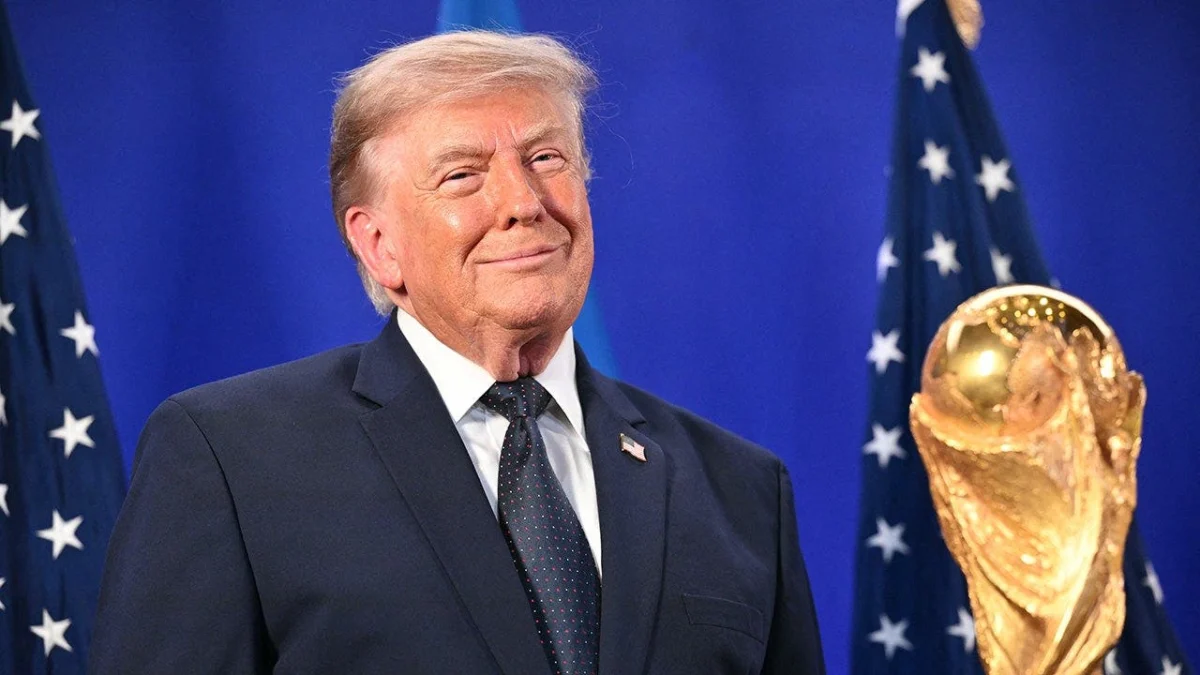
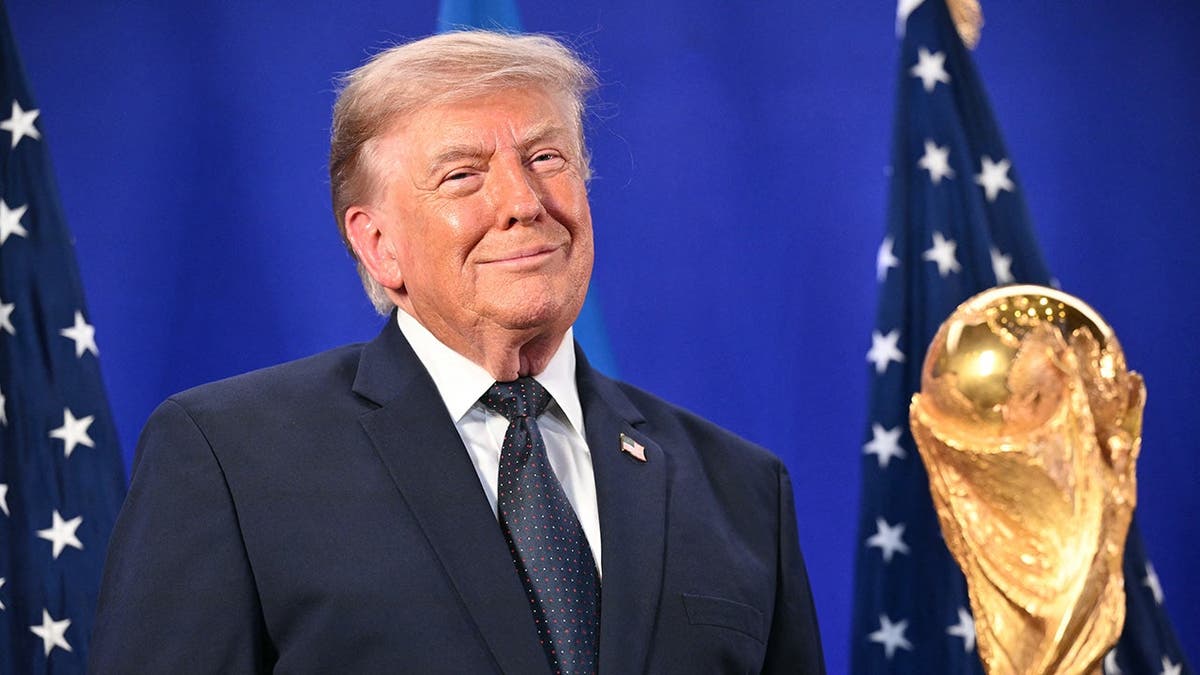
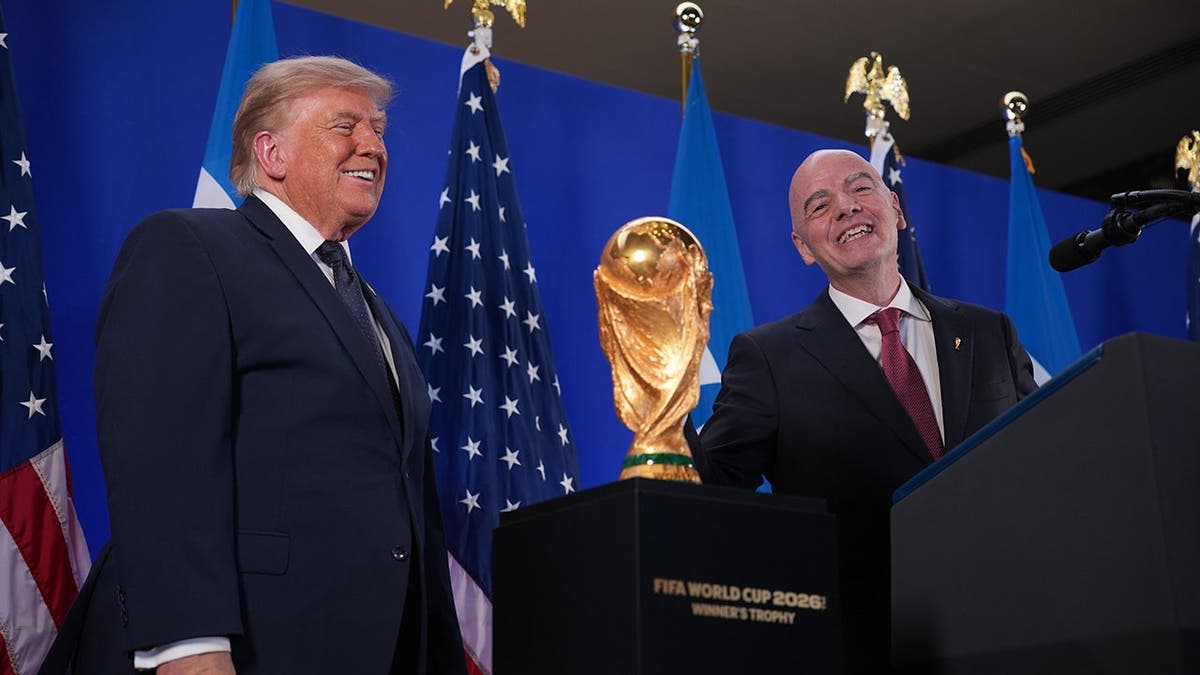
In a spectacle of global sportsmanship and national pride, former President Donald Trump was a prominent figure at the FIFA World Cup final held at the packed New York/New Jersey Stadium on Sunday. The highly anticipated match, pitting traditional powerhouses Spain against the formidable Argentina, drew a sold-out crowd of over 80,000 passionate fans, all eager to witness history unfold on the hallowed turf. President Trump, accompanied by his wife, Melania Trump, occupied a prime suite, offering an unparalleled vantage point for the electrifying proceedings. Seated alongside FIFA President Gianni Infantino, a key architect of the global footballing body, Trump was positioned to experience the event at its highest level.
The pre-game atmosphere was charged with anticipation, further elevated by a stirring rendition of "The Star-Spangled Banner" performed by the immensely talented Jennifer Hudson. While the United States Men’s National Team had seen their World Cup journey conclude in the Round of 16 against Belgium, the nation’s role as one of the three co-hosts for the 2026 tournament, and the venue for this momentous final, provided a distinct sense of occasion. Hudson, known for her captivating vocal prowess, delivered a performance that resonated deeply with the diverse audience, underscoring the shared experience of hosting such a prestigious global event. Her rendition was met with widespread applause, a testament to her artistry and the collective spirit of the occasion.
The broadcast footage captured a moment of palpable excitement as the final notes of the anthem faded, with the stadium erupting in cheers. President Trump was visible in his suite, a silent observer of the unfolding drama, as the applause cascaded onto the pitch. The closing ceremony itself was a star-studded affair, designed to celebrate the culmination of a month-long tournament that had captivated the world. British singer-songwriter Robbie Williams entertained the crowd with his signature style, bringing a touch of international pop culture to the proceedings. Adding to the gravitas of the occasion, acclaimed actor Tom Cruise delivered a powerful speech, emphasizing the themes of togetherness and unity that the World Cup had fostered across the host nations of the United States, Canada, and Mexico throughout the tournament. Cruise’s message resonated with the overarching narrative of the World Cup, which transcends mere athletic competition to become a powerful symbol of global connection.
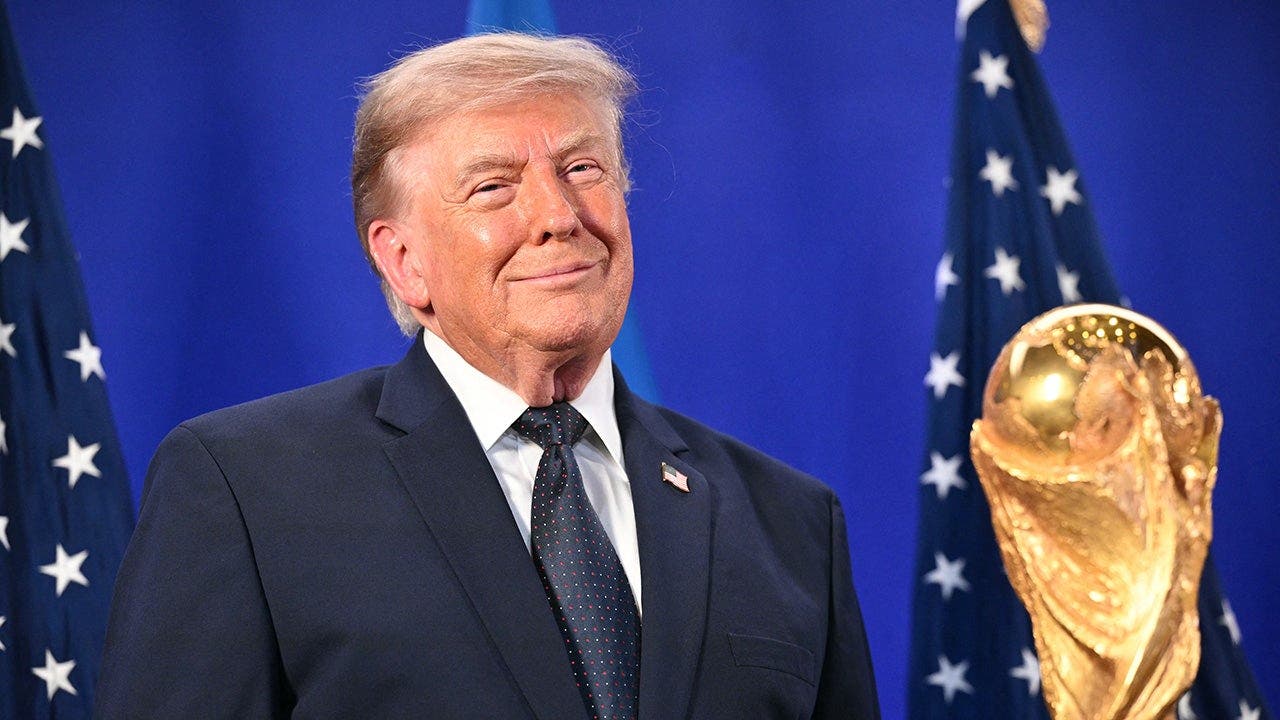
The presentation of the coveted World Cup trophy was a meticulously choreographed spectacle, adding another layer of prestige to the event. Tennis superstar Carlos Alcaraz, a rising icon in his own right, was entrusted with the honor of delivering the trophy, encased in an elegant Louis Vuitton luggage case. This symbolic handover highlighted the blend of sporting excellence and luxury associated with the pinnacle of international football. The responsibility of then presenting the trophy to the victorious team fell to Argentine football legend Mario Kempes, a hero of the 1978 World Cup-winning squad. Kempes, with the weight of history on his shoulders, hoisted the gleaming trophy aloft, allowing the jubilant crowd a first glimpse of the ultimate prize.
As the closing ceremony transitioned into the final showdown, the atmosphere intensified. Both the Spanish and Argentine squads emerged onto the pitch, their demeanor a mixture of focused determination and palpable anxiety. For Lionel Messi and the Argentine national team, this final represented an opportunity to solidify their legacy, aiming to retain their status as world champions following their triumphant victory over France in the 2022 Qatar World Cup. The pressure on Messi, widely regarded as one of the greatest footballers of all time, was immense, as he sought to add another crowning achievement to an already illustrious career.
Conversely, Spain, a nation with a rich footballing heritage, found themselves in their second-ever World Cup Final. Their previous triumph in 2010 had etched their names in footballing history, and this current generation, bolstered by the emerging talent of phenom Lamine Yamal and the seasoned experience of veterans like Mikel Moreno, harbored ambitions of replicating that success. The tactical battles and individual brilliance that were sure to unfold on the pitch promised a captivating contest, with each team driven by the singular goal of lifting the coveted trophy.
The narrative surrounding President Trump’s attendance at the World Cup final also sparked considerable discussion. FOX World Cup announcer, in a notable comment, described Trump’s appearance as a "fun, unique thing" despite the potential for political backlash. This perspective underscored the complex intersection of sports, politics, and public figures, suggesting that such high-profile attendances can transcend partisan divides to become a matter of national interest or even spectacle. The presence of a former head of state at a global sporting event naturally draws attention and can be interpreted through various lenses, reflecting the broader political landscape.
The World Cup, as an event, consistently showcases the unifying power of sport. Tom Cruise’s emphasis on togetherness during the closing ceremony served as a powerful reminder of this inherent quality. The tournament, spanning weeks and involving teams from across the globe, creates a shared experience that transcends national borders and cultural differences. It fosters a sense of global community, where fans unite in their passion for the beautiful game, celebrating the skill, dedication, and sportsmanship displayed by the athletes. This unifying aspect of the World Cup was clearly a central theme highlighted by FIFA and its partners.
The logistical and organizational aspects of hosting a World Cup final are immense, and the New York/New Jersey Stadium, a state-of-the-art venue, provided a fitting stage for such a significant event. Its capacity of over 80,000 underscores the scale of the spectacle and the global appeal of the sport. The stadium’s location, straddling the borders of two major U.S. states, further amplified the sense of a shared national experience, even as the focus was on international competition.
The historical context of the World Cup adds another layer of depth to the event. For Argentina, the prospect of defending their title was a monumental task, harkening back to the legendary status achieved by previous generations of Argentine footballers. The weight of expectation, coupled with the desire to cement their place in footballing immortality, undoubtedly fueled their determination. For Spain, the opportunity to claim a second World Cup title represented a chance to build upon their past glories and establish a new era of dominance in international football. The narrative of legacy, redemption, and the pursuit of greatness is a constant undercurrent in any World Cup final.
The presence of high-profile individuals like President Trump, Melania Trump, and Gianni Infantino at such an event underscores the global significance of the FIFA World Cup. It transforms the stadium into a nexus of power, influence, and cultural exchange. Their attendance, observed by millions worldwide through media coverage, adds an additional dimension to the event, attracting attention beyond the immediate sporting contest. The interaction between these figures, as observed in their shared suite, symbolizes the broader connections between international organizations, political leadership, and the world of sports.
The article also highlights the role of media in shaping the narrative surrounding such events. The mention of the FOX broadcast capturing President Trump’s reaction and the subsequent commentary from a FOX World Cup announcer suggest an awareness of the political undertones that often accompany public appearances by figures like Trump. The framing of his presence as a "fun, unique thing" by the announcer indicates an attempt to de-politicize the event, focusing instead on the spectacle and the shared experience of attending a major sporting final.
In conclusion, President Donald Trump’s attendance at the FIFA World Cup final in New Jersey was a notable event, placing him at the center of a global sporting spectacle. The presence of esteemed figures, the electrifying performances, and the inherent drama of a World Cup final combined to create an unforgettable experience for fans both in the stadium and around the world. The tournament, as a whole, served as a powerful testament to the unifying force of sport, its ability to transcend boundaries, and its capacity to inspire moments of shared joy and national pride. The final match itself, between Spain and Argentina, was the culmination of this global celebration, a contest that would etch its place in the annals of football history. The intricate details of the ceremony, the anticipation of the players, and the symbolic gestures all contributed to a memorable conclusion to a month of intense competition and global camaraderie.
