
 By admin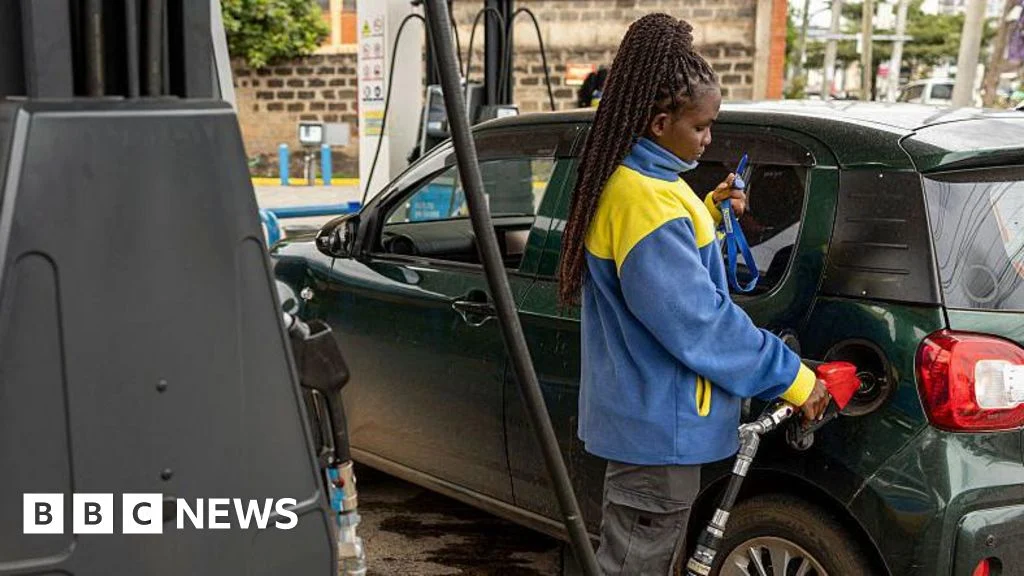
The escalating conflict between the United States and Iran, along with related tensions in the Red Sea and Strait of Hormuz, has sent shockwaves across global energy markets, disproportionately impacting African nations already grappling with economic vulnerabilities. From rolling blackouts in Juba to increased ethanol blends in Zimbabwean petrol, countries across the continent are implementing a range of measures, some drastic, to mitigate the fallout of disrupted oil supplies and soaring fuel prices. These ripple effects are not only straining household budgets and crippling businesses but are also forcing governments to re-evaluate energy strategies and explore alternative solutions.
In South Sudan, a nation intrinsically linked to oil production yet reliant on imported refined fuels, the impact has been severe. The capital, Juba, is now facing a new wave of electricity rationing, adding to existing intermittent cuts that have plagued the city since last May due to maintenance issues. Jedco, the primary electricity distributor, announced rotational power outages, citing the "ongoing Iran-US conflict" as the catalyst for proactive management of "available energy reserves." With 96% of its electricity generation dependent on oil, according to the International Energy Agency, South Sudan’s energy infrastructure is highly susceptible to global price fluctuations and supply disruptions. Ereneo Mogga, an electrical engineer residing in Juba, described the crippling effect of prolonged blackouts, often lasting from late afternoon to early morning, which "paralyses most businesses." For those who can afford it, the only respite is the costly transition to solar power, a luxury out of reach for the majority of the population. This exacerbates existing inequalities, as those with financial means can buffer themselves against the crisis while the less fortunate face mounting hardships.
The island nation of Mauritius, heavily dependent on oil imports for its electricity generation, has declared an energy emergency. The non-arrival of a scheduled oil shipment over the weekend left the country with a precarious 21-day stock. Energy Minister Patrick Assirvaden revealed that alternative fuel supplies were secured from Singapore, with deliveries expected later in April, albeit at a significantly higher cost. This highlights the fragility of energy security for nations with limited domestic production and a reliance on international shipping lanes susceptible to geopolitical instability. The increased cost of these alternative supplies will inevitably be passed on to consumers, further straining household finances.
Across the continent, governments are scrambling to find domestic solutions and reduce their reliance on imported fossil fuels. Zimbabwe, for instance, is significantly increasing the ethanol content in its petrol, raising it from the current 5% to a substantial 20%. This move aims to lessen the demand for imported gasoline and bolster the domestic biofuel industry. Furthermore, the Zimbabwean government has announced plans to waive certain taxes on fuel imports in a bid to curb escalating prices, which have already surged by 40% in less than a month. The impact on the ground is palpable. Nicole Mazarura, a street vendor in Harare selling soft drinks from a pushcart, lamented the inability to increase her prices due to the competitive market, forcing her to absorb the rising costs. Her transport expenses have doubled, making it increasingly difficult to sustain her livelihood. "If transport costs go back to where they were, I can survive," she stated, echoing the sentiment of many small business owners struggling to adapt to the new economic reality.
Ethiopia has implemented a tiered fuel allocation system, prioritizing security institutions, major government projects, key industries, and the production of essential goods. The Ethiopian Oil and Energy Authority’s directives also mandate petrol stations to give precedence to public transport and impose restrictions to conserve fuel. In a more extreme measure, authorities in the Tigray region, grappling with fears of renewed civil conflict, have announced a complete suspension of fuel supplies, underscoring the complex and often intertwined crises facing some African nations. In Kenya, reports indicate that 20% of petrol stations are experiencing supply shortages, attributed by an association representing petroleum outlets to panic buying and dwindling stock levels. Vivo Energy Kenya, a distributor of Shell products, acknowledged "temporary stock-outs" at some of its service stations due to increased demand and is working to replenish supplies. However, Kenya’s energy ministry has denied a widespread shortage, accusing retailers of hoarding fuel in anticipation of price hikes and urging citizens against panic buying.
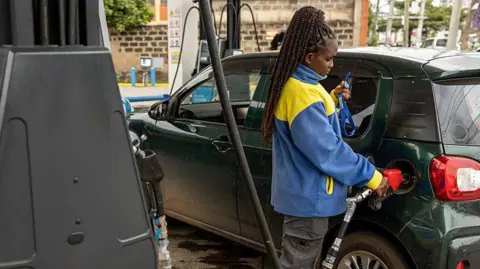
The conflict’s impact extends beyond fuel. Kenya’s vital floriculture industry, a significant export earner, has been severely affected by shipping disruptions caused by the war in Iran and a decline in demand from the Middle East. The Kenya Flower Council reported losses exceeding $4.2 million (£3.15 million) in the past three weeks, with one farm manager south of Nairobi revealing they are now "discarding almost 50%" of their daily exports, down from 450,000 stems. The Kenya Ports Authority has consequently prioritized the export of perishable goods like tea, flowers, and avocados on maritime routes, which have become longer and more circuitous due to diversions away from the Strait of Hormuz.
Neighboring Uganda has assured its citizens of sufficient fuel supplies, with the government warning fuel distributors against price gouging. In contrast, South Africa, Africa’s second-largest economy, has sufficient fuel supplies in the immediate term, according to an official government statement on Thursday, advising against panic buying. However, officials acknowledge that a prolonged conflict could impact availability and prices in the coming months.
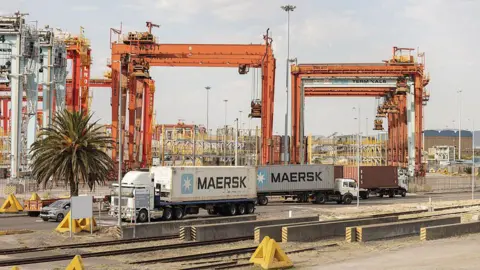
Paradoxically, the disruptions in traditional shipping lanes could present an economic opportunity for some African nations. Ports in South Africa and along the southern and eastern coasts of Africa may benefit from increased maritime traffic as tankers and containers reroute around the Cape of Good Hope to avoid the Red Sea and the Strait of Hormuz. Timothy Walker, Senior Researcher at the Institute for Security Studies, noted that these "new longer routes are going to put increasing pressure on many of the offshore port areas in southern Africa – Walvis Bay, Cape Town, Durban, Maputo, Dar es Salaam." He anticipates that ships will "potentially be looking to stop there and resupply themselves, pick up new food supplies or new crew," injecting economic activity into these regions.
Africa’s largest oil producer, Nigeria, stands to gain from the potential rise in global oil prices. The country has offered to increase its oil output to help meet global demand, which could boost government revenues. However, Dumebi Oluwole, a lead economist in Lagos specializing in oil, cautions that the benefits for ordinary Nigerians may not be immediate. "Even if the government and oil companies earn more revenue, ordinary people may not feel the benefit immediately because if international petrol prices rise, transport costs increase everywhere," she explained. This underscores the complex relationship between commodity prices, national economies, and the daily lives of citizens, especially in countries where fuel subsidies are either absent or inadequate.
The interconnectedness of the global energy market means that geopolitical events in one region can have far-reaching and multifaceted consequences for others. African nations, often on the periphery of major global conflicts, find themselves bearing the brunt of price volatility and supply chain disruptions. The current crisis serves as a stark reminder of the urgent need for greater energy independence, diversification of energy sources, and robust economic policies that can shield vulnerable populations from external shocks. The measures being adopted, from rationing to increased biofuel use, represent a short-term response to an immediate crisis, but the long-term challenge lies in building resilient energy systems that can withstand future global uncertainties. The coming months will reveal the true extent of the Iran war’s impact on Africa’s economies and the efficacy of the strategies deployed to navigate this turbulent period.
Additional reporting by Michael Teferi, Nichola Mandil and Marco Oriunto.