
 By admin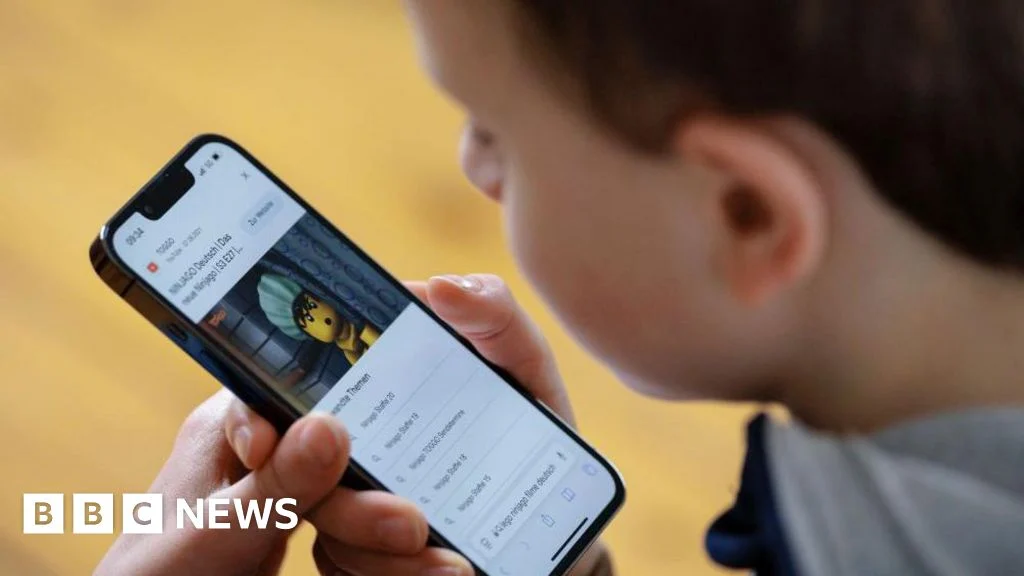
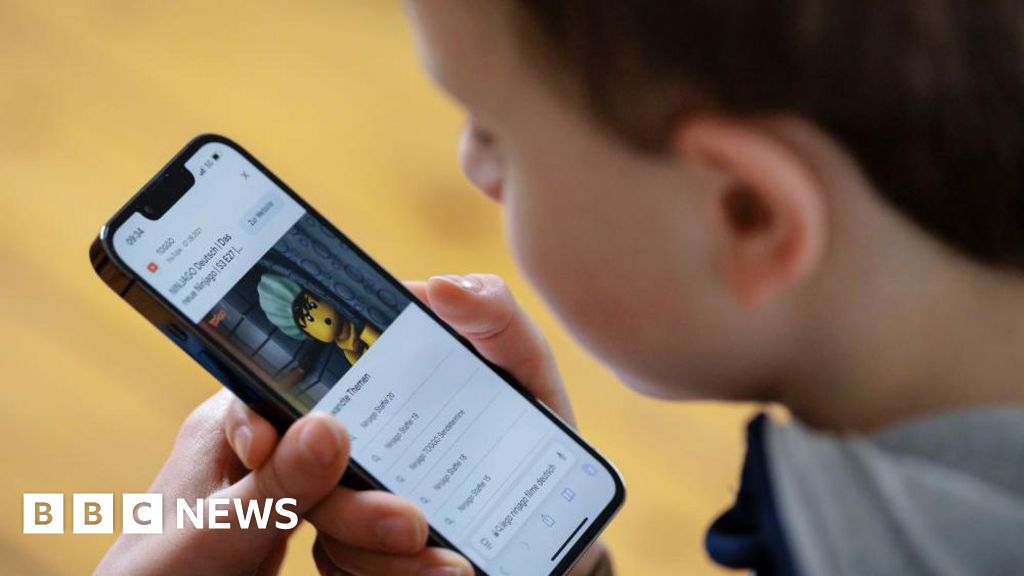
Vice-Chancellor Andreas Babler, a prominent figure within the Social Democrats, articulated the government’s rationale, stating that inaction was no longer tenable in the face of social media’s documented capacity to foster addiction and negatively impact children’s well-being. Babler drew a powerful parallel, asserting that the responsibility of politicians to safeguard the digital lives of children should be viewed with the same gravity as regulations governing substances like alcohol and tobacco. "There must be clear rules in the digital world too," he emphasized, underscoring the urgent need for robust digital governance. The proposed ban aims to shield children under 14 from the insidious grip of addictive algorithms, a cornerstone of many social media platforms designed to maximize user engagement. Babler further elaborated on this point, drawing a comparison to other information providers that already adhere to stringent guidelines for protecting young audiences from harmful content, arguing that similar protections are now imperative within the digital realm.
Austria’s initiative is not an isolated incident but rather a reflection of a global trend. An increasing number of countries are contemplating or enacting restrictions on children’s social media use, driven by mounting concerns over the potential exposure to inappropriate, harmful, or psychologically damaging content. Social media companies, when confronted with these criticisms, often highlight their existing age restrictions, typically barring users under 13 from creating accounts. However, persistent questions linger regarding the effectiveness and enforcement of these policies, as well as the availability of parental control features on their platforms.
The international landscape of child online protection is rapidly evolving. Australia, in December, became the first nation to implement a ban on social media for individuals under 16, setting a significant precedent. The United Kingdom has initiated a public consultation process to explore the feasibility of a similar ban for under-16s. Other European nations are also actively considering comparable measures. Spain and Ireland are contemplating restrictions for those under 16, while Denmark and Greece are looking at a threshold of under 15. These diverse age cutoffs underscore the ongoing debate and the varied approaches being considered by governments worldwide.
Austrian Education Minister Christoph Wiederkehr, representing the liberal Neos party, lent his support to the proposed ban, unequivocally denouncing the "harmful" nature of social media and stressing the importance of equipping young people with the skills for responsible digital engagement. The state secretary for digitalisation, Alexander Pröll of the conservative ÖVP, confirmed that a draft bill detailing the legal framework for the ban is slated for presentation by the end of June. This legislative proposal is anticipated to incorporate the technical specifications for an age verification mechanism, a crucial component for the effective implementation of such a ban. Babler indicated that Austria would consider leveraging an existing European Union system for age verification if it proves to be ready and effective, but affirmed that a national plan would be pursued independently if necessary.
The proposed ban has not been without its critics. Christian Hafenecker, the general secretary of the far-right opposition Freedom Party, decried the move as a "direct attack on young people’s freedom of expression and freedom of information." This sentiment highlights the ongoing tension between the desire for child protection and the principles of digital liberty.
However, political analysts suggest that the proposed ban is likely to resonate favorably with the Austrian public. Thomas Hofer, a political analyst, commented on the strategic positioning of the government, stating, "The government is trying to evoke the feeling that, in turbulent times, they have at least something under control." He further elaborated on the broad appeal of such a policy, noting, "Such a ban is very popular, also among parents. So, it’s one of the easy points that they can make across party lines." Hofer pointed out that in other policy areas, the ruling coalition parties are often on the defensive, facing challenges related to the economy, budget deficits, and rising inflation. The social media ban, therefore, presents an opportunity for the government to demonstrate proactive leadership and address a pressing parental concern.
The coalition government’s proposed social media ban is being advanced in conjunction with significant reforms to the secondary school curriculum. These reforms include an expanded emphasis on civic education, incorporating more lessons on democracy and artificial intelligence, while concurrently reducing the number of Latin lessons. This dual approach signifies a broader governmental agenda to reshape educational priorities and prepare students for a rapidly evolving technological and societal landscape. The integration of digital literacy and critical thinking skills, alongside traditional academic subjects, reflects a recognition of the challenges and opportunities presented by the digital age.
The debate surrounding children and social media is complex, with numerous factors contributing to the growing concern among policymakers, educators, and parents. Research from various psychological and public health organizations has consistently pointed to potential negative impacts of excessive social media use on young people. These include increased risks of cyberbullying, exposure to unrealistic body image standards, sleep disturbances, and a decline in mental well-being, with studies indicating correlations between heavy social media use and higher rates of anxiety and depression among adolescents. The addictive design of many platforms, employing features like infinite scrolling, push notifications, and variable reward systems, further exacerbates these concerns by making it difficult for users, especially developing minds, to self-regulate their engagement.
The "FOMO" (Fear Of Missing Out) phenomenon, amplified by constant exposure to curated online lives, can lead to social comparison and feelings of inadequacy. Furthermore, the spread of misinformation and disinformation on social media poses a significant threat to the cognitive development and critical thinking abilities of children. The algorithms that personalize content can create echo chambers, reinforcing existing beliefs and limiting exposure to diverse perspectives, which is crucial for healthy intellectual growth.
The implementation of an age verification system is a critical logistical and technical challenge. Various methods are being explored globally, ranging from self-declaration (which is easily circumvented) to more sophisticated solutions involving government-issued IDs, biometric data, or third-party verification services. Each approach carries its own set of privacy implications and potential for circumvention. Austria’s commitment to exploring an EU-wide system, if viable, suggests a desire for a coordinated European approach to digital child protection, which could offer greater consistency and effectiveness. However, the fallback to a national plan underscores the urgency and the willingness to act unilaterally if necessary.
The "digital native" generation, while adept at navigating digital technologies, may lack the developed cognitive and emotional maturity to fully comprehend the risks and consequences associated with their online activities. This generational divide in understanding and experience necessitates proactive measures from societal institutions. The proposed Austrian ban can be seen as an intervention aimed at creating a necessary protective buffer during a crucial developmental period.
The comparison to regulating alcohol and tobacco is particularly apt. These substances, while offering potential for enjoyment or social interaction, are recognized as having significant health risks, particularly for young people, and are therefore subject to stringent age restrictions and marketing controls. The argument is that social media, in its current form, presents a comparable, albeit different, set of risks that warrant similar regulatory attention. The addictive nature of the platforms and their potential to negatively impact mental health align with the public health concerns that have historically driven the regulation of substances known to be harmful.
The inclusion of more lessons on democracy and artificial intelligence in the reformed curriculum is also a significant development. As children spend more time online, understanding the principles of democratic engagement and the ethical implications of AI becomes increasingly vital. This educational focus suggests a recognition that simply restricting access is not a complete solution; fostering digital citizenship and critical media literacy are equally important components of preparing young people for the digital age. The reduction in Latin lessons, while potentially controversial, signals a prioritization of skills deemed more relevant to the contemporary world, including technological fluency and an understanding of complex societal systems.
In conclusion, Austria’s proposed social media ban for children under 14 represents a significant step in the global effort to safeguard young people in the digital realm. It reflects a growing consensus among policymakers that the unfettered access of children to social media platforms carries inherent risks that require proactive intervention. While the precise mechanisms of implementation and the potential for circumvention remain subjects of ongoing discussion, the Austrian initiative, alongside similar efforts in other countries, signals a pivotal moment in the ongoing dialogue about the responsible governance of the digital world and the protection of its most vulnerable users. The success of such policies will likely depend on a multi-faceted approach that combines legislative action, technological innovation, robust enforcement, and a concerted effort to educate both children and parents about the complexities of online life.
