
 By admin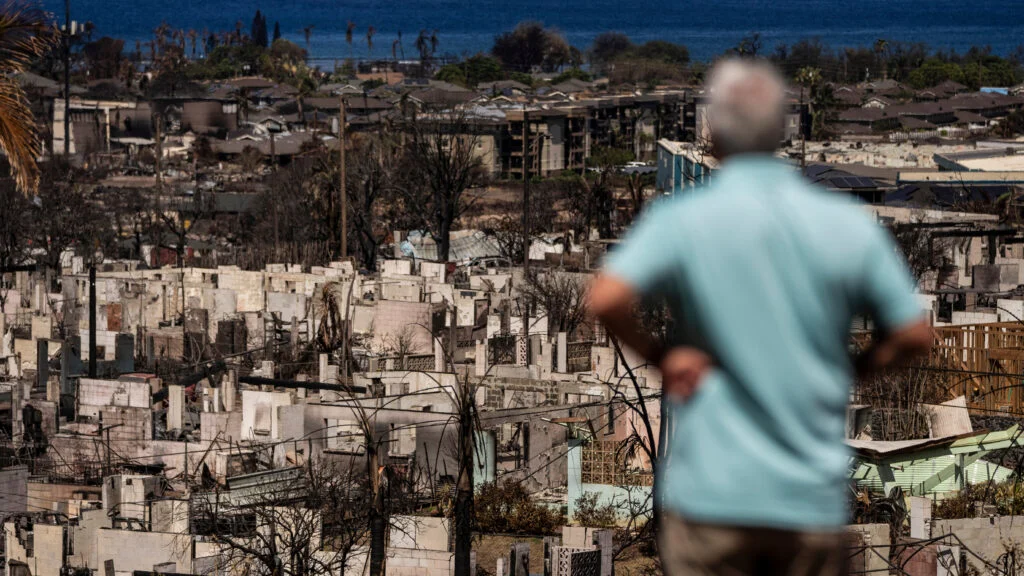
The Maui Wildfire Exposure Study (MauiWES), led by researchers at the University of Hawai‘i, represents one of the most comprehensive post-disaster biological monitoring efforts ever conducted in the United States. By analyzing the urine samples of 1,400 adult residents, researchers were able to quantify the internal "chemical load" carried by survivors and those living in the fire’s shadow. The results were startling. Even 18 months after the fires were extinguished, participants showed substantially elevated concentrations of heavy metals, including arsenic, cadmium, copper, and antimony. These are not merely environmental pollutants; they are potent toxins that, when inhaled or ingested through contaminated dust and soot, can wreak havoc on the human respiratory and cardiovascular systems.
The specific chemical profile of the Maui exposure differs significantly from traditional forest fires. In a typical wildfire involving only wildland vegetation, the primary concern is particulate matter (PM2.5) and carbon monoxide. However, the Lāhainā fire was an "urban-interface" disaster. It didn’t just burn trees and grass; it incinerated a densely populated town, melting thousands of vehicles, vaporizing modern electronics, and leveling historic buildings constructed with legacy materials like lead paint and pressure-treated wood. The result was a "toxic cocktail" of industrial-grade contaminants. Researchers found that antimony levels in Maui participants were nearly 40 times higher than the national average found in U.S. biomonitoring data. Manganese was 3.8 times higher, barium 2.3 times higher, and arsenic 2.2 times higher.
Antimony, often used in flame retardants, lead-acid batteries, and various electronic components, is particularly concerning. Chronic exposure to antimony is known to cause respiratory irritation, "antimony pneumoconiosis," and gastrointestinal issues. Arsenic, a well-known carcinogen, was historically used in Hawai‘i’s agricultural industry and in the treatment of building lumber to prevent termite damage. When these materials burned, they released these elements into the atmosphere as microscopic particles that eventually settled into the soil and house dust of the surrounding communities.
The physiological impact of these elevated metal levels was clearly reflected in the respiratory data collected by the study. Participants with the highest concentrations of metals in their systems were significantly more likely to exhibit abnormal lung function. During standard spirometry tests, these individuals showed reduced breathing capacity and difficulty moving air in and out of their lungs. This "restrictive" lung pattern is often a precursor to chronic obstructive pulmonary disease (COPD) or pulmonary fibrosis. The study also highlighted a clear geographic correlation: those living in the immediate vicinity of Lāhainā, as well as the nearby hubs of Wailuku and Kahului, suffered far worse respiratory outcomes than those in the upcountry region of Kula, where the fire fuel was primarily vegetation rather than urban structures.
Alika Maunakea, a co-principal investigator of MauiWES and a professor at the University of Hawai‘i at Mānoa, emphasized that the complexity of these chemical exposures requires a new approach to disaster recovery. "What we’re dealing with… is a much more complicated mixture of these chemical exposures," Maunakea noted. He explained that the environment and the land itself become vectors for disease long after the smoke clears. This "environmental memory" means that every time the wind kicks up dust in Lāhainā or a construction crew disturbs the soil during rebuilding, the community is potentially re-exposed to the same toxins that were released on the night of the fire.

The implications of this study extend far beyond the shores of Maui. As the planet warms, the "wildland-urban interface" (WUI) is becoming the new front line of climate-related disasters. In regions like California, Colorado, and the Mediterranean, fires are increasingly moving out of the wilderness and into suburban and urban centers. This shift transforms wildfires from ecological events into industrial accidents. The Maui study serves as a blueprint for what other communities can expect in the wake of such tragedies. It suggests that air quality monitoring must be maintained for years, not weeks, and that "recovery" must include comprehensive soil remediation and long-term health surveillance for affected populations.
Furthermore, the study addresses the role of climate change in exacerbating these risks. Human-caused global warming has created a "tinderbox" effect in Hawai‘i, where invasive, non-native grasses—which flourished on former plantation lands—have become highly flammable under drought conditions. These grasses acted as a fuse for the Lāhainā fire, which was driven by hurricane-force winds. The researchers argue that as these events become more frequent, the cumulative health burden on survivors will grow, potentially leading to a generational decline in public health if mitigation strategies are not implemented.
Ruben Juarez, another co-principal investigator of MauiWES and a professor of health economics, pointed out that the scope of the problem is "bigger than wildfires." He argued that hurricanes, floods, and other climate-related disasters also disturb legacy contaminants—such as heavy metals from old industrial sites or lead from historic infrastructure—creating similar pathways for human exposure. "Disaster response should not stop when visible danger is gone," Juarez stated. This perspective challenges the current federal and state disaster models, which often prioritize immediate debris removal and infrastructure repair over the long-term biological monitoring of the survivors.
Despite the compelling data, the researchers acknowledged certain limitations. Because there was no comprehensive biomonitoring data for the Maui population prior to August 2023, it is difficult to determine exactly how much of the metal concentration is a direct result of the fire versus pre-existing environmental factors, such as volcanic activity (Vog), historic agricultural pesticide use, or dietary habits. However, the sheer magnitude of the antimony and arsenic spikes, coupled with the clear correlation between proximity to the burn zone and respiratory distress, provides a strong "smoking gun" for the fire’s role in this health crisis.
The human element of this crisis cannot be overstated. For the people of Maui, many of whom are Native Hawaiian or members of marginalized communities, the health impacts are layered upon existing social and economic vulnerabilities. Dr. Kekoa Taparra, a physician at UCLA who specializes in chronic diseases among Pacific Islander populations, noted that these disasters produce "longer-lasting consequences through displacement, disruption of healthcare and social networks, and environmental exposures." He warned that the true mortality rate of the Maui wildfires might not be known for decades, as chronic lung diseases and cancers related to metal exposure take time to manifest.
As Lāhainā begins the agonizingly slow process of rebuilding, the MauiWES study provides a critical warning: the soil and the dust remain a threat. The researchers are calling for more robust public health interventions, including the widespread use of HEPA air filtration in homes near the burn zone, specialized medical screenings for residents, and more aggressive dust-control measures during the cleanup process. The study concludes that building resilient communities in the age of climate change requires more than just fire-resistant architecture; it requires a healthcare system capable of treating the invisible wounds left behind by toxic ash. The lessons learned on Maui must now inform global disaster policy, ensuring that the survivors of future fires are not left to breathe in the poisonous remnants of their past.
