
 By admin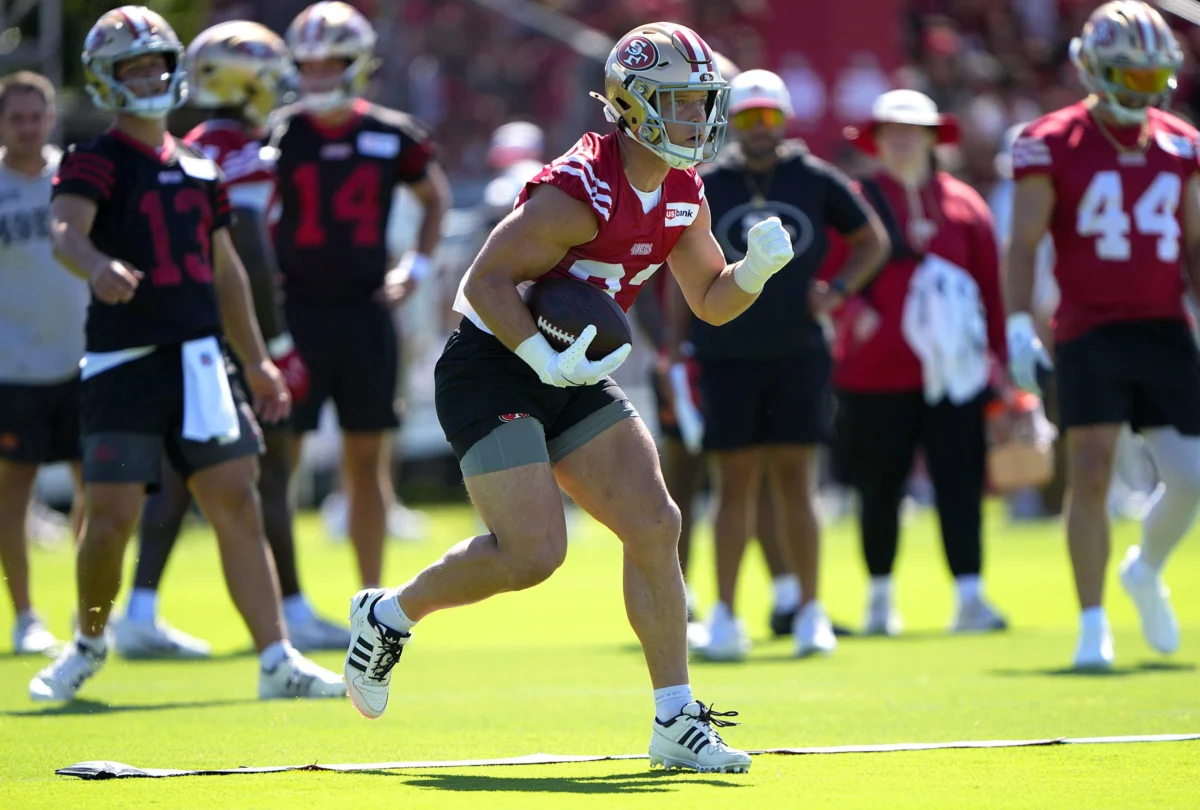
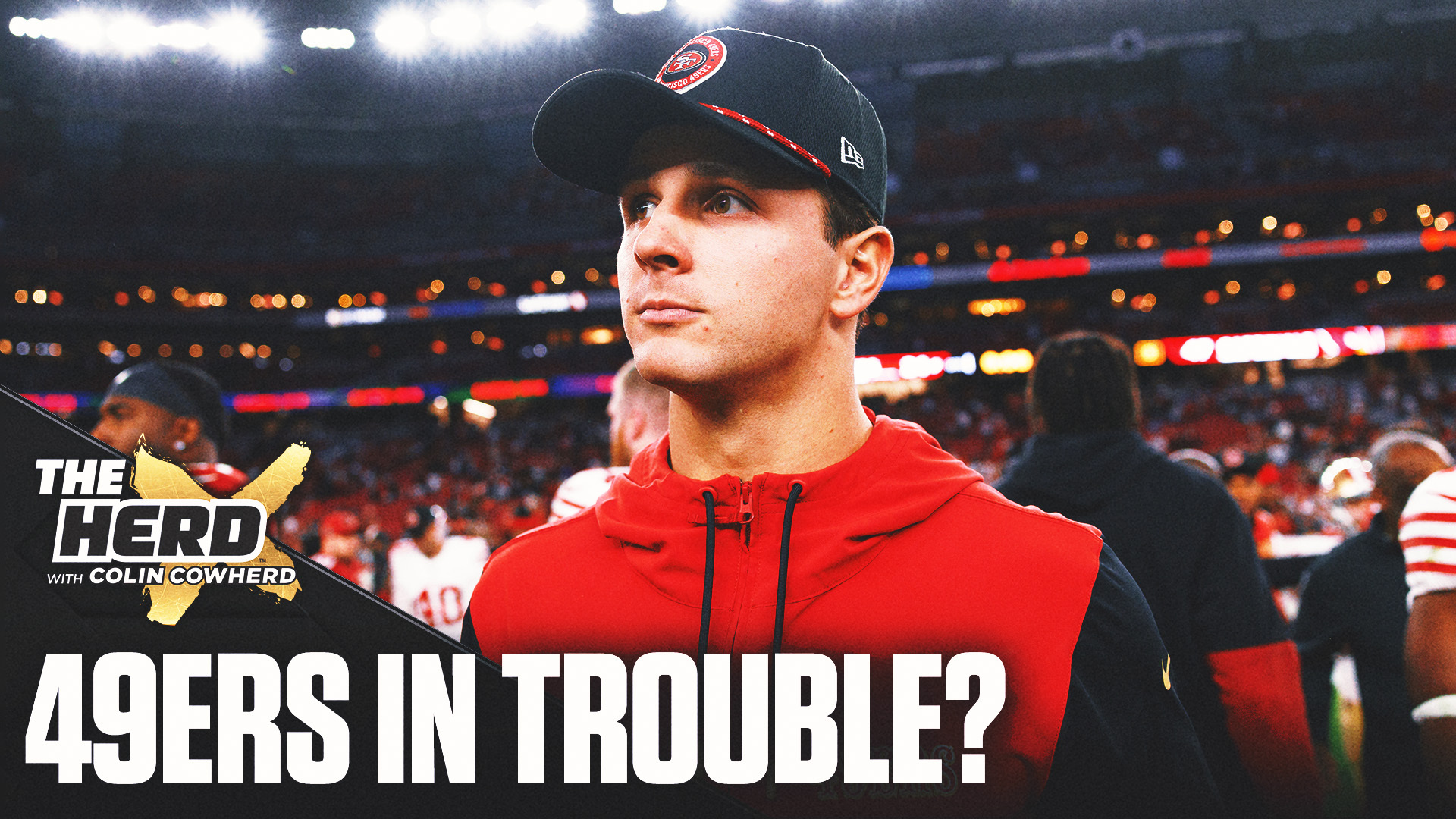
The San Francisco 49ers, a perennial contender in what is widely considered the most formidable division in the National Football League, the NFC West, are facing a uniquely challenging path into the upcoming regular season. A confluence of factors, including a significant rash of early-season injuries, the recovery timelines of veteran core players returning from surgeries, and most recently, unsettling off-field news surrounding the team’s ownership, has cast a shadow of doubt over their championship aspirations. Renowned sports media personality Colin Cowherd, during his Monday broadcast of "The Herd," has articulated a pessimistic outlook, questioning the team’s ability to maintain its elite standing in the highly competitive National Football Conference.
Cowherd, known for his candid and often provocative takes on sports narratives, drew a stark analogy to describe the 49ers’ current predicament, stating, "I tend to think the Niners are very close to pulling a Thelma and Louise and driving off the cliff here." This dramatic comparison highlights his concern that the team’s accumulated challenges could lead to a significant and rapid decline in performance, mirroring the ill-fated journey of the iconic 1990s film protagonists.
On paper, the 49ers have made strategic moves to bolster their roster. The acquisition of star wide receiver Mike Evans was a significant coup, intended to inject more explosiveness into their passing attack and provide a dynamic threat for opposing defenses. Furthermore, the re-signing of linebacker Dre Greenlaw was crucial for solidifying a position group that is vital to the team’s defensive identity and success. These additions, on the surface, suggest a team committed to reloading and maintaining its competitive edge.
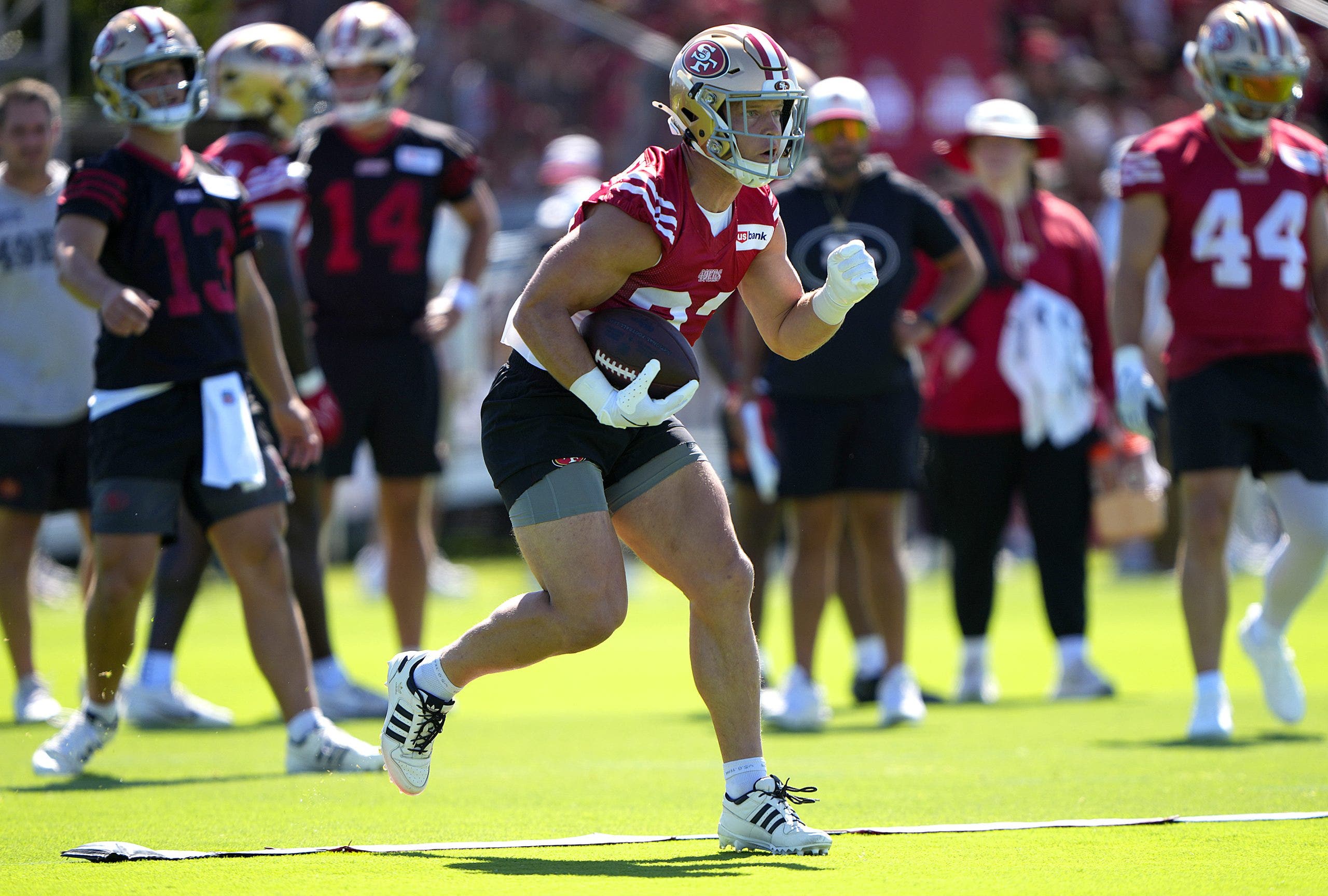
However, a closer examination reveals a more complex reality marked by significant physical question marks surrounding key personnel. Tight end George Kittle, a linchpin of the 49ers’ offensive scheme and a beloved figure within the organization, is still actively working his way back from Achilles surgery. His availability for Week 1 remains a point of contention, and his recovery timeline is being closely monitored. Similarly, running back Christian McCaffrey, the undisputed offensive engine of the team and a record-breaking performer in the previous season, is currently operating under a planned load management schedule during practice sessions. This proactive approach to managing his reps is a direct acknowledgment of the physical toll his high-usage role exacts and the importance of his sustained health throughout the grueling 17-game regular season and potential playoff run.
It is precisely these age and recovery factors that Cowherd emphasizes as critical hurdles for San Francisco. He points out that the roster is heavily reliant on a core group of established veterans, many of whom are navigating the complexities of returning from significant surgical procedures. This dependence on older players, while understandable given their proven track records, inherently carries a greater risk of setbacks and prolonged recovery periods.
"This is an old, old team, oldest roster in the NFL, and almost all their old guys are coming off serious surgeries," Cowherd elaborated, meticulously listing the key figures he believes are critical to the 49ers’ success and are currently facing recovery challenges. "They are really dependent on five older players: Trent Williams, left tackle, he’s 38. Kittle, going to be a hall of farmer, coming off surgery. Nick Bosa, coming off his second surgery. Christian McCaffrey led the NFL in touches. Mike Evans, who is often banged up, though I love him and Fred Warner off a surgery as well."
The inclusion of Trent Williams, a future Hall of Famer at left tackle, at the age of 38, underscores the veteran presence and the associated physical demands of his position. Nick Bosa, a Defensive Player of the Year caliber player, is recovering from his second surgery, raising questions about his ability to immediately recapture his dominant form. Fred Warner, the heart and soul of the 49ers’ defense, is also returning from surgery, adding another layer of concern to the linebacker corps. The sheer volume of veteran players operating under post-surgical protocols presents a unique challenge for the coaching staff in terms of conditioning, game readiness, and managing the wear and tear of an NFL season.
Compounding the concerns about veteran health are the recent injury woes that have befallen the 49ers’ more recent high draft selections, further exposing potential depth issues. Cowherd highlighted this point with palpable frustration, stating, "Don’t forget their last two first-round picks: Ricky Pearsall, out for the year, injured. Mykel Williams, who is a great young talent, he’s banged up and won’t be there for Week 1." The immediate loss of Pearsall, a highly anticipated rookie wide receiver, for the entire season is a devastating blow to the team’s offensive potential and future development. The uncertainty surrounding Mykel Williams’ availability for the crucial opening weeks further depletes an already challenged roster. Cowherd’s summation of this situation, "They are hanging on by peptides and a prayer," is a colorful, albeit stark, indictment of the team’s current state of vulnerability.
When evaluating the competitive landscape of the NFC West, the 49ers’ challenges are magnified by the recent draft success of their divisional rivals. Cowherd specifically pointed to the Seattle Seahawks and the Los Angeles Rams as teams that have excelled in the draft over the past three years, consistently unearthing impactful young talent with minimal misses. This contrasts sharply with the 49ers’ recent injury misfortunes with their top draft picks. This disparity in draft execution and subsequent player development means that the 49ers may find themselves as underdogs in divisional matchups that they have historically dominated. "The Seahawks and the Rams have drafted so brilliantly over the last three years, very few misses. Those are four games the Niners go in as an underdog," Cowherd projected, underscoring the potential for a significant shift in divisional power dynamics.
The 49ers’ early-season schedule offers a degree of perceived relief. Following an overseas trip to Australia, the team is slated to play consecutive home games against the Miami Dolphins and the Arizona Cardinals. This initial homestand could provide an opportunity to gain momentum and potentially mask some of their early-season struggles. However, this favorable stretch is quickly followed by a more daunting sequence of matchups, including critical divisional games against the Seattle Seahawks and the Denver Broncos, which will truly test their mettle.
Despite any perceived scheduling advantages, Cowherd remains unconvinced of San Francisco’s long-term viability as a playoff contender over a full 17-game slate. His assessment is not a reflection of a lack of respect for the coaching staff, the talent of key players like McCaffrey, or the overall organizational structure. Rather, it is a calculated conclusion based on the cumulative weight of the challenges the team is currently facing. "I don’t think they’re a playoff team," Cowherd declared with conviction. "I love the coach. I love McCaffrey. I love the organization. I think they’re heading right for a cliff." This strong statement suggests that, in his estimation, the combined forces of age, injury, and external pressures are too significant to overcome, potentially leading to a season that falls far short of the high expectations that have become synonymous with the San Francisco 49ers in recent years. The path forward for the 49ers is undeniably arduous, and the narrative surrounding their season will likely be dominated by their ability to navigate these complex obstacles.
