
 By admin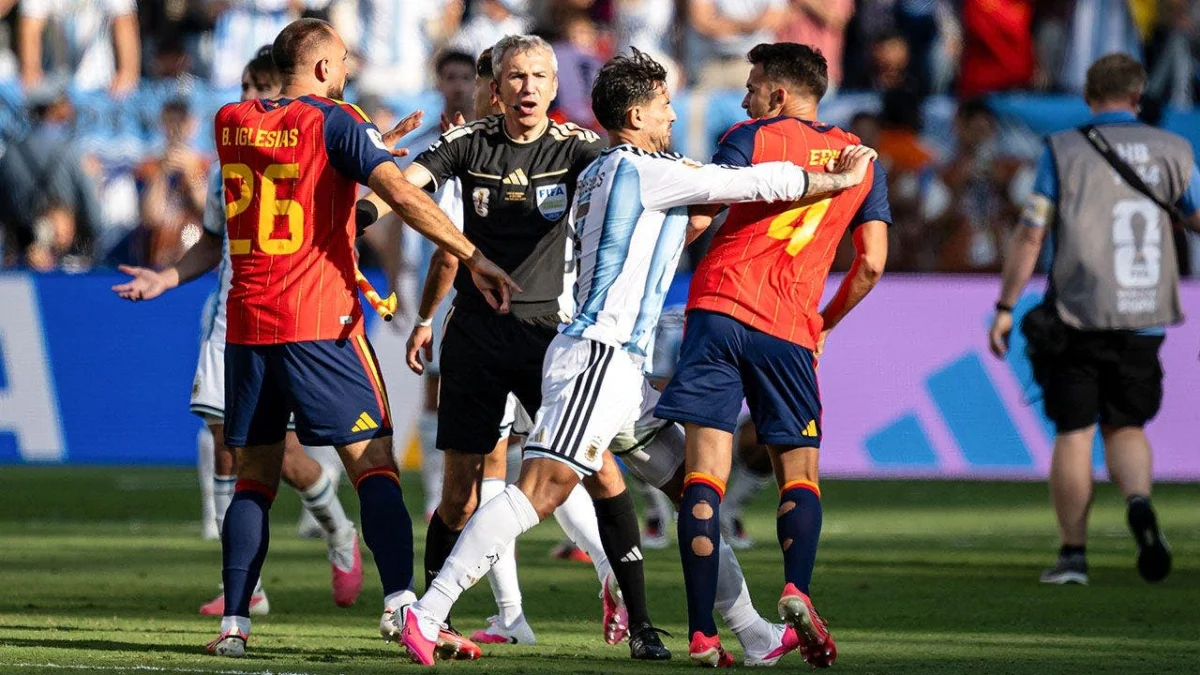
In a dramatic conclusion to the 2026 FIFA World Cup, Spain has been crowned champions after a hard-fought extra-time victory over Argentina at the iconic New York New Jersey Stadium. The thrilling final, broadcast live on "The Big Weekend Show" with Fox News chief correspondent Jonathan Hunt providing the on-the-ground report, was ultimately overshadowed by a heated post-match brawl that saw multiple players involved in a physical altercation.
The intense match, which remained deadlocked through regulation time, was decided in extra time by a pivotal goal from Spain’s Ferran Torres. His strike secured a historic 1-0 triumph for Spain, marking their ascent to the pinnacle of international football. However, the jubilant celebrations for the Spanish squad were quickly juxtaposed with scenes of acrimony as tensions flared between the two South American and European giants.
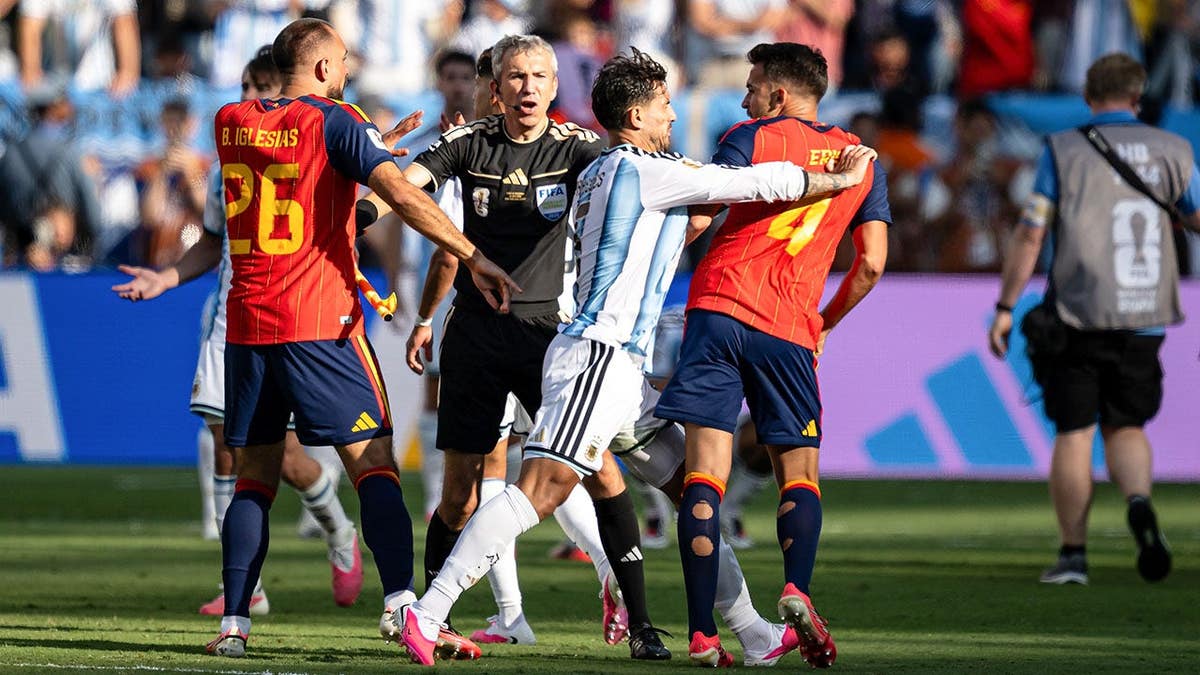
The aggressive nature of the contest, particularly from the Argentinian side, appeared to boil over in the aftermath of the final whistle. Reports indicate that the chippiness that characterized much of the match escalated into a full-blown confrontation. Central to the incident was Argentinian midfielder Leandro Paredes, who was seen entering a scuffle between players and making physical contact with Spanish defender Eric García, notably placing his hand on García’s throat. This aggressive act led to Paredes being shown a red card by the referee, even after the match had officially concluded.
Paredes’ disciplinary issues were not confined to the post-match melee. He had previously been booked with a yellow card during the game for a particularly aggressive tackle shortly after entering the pitch as a substitute, underscoring the fiery temperament displayed by the Argentinian team throughout the final.
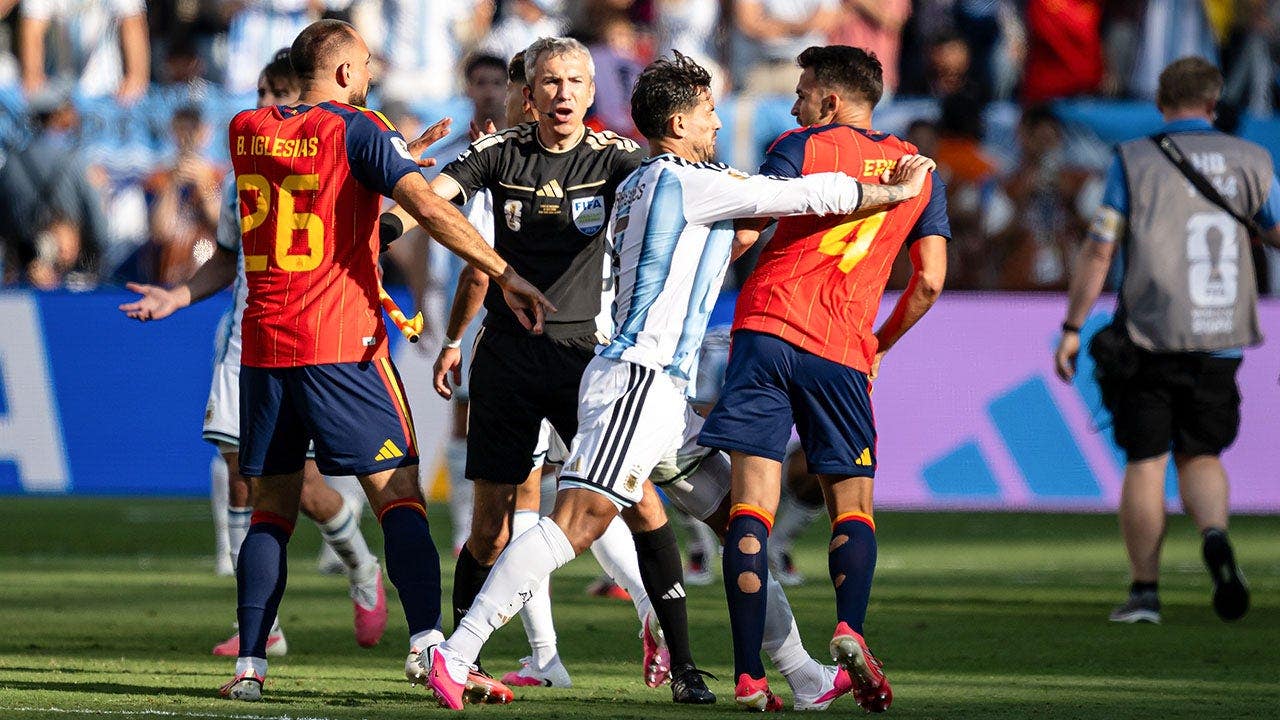
The confrontation extended beyond Paredes and García. Argentina’s head coach, Lionel Scaloni, was reportedly held back by a Spanish player as he engaged in heated exchanges with individuals on the opposing bench. Similarly, veteran Argentinian defender Nicolas Otamendi was observed in a verbal dispute with several Spanish players, including key midfielder Rodri.
In the wake of the incident, Argentinian head coach Lionel Scaloni addressed the team’s performance and the subsequent brawl. "We are gracious in victory, and we must be so in defeat," Scaloni stated, as quoted by ESPN. "We accept the loss; we gave everything. We were stretched thin coming into this, but giving it your all, like they did today, sets a great example for our people and our country. You lose, and you have to pick yourself up again." Despite his conciliatory words regarding the defeat, the images of the brawl painted a starkly different picture of the team’s conduct.
The post-match conduct of the Argentinian players drew sharp criticism from media personalities. BBC pundit Joe Hart, known for his outspoken nature, did not mince words in his condemnation of the brawl. "There was one man on the pitch who did have class and that was Lionel Messi, who shook hands with every one of those Spanish players," Hart remarked, as reported by Goal.com. "The game’s done. They could have absolutely no complaints about what happened today. Disgusting behavior." Hart’s sentiment highlighted a perceived lack of sportsmanship from the majority of the Argentinian squad, contrasting it with the exemplary conduct of their legendary captain, Lionel Messi, who was noted for his dignified approach despite the bitter defeat.
The 2026 FIFA World Cup, hosted across various stadiums in the United States and Canada, culminated in a final that will be remembered for both its sporting brilliance and its unfortunate display of unsportsmanlike conduct. The New York New Jersey Stadium, a state-of-the-art venue, provided a spectacular backdrop for a match that showcased the highest level of footballing talent. Spain’s triumph represents a significant achievement for the nation, adding a coveted World Cup trophy to their decorated footballing history.
Spain’s journey to the final was a testament to their consistent performance and strategic prowess throughout the tournament. Their ability to navigate the knockout stages, culminating in a decisive victory against a formidable Argentinian side, underscores their status as a dominant force in world football. The team’s blend of experienced veterans and emerging talents proved to be a winning formula, allowing them to overcome the challenges posed by some of the world’s best national teams.
Argentina, on the other hand, entered the final with high expectations, fueled by a passionate fanbase and the enduring legacy of their footballing heroes. While they ultimately fell short of securing the ultimate prize, their presence in the final signifies their continued strength and competitiveness on the international stage. The team’s fighting spirit, evident even in the controversial aftermath, speaks to the deep-rooted passion for football within the nation.
The incident involving Leandro Paredes and Eric García, and the subsequent widespread confrontation, raises pertinent questions about player conduct and the pressure associated with high-stakes international tournaments. FIFA, the sport’s global governing body, is expected to review the events and potentially impose sanctions on the involved players and the Argentinian Football Association. Such incidents, while unfortunately not unprecedented in the history of the World Cup, detract from the spirit of fair play and the positive image that the tournament strives to project.
The refereeing performance throughout the match was a significant factor. While the referee managed to maintain control for the majority of the game, the intensity of the final moments tested his authority. The decision to issue a red card to Paredes post-match, though justifiable given his actions, highlights the difficulty referees face in controlling emotions when the stakes are so high.
Looking ahead, the 2026 FIFA World Cup will be remembered for Spain’s glorious victory, Ferran Torres’ match-winning goal, and the unfortunate post-match brawl. The images of players confronting each other will linger, serving as a stark reminder of the fine line between intense competition and unsportsmanlike behavior. For Spain, this is a moment of unparalleled triumph, a culmination of years of dedication and hard work. For Argentina, it is a bitter pill to swallow, a reminder that while talent and passion are crucial, discipline and sportsmanship are equally vital components of a champion team. The world of football will undoubtedly reflect on these contrasting narratives as the dust settles on this dramatic World Cup final.
The context of the 2026 World Cup being held in North America adds another layer to this narrative. The unprecedented joint hosting by the United States and Canada provided a global stage for the sport, drawing immense crowds and widespread media attention. The final’s location in the New York New Jersey Stadium, a symbol of modern sporting infrastructure, amplified the grandeur of the occasion. The tournament itself was widely praised for its organization, fan experience, and the sheer spectacle it offered, making the post-match incident a particularly disappointing coda to an otherwise successful event.
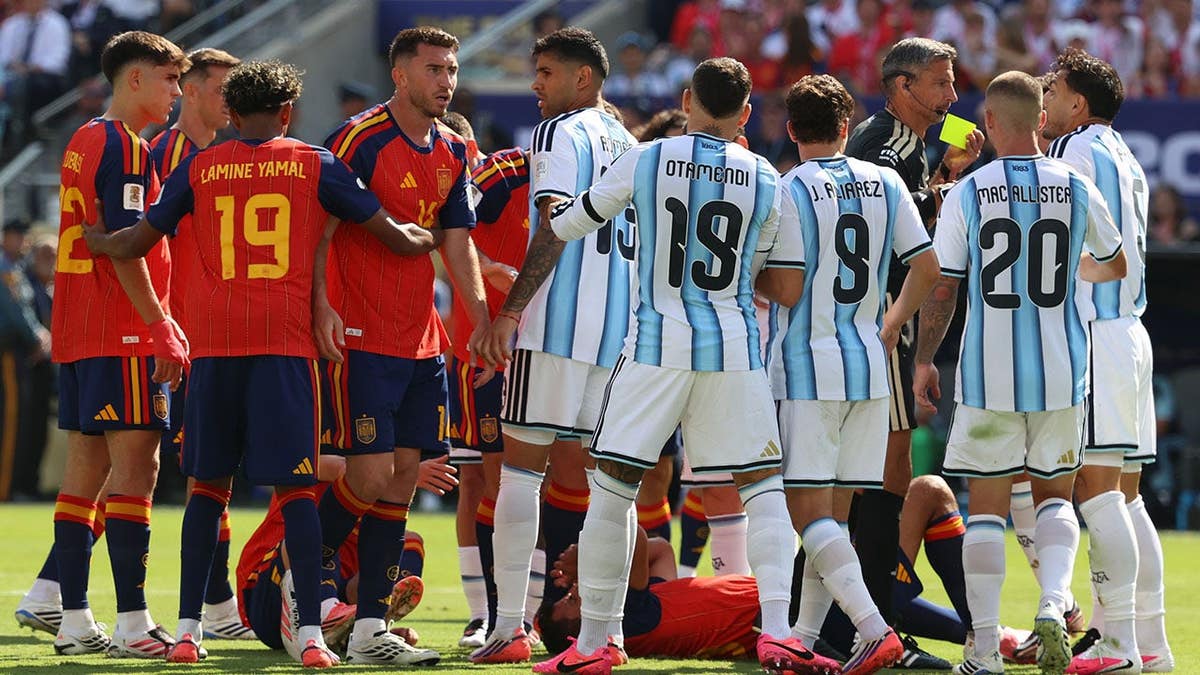
The role of social media and the 24/7 news cycle in amplifying such incidents cannot be overlooked. Footage of the brawl quickly went viral, sparking debates and analyses across various platforms. This immediate and widespread dissemination of controversial events puts immense pressure on players and officials to conduct themselves impeccably, as their actions are subject to constant scrutiny. The analysis of the brawl will likely involve discussions about player discipline, the impact of refereeing decisions, and the psychological pressures faced by athletes at the highest level of competition.
The diplomatic aspect of international sports also comes into play. While the rivalry between Spain and Argentina is fierce on the field, the incident could potentially have diplomatic repercussions, especially if official complaints are lodged. However, in the spirit of sport, the focus typically shifts towards reviewing disciplinary actions and ensuring that such occurrences are minimized in future tournaments.
The individual stories within the broader narrative are also compelling. For players like Ferran Torres, this was the moment of a lifetime, a goal etched into the annals of football history. For veterans on both sides, it may have been their last chance at World Cup glory, adding an emotional weight to the proceedings. The contrasting emotions – the elation of victory for Spain and the profound disappointment and anger for Argentina – are what make the World Cup such a captivating and often heart-wrenching spectacle.
The report from Fox News chief correspondent Jonathan Hunt, detailing the events live from the stadium, provided viewers with immediate and impactful coverage. The integration of video content, as indicated by the initial HTML structure, further enhances the immersive experience of sports reporting, allowing audiences to witness the drama unfold. The inclusion of images, with their respective captions, serves to visually document the key moments, from the on-field confrontations to the referee’s actions.
The broader implications for football development and player education are also worth considering. Incidents like this serve as cautionary tales, emphasizing the importance of teaching younger generations of players the values of respect, fair play, and resilience. The long-term legacy of this World Cup will undoubtedly be shaped by how the footballing world responds to and learns from the events of this dramatic final. Spain’s victory is a moment of national pride, but the shadow of the brawl will undoubtedly cast a long and complex shadow over their celebrations.
