
 By Titik Puspa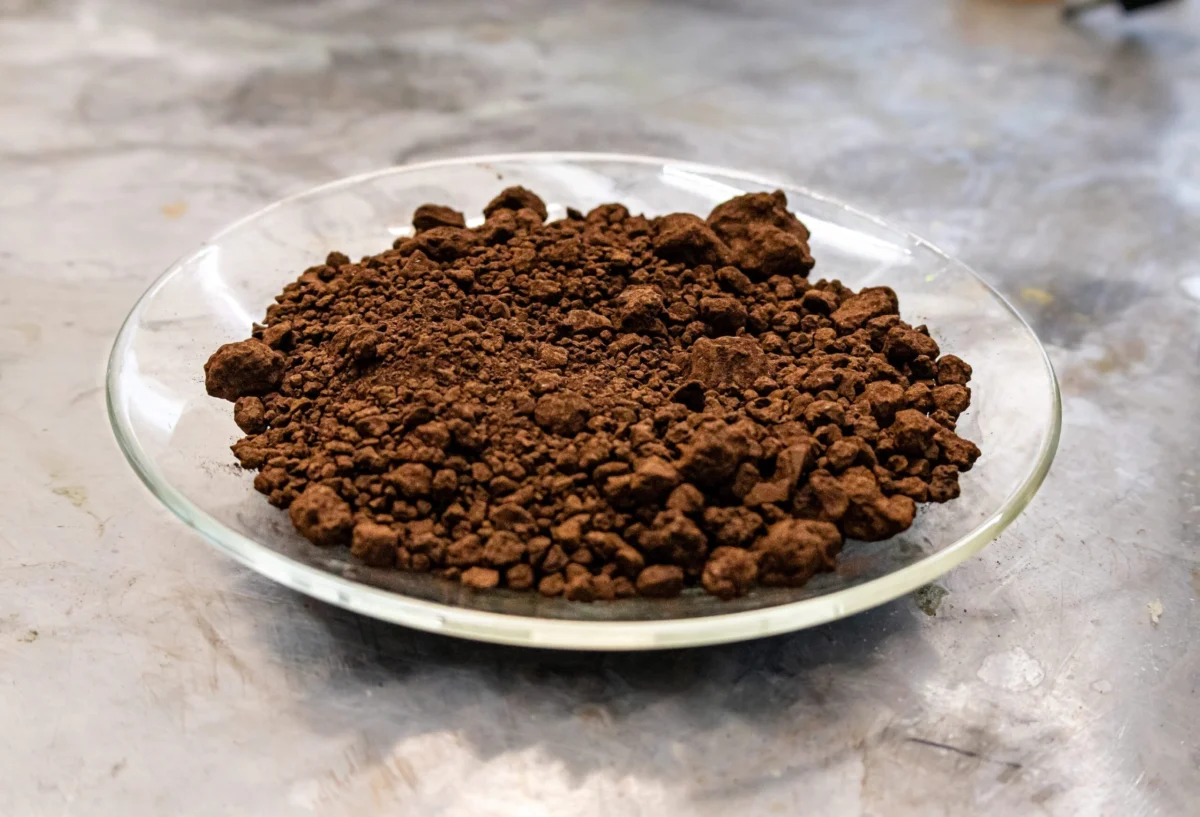
The ubiquitous presence of aluminum in modern life, from the foil wrapping our sandwiches to the lightweight frames of our aircraft, has undeniably reshaped civilization. Yet, this indispensable metal leaves behind a monumental environmental burden: an estimated more than 3 billion tons of red mud, the caustic byproduct of the Bayer process used to refine bauxite ore into alumina, are currently stockpiled in vast, open-air ponds and sprawling mounds across the globe. This crimson-hued waste, a stark visual testament to industrial activity, has long been considered a costly environmental liability, a problematic legacy of aluminum production. However, for Sumedh Gostu, the co-founder and CEO of Fast Metals, this seemingly intractable waste stream represents a potent, untapped reservoir of valuable resources, a veritable "treasure in the caustic waste."
"It is a very rich resource," Gostu articulated to TechCrunch, emphasizing the inherent potential locked within the seemingly barren red mud. "If you attack with the right chemistry, it can be very profitable." This conviction stems from a revolutionary approach pioneered by Fast Metals, a startup poised to redefine waste management and resource extraction in the aluminum industry. The company’s breakthrough lies in a proprietary chemical process that not only extracts valuable minerals from red mud but also ingeniously integrates another problematic waste stream generated by alumina refineries, thereby enhancing the economic viability of the entire operation.
This groundbreaking initiative has garnered significant investor confidence, culminating in a $4.3 million pre-seed funding round. The round was spearheaded by New Climate Ventures, signaling a strong alignment with the company’s mission to address critical environmental challenges. Further bolstering the investment were contributions from Azolla Ventures, Astor Swiss, and Rio Tinto’s accelerator, Founders Factory, underscoring the broad industry recognition of Fast Metals’ innovative potential. The participation of a major mining and metals conglomerate like Rio Tinto is particularly noteworthy, suggesting a strategic interest in solutions that can mitigate environmental impact and unlock new revenue streams from previously discarded materials.
The distinctive vermillion color of red mud is primarily attributable to its high iron oxide content, making iron the most abundant compound within the mixture. However, beneath this dominant element lies a more complex mineralogical composition that holds significant economic promise. Red mud is a veritable cocktail of valuable elements, including critically important minerals such as titanium, aluminum (in forms other than the primary product), and a suite of rare earth elements (REEs). These REEs, essential for a vast array of modern technologies from high-strength magnets in wind turbines and electric vehicles to advanced electronics and defense systems, are often subject to volatile supply chains and geopolitical concerns. Extracting them from a readily available waste source presents a compelling alternative to traditional, often environmentally disruptive, mining operations.
Despite the acknowledged presence of these valuable minerals, red mud has largely been overlooked as a viable resource due to the prohibitive cost and technical complexity associated with separating the desired elements from the overwhelming abundance of iron oxide. "Despite its mineral riches, red mud has largely been ignored because it has been too expensive to separate those minerals from the iron oxide," Gostu explained. "We are removing that impediment." This statement encapsulates the core of Fast Metals’ innovation: developing a cost-effective and efficient method to unlock the latent value within this pervasive industrial byproduct.
The genesis of Fast Metals’ revolutionary process can be traced back to Gostu’s doctoral research at the Colorado School of Mines, a renowned institution for its expertise in mining, metallurgy, and materials science. During his academic pursuits, Gostu meticulously designed the foundational steps of the extraction methodology. However, a crucial piece of the economic puzzle remained elusive until a serendipitous conversation with his fellow co-founder, Anthony Staley. This pivotal exchange illuminated a pathway to significantly enhance the process’s profitability. "We were like, ‘oh wait, there’s a waste stream which can make the whole process very economical, and it’s lying right there,’" Gostu recounted, highlighting the critical realization that another refinery byproduct could serve as a key enabler for their red mud valorization strategy. This synergistic approach, where waste meets waste to create value, is a hallmark of truly sustainable industrial innovation.
The Fast Metals process involves a sophisticated, multi-stage chemical treatment applied to red mud. Over six distinct steps, the company utilizes a combination of proprietary reagents and the aforementioned complementary waste stream to selectively precipitate and separate various minerals. This intricate choreography of chemical reactions allows for the isolation of different valuable components, each with its own distinct market value. The beauty of the system lies in its economic architecture: the most abundant mineral extracted, iron, is leveraged to cover the operational expenses of the process, effectively making the extraction of other, higher-value minerals pure profit. "Iron pays for the opex, and the other stuff is profit," Gostu stated succinctly, illustrating the elegantly designed financial model.
The profit potential is indeed substantial, driven by the significant market demand and price disparities for the extracted minerals. For instance, titanium dioxide, a widely used pigment in paints, plastics, and cosmetics, commands a respectable price of around $2.50 to $3 per kilogram. More remarkably, the extraction of scandium oxide, a rare earth element crucial for lightweight aluminum alloys used in aerospace and automotive industries, can yield substantial returns. Scandium oxide is valued at approximately $750 per kilogram, highlighting the immense financial upside of efficiently recovering these less common but highly sought-after elements from red mud. The recovery of other critical minerals, potentially including various lanthanides and yttrium, further amplifies the economic allure of Fast Metals’ technology.
With the substantial pre-seed funding secured, Fast Metals is now poised to scale up its groundbreaking process from laboratory and pilot-scale operations to a commercial level. The company has already established a significant commercial milestone: a contract with Metalox, a reputable mineral processor, to treat one ton of red mud and refinery waste per week commencing later this year. This pilot program will serve as a crucial validation of the technology’s commercial readiness and operational efficiency, paving the way for larger-scale deployments. The successful execution of this contract will not only demonstrate the technical feasibility but also the economic viability of Fast Metals’ approach on an industrial scale, potentially attracting further investment and partnerships.
The environmental implications of Fast Metals’ innovation are as profound as its economic potential. The accumulation of red mud poses significant environmental risks, including the potential for land and water contamination due to its high alkalinity and the presence of heavy metals. By transforming this hazardous waste into a valuable resource, Fast Metals offers a compelling solution for mitigating these environmental liabilities. This circular economy approach not only reduces the need for virgin resource extraction but also addresses the legacy of industrial pollution, contributing to a more sustainable future for the aluminum industry and beyond. The successful commercialization of this technology could serve as a blueprint for tackling other persistent industrial waste streams, fostering a paradigm shift towards resource recovery and waste valorization.
The journey of Fast Metals is a compelling narrative of scientific ingenuity meeting market demand, fueled by a commitment to environmental stewardship. The company’s ability to unlock the hidden value within red mud, a material long considered an industrial curse, positions it at the forefront of the burgeoning circular economy and the critical minerals revolution. As the world grapples with the dual challenges of resource scarcity and environmental degradation, innovations like those pioneered by Fast Metals offer a beacon of hope, demonstrating that even the most problematic waste streams can be transformed into opportunities for economic growth and a cleaner planet. The successful scaling of their technology promises not only financial returns but also a significant positive impact on the global environmental landscape, turning a toxic legacy into a valuable asset for generations to come. The company’s strategic partnerships, robust funding, and clear path to commercialization suggest that red mud may soon be recognized not as a burden, but as a bountiful source of essential materials.
