
 By admin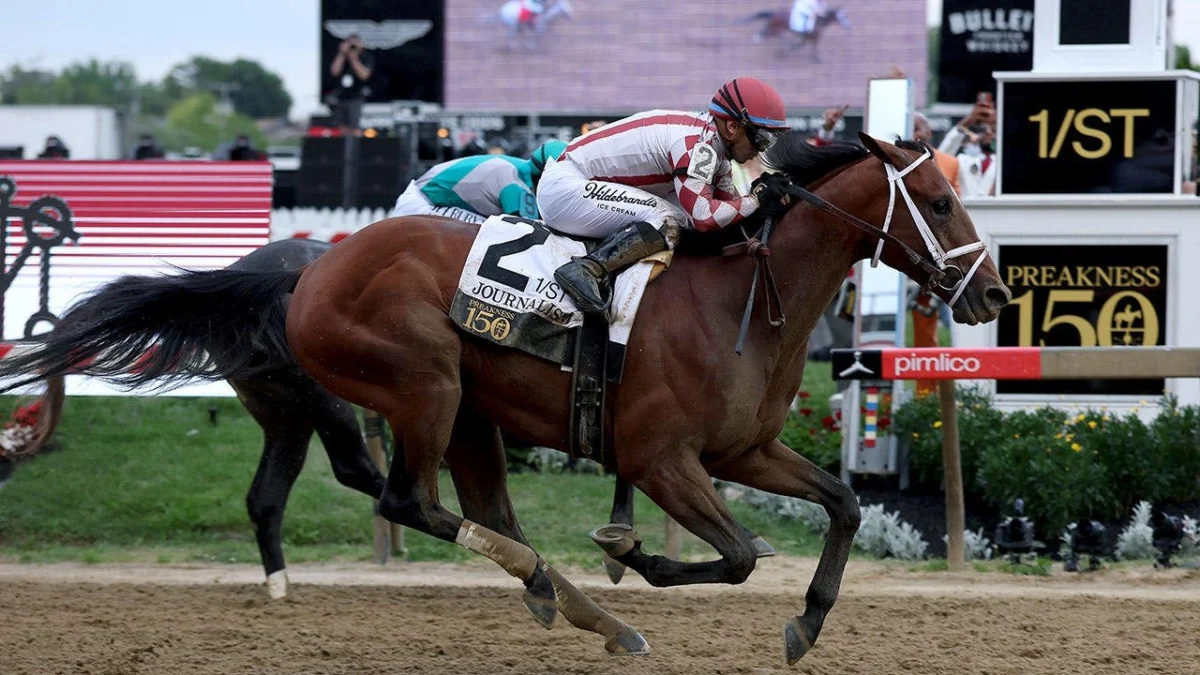
Horse racing is on the cusp of a transformative era, with significant shake-ups to the sport’s most prestigious events promising to redefine how the Triple Crown is perceived and experienced by fans and participants alike. In a landmark announcement, Churchill Downs Incorporated and the New York Racing Association (NYRA) have unveiled a comprehensive six-race championship series designed to create a season-long narrative for three-year-old Thoroughbreds. This ambitious initiative, set to launch in 2027, directly incorporates two of the Triple Crown races – the Kentucky Derby and the Belmont Stakes – while strategically adjusting the timing and emphasis of the second jewel, the Preakness Stakes, in a bid to bolster attendance and revive declining participation rates in the series.
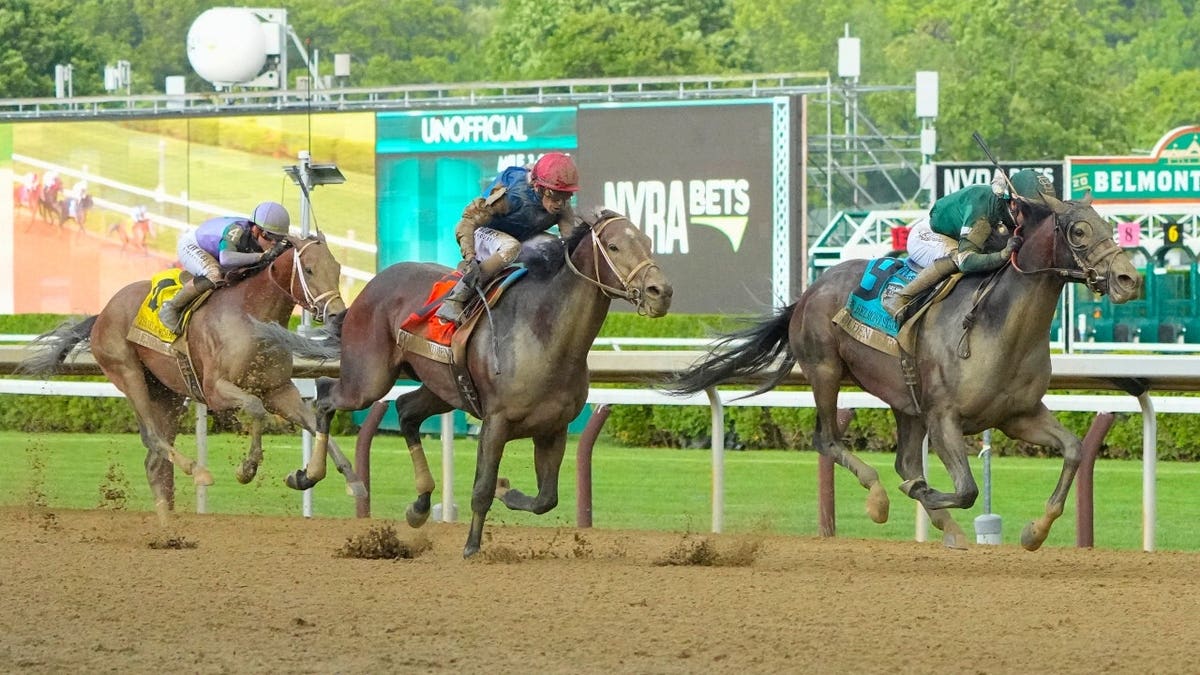
The newly formulated championship series will feature a curated selection of elite races, including the iconic Kentucky Derby and the Belmont Stakes, both cornerstone events of the Triple Crown. Alongside these historic races, the series will encompass the Matt Winn Stakes at Churchill Downs in Louisville, scheduled for July, and the prestigious Jim Dandy and Travers Stakes at Saratoga Race Course later in the summer. Adding further weight to the season-long competition, a championship race will be held at Churchill Downs in September, serving as a crucial lead-in to the Breeders’ Cup in the fall. Notably, the 2027 Breeders’ Cup is slated to take place at Belmont Park on Long Island, further cementing the interconnectedness of these major racing events.
However, the most dramatic alteration within this new framework involves a significant shift in the traditional calendar of one of the Triple Crown races. The Preakness Stakes, historically held just two weeks after the Kentucky Derby, will be rescheduled for 2027 to create a more substantial interval between the first and second legs of the coveted Triple Crown. This strategic move aims to address a persistent challenge that has plagued the series in recent years: the reluctance of Kentucky Derby winners to compete in the Preakness. The adjusted timing will see the 2027 Preakness Stakes run on Sunday, May 23rd, a full three weeks and one day after the Kentucky Derby, which is scheduled for Saturday, May 1st. This marks an unprecedented departure from tradition, as a Triple Crown race will, for the first time in its storied history, be contested on a Sunday.
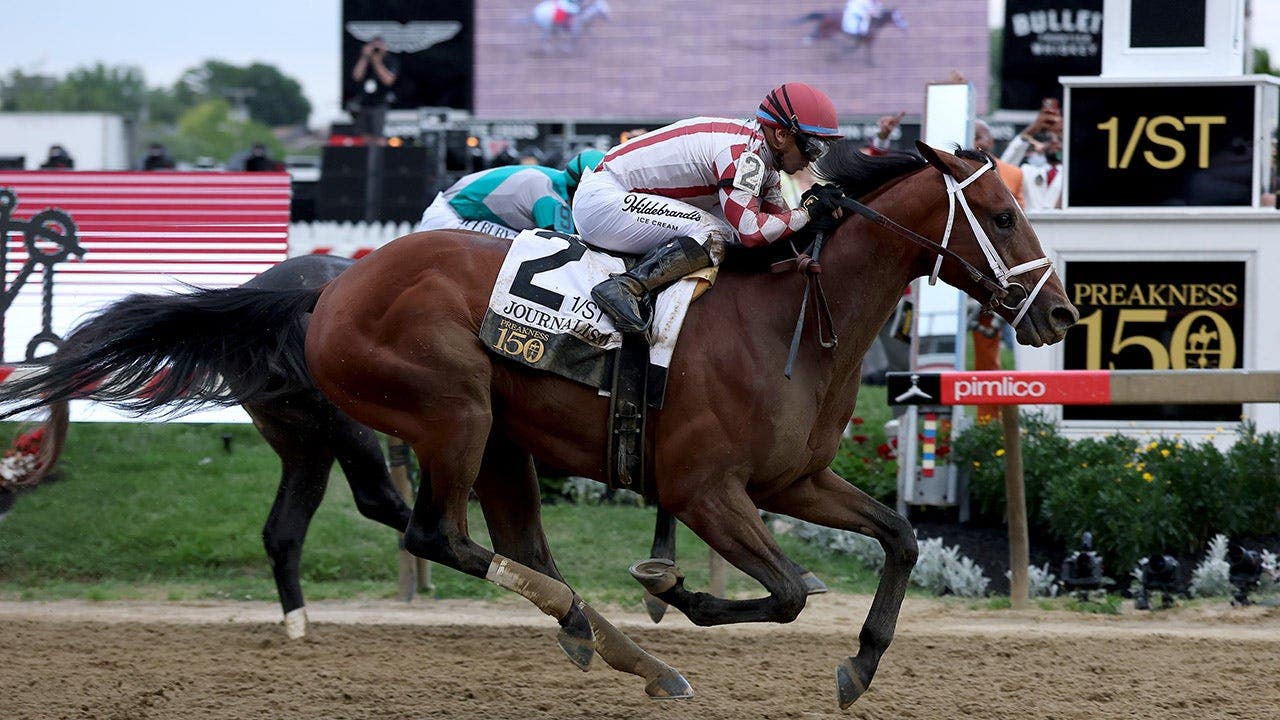
This temporal adjustment to the Preakness Stakes is a stark departure from the established rhythm of the Triple Crown, a rhythm that has largely remained unchanged for over 75 years. Since the first Saturday in May became the de facto date for the Kentucky Derby, the Preakness has consistently followed two weeks later, with the sole exception being the pandemic-induced disruption in 2020. The decision to extend this gap is rooted in a pragmatic effort to incentivize more Derby champions to continue their pursuit of the Triple Crown.
Bill Knauf, CEO of the Maryland Jockey Club, acknowledged the deep-seated tradition associated with the Preakness’s placement but emphasized the evolving landscape of Thoroughbred training and competition. "It’s been discussed for a very long time, and we recognized the different trends and training methods recently," Knauf stated in comments to The Associated Press. "We entered the discussion maybe even saying, ‘Hey, is two weeks the right amount? I think the week was the right placement. It still gives an incredible test for a horse and a champion to go through that, even at three weeks.’" His remarks highlight a growing recognition within the sport that the traditional two-week window may no longer be optimal for the physical and competitive demands placed upon elite racehorses.
The rationale behind this significant calendar change is directly tied to the declining participation of Kentucky Derby winners in the Preakness Stakes. For decades, it was commonplace for Derby victors to press on to Pimlico Race Course, aiming to keep their Triple Crown aspirations alive. However, this trend has reversed dramatically in recent years. In a striking illustration of this shift, two consecutive Kentucky Derby winners, and three of the last five, have opted to bypass the Preakness altogether, setting their sights directly on the Belmont Stakes in June. Analyzing the data from 2022 onwards, a mere 13 out of 95 horses (approximately 13.7%) that competed in the Kentucky Derby subsequently raced in the Preakness Stakes, with only one of those horses ultimately achieving victory in the second jewel of the Triple Crown. This trend underscores the urgent need for intervention to restore the Preakness’s competitive integrity and its role in the Triple Crown narrative.
The implications of the Preakness’s rescheduled date extend to the spacing between the second and third legs of the Triple Crown. For at least the initial year of this new schedule, the gap between the Preakness Stakes and the Belmont Stakes will be reduced to a mere 13 days. While this may seem like a minor adjustment, it could potentially create a scenario where the lure of a potential Triple Crown sweep becomes a more tangible incentive, making it more difficult for connections to bypass the final leg of the series. The strategic placement of these races aims to create a compelling season-long storyline, encouraging top contenders to compete across multiple major events.
The overarching six-race championship series, which notably excludes the Preakness Stakes as a component of its championship points system, will boast a substantial $5 million prize pool, with the full implementation beginning in 2027. This significant financial incentive is designed to attract and reward the sport’s most promising three-year-old Thoroughbreds, fostering a more competitive and engaging racing season.
David O’Rourke, President and CEO of NYRA, articulated the vision behind this innovative series. "This series is designed to showcase the sport’s best 3-year-olds across a season-long championship, elevating our biggest events and creating the next generation of fans," he stated in a press release. This sentiment underscores a broader objective to modernize and invigorate the sport, making it more appealing to both established racing aficionados and new audiences. The focus on a "season-long championship" signifies a strategic shift from viewing races as isolated events to a more interconnected and narrative-driven approach.
Echoing this sentiment, Bill Carstanjen, CEO of Churchill Downs Inc., emphasized the collaborative effort and the potential impact on the future of Thoroughbred racing. "By connecting these premier events through one championship, we’re creating a season-long storyline that benefits the future of thoroughbred racing," Carstanjen remarked. This forward-looking perspective suggests a commitment to not only reviving the Triple Crown’s prestige but also to building a more sustainable and engaging ecosystem for the sport as a whole. The creation of a cohesive championship series aims to provide a clear pathway for success and recognition throughout a horse’s three-year-old campaign, potentially influencing breeding and training decisions for years to come.
The impact of these changes extends beyond the immediate competitive landscape. The new championship series and the adjusted Preakness schedule are likely to influence training philosophies, breeding strategies, and even the economic dynamics of the sport. By creating a more defined and rewarding pathway through the major races of the three-year-old season, owners and trainers may be more inclined to develop their horses with a long-term plan in mind, rather than focusing solely on individual race victories. This could lead to a more strategic approach to horse development, potentially benefiting the overall health and longevity of the Thoroughbred population.
Furthermore, the enhanced visibility and narrative potential of a season-long championship could attract new sponsors and media partners, injecting much-needed capital and attention into the sport. The ability to follow a consistent cast of equine stars through a series of high-stakes competitions offers a compelling storyline that can resonate with a broader audience, potentially expanding the fan base beyond the traditional racing community. The inclusion of multiple graded stakes races within the championship structure also provides increased opportunities for betting and engagement throughout the racing season, further bolstering the sport’s economic viability.
The decision to move the Preakness to a Sunday is also a significant development, potentially opening up new opportunities for media coverage and fan engagement. Sunday racing has historically enjoyed strong viewership in other sports, and this move could leverage that trend to increase the Preakness’s appeal. The logistical and operational considerations of a Sunday race day will need to be carefully managed, but the potential benefits in terms of audience reach are considerable.
The creation of a $5 million prize pool for the championship series is a clear signal of the sport’s commitment to rewarding excellence. This substantial financial incentive is designed to attract the highest caliber of competition, ensuring that the races within the series are as compelling and significant as possible. It also serves as a powerful marketing tool, highlighting the lucrative opportunities available to successful three-year-old Thoroughbreds.
In essence, the sweeping changes announced by Churchill Downs Incorporated and the New York Racing Association represent a bold and forward-thinking approach to revitalizing horse racing. By strategically restructuring the Triple Crown’s competitive environment and introducing a comprehensive season-long championship, these organizations are aiming to create a more engaging, sustainable, and ultimately, more celebrated sport for generations to come. The success of these initiatives will depend on their effective implementation and the continued adaptation of the sport to the evolving demands of its participants and fans. The redefinition of the Triple Crown’s legacy is well underway, and the coming years promise to be a fascinating period of evolution for Thoroughbred racing.
