
 By Rifan Muazin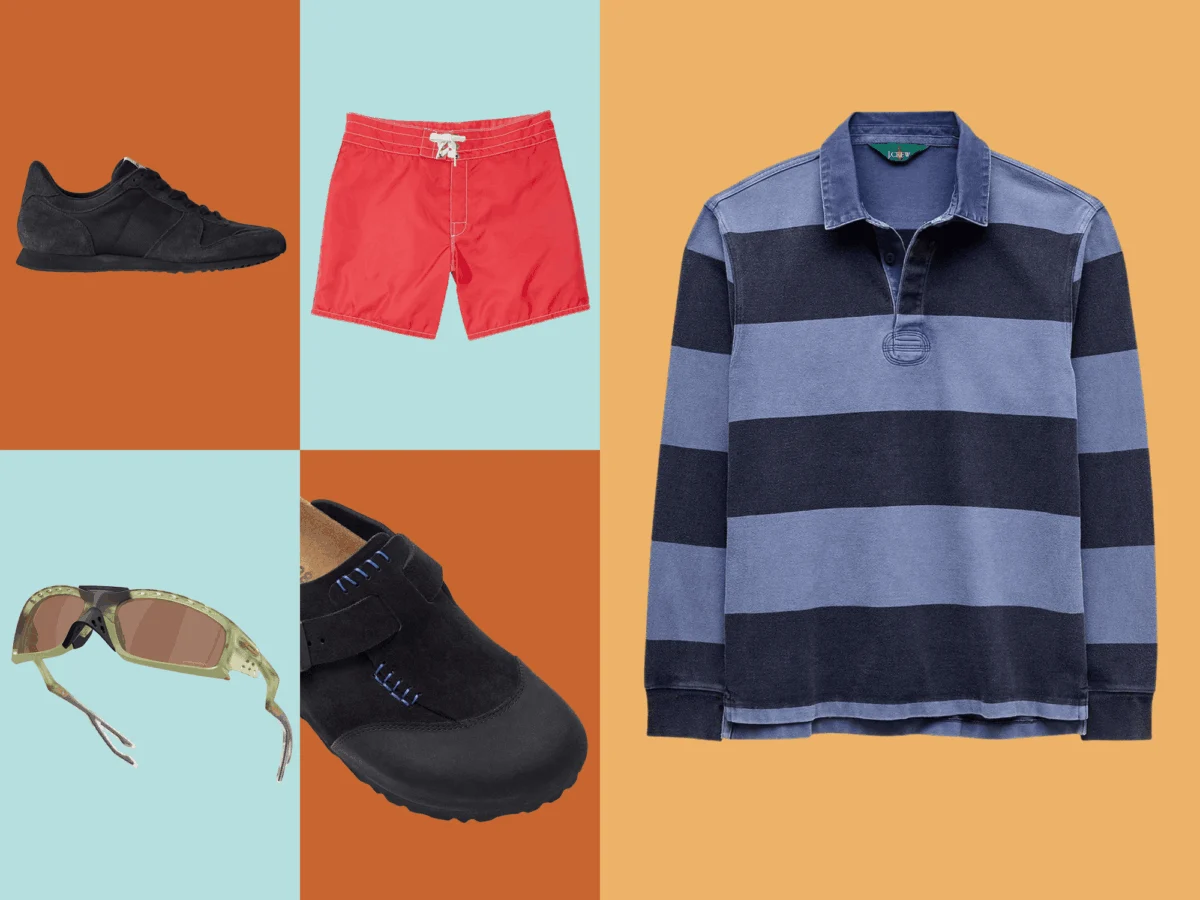
The resurgence of American heritage brands marks a significant pivot in the industry, and perhaps no brand exemplifies this "New Americana" better than J.Crew. Under the creative direction of Brendon Babenzien, the former design lead at Supreme and co-founder of Noah, J.Crew has undergone a radical transformation. It has moved away from the slim-fit, hyper-preppy constraints of the early 2010s toward a more relaxed, authentic, and historically grounded aesthetic. The "Hit List" features J.Crew not just for its nostalgia, but for its ability to reinterpret classics—like the Giant Fit chino or the broken-in oxford shirt—for a generation that values both comfort and a sense of "cool" that feels unforced. This shift is supported by market data showing a 22% increase in consumer interest for "relaxed-fit" silhouettes over the past 24 months, as men reject the restrictive tailoring of the past in favor of garments that offer movement and versatility.

Parallel to the revival of preppy staples is the continued dominance of "Gorpcore"—a stylistic movement that elevates functional outdoor gear to the status of high fashion. Oakley, a brand historically rooted in the high-performance demands of professional athletes, has found a second life as a darling of the fashion vanguard. The inclusion of Oakley on this list highlights a broader trend: the normalization of technical eyewear and performance fabrics in urban environments. Whether it is the revival of the iconic Eye Jacket Redux or the deployment of Prizm lens technology in everyday frames, Oakley represents the intersection of 1990s futurism and modern engineering. Industry analysts note that the technical eyewear market is projected to grow significantly as consumers prioritize eye health and versatility, seeking accessories that perform as well on a hiking trail as they do at a rooftop gallery opening.

Footwear remains the bedrock of any curated wardrobe, and the juxtaposition of Birkenstock and Novesta on the "Hit List" speaks to the dual desire for mass-market comfort and niche artisanal quality. Birkenstock, once the underdog of the footwear world, has become a global powerhouse, recently solidified by its high-profile acquisition by L Catterton (backed by LVMH) and its ubiquitous presence in pop culture. The Birkenstock Boston clog and Arizona sandal have transcended their "granola" roots to become status symbols of "quiet luxury." The brand’s success is rooted in its orthopedic footbed, which addresses a growing consumer demand for wellness-oriented products. According to retail reports, Birkenstock has seen a surge in demand among Gen Z and Millennial men, who value the brand’s "ugly-cool" aesthetic and its commitment to sustainable, long-lasting materials.

Conversely, Novesta offers a more underground alternative for the footwear enthusiast. Founded in the 1930s in central Slovakia, Novesta continues to manufacture its sneakers in the same factory, using traditional methods that have remained unchanged for nearly a century. Their signature Star Master sneaker, characterized by its chunky vulcanized rubber sole and natural canvas upper, is a masterclass in "slow fashion." The "Hit List" prioritizes Novesta because it represents an antithesis to the hyper-disposable nature of modern fast fashion. Each pair is handmade using natural rubber and 100% cotton, featuring a distinct "tire track" sole that is a byproduct of the vulcanization process. This focus on transparency and heritage manufacturing is increasingly a deciding factor for the modern male shopper, with 60% of luxury consumers stating they are willing to pay a premium for brands with a clear ethical and historical narrative.

The concept of the "freakiest shorts"—a term affectionately used by the editors—alludes to the bold trend of shorter inseams and adventurous patterns currently sweeping menswear. Birdwell Beach Britches, a California staple since 1961, is the primary driver of this movement. Known for their "SurfNyl" fabric—a proprietary nylon material that is virtually indestructible—Birdwell shorts are built to last a lifetime. The brand’s mascot, "Birdie," and their commitment to "Purpose over Profit" have earned them a cult following. The current menswear cycle is seeing a move away from the knee-length board shorts of the early 2000s toward the 5-inch and 7-inch inseams of the 1970s. This shift is not merely aesthetic; it reflects a broader cultural embrace of body positivity and a playful, less-serious approach to masculinity. Expert perspectives suggest that the "short shorts" trend is a reaction to the somber, monochromatic tones of the previous decade, allowing men to express personality through color and silhouette.

As we analyze the "breeziest layers" mentioned in the collection, we see a focus on texture and breathability. Linen, seersucker, and lightweight knits are essential for navigating the rising global temperatures while maintaining a polished appearance. The modern man’s "hit list" includes unconstructed blazers and overshirts that provide the structure of formalwear without the heat-trapping weight of traditional wool. This evolution in layering is supported by textile innovations that allow for moisture-wicking properties to be integrated into natural fibers. The goal is "effortless elegance"—a look that suggests the wearer is prepared for any situation without looking like they tried too hard.

The "Hit List" also pays close attention to the "hottest accessories," which function as the finishing touches that define a personal brand. Beyond eyewear, this includes high-quality leather goods, functional tote bags, and even tactical watches. These items serve as the connective tissue of an outfit. For instance, a simple pairing of a J.Crew tee and Birdwell shorts can be elevated to a high-fashion statement with the addition of a pair of Novesta sneakers and Oakley sunglasses. This modular approach to dressing allows for maximum creativity with a minimal number of high-quality pieces.

From a logical structure perspective, the selection of these brands and items is not arbitrary. It follows the "Rule of Three" in modern merchandising: Heritage, Performance, and Aesthetics. J.Crew and Birdwell provide the heritage; Oakley provides the performance; and the combination of all five brands creates a unique, contemporary aesthetic. This holistic view of the wardrobe recognizes that the modern man is multifaceted. He is a professional, an athlete, a traveler, and a conscious consumer. He requires clothing that can pivot as quickly as his schedule does.

In conclusion, "The Best New Menswear Hit List" is more than just a shopping guide; it is a manifesto for the modern era of dressing. It champions the idea that style should be durable, functional, and deeply personal. By highlighting brands that prioritize craftsmanship—whether it is the vulcanized soles of Novesta, the indestructible nylon of Birdwell, or the ergonomic footbeds of Birkenstock—the list encourages a move toward a more sustainable and intentional way of consuming fashion. As the industry continues to grapple with issues of overproduction and shifting consumer values, the items on this list stand out as beacons of quality. They remind us that while trends are fleeting, a well-chosen piece of menswear, rooted in history and engineered for the future, is an investment that pays dividends in both confidence and longevity. This season, the editors have not just found the "best" clothes; they have identified the artifacts of a new cultural moment in men’s style.
