
 By Rifan Muazin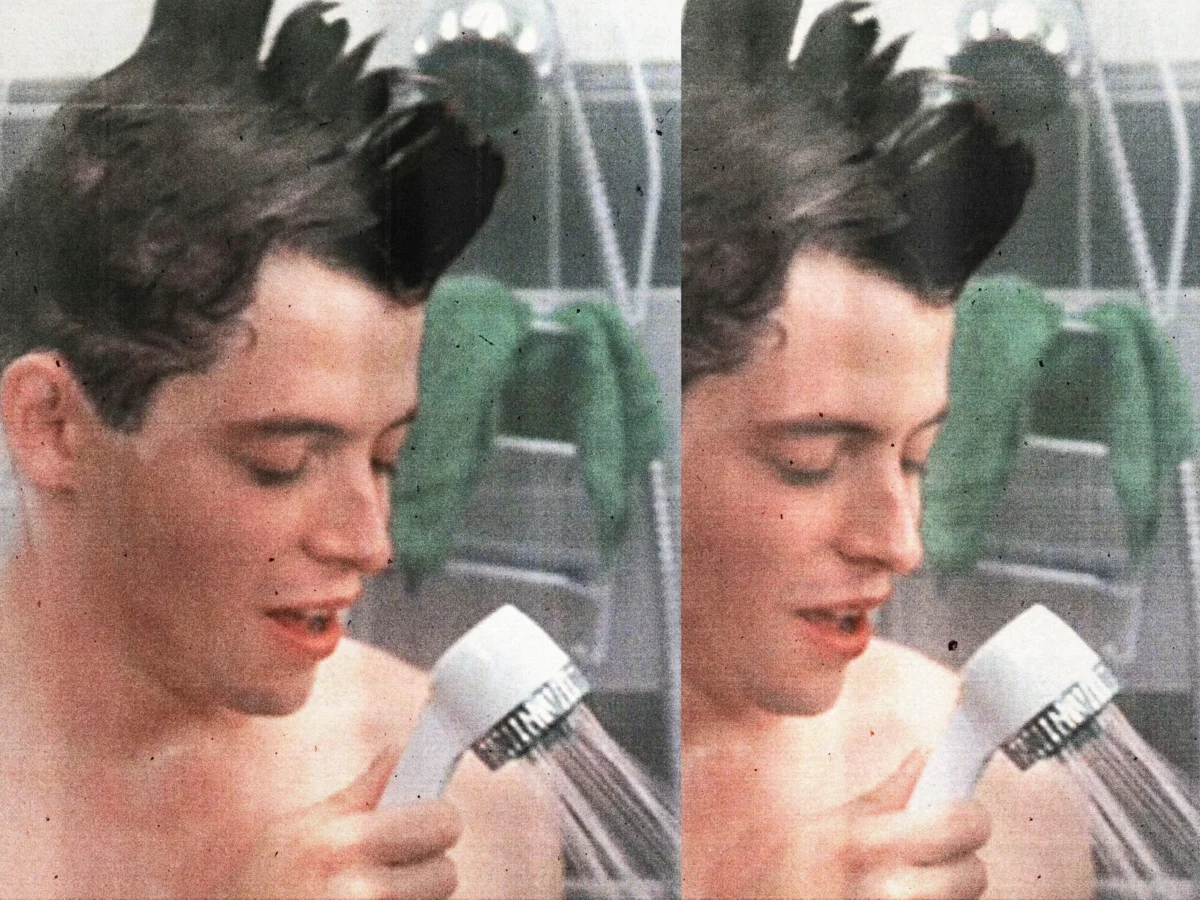
If you reside in New York, Los Angeles, Chicago, Atlanta, Houston, Washington D.C., Boston, Nashville, St. Louis, or virtually any metropolitan area outside of the Pacific Northwest or the high Rocky Mountain regions, you are likely currently enduring a state of near-total psychological and physical exhaustion due to the unrelenting heat. The United States is presently gripped by a series of high-pressure systems, often referred to as "heat domes," which are effectively boiling the collective brain of the nation. According to data tracked by the New York Times, over one-quarter of the American population is currently living under extreme heat warnings or advisories. These are not merely uncomfortable summer days; they are record-breaking climatic events that challenge the limits of urban infrastructure and human endurance. As the mercury climbs into the triple digits across the Sun Belt and the humidity turns the Northeast into a literal sauna, a silent crisis is unfolding: the crisis of the perspiring public.
As a direct consequence of these soaring temperatures, scores of innocent Americans find themselves perpetually dripping in sweat. It is a visceral, inescapable reality that is, quite frankly, disgusting and unbecoming of a civilized society. However, while we cannot control the shifting jet stream or the global carbon emissions that exacerbate these heatwaves, we can control how we respond to them. For those who must physically leave their homes—an increasing necessity as corporate "return to office" mandates sweep through the workforce—the battle against the elements is unavoidable. You cannot hide from a 105-degree heat index when you are waiting for a delayed subway or walking three blocks to a client meeting. But while you cannot hide, you can certainly fight back. When faced with these "summer scorchers," the most effective weapon in your arsenal for remaining sane, dignified, and mercifully stench-free is the implementation of the two-shower-a-day lifestyle.
Adopting a multi-shower regimen requires a specific strategic framework. It is important to clarify that this is not an endorsement of profligate water waste. You should not, under any circumstances, be the person taking two luxurious, ten-minute, high-pressure showers every twenty-four hours. Such a habit is environmentally irresponsible and, frankly, unnecessary for the goal at hand. During the peak of "two-shower season," your hygienic budget should be strictly allocated: you are granted one standard-length "everything shower" and one "spritz." Should the conditions become truly dire—and we have all experienced those days where the air feels like wet wool—any additional rinses must also be of the spritz variety, ideally decreasing in duration as the day progresses. The primary objective here is not a deep exfoliation or a meditative steam session; the name of the game is rapid thermal regulation and hosing off the layer of salt and grime that accumulates on the skin’s surface.
This practice is, in many ways, an act of civic duty and respect for your fellow human beings. In an era of revitalized social interaction and crowded office floor plans, personal hygiene becomes a collective responsibility. When you arrive at your destination—be it your cubicle, a dinner reservation, or a gathering on a relative’s boat—it is a matter of common courtesy not to reek of the commute. Beyond the social contract, there is a profound psychological benefit to the pre-event rinse. Nothing kills a social mood or professional confidence quite like the realization that you are "musty." This realization invariably leads to an evening of stifling self-consciousness. You find yourself keeping your arms pinned to your sides, avoiding expressive gestures, and declining invitations to move or dance, all in a desperate attempt to prevent further perspiration. By showering before you engage with the world, you grant yourself the freedom to exist without the constant fear of your own scent.
For the urban dweller, the struggle is particularly acute. In cities like New York or Chicago, the "last mile" of any commute usually involves a grueling walk or a descent into the subterranean heat of a subway station. In these environments, sweat is an inevitability; it will return to haunt you the moment you step back onto the asphalt. While the commute itself is outside your control, the baseline cleanliness of your body before you embark is a variable you can manage. Entering the fray freshly scrubbed provides a buffer—a temporary shield against the atmospheric onslaught.
Logistically, integrating multiple showers into a modern, busy schedule can be challenging. There has long been a debate between the "morning shower" and "night shower" schools of thought. Morning advocates argue it is essential for waking up and starting the day with a clean slate, while night advocates point to the hygiene of not bringing the day’s dirt into one’s bedsheets. In a heatwave, however, these two schools must merge. If you wake up feeling grimy after a night of uncomfortably warm sleep—even with the air conditioning humming—the morning is your best window for the "standard" shower.
However, there is a crucial tactical error many make: the immediate dress-and-dash. Taking a hot shower and then immediately donning professional attire before heading out into the sun is a recipe for disaster. The residual heat from the water remains trapped against the skin by your clothing, leading to an immediate "re-sweat" before you even reach your front door. To combat this, one must embrace the "shower and lounge" approach. After your morning rinse, allow yourself a "chilling period." This is the time to make coffee, check emails, or simply sit in a robe or underwear while your body temperature regulates. This cooldown period ensures that when you finally do get dressed, you are starting from a state of genuine thermal equilibrium. (It should also be noted that while cold showers are often touted for their cooling effects, they can be a shock to the system that triggers a rebound thermogenic response; lukewarm water is often more effective for long-term cooling.)
Embracing the two-shower lifestyle provides a sense of psychological liberation. You can move through the oppressive midday heat with the knowledge that a secondary rinse—the "spritz"—is waiting for you at the end of your obligations. Think of it through the lens of professional athletics. Players "leave it all on the field" because they know the locker room shower is an absolute certainty. You can live your life to the fullest, navigating the sweltering streets and crowded buses, because you have a hygienic exit strategy.
The order of operations can be flipped for those who prefer their primary "everything shower" at night. If you are a night-showering devotee, the post-work "spritz" remains a non-negotiable requirement to transition from the "outside world" to the "inside world." You owe it to your partner, your roommates, and your high-thread-count sheets to cleanse the stickiness of the city from your limbs. Once that secondary rinse is complete, you are free to pursue whatever the evening holds, whether that is a quiet night of streaming television or a venture back out to an air-conditioned establishment. Doing so while freshly soaped—rather than irritable and salt-crusted—will fundamentally alter your quality of life.
From a dermatological perspective, critics might argue that frequent showering can strip the skin of essential oils. This is a valid concern, which is why the "spritz" is so important. A spritz should involve lukewarm water and, at most, a very mild cleanser applied only to the "critical zones" (axillae, groin, and feet). By avoiding a full-body scrub during the second or third rinse of the day, you maintain the skin’s moisture barrier while still achieving the necessary cooling and deodorizing effects. Furthermore, the use of a high-quality moisturizer after the primary morning shower can help lock in hydration, protecting the skin from the drying effects of both the sun and the constant air conditioning.
Ultimately, we are living through a period where the climate is testing our social norms and our personal comfort. The "two-shower rule" is more than just a grooming tip; it is a survival strategy for the modern urbanite. It is a way to reclaim a sense of agency in a world that feels increasingly like an oven. By dedicating those extra few minutes to a secondary rinse, you aren’t just washing away sweat; you are washing away the irritability and exhaustion that come with it. In my humble opinion, one shower before you brave the world and one when you return is a classic, foolproof deployment. And if the heat index hits 110? Well, there’s always room for a third (very short) one. Don’t sleep on the secondary rinse; your sanity, your coworkers, and your bedsheets will thank you.
