
 By admin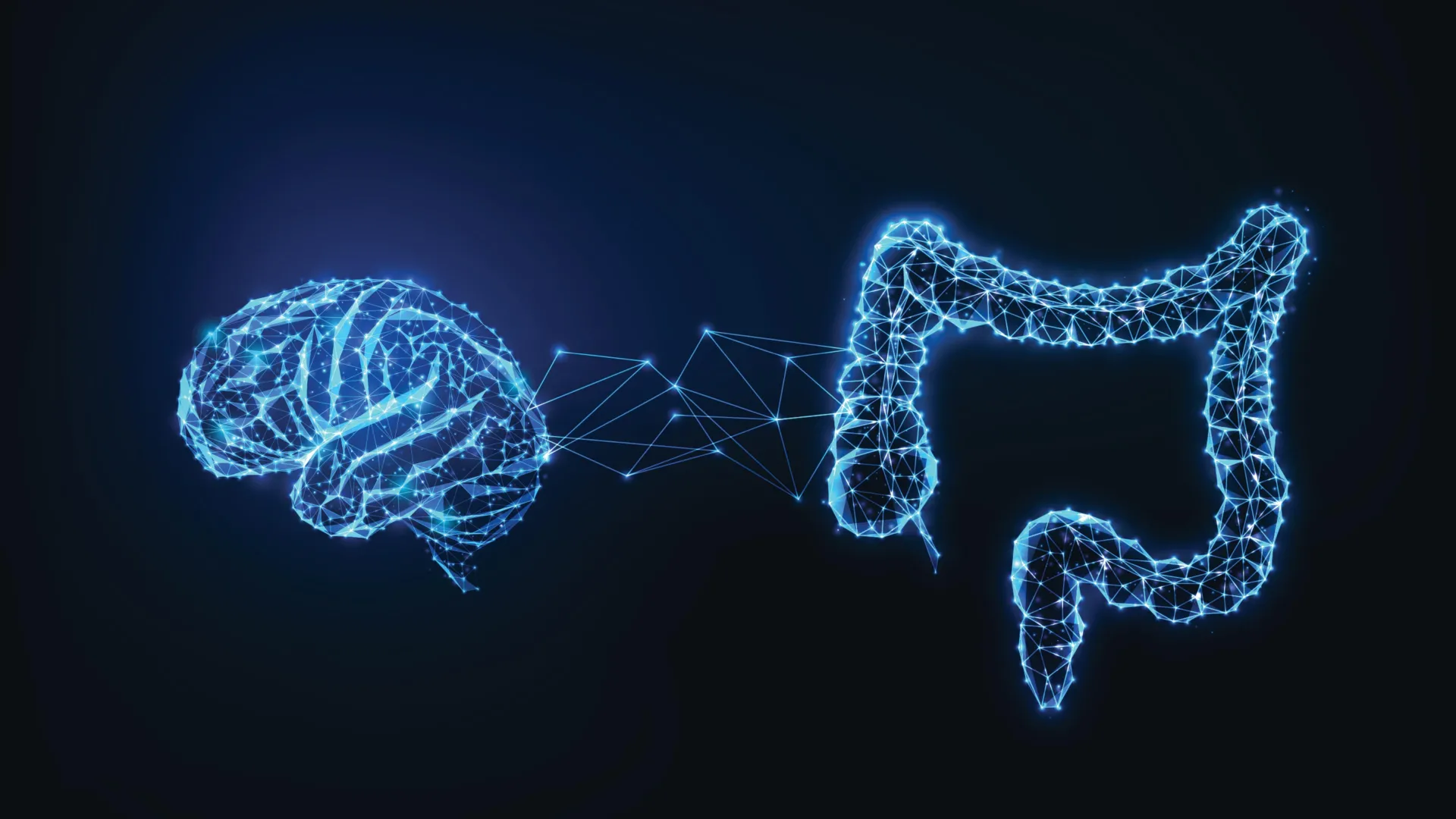
This iconic literary moment, where a simple sensory trigger unlocked a flood of forgotten experiences, has long captivated our understanding of memory. For decades, the brain was considered the sole architect of these intricate recollections, painstakingly cataloging our experiences and retrieving them on demand. However, a paradigm shift is underway in neuroscience, driven by an ever-deepening appreciation for the body’s intricate interconnectedness. New research now suggests that this kind of recollection, particularly those tied to the most fundamental human experience of food, may involve far more than the brain alone. Groundbreaking findings indicate that signals emanating directly from the digestive system may play a critical, previously unrecognized role in determining which food-related experiences become enduring memories, fundamentally reshaping our understanding of how we learn from what we eat.
This revolutionary study, spearheaded by Scott Kanoski, a distinguished professor of biological sciences at the USC Dornsife College of Letters, Arts and Sciences, presents compelling evidence that the gut is not merely a passive recipient of sustenance but an active contributor to the intricate process of memory formation. Its influence appears particularly pronounced when an experience is intimately linked to the primal acts of finding, consuming, and processing food. This discovery positions the digestive system as a crucial, albeit surprising, partner in the cognitive architecture that underpins our ability to learn and adapt based on nutritional encounters.
Published in the esteemed scientific journal Nature Communications, the research meticulously investigated the vagus nerve, a remarkable anatomical structure often referred to as the body’s main communication highway between the digestive system and the brain. This lengthy cranial nerve, extending from the brainstem down to the abdomen, is already well-established for its profound influence on a wide array of physiological functions, including the rhythmic contractions that propel food through the gut (peristalsis), the intricate regulation of appetite, and the crucial sensations of fullness and satiety that dictate our eating patterns. However, the new findings unveil an entirely novel dimension to its functionality, suggesting that the vagus nerve may also serve as a vital conduit for carrying information that actively assists the brain in the critical process of storing memories, particularly those endowed with high biological significance.
The Vagus Nerve: A Superhighway for Memory Signals
To unravel the precise mechanisms by which gut signals might influence memory, Kanoski and his team embarked on a series of meticulously designed experiments involving rats. This animal model is particularly suitable for such research due to its physiological similarities to humans in terms of digestive processes and brain structures involved in memory. The researchers observed a fascinating neurochemical cascade: when the rats consumed nutrient-rich foods, there was a significant and measurable increase in the release of acetylcholine within specific neurons that are directly connected to the hippocampus.
The hippocampus, a seahorse-shaped structure nestled deep within the temporal lobe of the brain, is universally recognized by neuroscientists as a pivotal hub for learning and memory. It plays a central role in the formation of new explicit memories—those conscious recollections of facts and events—and is indispensable for spatial navigation and episodic memory. Acetylcholine, the neurotransmitter whose levels surged after nutrient consumption, is a powerful chemical messenger already known to be indispensable for various cognitive functions, including attention, arousal, and, crucially, the brain’s ability to record new information and consolidate memories. The study’s critical insight was demonstrating that this increase in hippocampal acetylcholine was not an intrinsic brain response to food but was profoundly dependent on messages traveling all the way from the gut, specifically via the vagus nerve.
The researchers then performed a crucial manipulation to confirm the vagus nerve’s direct involvement. When they strategically disrupted the communication pathways along the vagus nerve, the previously observed surge in acetylcholine levels after the animals ate was entirely abolished. This direct cause-and-effect relationship was further corroborated by behavioral observations. The rats with impaired vagal communication exhibited significant struggles on subsequent cognitive tests specifically designed to assess their ability to remember where they had recently located and consumed food. This impairment strongly suggested that an intact and functional vagus nerve is essential for the gut to transmit the memory-enhancing signals that facilitate the recall of valuable food sources.
Beyond Taste: Nutrients as Memory Triggers
One of the most profound revelations of the study was the nuanced distinction the brain makes between the mere sensory pleasure of food and its actual nutritional value. The experiments clearly demonstrated that the brain’s memory system responded primarily to the nutritional content of the food, rather than simply its sweetness or palatability.
Rats that consumed foods genuinely rich in sugar or fat, both of which are high in caloric density and provide readily available energy, displayed robust and distinct activity in the brain pathways known to be involved in memory formation. This contrasted sharply with the responses observed in animals that were given low-calorie or non-caloric liquids, even those artificially sweetened to taste identically pleasant. These animals did not produce the same memory-related brain response. This finding is critical, as it suggests that the brain is not simply fooled by sweetness or flavor; it possesses an inherent mechanism to distinguish between superficial sensory cues and the underlying physiological impact of nutrient absorption. A sweet taste alone, devoid of genuine caloric or nutritional value, was insufficient to activate the powerful memory-related pathways linked to the gut-brain axis.
"We think the mechanism likely evolved to help animals remember vital information about food sources," explains Logan Lauer, the study’s first author and a PhD student in Kanoski’s lab. This evolutionary perspective provides a powerful framework for understanding the biological imperative behind this gut-brain memory circuit. For animals in their natural habitats, the ability to recall the precise location of a reliable and nutrient-rich food source can be the difference between survival and starvation. Signals from the gut, rich in information about the actual caloric and micronutrient content of a meal, essentially tell the brain: "This meal provided valuable nutrients, so remember where and how you got it." This mechanism would confer a significant survival advantage, allowing organisms to efficiently forage and exploit successful food encounters.
The Primal Importance of Food Location Memories
The evolutionary rationale for this sophisticated gut-brain memory system cannot be overstated. For any animal in the wild, remembering the location of a reliable food source, understanding the environmental cues associated with its availability (e.g., specific plants sprouting in spring), and recalling the methods used to obtain it, are absolutely essential for survival. A meal that delivers useful nutrients—whether fats, carbohydrates, or proteins—triggers the gut to send a powerful, affirmative message to the brain. This message actively encourages the brain to store and consolidate granular details about where the food was found, the context of its discovery, and the specific actions taken to acquire it.
This intricate process helps to explain why certain food experiences become exceptionally vivid and enduring memories for both animals and humans. The body appears to be biologically designed to place a disproportionately greater importance on meals that effectively deliver critical energy or valuable nutrients, encoding them with a heightened sense of significance. Think of the deep memory of a successful hunt, the discovery of a berry patch, or, in a human context, perhaps the location of a beloved restaurant or a particularly nourishing home-cooked meal. These memories are not just cerebral; they are deeply intertwined with the physiological satisfaction and nutritional benefit derived from the food itself.
The Peril of Unhealthy Diets: Weakening the Pathway
While the study illuminated the beneficial aspects of this gut-brain memory pathway, it also unveiled a concerning downside, particularly relevant in an era of widespread dietary challenges. Although foods rich in sugar and fat initially produced strong short-term memory responses in the rats, chronic and frequent exposure to these very same foods had a profoundly deleterious, and often opposite, effect over time.
Rats that were fed high-fat and high-sugar diets early in life—a period analogous to critical developmental stages in humans—later exhibited significantly weaker communication between their gut and the hippocampus. Alarmingly, their memory-related brain responses remained reduced even after they were transitioned back to a healthier, more balanced diet. This suggests a potential long-term, perhaps even semi-permanent, impairment of this crucial communication pathway, underscoring the potential vulnerability of the developing gut-brain axis to sustained dietary insults.
These animals also performed markedly worse on tasks that specifically tested their ability to remember where food had been located, echoing the earlier findings related to vagus nerve disruption. The collective results paint a stark picture: prolonged and early-life consumption of unhealthy, nutrient-poor, and energy-dense foods may profoundly interfere with the very same gut-to-brain system that initially evolved to help record and solidify vital food-related memories. This raises critical questions about the impact of modern diets on cognitive development and long-term brain health.
Broader Implications for Human Health and Cognitive Decline
The ramifications of these findings extend far beyond the laboratory, carrying significant implications for human health and our understanding of cognitive decline. It is well-established through extensive epidemiological and clinical research that obesity, chronic poor nutrition, and prevalent metabolic conditions such as type 2 diabetes are strongly linked to a substantially higher risk of cognitive impairment, dementia, and neurodegenerative diseases. This new research from USC Dornsife offers a compelling and novel biological explanation for these pervasive correlations.
The study suggests that repeated, chronic exposure to unhealthy foods may not just impact metabolic health but could gradually damage or disrupt the intricate communication network between the gut and the brain. This disruption, in turn, could make it progressively harder for the memory system to function normally, contributing to the cognitive deficits observed in individuals with these metabolic conditions. The chronic inflammation often associated with unhealthy diets and metabolic dysregulation might be a key mediating factor in this gut-brain communication breakdown.
Furthermore, the results could offer invaluable clues about the early pathogenesis of neurodegenerative diseases, particularly Alzheimer’s disease. As Professor Kanoski points out, "The disruption of acetylcholine signaling in the hippocampus is one of the earliest neurochemical changes in Alzheimer’s disease." By revealing that this critical acetylcholine system is robustly boosted by gut signaling transmitted via the vagus nerve, the research opens up entirely new avenues for therapeutic exploration. It suggests that novel therapeutic targets could leverage this information to explore vagus nerve-based approaches, such as vagus nerve stimulation (VNS), as a means to potentially mitigate or even prevent some of the earliest cognitive hallmarks of these devastating diseases.
New Possibilities for Memory Treatments and Cognitive Preservation
The groundbreaking discovery of the gut’s direct involvement in memory formation, particularly through the vagus nerve and its influence on acetylcholine, raises exciting possibilities for future medical interventions. The insights gleaned from this study suggest that treatments could potentially focus on strengthening or restoring the crucial communication pathways between the digestive system and the brain.
Approaches that specifically stimulate the vagus nerve—a technique already utilized for certain neurological and psychiatric conditions like epilepsy and treatment-resistant depression—might eventually be investigated as novel strategies to support memory function and preserve cognitive abilities in aging populations or those at risk of cognitive decline. Vagus nerve stimulation (VNS) comes in various forms, including surgically implanted devices and non-invasive external devices, and its potential application in memory enhancement based on these new findings warrants significant further research.
Beyond direct nerve stimulation, interventions focused on improving overall gut health could also emerge as promising avenues. This could include dietary modifications, the strategic use of probiotics and prebiotics to foster a healthy gut microbiome, and personalized nutritional strategies aimed at optimizing the gut-brain axis. The growing understanding of the gut microbiome’s profound influence on brain function, including mood and cognition, further supports this holistic approach. By nurturing a healthy gut environment, we might indirectly bolster the memory pathways identified in this research.
The researchers, while enthusiastic about their findings, wisely caution that more extensive work is needed to definitively determine whether the same intricate process occurs in humans with the exact same mechanisms. However, for now, these compelling experiments provide powerful and irrefutable evidence that the gut and brain collaborate far more intimately and influentially than was once conventionally believed. This challenges the long-held brain-centric view of memory and cognition, ushering in an era where the digestive system is recognized not just as an organ of digestion but as a sophisticated sensory and signaling hub integral to our very ability to learn, remember, and adapt to the world around us.
About the Study and Supporting Institutions
This seminal work, which promises to reshape our understanding of memory and the gut-brain connection, was a collaborative effort involving a talented team of researchers. In addition to Professor Scott Kanoski and lead author Logan Lauer, the study authors include Anna Hayes, Andrea Suarez, Alexander Bashaw, Molly Klug, Alicia Kao, Robert Cheng, Jessica Rea, Keshav Subramanian, Anna Nourbash, Kristen Donohue, and Lindsey Schier, all affiliated with USC Dornsife. Contributions also came from Kevin Myers of Bucknell University and Léa Décarie-Spain of Université de Montréal, reflecting the interdisciplinary nature of modern scientific inquiry.
The crucial research was made possible through significant financial support from various prestigious institutions. Funding was provided by National Institute of Diabetes and Digestive and Kidney Diseases grants DK104897 and DK123423, a Postdoctoral Ruth L. Kirschstein National Research Service Award from the National Institute on Aging grant F32AG092136, a Quebec Research Funds postdoctoral fellowship 315201, and an Alzheimer’s Association Research Fellowship to Promote Diversity. This extensive support underscores the recognized importance and potential impact of this groundbreaking investigation into the body’s hidden mechanisms of memory.
