
 By admin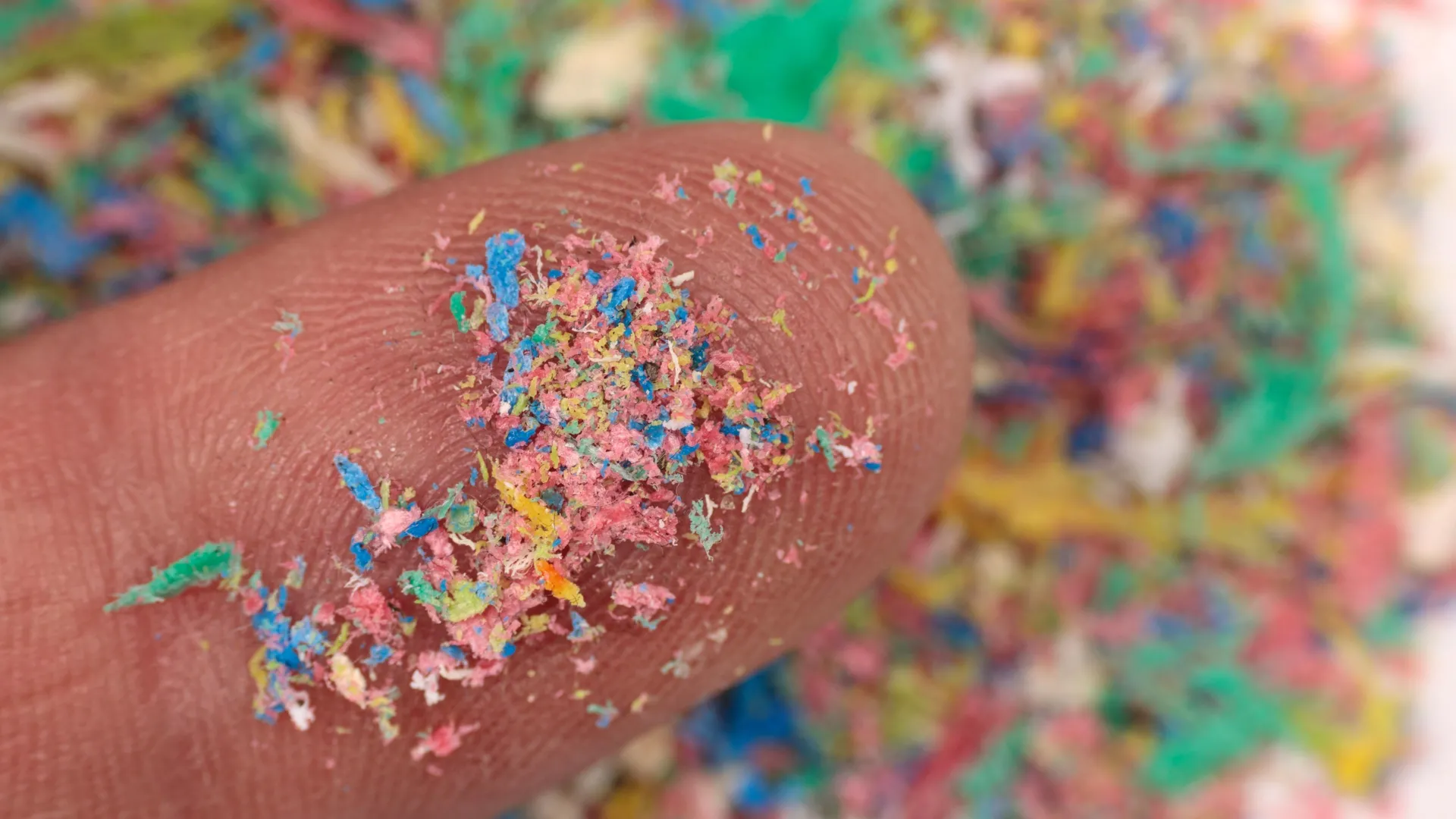
SEO Keywords: Nanoplastics, Kimchi, Lactic Acid Bacteria, Probiotics, World Institute of Kimchi, WiKim, Leuconostoc mesenteroides CBA3656, Plastic Pollution, Gut Health, Environmental Science, Biotechnology, Functional Food, Public Health.
SEO Meta Description: The World Institute of Kimchi (WiKim) announces a significant breakthrough: a lactic acid bacterium isolated from kimchi, Leuconostoc mesenteroides CBA3656, demonstrates remarkable efficacy in binding and promoting the removal of nanoplastics from the body, offering a novel biological strategy against plastic pollution.
The World Institute of Kimchi (WiKim), a leading government-funded research institute operating under the auspices of the Ministry of Science and ICT in South Korea, has announced a potentially transformative scientific discovery that positions traditional fermented foods at the forefront of modern environmental health challenges. Under the leadership of President Hae Choon Chang, WiKim researchers have identified a specific lactic acid bacterium isolated from kimchi that exhibits a remarkable capacity to bind to nanoplastics within the human intestine, thereby facilitating their removal from the body. This pioneering research opens new avenues for biological strategies to combat the pervasive issue of nanoplastic accumulation, a growing concern for global public health.
The Invisible Threat: Nanoplastics and Their Pervasive Impact
Nanoplastics represent the insidious, ultrafine frontier of plastic pollution. Defined as plastic particles measuring less than 1 micrometer (µm), or one-thousandth of a millimeter, these microscopic fragments are predominantly generated through the degradation of larger plastic materials under environmental stressors like sunlight, friction, and microbial action. Their minuscule size, however, belies a significant and rapidly escalating threat. Nanoplastics are now ubiquitous, permeating every facet of our environment – from the deepest oceans and remote mountain ranges to the air we breathe and the food we consume daily.
Human exposure to nanoplastics is multifaceted and unavoidable. These particles readily infiltrate the human body through various pathways, primarily via contaminated food and drinking water. Studies have detected nanoplastics in a wide array of consumables, including bottled water, seafood, sea salt, and even fresh produce. Beyond ingestion, inhalation of airborne nanoplastics, which are prevalent in both indoor and outdoor environments, is another significant route of entry. Once inside the body, their extremely small dimensions enable them to transcend biological barriers that larger particles cannot. Research indicates that nanoplastics can readily cross the intestinal barrier, penetrate cell membranes, and subsequently accumulate in vital organs such such as the kidneys, liver, lungs, spleen, and even the brain, as well as reproductive organs.
The long-term health implications of nanoplastic accumulation are still under intensive investigation, but preliminary findings raise significant alarms. Scientists are exploring potential links to inflammation, oxidative stress, cellular damage, endocrine disruption, genotoxicity, and even altered immune responses. The very novelty of this widespread internal contamination means that biological strategies to reduce nanoplastic accumulation in the gastrointestinal tract—the body’s first line of defense—remain at an exceedingly early stage of research, underscoring the critical importance and innovation of WiKim’s findings. The urgency for effective, natural mitigation methods is paramount as the global plastic production continues its relentless upward trajectory.
Kimchi: A Traditional Powerhouse Meets a Modern Problem
For centuries, kimchi has been revered not merely as a staple of Korean cuisine but as a symbol of health and vitality, celebrated globally for its unique flavor and myriad health benefits. This traditional fermented dish, typically made from napa cabbage and a variety of seasonings, is a veritable treasure trove of beneficial microorganisms, primarily lactic acid bacteria (LAB). These probiotics are responsible for kimchi’s characteristic tangy flavor, its extended shelf life, and many of its acclaimed health-promoting properties, including improved digestion, enhanced immunity, and antioxidant effects. The World Institute of Kimchi, established in 2010, is a national research institution dedicated to the scientific investigation, standardization, and globalization of kimchi and its associated microbial resources, making it the ideal locus for such a groundbreaking discovery.
The research team, spearheaded by the innovative Drs. Se Hee Lee and Tae Woong Whon at WiKim, embarked on an ambitious project to explore the potential of kimchi-derived lactic acid bacteria beyond their traditional probiotic roles. Their specific focus was to investigate the adsorption capacity of these microorganisms against polystyrene nanoplastics (PS-NPs), a commonly used model for nanoplastic research dueastics due to their well-characterized properties and availability. From the rich microbial ecosystem of kimchi, the team isolated and focused on a particular strain: Leuconostoc mesenteroides CBA3656. Leuconostoc mesenteroides is a widely recognized species of LAB, known for its significant role in kimchi fermentation and its established probiotic attributes, including the production of dextran and other exopolysaccharides, which could potentially play a role in surface binding.
Rigorous Testing: From Lab Bench to Living Systems
The WiKim team conducted a series of meticulously designed experiments to assess the efficacy of Leuconostoc mesenteroides CBA3656. The initial phase involved in vitro (laboratory) studies under controlled conditions, comparing CBA3656’s nanoplastic adsorption capabilities against a reference strain, Latilactobacillus sakei CBA3608, another common and well-studied lactic acid bacterium found in kimchi.
Under standard laboratory conditions, where environmental factors such as pH, temperature, and nutrient availability are optimized for bacterial growth and interaction, both strains demonstrated impressive adsorption efficiencies. Strain CBA3656 exhibited a high adsorption rate of 87%, indicating its strong affinity for binding to polystyrene nanoplastics. The reference strain, CBA3608, also performed comparably well, achieving an adsorption efficiency of 85%. These initial results were promising, establishing both strains as potent binders of nanoplastics in an ideal environment.
However, the true test of a probiotic’s efficacy for internal human application lies in its ability to function effectively within the harsh and dynamic environment of the human gastrointestinal tract. To simulate these challenging conditions, the researchers introduced variables such as acidic pH levels mimicking the stomach, the presence of bile salts found in the small intestine, and a more complex nutritional matrix. It was under these simulated human intestinal conditions that a critical and differentiating observation emerged. While the adsorption rate of the reference strain, Latilactobacillus sakei CBA3608, plummeted sharply to a mere 3%, indicating its inability to maintain binding efficiency in a physiologically relevant environment, Leuconostoc mesenteroides CBA3656 remarkably sustained a substantially higher adsorption level of 57%. This stark contrast highlights the exceptional resilience and robust binding mechanisms of the kimchi-derived strain, suggesting its potential to stably interact with nanoplastics even amidst the digestive processes of the human gut. This finding is profoundly significant, as it transitions the discovery from a mere laboratory curiosity to a viable candidate for biological intervention.
To further validate these in vitro findings and assess the physiological impact, the research progressed to in vivo (animal) experiments utilizing a germ-free mouse model. This particular model is crucial for such studies because germ-free mice lack any pre-existing gut microbiota, allowing researchers to precisely evaluate the effects of the administered probiotic strain without the confounding influence of other microorganisms. Male and female mice were divided into control groups, which received no probiotic, and experimental groups, which were orally administered strain CBA3656.
The results from the animal experiments provided compelling evidence. Compared with the control group, both male and female mice that received strain CBA3656 showed a more than twofold increase in the quantity of nanoplastics detected in their feces. This direct, quantifiable outcome strongly suggests that the probiotic, upon ingestion, actively binds to nanoplastics within the intestinal lumen and facilitates their excretion from the body. The consistency of these results across both sexes further strengthens the reliability and generalizability of the findings, indicating a robust biological mechanism at play.
Beyond Fermentation: A New Frontier for Probiotic Science
This groundbreaking study by WiKim provides irrefutable scientific evidence that kimchi-derived lactic acid bacteria possess capabilities extending far beyond their traditional roles in food fermentation and gut health. It demonstrates their potential to interact directly with environmental micropollutants such as nanoplastics, offering a novel paradigm for probiotic function. The findings provide invaluable new insight into potential biological mechanisms that could be harnessed to significantly reduce nanoplastic accumulation in the gastrointestinal tract, thereby mitigating the systemic exposure and potential health risks associated with these pervasive particles.
Dr. Sehee Lee, the lead researcher of the study, eloquently articulated the broader implications of their discovery: "Plastic pollution is increasingly recognized not only as a critical environmental issue but also as a profound public health concern, silently infiltrating our bodies and potentially impacting our well-being." She emphasized the unique contribution of their work, stating, "Our findings suggest that microorganisms derived from traditional fermented foods, like the humble kimchi, could represent an innovative and natural biological approach to address this emerging global challenge. This research underscores the untapped potential within our traditional food heritage." Dr. Lee further affirmed WiKim’s ongoing commitment: "We are dedicated to continuing to expand the scientific value of kimchi microbial resources, aiming to contribute meaningfully to both public health initiatives and sustainable environmental solutions."
This research opens doors to several exciting future applications. Imagine functional foods, beyond just kimchi, enriched with specific strains like Leuconostoc mesenteroides CBA3656, designed to act as a dietary defense against nanoplastic ingestion. Probiotic supplements specifically formulated for nanoplastic detoxification could become a reality. Furthermore, understanding the precise molecular mechanisms by which these bacteria bind to nanoplastics could lead to the development of novel bioremediation strategies for water treatment or even industrial applications.
Experts in the field are likely to view this research with considerable interest. Dr. Anya Sharma, a hypothetical environmental toxicologist specializing in microplastics, might comment, "While public policy and improved waste management are critical for preventing plastic pollution, WiKim’s research introduces an entirely new dimension: an internal, biological mitigation strategy. This moves us beyond simply trying to prevent exposure to actively facilitating the body’s defense mechanisms, which is truly revolutionary." Similarly, Dr. Chen Li, a renowned gastroenterologist and probiotic researcher, could add, "The gut microbiome is a complex ecosystem, and its role in human health is constantly expanding. Demonstrating that specific probiotic strains can help manage environmental toxins like nanoplastics highlights the incredible therapeutic potential of these microorganisms. This could redefine how we approach gut health in the context of global environmental changes."
The journey from this foundational discovery to widespread application will undoubtedly involve further rigorous research. This includes conducting human clinical trials to confirm efficacy and safety in diverse populations, optimizing dosage and delivery methods, and delving deeper into the molecular interactions between the bacteria and various types of nanoplastics. Future studies will also need to explore the long-term effects of consuming such specialized probiotics and their overall impact on the complex human microbiome.
In conclusion, the World Institute of Kimchi’s pioneering research on Leuconostoc mesenteroides CBA3656 represents a beacon of hope in the escalating battle against nanoplastic pollution. By transforming a beloved traditional food into a potential biological shield, WiKim has not only elevated the scientific stature of kimchi but has also presented a compelling, natural, and innovative strategy to safeguard public health against one of the most insidious threats of our modern industrial era. As plastic production continues its relentless march, discoveries like this are not just scientific achievements; they are vital contributions to humanity’s collective well-being and the stewardship of our planet.
