
 By admin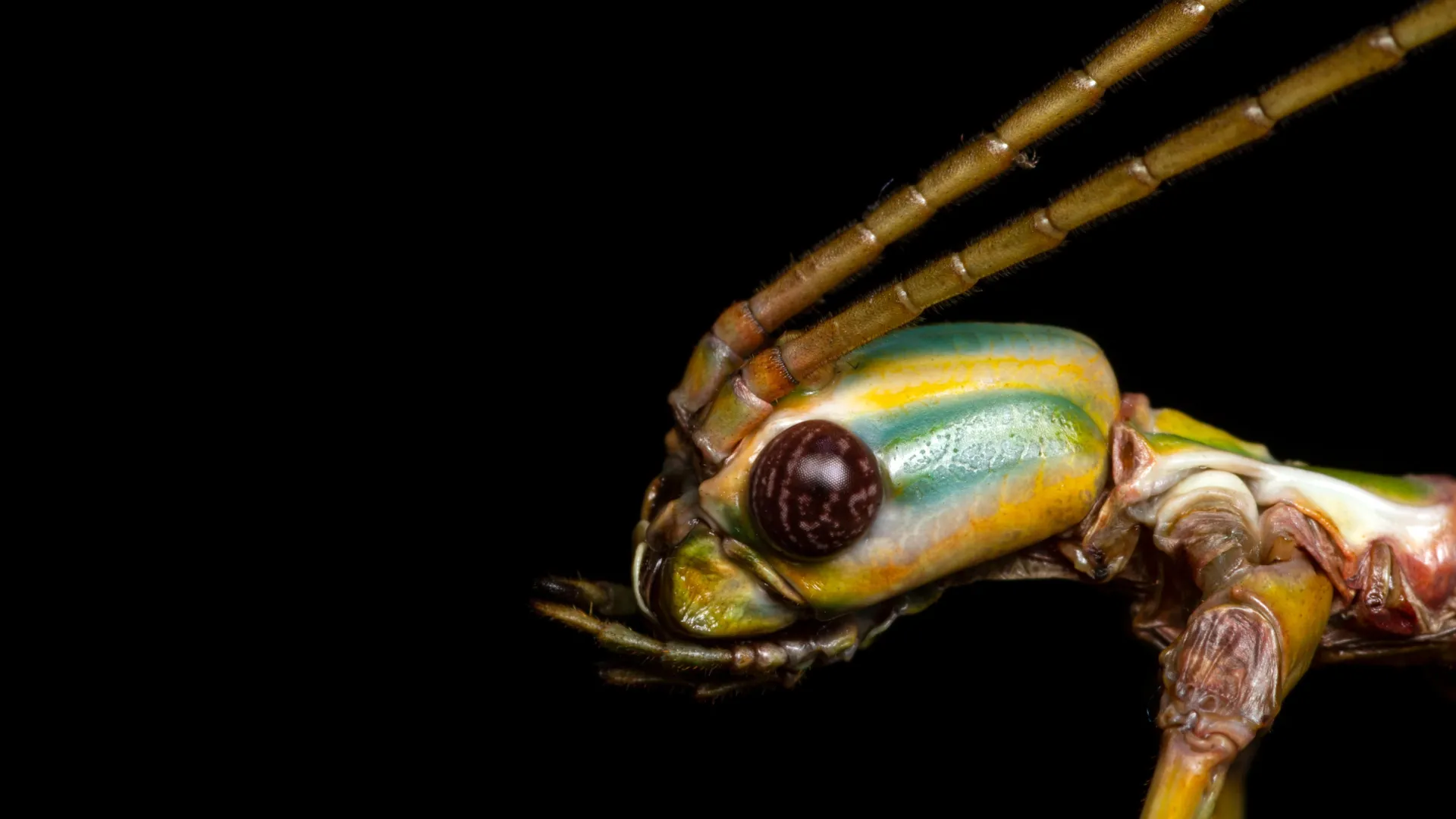
The revelation stems from a meticulous reexamination of Australian members of the Anchiale genus. Through a rigorous scientific process, the researchers not only identified two entirely new species but also reinstated a third species that had been languishing in taxonomic obscurity for decades. One of the newly described species produces remarkably unusual eggs, featuring a distinctive lid-like structure previously unobserved in any stick insect or its closest relatives. This finding alone highlights the intricate and often hidden complexities of insect biology and evolution. The newly clarified distribution of these five species spans a significant geographical range, from northern New South Wales, along the coastal regions of Queensland, and extending into tropical northern Australia, indicating a broad ecological presence that was previously misunderstood.
Hidden Diversity Among Familiar Insects: A Taxonomic Detective Story
The significance of these findings cannot be overstated, particularly given the extensive existing knowledge base surrounding Australian stick insects. For years, these insects have been the subject of considerable scientific scrutiny, and they are also popular subjects for citizen scientists. More than 1,000 observations have been diligently submitted through platforms like iNaturalist and the Atlas of Living Australia, creating a rich dataset that offers invaluable insights into their distribution and morphology. Despite this wealth of information, the discovery of new, large-bodied species within such a well-documented group is a powerful testament to the sheer scale of Australia’s undocumented insect diversity.
Lead author Dr. Braxton Jones, a Postdoctoral Research Associate in the Molecular Ecology, Evolution and Phylogenomics Laboratory at the Aola Richards Sydney Insect Hub, University of Sydney, eloquently framed the challenge and excitement of this work. "Taxonomy is often a bit like detective work," Dr. Jones explained. "Even among some of Australia’s most photographed and frequently reported insects, we’re still finding species that have escaped scientific recognition." This statement resonates deeply within the scientific community, reminding us that even in an era of advanced technology and widespread public engagement with nature, the fundamental task of cataloging life on Earth remains a formidable and ongoing endeavor.
The process of distinguishing these cryptic species involved a sophisticated, multi-pronged approach that combined cutting-edge molecular techniques with traditional morphological analysis. Researchers meticulously performed DNA analysis to uncover genetic divergences that were not apparent through visual inspection alone. This was complemented by detailed examinations of museum specimens, many of which had been collected decades or even a century ago, providing crucial historical context and morphological data. Field surveys allowed the team to observe the insects in their natural habitats, documenting their behavior, ecology, and variations across different environments. Critically, citizen science observations provided an unparalleled breadth of geographical and temporal data, helping to identify potential distribution patterns and morphological variations. Finally, studies of insects raised in captivity offered insights into life cycles, egg characteristics, and reproductive strategies that are difficult to observe in the wild. This holistic methodology was essential for unraveling the true diversity within the Anchiale genus, demonstrating how interdisciplinary research is paramount in modern taxonomy.
The Anchiale Genus: Masters of Disguise
The Anchiale genus belongs to the order Phasmatodea, commonly known as stick insects or walking sticks. These fascinating insects are renowned for their exceptional camouflage, mimicking twigs, leaves, or bark to evade predators. Australian species, in particular, are celebrated for their impressive size and often vibrant coloration, though their cryptic nature means they are often overlooked even when present in large numbers. Anchiale species are typically large-bodied, with some reaching lengths of over 20 centimeters, making their previous misidentification all the more remarkable. They are herbivorous, feeding on the foliage of various trees and shrubs, and play an important role in forest ecosystems as primary consumers. Their life cycles involve several molts as they grow, and their eggs often possess intricate structures designed for protection and dispersal. Understanding the true diversity within this genus is vital for comprehending their ecological roles and evolutionary history across the Australian landscape.
A Stick Insect Misidentified for Decades: The Case of Anchiale robusta
One of the study’s most surprising revelations centered on a large stick insect that had long been familiar to both the scientific community and amateur entomologists. This insect, frequently encountered and extensively documented, had been living under a false identity for decades. The comprehensive evidence gathered by the research team – synthesizing DNA analysis, detailed examination of museum specimens, fresh field surveys, valuable citizen science observations, and observations from insects reared in controlled environments – conclusively demonstrated that this widely recognized insect had been incorrectly classified. It is now formally recognized as a separate and distinct species, aptly named Anchiale robusta.
The restoration of Anchiale robusta underscores a fundamental challenge in taxonomy: morphological similarity can mask significant genetic and ecological differences. When species are misidentified, even for extended periods, it can have far-reaching implications. Ecological studies based on the incorrect classification may draw inaccurate conclusions about population dynamics, host plant specificity, or geographic distribution. Conservation efforts could be misdirected, potentially failing to protect genuinely distinct species or allocating resources based on flawed biological understanding. The case of A. robusta serves as a powerful reminder of the critical importance of rigorous taxonomic review and the enduring value of natural history collections, which house the specimens that allow for such re-evaluations.
The findings of this meticulous research have been formally published in Austral Entomology, a leading journal for entomological research in the Australasian region, solidifying the scientific validity and impact of the team’s discoveries.
The Discovery of Anchiale mabiensis: A Secret in the Egg
Among the newly described species is Anchiale mabiensis, a fascinating addition found exclusively in Queensland’s critically endangered Mabi rainforest on the Atherton Tablelands. This particular discovery is especially poignant given the precarious status of its habitat. The Mabi rainforest is a unique and highly threatened ecosystem, characterized by its distinctive flora and fauna, and facing severe pressure from land clearing and habitat fragmentation. Finding a new species within such a vulnerable environment highlights both the incredible biodiversity still awaiting discovery and the urgent need for robust conservation measures to protect these irreplaceable habitats before species are lost before they are even known to science.
What makes Anchiale mabiensis truly exceptional is the remarkable structure of its eggs. Unlike any other known stick insect or its close relatives, its eggs possess an unusual structural lid. Stick insect eggs are often highly diverse in their morphology, mimicking seeds or possessing intricate patterns and structures that aid in protection, dispersal, or identification. However, the lid-like feature of A. mabiensis eggs represents a novel adaptation, suggesting unique evolutionary pressures or reproductive strategies. This discovery opens new avenues for research into the reproductive biology of Phasmatodea, potentially offering clues about their life cycles, interaction with the environment, and evolutionary relationships. Such distinct morphological traits are often crucial for differentiating cryptic species and can provide valuable insights into the broader evolutionary tree of life.
Discovery Could Help Forestry and Agriculture: Practical Applications of Taxonomy
Beyond the purely academic pursuit of cataloging life, the revised classification of the Anchiale genus carries significant practical value, particularly for sectors like forestry and agriculture. One stick insect species, now understood to be a complex of multiple distinct species, is known for occasionally reaching plague-like population levels. During such outbreaks, these insects can cause substantial defoliation, stripping leaves from trees and leading to considerable economic losses and ecological damage.
The ability to distinguish between these previously lumped species is a game-changer for land managers and researchers. If what was once considered a single pest is actually several distinct species, each might have different host plant preferences, life cycles, natural enemies, or environmental triggers for outbreaks. For example, one species might primarily target commercial timber species, while another might be more abundant in native forests. By accurately identifying the specific species responsible for an outbreak, researchers can develop more targeted and effective management strategies. This could involve identifying specific biological control agents, understanding precise ecological conditions that favor one species over another, or developing more efficient monitoring protocols. Such precision can lead to reduced reliance on broad-spectrum pesticides, minimizing environmental impact, and fostering more sustainable practices in both forestry and agriculture. This underscores how fundamental taxonomic work, often perceived as an esoteric discipline, can have tangible and far-reaching benefits for human enterprise and ecological health.
The study also tantalizingly points to the possibility of yet another undescribed species from the remote Cape York region. While researchers suspect its existence, they emphasize the need for additional specimens to confirm its identity and formally describe it. This highlights the ongoing nature of scientific exploration and the vastness of Australia’s biodiversity, much of which remains uncataloged, especially in less accessible regions.
Dr. Jones’ concluding remarks serve as a powerful call to action: "These findings demonstrate the importance of protecting threatened ecosystems and documenting Australia’s extraordinary biodiversity before we lose species without us having even discovered them." This sentiment encapsulates the urgency of taxonomic research in an era of rapid environmental change and biodiversity loss. Each newly identified species represents a unique thread in the intricate web of life, contributing to ecosystem function and resilience. Losing these species before they are even known to science is an irreparable loss, diminishing our understanding of the natural world and foreclosing potential benefits that undiscovered organisms might offer.
The research was made possible through crucial funding from several key institutions, underscoring the collaborative effort required for such comprehensive studies. Significant support was provided by the Australian Biological Resources Study, channeled through the National Taxonomy Research Grant of the Commonwealth Department of Climate Change, Energy, the Environment and Water. Further funding came from a CSIRO postgraduate scholarship, demonstrating the vital role of government and research organizations in supporting foundational biodiversity science.
Fun Facts About Stick Insects: Masters of the Miniature World
Stick insects are truly fascinating creatures, embodying some of nature’s most extraordinary adaptations:
- Unrivaled Camouflage: Their primary defense is mimicry. They can perfectly imitate twigs, leaves, bark, or even thorns, making them incredibly difficult to spot in their natural habitat. Many species even sway gently, mimicking branches moving in the wind.
- Parthenogenesis: Many female stick insects can reproduce asexually, without the need for a male. This process, known as parthenogenesis, allows populations to grow rapidly, especially when mates are scarce.
- Diverse Diets: All stick insects are herbivorous, feeding on a wide variety of plants. Their specific dietary preferences can vary significantly between species, influencing their distribution and ecological role.
- Size Extremes: While Anchiale species are large, stick insects range from tiny, just a few centimeters long, to the world’s longest insect, Phryganistria chinensis Zhao, which can exceed 60 centimeters in length.
- Chemical Defense: Some species employ chemical defense mechanisms, spraying irritating or foul-smelling liquids from glands on their thorax to deter predators.
- Autotomy: Like some lizards, stick insects can voluntarily shed a leg (autotomy) to escape a predator. They can often regenerate the lost limb over several molts.
- Intricate Eggs: Stick insect eggs are incredibly diverse, often resembling plant seeds. This mimicry aids in their dispersal, as ants may carry them away, mistaking them for food, and then discard them after consuming a nutrient-rich cap (capitulum).
- Molting Marvels: As they grow, stick insects shed their exoskeletons multiple times in a process called molting. During this vulnerable period, they hang upside down, emerging with a new, larger exoskeleton.
- Long Lifespan (for insects): Many species can live for several months to over a year, with some tropical species living for multiple years in captivity.
The discovery of new species within the Anchiale genus reinforces the idea that even the most familiar corners of our planet still harbor untold biological treasures. It serves as a powerful reminder of the ongoing need for taxonomic research, conservation efforts, and the invaluable contributions of both professional scientists and citizen observers in unveiling the full tapestry of life on Earth.
