
 By admin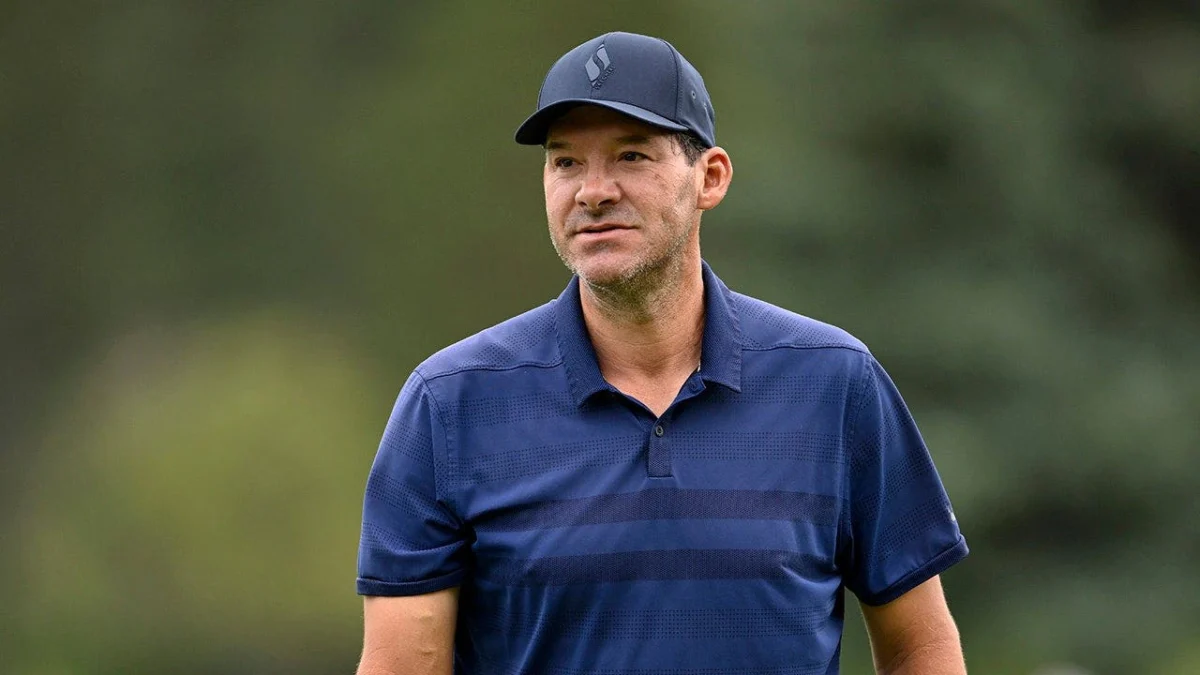
The sports world is once again grappling with headlines that extend beyond the athletic arena, this time involving former Dallas Cowboys quarterback and current CBS color commentator Tony Romo. Details have emerged regarding Romo’s recent arrest on charges of alleged operating while intoxicated (OWI) in Wisconsin, with reports indicating he was uncooperative with law enforcement during the incident. This situation draws a parallel to other high-profile athletes facing legal scrutiny, including the ongoing legal proceedings for golf icon Tiger Woods, who is awaiting trial following his own DUI arrest.
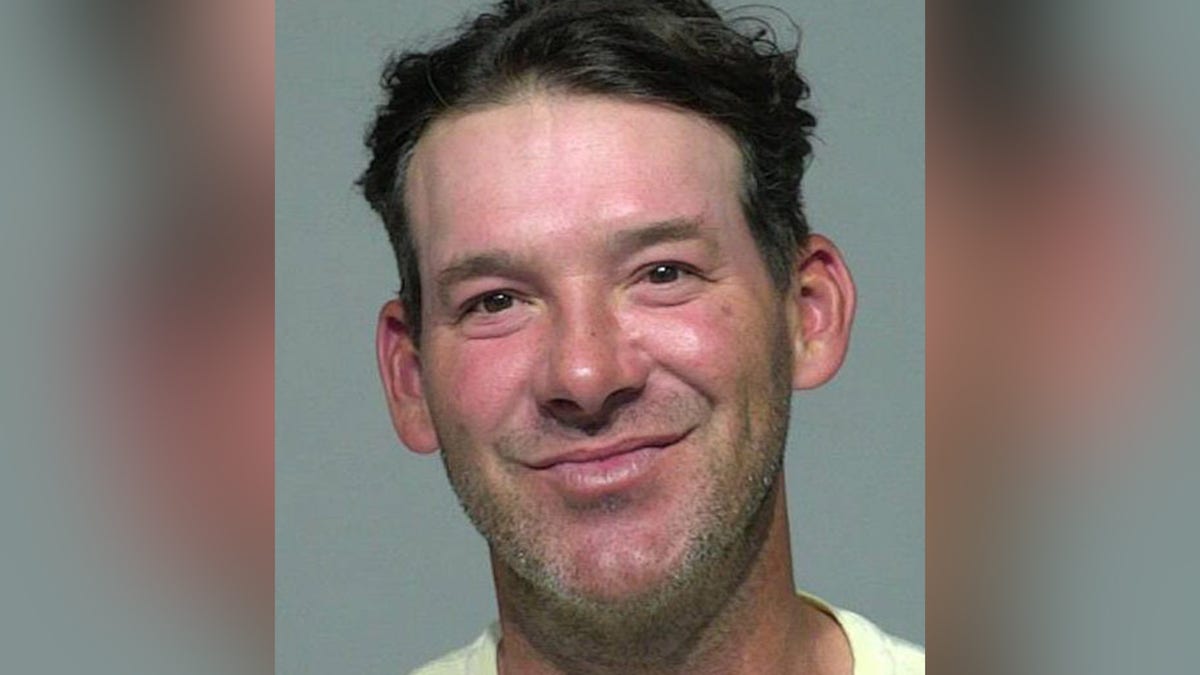
The arrest of Tony Romo occurred on July 23, following his participation in a Milwaukee golf event. According to records obtained by The California Post, Romo was issued a citation for "refusing to take test for intoxication after arrest." This refusal to submit to chemical testing is a critical element in OWI cases, often leading to enhanced penalties or a presumption of impairment in many jurisdictions. Sources indicate Romo was stopped on an interstate highway after concluding his round at the Wisconsin Amateur Championship. During the subsequent interaction with law enforcement, he reportedly performed poorly on field sobriety tests, a common indicator used by officers to assess potential impairment. Romo was subsequently released and is scheduled to appear in court on September 21.
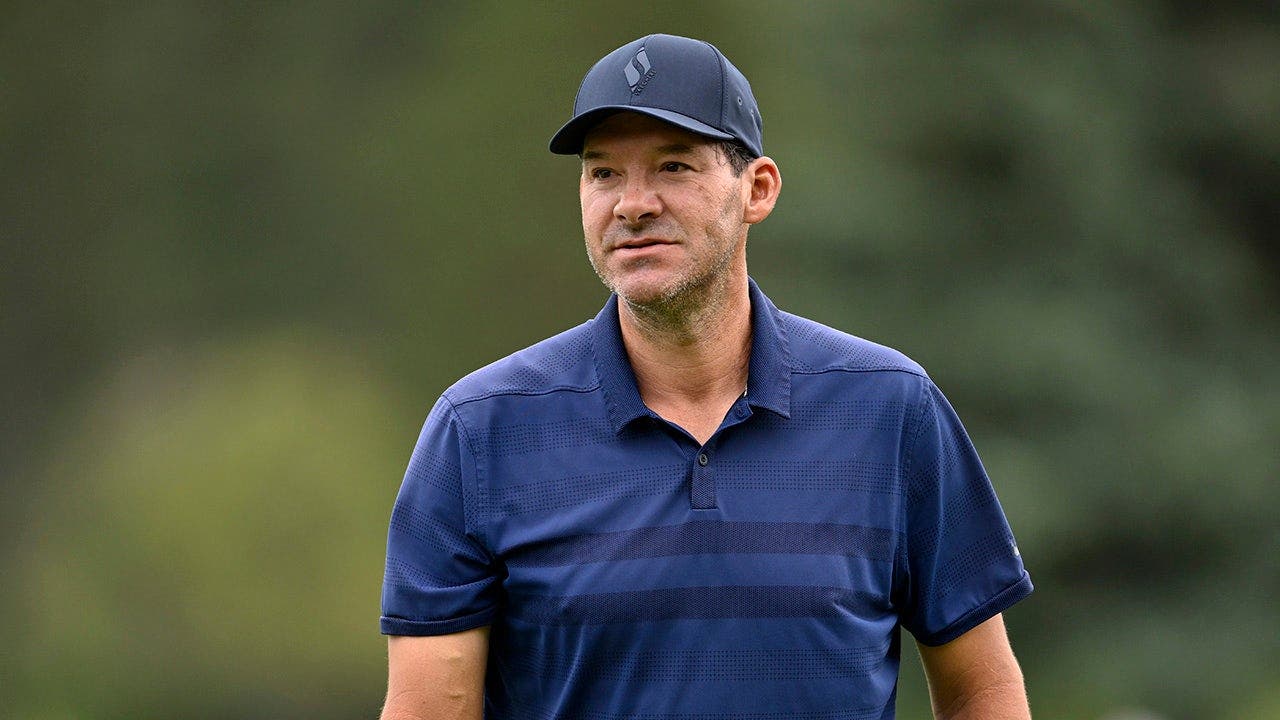
The Milwaukee County District Attorney’s office has clarified that, as of the current stage, Romo’s situation is being treated as allegations, and the case is classified as a traffic violation rather than a criminal charge in Wisconsin. This distinction is significant, as traffic violations typically carry less severe penalties than criminal OWI convictions. However, the refusal to take a chemical test can still have substantial consequences, including mandatory license suspensions and fines, regardless of whether it constitutes a criminal offense. Information regarding other aspects of the arrest has not been immediately made public, and neither the Milwaukee County Sheriff’s Office nor CBS, where Romo serves as a commentator, have responded to requests for comment from Fox News Digital.
The legal ramifications for Romo, while currently categorized as a traffic violation, highlight a broader trend of public figures facing legal challenges related to impaired driving. This echoes the situation of golf legend Tiger Woods, who is also awaiting trial following his highly publicized DUI arrest in Florida in May 2017. Woods’ case gained significant attention due to his initial statement attributing his erratic behavior to a combination of prescription medications for pain and sleep disorders. Fox News contributor Donna Rotunno, in a segment on ‘Fox & Friends First,’ discussed how Woods’ refusal to submit to chemical testing and his documented history of drug use could significantly impact the prosecution’s strategy in his ongoing legal battle. This parallel underscores the complexities prosecutors face when dealing with defendants who refuse testing, as it often necessitates building a case on other observational evidence, such as field sobriety tests and witness testimony.
Romo’s legal troubles come at a time when his public profile remains high, not only for his broadcasting career but also for his continued involvement in golf. He was slated to participate in the M&P Group Texas State Open but withdrew over the weekend, a decision likely influenced by the recent arrest. This withdrawal underscores the immediate impact such incidents can have on an individual’s professional commitments and public image.
Tony Romo’s transition from a star NFL quarterback to a prominent sports commentator has been a notable career shift. He retired from professional football in 2017, concluding a storied career with the Dallas Cowboys. During his tenure with the Cowboys, from 2006 to 2015, Romo established himself as one of the team’s most impactful quarterbacks. His career statistics are impressive: he threw for 34,183 yards, 248 touchdowns, and 117 interceptions, completing a respectable 65.3% of his passes. He was a four-time Pro Bowl selection and finished tied for third in the NFL MVP voting in 2014, demonstrating his elite standing among his peers.
However, Romo’s NFL career was also marked by significant challenges, most notably injuries. A back injury in 2016 cost him his starting position to then-rookie Dak Prescott, ultimately leading to his release by the Cowboys after the season and his decision to retire. Despite his individual accolades, Romo’s playoff record remains a point of discussion among fans and analysts. He posted a 2-4 record in the postseason, with a particularly infamous moment occurring in his first playoff game against the Seattle Seahawks. In that game, he famously dropped a snap on a potential game-winning field goal attempt, recovered the ball, and attempted to run for a touchdown, only to be stopped short, sealing the victory for Seattle. This play has become emblematic of the team’s struggles in the playoffs during his tenure.
Since his retirement from playing, Romo has found considerable success and acclaim as a broadcast analyst. Alongside veteran play-by-play announcer Jim Nantz, he has become a primary voice for CBS Sports’ NFL coverage. The duo has called three Super Bowls together, including the dramatic overtime victory for the Kansas City Chiefs over the San Francisco 49ers in Super Bowl LVIII, showcasing their chemistry and insightful commentary. His ability to connect with viewers and provide expert analysis has solidified his position as one of the most respected voices in sports broadcasting.
The arrest of Tony Romo raises questions about the pressures and challenges faced by public figures, particularly those who have achieved significant fame and success. The juxtaposition of his current legal situation with the ongoing legal battles of Tiger Woods serves as a stark reminder that even those at the pinnacle of their respective sports are not immune to personal struggles and legal entanglements. The emphasis on uncooperative behavior during an OWI stop, as reported in Romo’s case, is a recurring theme in impaired driving arrests and often complicates the legal process for the accused.
The incident also brings to light the scrutiny that public figures face, with their actions often amplified and dissected by the media and the public. Romo’s withdrawal from the M&P Group Texas State Open is a clear indication of the immediate professional consequences. His silence on the matter thus far is understandable, as he navigates the legal proceedings and awaits further developments.
As both Romo and Woods await their respective trials, their situations highlight the importance of responsible behavior and the potential ramifications of impaired driving, regardless of one’s public stature. The legal systems in place are designed to address these issues, and the outcomes for both individuals will be determined by the evidence presented and the applicable laws. The sports world, while often celebrating the triumphs of its athletes, must also acknowledge and address the personal challenges that can arise, impacting both their careers and their lives off the field and course. The ongoing coverage of these cases will undoubtedly continue to draw attention to the broader issues of substance abuse, impaired driving, and the legal accountability of public figures.
