
 By admin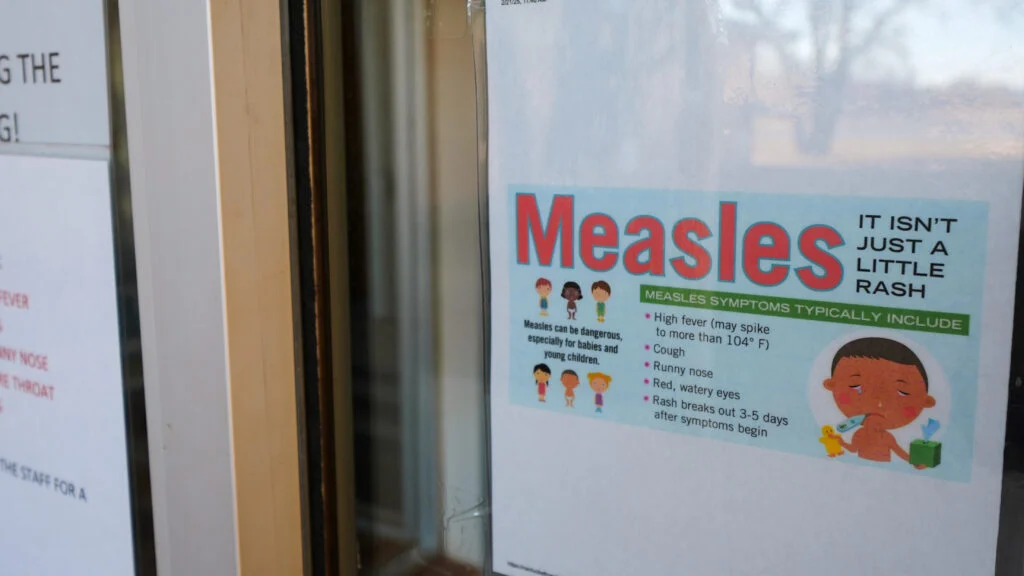
The surge in measles cases and subsequent deaths has not only triggered a public health emergency but has also ignited a fierce political firestorm within the highest echelons of the federal government. Robert F. Kennedy Jr., serving as the Secretary of Health and Human Services in the current administration, has publicly questioned the causal link between the virus and the first two recorded deaths of the year. In a series of statements, most notably on the social media platform X, Kennedy emphasized that the Centers for Disease Control and Prevention (CDC) has yet to officially register these fatalities as measles deaths. He clarified that the CDC’s reporting is contingent upon data from the National Center for Health Statistics, which must list measles as the primary underlying cause of death on official certificates submitted by state registrars. This bureaucratic distinction has created a rift between federal leadership and local health departments, with many epidemiologists expressing concern that such skepticism from the nation’s top health official could exacerbate vaccine hesitancy and undermine the urgency required to contain the outbreak.
The historical context of the 1992 measles surge provides a sobering parallel to the current situation. During the late 1980s and early 1990s, a major resurgence of measles in the U.S. resulted in tens of thousands of cases and over 120 deaths, primarily among unvaccinated preschool-aged children. That crisis led to a massive federal mobilization to increase vaccination rates, eventually leading to the declaration of measles elimination in the U.S. in 2000. To see mortality figures returning to 1992 levels suggests a significant breakdown in the public health infrastructure and a decline in herd immunity. Measles is one of the most contagious diseases known to man; a single infected individual can spread the virus to up to 18 unprotected people. To prevent community transmission, a population must maintain a vaccination rate of roughly 95%. In several of the counties currently experiencing outbreaks, those rates have slipped dangerously low, fueled by a combination of pandemic-era disruptions to routine care and a growing distrust of pharmaceutical interventions.
As the nation grapples with this resurgence, the political stakes are being further heightened by the approaching 2026 midterm elections. Healthcare has emerged as a central pillar of the campaign trail, with Democrats signaling a shift toward aggressive oversight should they regain control of the House or Senate. Legislative leaders have indicated that their primary targets for investigation would likely mirror the controversies of the current administration’s first two years. This includes the handling of the measles outbreak, the transparency of CDC data under Secretary Kennedy, and the broader implementation of healthcare policies that critics argue have weakened the safety net. There is a growing consensus among opposition lawmakers that the current administration’s focus on "medical freedom" has come at the expense of established epidemiological protocols, a narrative they intend to pursue through high-profile congressional hearings and probes into federal agency conduct.
The discourse surrounding the midterms has also taken an unexpected turn toward the management of chronic and age-related conditions, specifically dementia. Dr. Jason Karlawish, a prominent physician and STAT contributor, has noted that politicians from across the spectrum have frequently weaponized cognitive decline as a political tool, often using it to disparage opponents rather than addressing it as a pressing policy issue. Karlawish argues that dementia is not a niche medical concern but a central economic and social challenge that intersects with nearly every major campaign issue. The costs of long-term care, the strain on family caregivers, and the implications for the labor market as the population ages are all inextricably linked to how the government manages Alzheimer’s and related disorders. Furthermore, the intersection of immigration and dementia—specifically the reliance on immigrant labor for home health care—remains a critical but often overlooked component of the national conversation. Karlawish advocates for a "responsible conversation" that moves away from schoolyard insults and toward substantive reforms in caregiver support and diagnostic privacy.
Amidst these macro-level health crises and political maneuvers, the human element of medicine continues to evolve in the classroom. Dr. David Elkowitz, a professor who was diagnosed with thymic cancer in 2017, has transformed his personal battle into a pedagogical tool for the next generation of physicians. Elkowitz’s journey toward vulnerability began when his own oncologist shared her experience with cancer, a gesture he credits with "unlocking" his ability to communicate after the trauma of his diagnosis. Today, Elkowitz uses his own medical records, tumor pathology, and imaging results to teach first-year medical students about the biological and emotional realities of malignancy. By presenting himself as both the educator and the patient, he bridges the gap between clinical theory and human suffering. This approach aims to foster a deeper sense of empathy in students, ensuring that when they eventually enter the wards, they view their patients not as a collection of symptoms or laboratory values, but as individuals navigating a profound and often terrifying journey.
While infectious diseases and medical education dominate headlines, a more insidious threat continues to permeate the illegal drug supply: the rise of medetomidine. A potent sedative and analgesic typically used in veterinary medicine, medetomidine has been increasingly identified as a contaminant in fentanyl mixtures over the last two years, following a similar trajectory to the earlier emergence of xylazine. A recent study published in the Annals of Internal Medicine detailed the harrowing experiences of users who have encountered this "tranq" substitute. The drug is so powerful that it causes immediate, profound sedation, leaving users vulnerable to physical assault and robbery. Unlike opioids, medetomidine does not respond to naloxone, making overdoses involving the drug significantly more difficult to manage in emergency settings. Furthermore, the withdrawal process is described as excruciating, characterized by severe hypertension and tachycardia that can be life-threatening. Epidemiologists like Nabarun Dasgupta have described this phenomenon as a "molecular treadmill," where the illegal market constantly shifts toward new, more dangerous additives to bypass regulations or increase potency, resetting the cycle of harm for users and first responders alike.
In response to the shifting landscape of chronic disease and substance use, the federal government is looking toward technological solutions. Medicare has recently announced an expansion of its experimental "TEAM" (Transforming Episode Accountability Model) program. Initially launched to manage conditions like diabetes and hypertension through digital health interventions and outcome-aligned payments, the pilot program will now include substance use disorder, heart failure, and tobacco cessation. The expansion represents a significant bet on value-based care, where technology companies and healthcare providers are incentivized based on patient improvement rather than the volume of services rendered. While the program is in its infancy, regulators are optimistic that integrating digital management tools can provide the continuous monitoring necessary to prevent acute crises in patients with complex, multi-morbid conditions. However, the success of this model hinges on the participation of major tech players and the ability of traditional healthcare systems to integrate these new digital workflows into their existing structures.
As 2026 progresses, these interconnected issues—the return of preventable diseases, the political polarization of public health, the evolving drug epidemic, and the push for technological reform—paint a picture of a healthcare system at a crossroads. The resurgence of measles serves as a grim warning of what happens when the foundations of public trust and community health are eroded. Whether the nation can navigate these challenges through renewed oversight, empathetic education, and innovative policy remains to be seen, but the stakes have rarely been higher for the physical and social well-being of the American public.
