
 By admin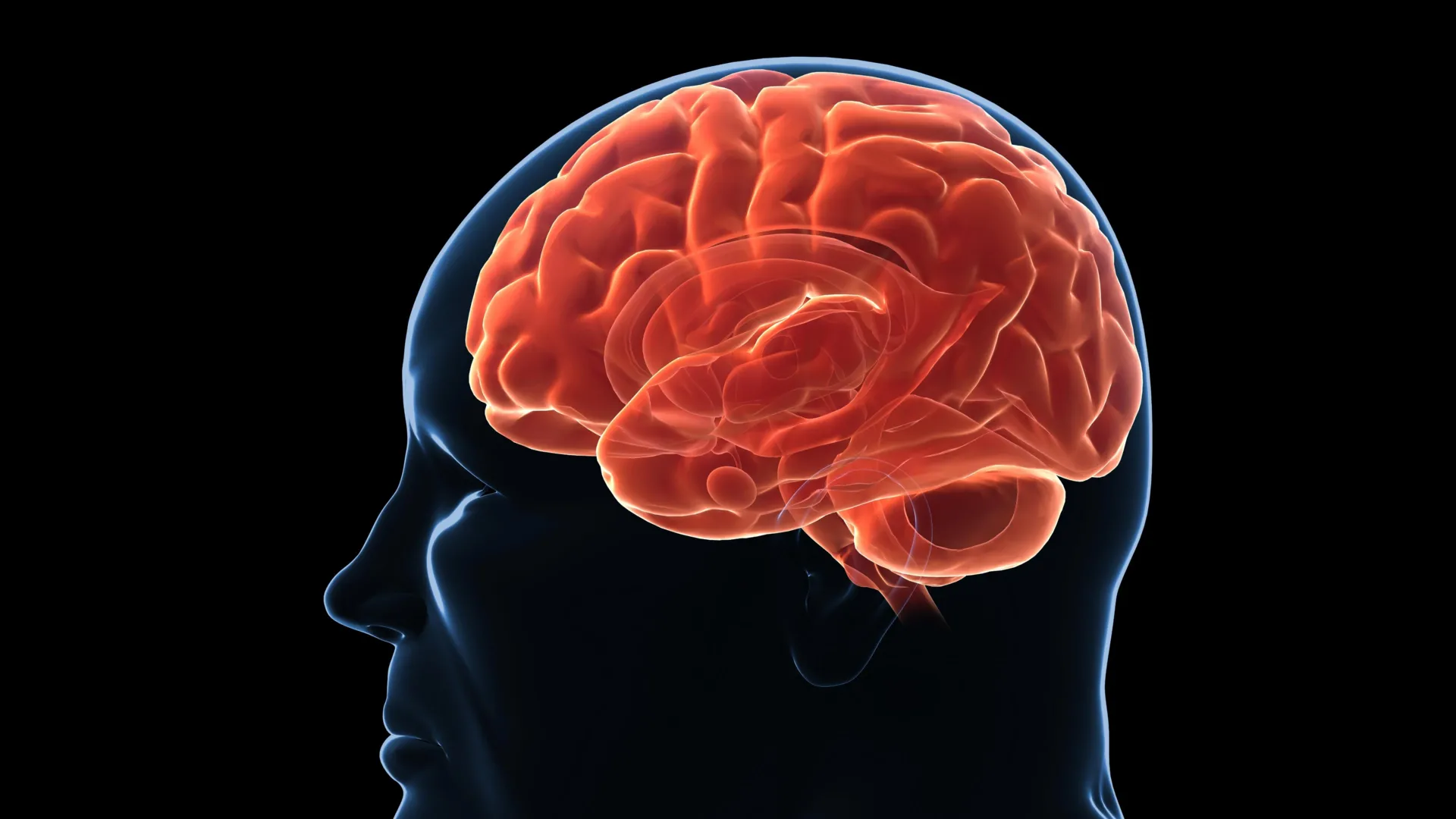
To truly grasp the complexities of modern weight challenges, it’s essential to go back a few hundred thousand years to examine our early human ancestors. Their existence was a relentless struggle for survival, marked by periods of feast and famine. In such an unpredictable world, body fat was a lifeline—a vital energy reserve. Too little could mean starvation during lean times, while too much could impede agility and escape from predators, striking a delicate balance crucial for survival. Over millennia, the human body evolved to become remarkably adept at guarding its energy reserves, developing complex biological defenses wired deep into the brain. These systems were exquisitely tuned to optimize energy storage and usage, ensuring survival in environments with fluctuating food availability. However, in today’s world, where food is abundant, often cheap and calorie-dense, and physical movement is largely optional, those same ancient survival systems that once protected our ancestors now inadvertently make it incredibly difficult for us to lose weight and maintain that loss. It’s, perhaps, the ultimate case of blaming the parents, or rather, our evolutionary predecessors, for a biological legacy that is now ill-suited to our current environment.
When an individual loses weight, the body’s sophisticated homeostatic mechanisms react as if this reduction in energy stores were a dire threat to survival. This isn’t a conscious decision but an automatic, deeply ingrained biological response. Scientific research has extensively documented these counter-regulatory adaptations. For instance, hunger hormones, such as ghrelin, surge dramatically, sending powerful signals to the brain that amplify feelings of emptiness and a desperate need for food. Simultaneously, food cravings intensify, often for calorie-dense, palatable foods that were once vital for rapid energy replenishment. Moreover, energy expenditure drops significantly; the body becomes more efficient, burning fewer calories at rest (a phenomenon known as adaptive thermogenesis) and even reducing the energy cost of physical activity. These physiological adjustments are all part of an evolutionary program designed to optimize energy storage and usage in environments characterized by scarcity. Yet, in our modern landscape, with easy access to cheap, calorie-dense junk food and increasingly sedentary routines, these very adaptations that once ensured our survival now contribute to the global obesity crisis, creating a significant biological barrier to sustained weight loss.
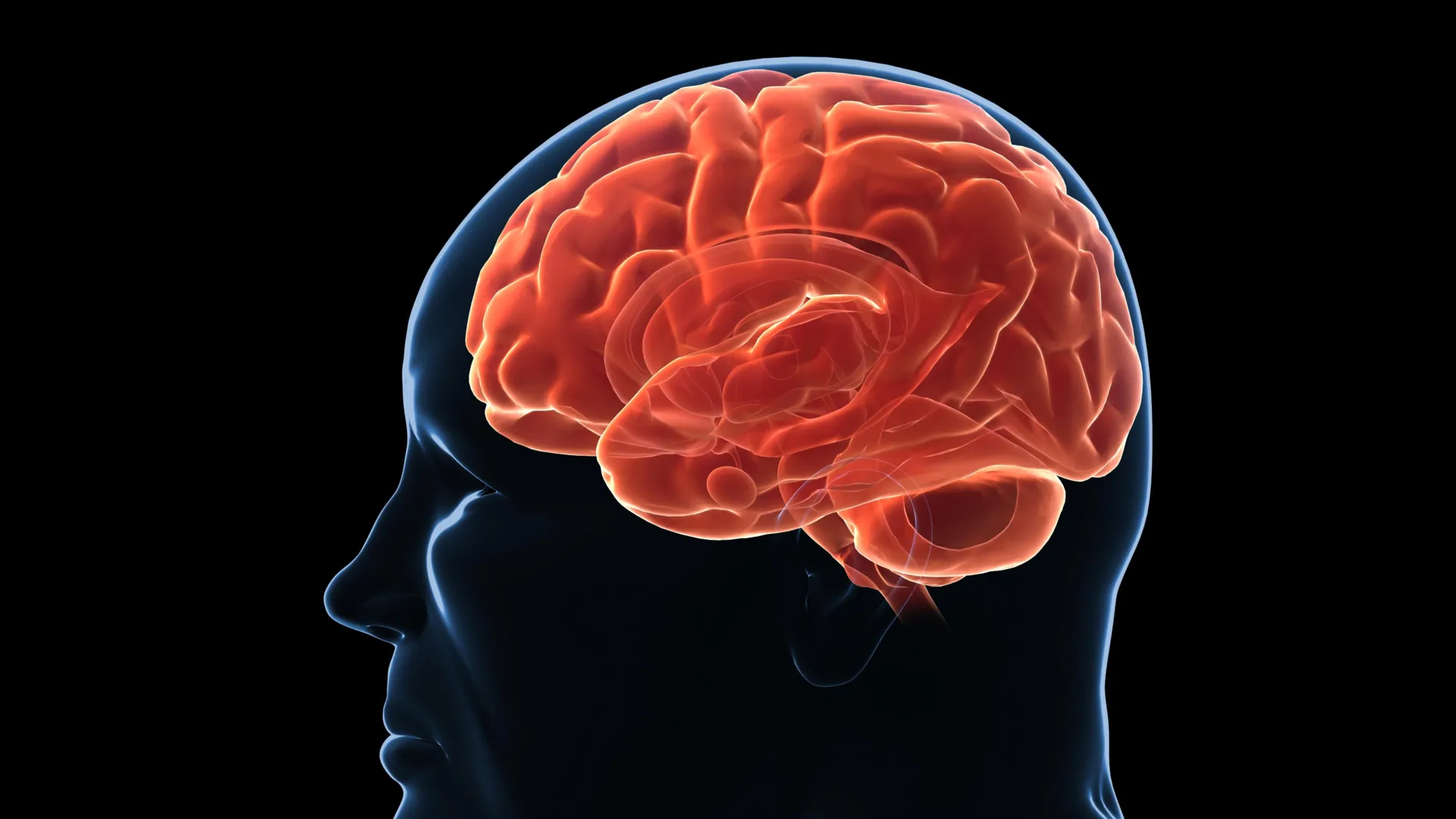
Adding another layer of complexity, recent research, including findings published in Cell, has illuminated how our brains possess powerful mechanisms for defending body weight. Our brains, it appears, can "remember" what that weight used to be. For our ancient ancestors, this neurobiological "memory" was an invaluable asset. If weight was lost during periods of scarcity or hardship, their bodies would be biologically primed to "get back" to their usual, optimal weight during better times, ensuring they were well-prepared for the next inevitable period of famine. However, for modern humans, this same mechanism has a less beneficial outcome. It means that our brains and bodies "remember" any excess weight gain, treating that higher weight as a new, defended set point, as though our survival and lives depend upon it. So, in effect, once the body has been heavier, the brain comes to treat that higher weight as the new normal—a level it feels compelled to defend with all its biological might. This explains why many people, after successfully losing weight through dieting, experience a frustrating and often demoralizing regain. The science clearly demonstrates that this weight regain is not primarily due to a lack of discipline or moral failing; rather, our biology is doing precisely what it evolved to do: defend against what it perceives as a threat—weight loss.
Hacking Biology: The Promise and Perils of Modern Interventions
This profound understanding of the body’s weight regulation system is where weight-loss medications, particularly the new class of GLP-1 receptor agonists such as Wegovy (semaglutide) and Mounjaro (tirzepatide), have offered fresh hope and represent a significant advance in the medical treatment of obesity. These drugs work by mimicking the action of naturally occurring gut hormones, primarily Glucagon-Like Peptide-1 (GLP-1), that play a crucial role in regulating appetite, satiety, and glucose metabolism. By activating GLP-1 receptors in the brain, they send powerful signals that curb appetite, slow gastric emptying (making you feel fuller for longer), and improve insulin sensitivity, thereby leading to substantial and sustained weight loss for many individuals. The efficacy of these medications has been transformative, offering a pharmacological intervention that directly addresses some of the biological mechanisms that make weight loss so challenging.
However, despite their revolutionary potential, these drugs are not a panacea, and their application comes with nuances and challenges. Not everyone responds well to such medications; for some, the side effects can be significant, including nausea, vomiting, diarrhea, constipation, and even specific oral health issues like dry mouth, making them difficult to stick with long-term. For others, the drugs simply don’t seem to lead to significant weight loss at all, highlighting the individual variability in biological responses. Furthermore, a critical limitation is that once treatment stops, the underlying biology often reasserts itself, leading to the return of lost weight. This underscores that these medications manage, rather than cure, the biological predisposition to obesity, similar to how blood pressure medication manages hypertension. The high cost and accessibility of these drugs also remain significant barriers for many.
The ongoing advancements in obesity and metabolism research hold the promise of even more sophisticated future therapies. Scientists are exploring ways to develop treatments that can "re-set" the brain’s defended weight set point or permanently "turn down" the signals that drive the body back to its original weight, potentially even beyond the treatment period. This could involve novel drug targets, gene therapies, or more personalized approaches tailored to an individual’s unique biological profile.
Crucially, parallel research is also increasingly demonstrating that "good health" isn’t synonymous with "a good weight" as defined by conventional metrics like BMI. A growing body of evidence suggests that focusing on health-promoting behaviors can yield significant benefits regardless of changes on the scale. Engaging in regular exercise, prioritizing good sleep hygiene, adopting a balanced and nutritious diet, and cultivating mental well-being can all profoundly improve cardiovascular and metabolic health outcomes, even if the number on the scales barely moves. This perspective emphasizes that health is multi-faceted and not solely determined by body weight, promoting a more holistic and less weight-centric approach to well-being.
A Whole Society Approach: Beyond Individual Blame
It is imperative to recognize that obesity is not merely an individual problem of choice or willpower; it is a complex public health challenge that demands a society-wide approach to truly tackle its root causes. The environments in which we live, learn, work, and play—often termed "obesogenic environments"—profoundly influence our dietary patterns and physical activity levels. Research consistently suggests that a number of preventative measures, implemented at a systemic level, can make a substantial difference. These include critical investments in healthier school meals, ensuring that children have access to nutritious food during formative years; robust regulations to reduce the pervasive marketing of junk food and sugary beverages to children, who are particularly vulnerable to persuasive advertising; and urban planning initiatives focused on designing neighborhoods where walking and cycling are prioritized over car dependency, creating active transportation infrastructure. Furthermore, policies encouraging restaurants to offer standardized and appropriately sized food portions could help combat the pervasive issue of portion distortion, which encourages overconsumption.
Scientists are also paying close attention to key early-life stages—from pregnancy through to around the age of seven—as critical windows when a child’s weight regulation system is particularly malleable and susceptible to environmental influences. Research has found that factors such as what parents eat during pregnancy, how infants are fed (e.g., breastfeeding versus formula feeding, introduction of solids), and early lifestyle habits (e.g., screen time, physical activity, sleep patterns) can all profoundly shape how the brain controls appetite, metabolism, and fat storage for years, and even decades, to come. This field of developmental programming highlights the long-term impact of early-life exposures on an individual’s biological predisposition to weight gain, emphasizing the importance of preventative strategies that begin even before birth.
For individuals navigating the complexities of weight management, there are still impactful things that can be done, albeit with a refined understanding of the underlying biology. The focus should shift less from crash diets and intense restriction, which often trigger the body’s defensive mechanisms, and more towards establishing sustainable habits that support overall well-being. Prioritizing adequate and quality sleep, for example, is crucial, as sleep deprivation can disrupt hunger-regulating hormones like leptin and ghrelin, increasing appetite and cravings. Similarly, incorporating regular physical activity—even moderate activities like daily walking—can significantly improve blood sugar levels, enhance cardiovascular health, build muscle mass, and improve mood, all contributing to better metabolic health regardless of immediate weight changes. Adopting a balanced, nutrient-dense diet that emphasizes whole foods while minimizing ultra-processed items also supports long-term health and can work with the body’s natural satiety signals rather than against them.
The bottom line is clear: obesity is not a personal failure, but rather a complex biological condition shaped by our brains, our genes, and the environments we live in. This understanding fosters empathy and destigmatizes a condition that has long been unfairly blamed on individuals. The good news is that rapid advances in neuroscience and pharmacology are offering unprecedented new opportunities in terms of treatments that can address the biological drivers of weight gain. Simultaneously, comprehensive prevention strategies, implemented at a societal level, have the potential to shift the landscape for future generations, creating environments that are more conducive to health and well-being.
So, if you’ve struggled to lose weight and keep it off, know that you’re far from alone, and it’s not your fault. The human brain, with its ancient survival programming, is a formidable opponent in the modern food environment. But with the accelerating pace of scientific discovery, innovative medical treatments, and smarter public health policies, we are beginning to understand and change the rules of the game, moving towards a future where managing weight is a collective, informed, and compassionate endeavor.
