
 By admin
The quintessential American beach town is defined by more than just its proximity to the shoreline; it is a delicate ecosystem where accessibility, local character, and coastal beauty intersect. While the United States boasts over 95,000 miles of shoreline, not every coastal enclave is suited for the logistical constraints of a 48-hour or 72-hour escape. To qualify as an ideal weekend destination, a town must minimize the friction of travel—sitting within a reasonable radius of major metropolitan hubs or regional airports—while maximizing the "vacation feel" through a high density of dining, recreation, and cultural landmarks.
In the current travel landscape, "micro-vacations" have surged in popularity as professionals seek to balance high-intensity work schedules with frequent, shorter bursts of rejuvenation. For these travelers, the guesswork of planning is the primary barrier to entry. By curating a list of destinations that offer seamless transit options and a robust local infrastructure, travelers can transition from a city office to a seaside boardwalk in the span of a single afternoon. From the rocky, lighthouse-dotted cliffs of the North Atlantic to the surf-heavy swells of the Pacific and the unexpected freshwater "seas" of the Midwest, the following eight towns represent the gold standard for efficient yet transformative coastal retreats.
Ogunquit, Maine: The "Beautiful Place by the Sea"
Ogunquit, which translates to "beautiful place by the sea" in the indigenous Abenaki language, has long served as a sanctuary for artists and New Englanders looking to escape the humidity of Boston and New York. What distinguishes Ogunquit from other Maine coastal towns is its rare combination of expansive sandy beaches and dramatic, rocky coastlines. While much of Maine’s coast is defined by jagged granite, Ogunquit Beach offers a three-mile stretch of soft white sand that is consistently ranked among the top beaches in the United States.
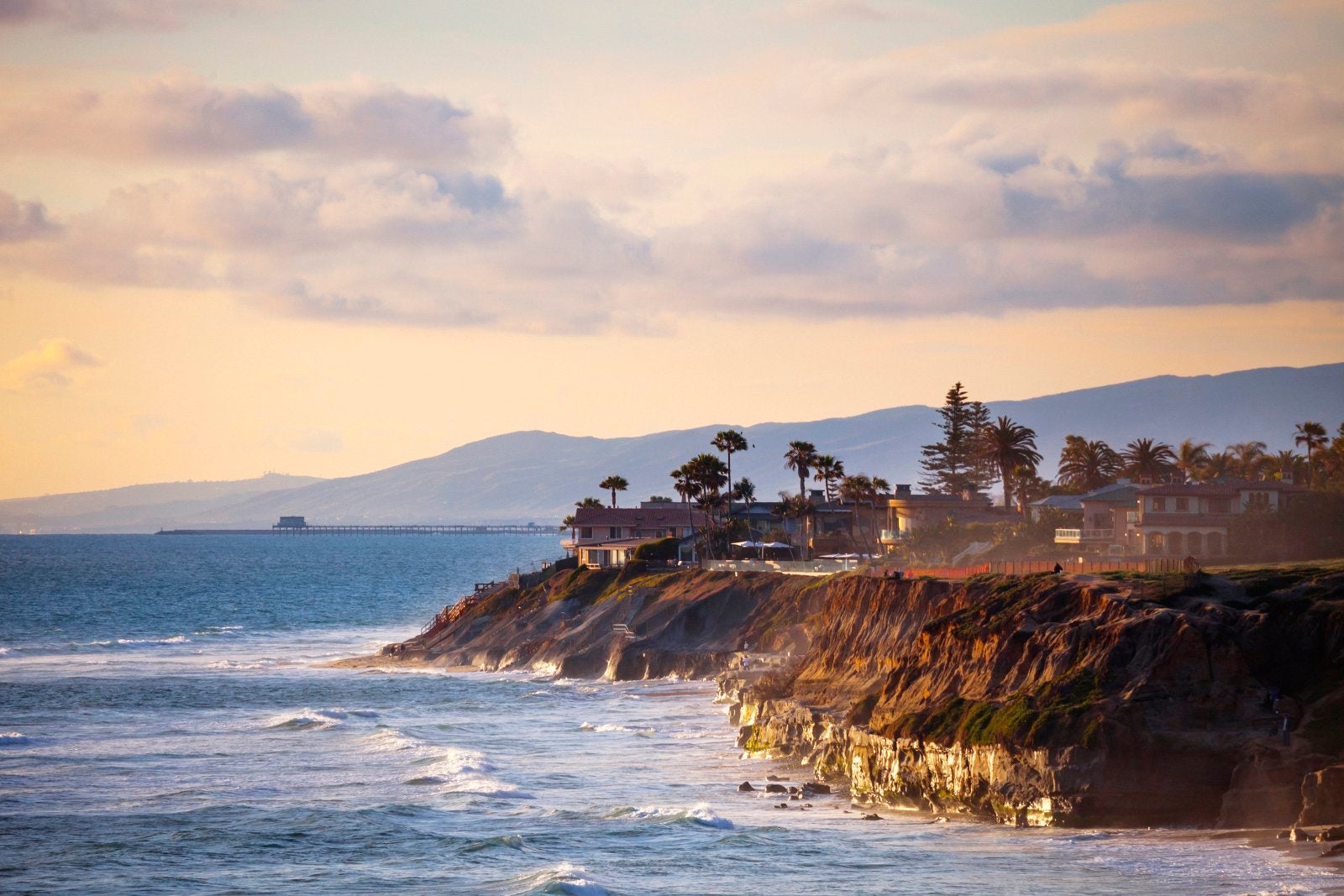
For the weekend traveler, the town’s layout is its greatest asset. The Marginal Way, a 1.25-mile paved cliff walk, connects the main downtown area to Perkins Cove, a historic fishing village that feels like a living postcard. Walking this path at sunrise provides a panoramic view of the Atlantic that has inspired the Ogunquit Art Colony for over a century. Beyond the views, the town is a cultural heavyweight, home to the Ogunquit Playhouse—one of the last remaining "straw hat" summer theaters—and the Ogunquit Museum of American Art, which overlooks the ocean.
Logistically, Ogunquit is a model of convenience. It is situated just 70 miles north of Boston, making it a manageable 75-minute drive or a stress-free trip via the Amtrak Downeaster to nearby Wells. For those flying in, Portland International Jetport (PWM) is a mere 45 minutes away, providing quick access for visitors from the Mid-Atlantic and beyond.
Encinitas, California: The Soul of Surf Culture
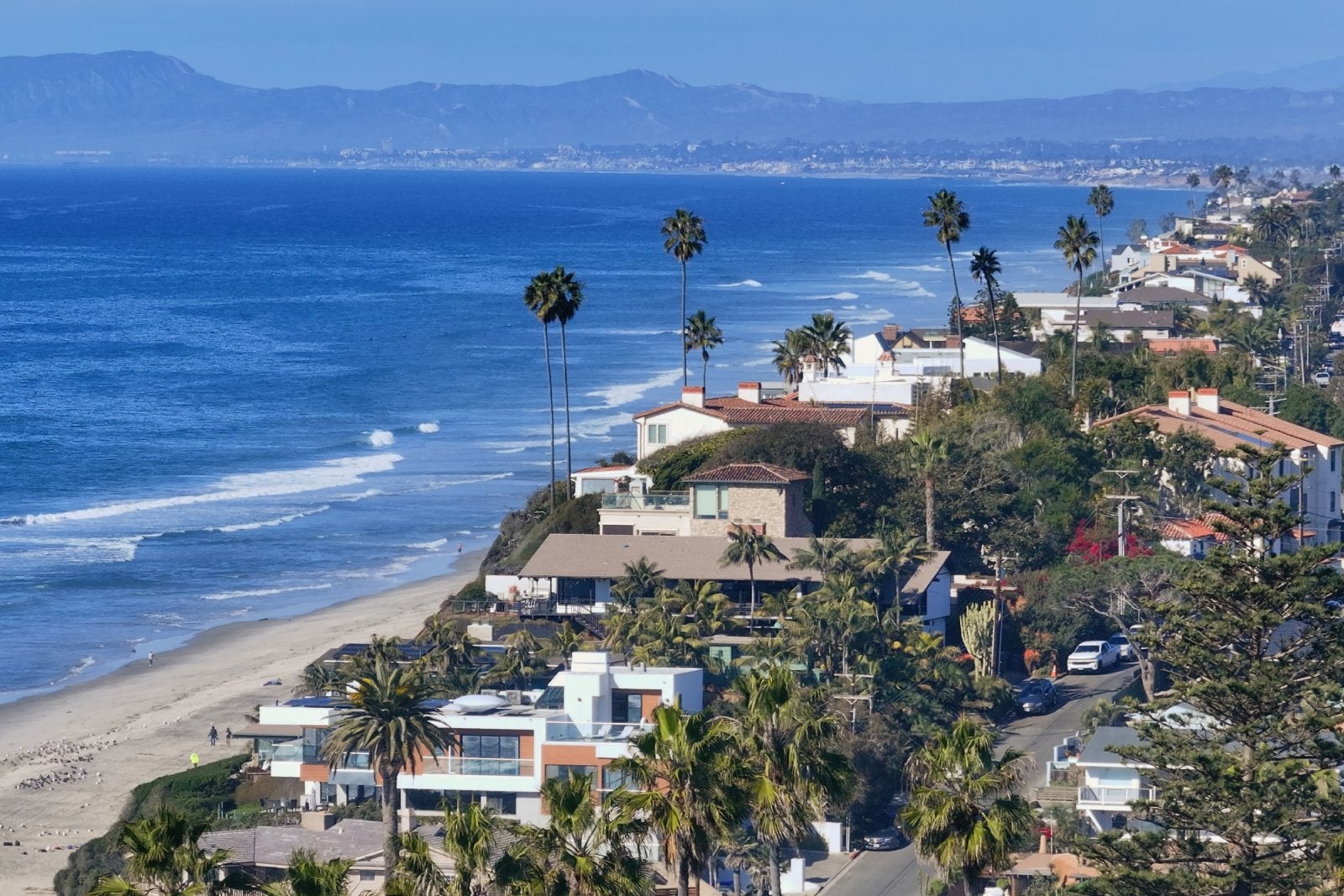
While Southern California is saturated with iconic beach destinations, Encinitas offers a specific brand of "old-school cool" that remains remarkably accessible. Located roughly 25 miles north of San Diego, this town manages to avoid the high-gloss commercialization of nearby La Jolla or the congestion of Los Angeles. Encinitas is divided into several distinct districts, but its heart lies along Historic Highway 101, where surf shops, independent boutiques, and third-wave coffee roasters line the palm-fringed corridor.
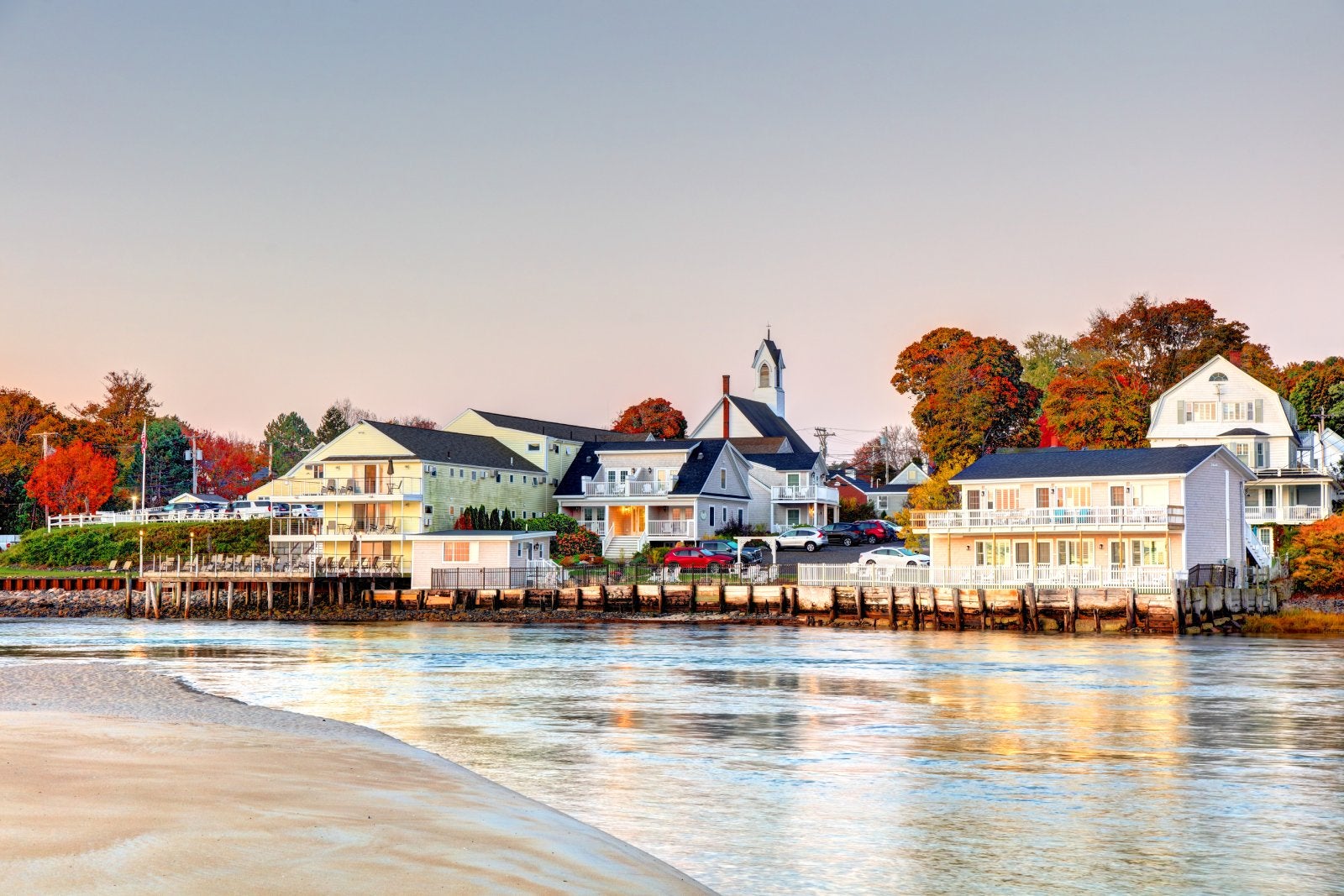
The town’s geography is dominated by towering bluffs that overlook some of the most famous surf breaks in the world. Swami’s Beach, immortalized by the Beach Boys, attracts world-class surfers and spectators alike, while Moonlight State Beach offers a more traditional family-friendly experience with volleyball courts, fire pits, and easy parking. For those seeking a break from the sand, the San Diego Botanic Garden offers 37 acres of diverse flora, and the Self-Realization Fellowship Hermitage & Meditation Gardens provides a tranquil cliffside retreat.
The ease of a weekend here is facilitated by the Coaster commuter rail and the Amtrak Pacific Surfliner, both of which stop in the center of town. This allows travelers to fly into San Diego International Airport (SAN), hop on a train, and arrive in Encinitas without the need for a rental car, bypassing the notorious Southern California traffic.
Wrightsville Beach, North Carolina: The Emerald of the East
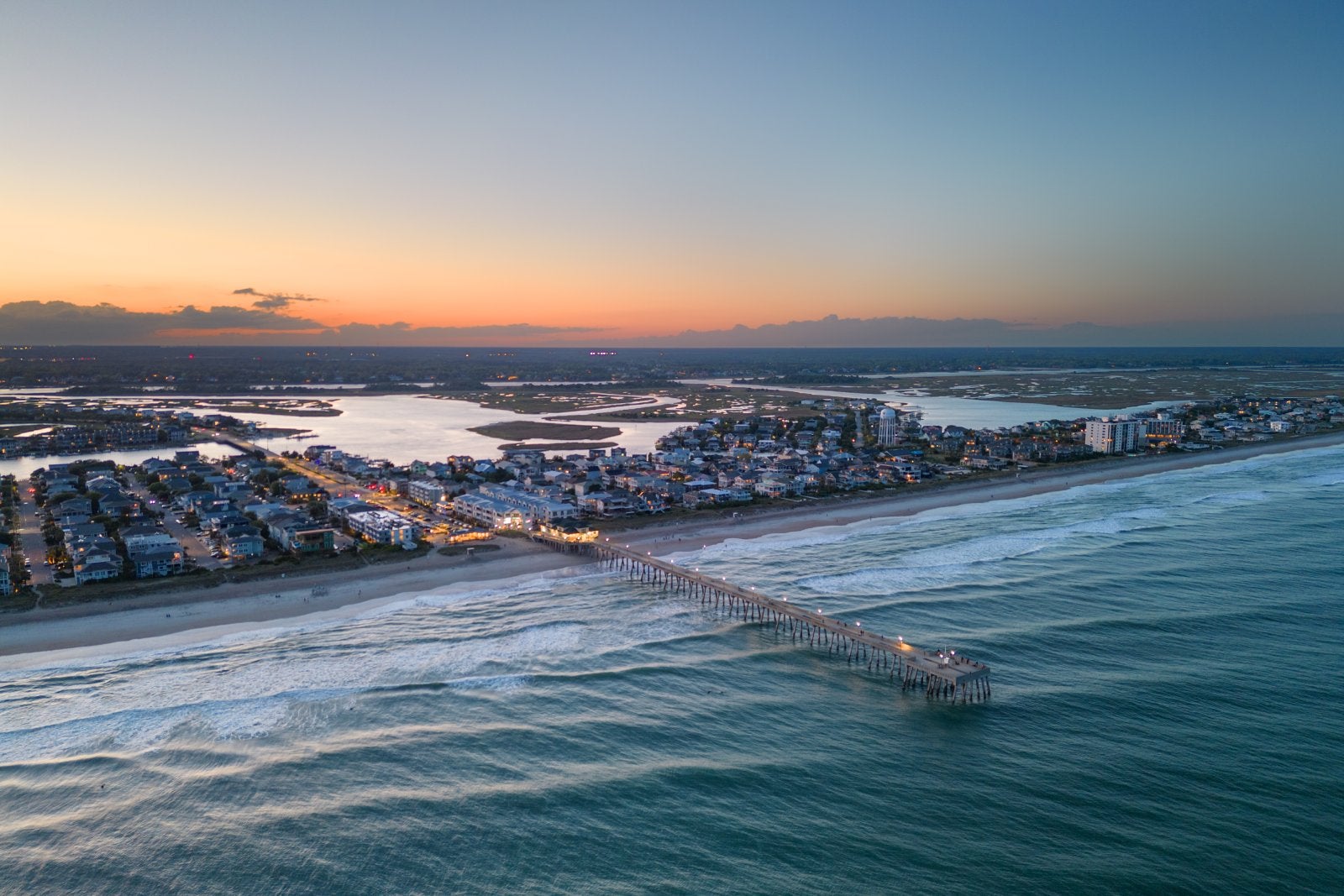
North Carolina’s coastline is famous for the Outer Banks, but for a weekend trip, the logistics of reaching those remote barrier islands can be daunting. Wrightsville Beach serves as the perfect alternative, offering the same crystal-clear Atlantic waters with significantly less transit time. Located just minutes from the city of Wilmington, Wrightsville Beach is characterized by its wide, clean shoreline and a vibrant, active community.
The town is a hub for watersports, particularly paddleboarding and surfing, thanks to the relatively warm waters of the Gulf Stream. A local tradition for weekenders is "The Loop," a 2.4-mile fitness trail that circles the heart of the island, offering views of the salt marshes and the Intracoastal Waterway. The town’s culinary scene has evolved significantly in recent years, with establishments like Oceanic and Shark Bar providing high-end seafood with unobstructed ocean views.
Wrightsville Beach is also a favorite for film enthusiasts, as the area has served as the backdrop for countless productions, including "Dawson’s Creek" and "Iron Man 3." Its proximity to Wilmington International Airport (ILM)—often less than a 20-minute drive—makes it one of the most accessible beach towns on the Eastern Seaboard for travelers flying from hubs like Charlotte, Atlanta, or Washington, D.C.
Provincetown, Massachusetts: The Tip of the Cape
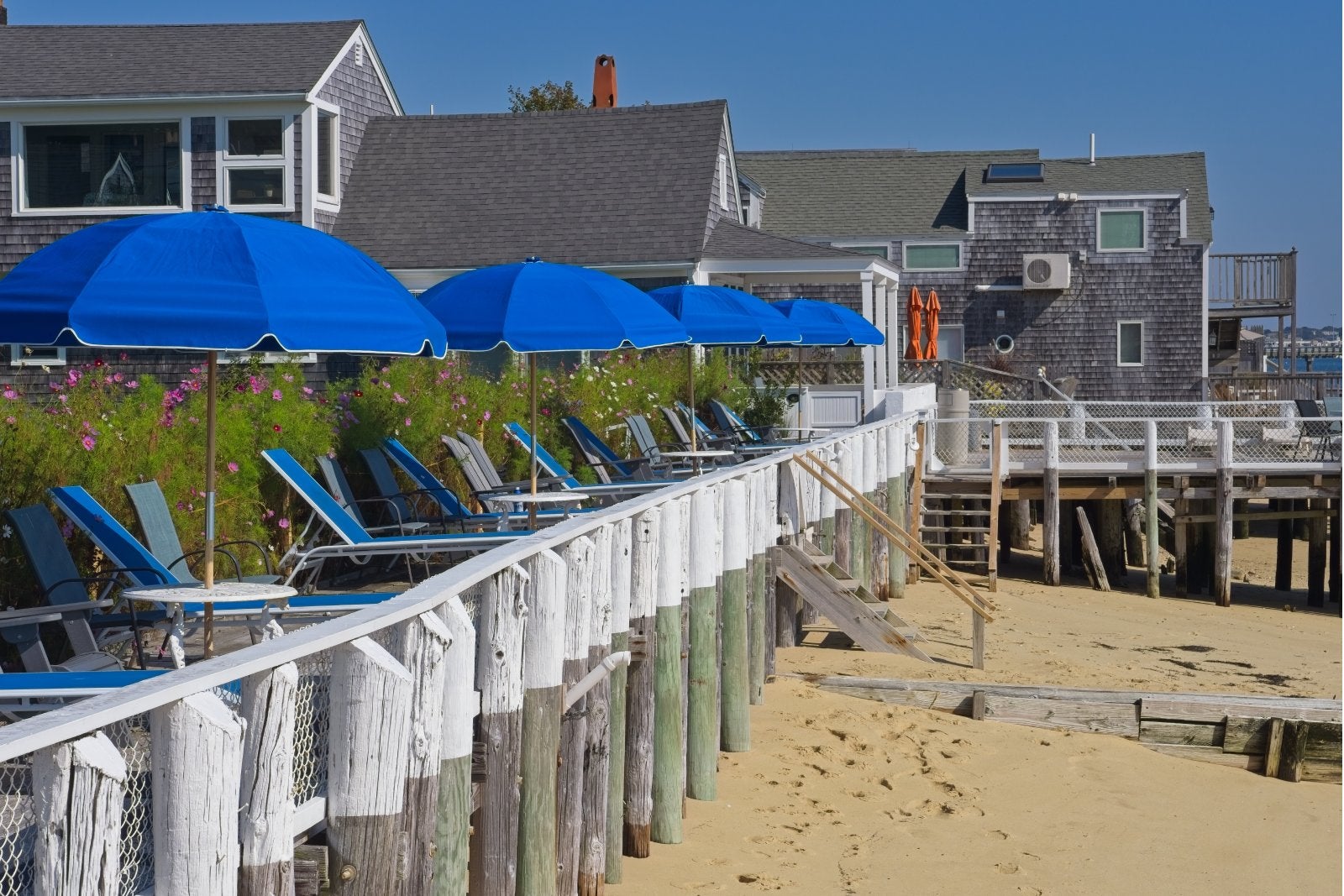
Provincetown, or "P-town," sits at the very northern tip of Cape Cod, and its isolation is exactly what makes it so special. Historically a whaling and fishing port, it transitioned into a world-renowned art colony and a landmark for the LGBTQ+ community. The town is a sensory explosion of colorful Victorian architecture, drag performances, high-end art galleries, and a culinary scene that ranges from greasy-spoon lobster rolls to Michelin-worthy fine dining.
Despite its location at the end of the peninsula, reaching Provincetown is surprisingly efficient. While the drive from Boston can take three hours or more during peak summer traffic, the high-speed ferry from Boston’s Long Wharf cuts that time down to 90 minutes. This allows visitors to enjoy a scenic voyage across Massachusetts Bay and arrive directly at MacMillan Pier, in the heart of the action.
Once there, the Cape Cod National Seashore offers some of the most dramatic landscapes in the country. Race Point Beach and Herring Cove Beach are famous for their expansive dunes and sunset views. The town is also highly walkable and bike-friendly, with the Province Lands Bike Trail offering a challenging but beautiful loop through the pine forests and sand dunes.
Destin, Florida: The World’s Luckiest Fishing Village
The Florida Panhandle, often referred to as the "Emerald Coast," is home to some of the whitest sand on the planet. This sand isn’t made of crushed shells, but of finely ground Appalachian quartz that traveled down rivers millions of years ago. Destin is the crown jewel of this region, offering a blend of high-energy entertainment and pristine natural beauty.
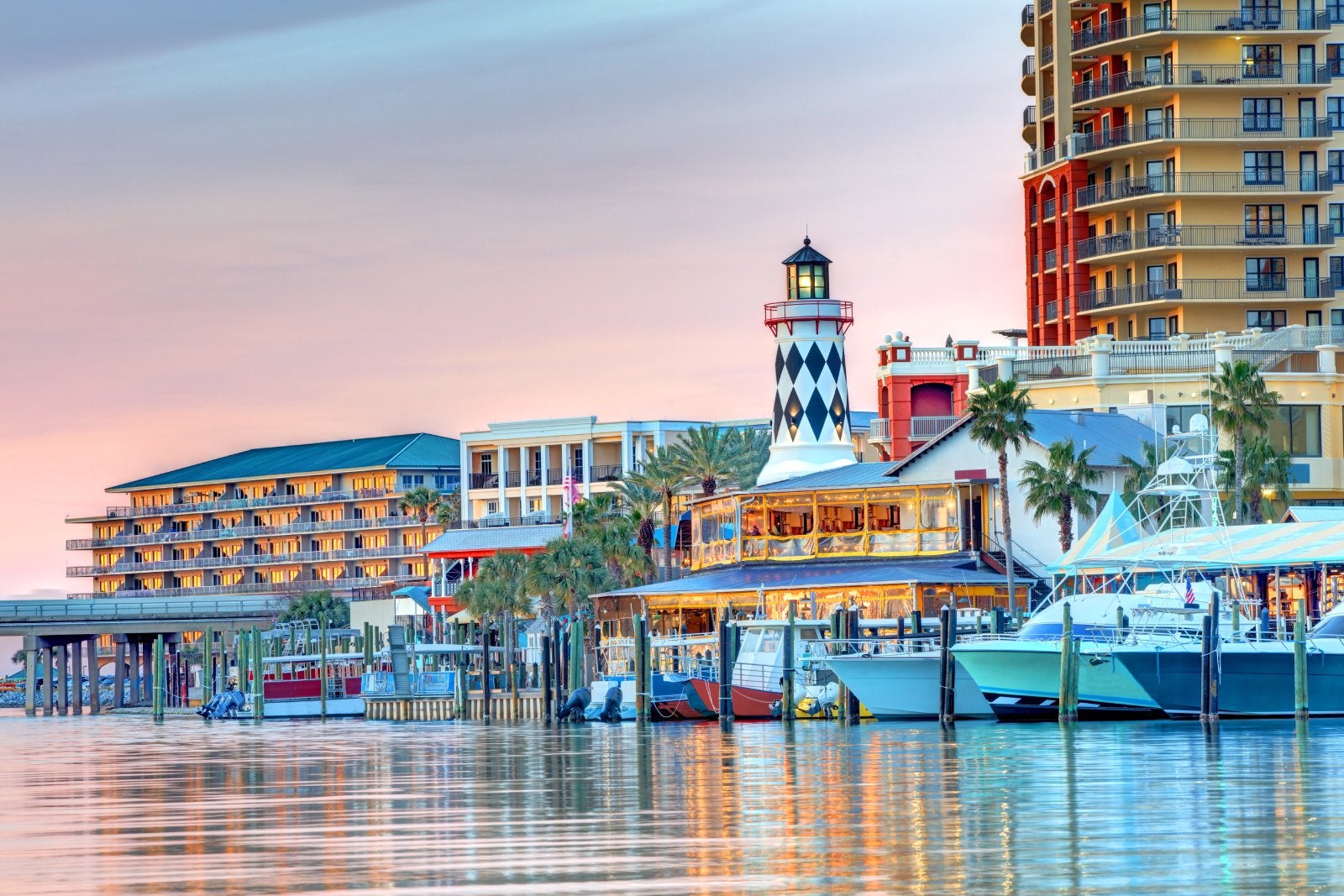
Destin was once a quiet fishing village, a heritage it still celebrates through the Destin Fishing Fleet, the largest in the state. For a weekend traveler, the Destin Harbor Boardwalk is the center of gravity, offering easy access to deep-sea fishing charters, dolphin cruises, and waterfront dining. Just offshore lies Crab Island, a shallow sandbar that becomes a social hub for boaters every weekend.
The accessibility of Destin has been revolutionized by the expansion of the Destin-Fort Walton Beach Airport (VPS). With increased direct flights from major cities like New York, Dallas, and Chicago, the Panhandle is no longer just a regional driving destination. It now competes directly with South Florida for weekend travelers looking for Caribbean-style water without the international flight.
Cannon Beach, Oregon: The Dramatic Pacific Northwest
For those who prefer their beach days with a side of mist, evergreens, and towering monoliths, Cannon Beach is the definitive choice. Located on the northern Oregon coast, it is dominated by the sight of Haystack Rock, a 235-foot sea stack that hosts a diverse ecosystem of tide pools and tufted puffins. Unlike the boardwalk-heavy towns of the East Coast, Cannon Beach focuses on the raw, unbridled beauty of the Pacific.
The town itself is governed by strict building codes that have prevented the encroachment of neon signs and high-rise hotels, resulting in a charming, weathered-cedar aesthetic. It is a haven for art lovers, with numerous galleries showcasing local glassblowing and landscape painting. Nearby Ecola State Park offers some of the most famous hiking trails in the West, providing "Goonies"-esque views of the coastline.
Cannon Beach is an easy 80-mile drive from Portland International Airport (PDX). The route takes travelers through the lush forests of the Coast Range, making the journey itself a scenic part of the weekend experience. For those looking for a quieter alternative, the nearby village of Manzanita offers a similar vibe with even fewer crowds.
Saugatuck, Michigan: The Art Coast of the Midwest
The Great Lakes offer a "third coast" experience that often surprises those from the seaboards. Saugatuck, Michigan, located on the eastern shore of Lake Michigan, is frequently cited as one of the best beach towns in the country. Its primary draw is Oval Beach, which is consistently ranked among the best freshwater beaches in the world due to its towering sand dunes and clear, unsalted water.
Saugatuck and its "twin" city, Douglas, have been a retreat for Chicagoans for over a century. The town is home to the Ox-Bow School of Art, which has helped foster a sophisticated local culture filled with galleries, studios, and boutiques. One of the town’s most unique features is the Saugatuck Chain Ferry, the only remaining hand-cranked chain ferry in the United States, which has been transporting passengers across the Kalamazoo River since 1838.
Just a two-hour drive from Chicago and three hours from Detroit, Saugatuck is the ultimate Midwest weekend escape. The area also features a thriving craft beverage scene, with numerous vineyards, cideries, and breweries located within a short drive of the downtown area.
Rehoboth Beach, Delaware: The Nation’s Summer Capital
Rehoboth Beach has earned the nickname "The Nation’s Summer Capital" due to its long-standing popularity with residents of Washington, D.C., including several U.S. presidents. It strikes a perfect balance between the nostalgic charm of a classic wooden boardwalk and a modern, sophisticated culinary scene.
The Rehoboth Beach Boardwalk is a mile-long stretch of family-friendly amusements, including the iconic Funland, which has been operating since 1962. However, just blocks away, the town offers high-end dining options like Bluecoast Seafood Grill and Salt Air, which cater to a more adult palate. Another significant draw is Delaware’s tax-free shopping, with the Tanger Outlets attracting bargain hunters from across the Mid-Atlantic.
Rehoboth is strategically located within a 2.5-hour drive of Philadelphia, Baltimore, and D.C., making it a primary target for weekend warriors in the Northeast Corridor. For those seeking a quieter experience, the adjacent Cape Henlopen State Park offers miles of undeveloped beaches, historic World War II observation towers, and excellent biking trails.
Whether one is looking for the rugged cliffs of Maine or the quartz sands of Florida, these eight towns prove that a world-class beach vacation does not require a week-long commitment. By prioritizing towns with established infrastructure and proximity to transit hubs, travelers can ensure that their weekend is spent on the sand, rather than in the car.
