
 By admin
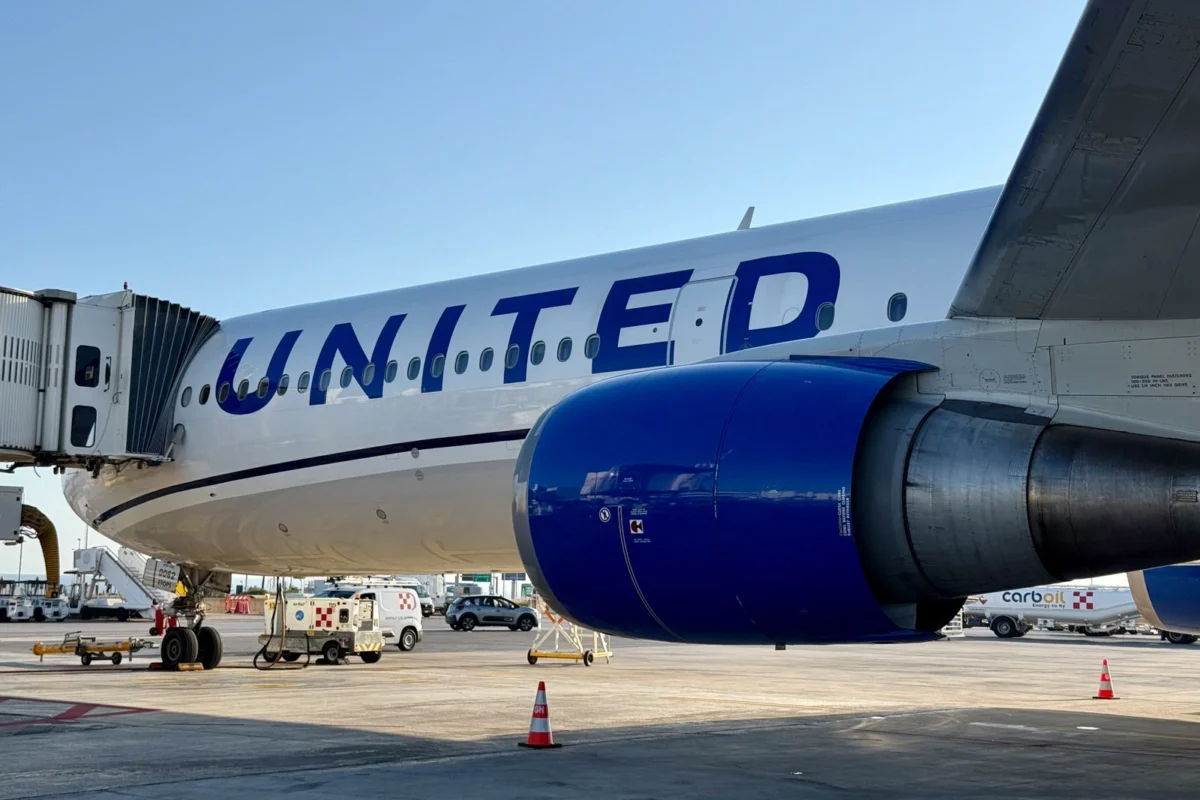
The strategic deployment of the Boeing 767-400ER on the Newark (EWR) to Palermo (PMO) route is a calculated move by United’s network planning team. Unlike the more common 767-300ER, the -400ER variant is a rare bird in the skies, with United being one of only two major operators globally. This aircraft offers a unique balance of range and capacity, perfectly suited for "long-thin" routes where demand is high but perhaps not yet sufficient for a larger Boeing 777 or 787 Dreamliner. The configuration of the 767-400ER is particularly attractive for the Palermo route, featuring 39 United Polaris business class pods, 24 United Premium Plus seats, 42 Economy Plus seats, and 126 standard economy seats. This heavy leaning toward premium cabins reflects the anticipated demographic for Sicilian travel: luxury vacationers, the Italian-American diaspora returning to ancestral homelands, and an increasing number of remote professionals drawn to the Mediterranean lifestyle.
The timing of this launch coincides with an unprecedented surge in interest in Southern Italy, a phenomenon often attributed to the "White Lotus effect." Following the massive cultural impact of the HBO series, which showcased the opulent landscapes of Taormina and the rugged beauty of the Sicilian coast, tourism to the island has broken historical records. However, until now, American travelers were forced to navigate the complexities of European transfers. By offering a nonstop flight, United is effectively shortening the journey by four to six hours, making Sicily as accessible from the East Coast as London or Paris. This accessibility is expected to transform Palermo from a seasonal stopover into a primary destination for high-end American tourism.
From a logistical perspective, Newark Liberty International Airport serves as the ideal springboard for this service. As United’s premier trans-Atlantic gateway, Newark handles the lion’s share of the airline’s European traffic, supported by a massive infrastructure that includes the sophisticated United Polaris Lounge. For passengers originating in cities like Chicago, Los Angeles, or San Francisco, the EWR hub provides seamless one-stop connectivity to Sicily. This network effect is something that smaller boutique carriers or low-cost long-haul airlines struggle to replicate, giving United a formidable competitive moat.
The arrival of a major U.S. carrier at Palermo’s Falcone-Borsellino Airport is also a transformative event for the local Sicilian economy. Historically, the Mezzogiorno—the southern regions of Italy—has lagged behind the industrial north in terms of infrastructure and direct foreign investment. The commitment of a global airline like United signals a vote of confidence in the region’s hospitality sector. Local authorities in Palermo have been preparing for this influx by investing in airport upgrades and promoting sustainable tourism initiatives that aim to distribute visitors beyond the overcrowded hotspots of Taormina into the heart of the city’s Arab-Norman architecture and the burgeoning culinary scene of the interior.
Aviation analysts note that United’s aggressive expansion into Italy is part of a larger chess match with its "Big Three" rivals, Delta Air Lines and American Airlines. While Delta has traditionally held a strong position in the Italian market through its partnership with ITA Airways (and formerly Alitalia), United has chosen a path of independent expansion. By targeting secondary cities like Naples and now Palermo, United is capturing a niche market of travelers who prioritize convenience and are willing to pay a premium for nonstop service. This strategy also hedges against the saturation of major European capitals, where airport slot constraints and "overtourism" backlash have made growth increasingly difficult.

The onboard experience on the EWR-PMO route is designed to compete with the world’s best. The Polaris business class cabin, with its 1-2-1 configuration, ensures that every passenger has direct aisle access—a feature that has become the gold standard for trans-oceanic travel. Passengers can expect a curated menu that often pays homage to the destination; it would not be surprising to see Sicilian-inspired flavors, such as citrus-infused dishes or Nero d’Avola wines, making an appearance in the premium cabins. Furthermore, the inclusion of the Premium Plus cabin caters to a growing segment of "aspirational" travelers—those who want more comfort than economy but are not ready to commit to the full cost of a lie-flat bed.
Beyond the hardware of the aircraft and the beauty of the destination, the financial ecosystem surrounding this route is noteworthy. As highlighted in the original context of the news, travel credit cards and loyalty programs play a pivotal role in the viability of such routes. For many travelers, the Newark-to-Palermo flight represents a "bucket list" redemption. Using MileagePlus miles or credit card points to book a Polaris seat on an inaugural or seasonal flight is a high-value proposition. The partnership between airlines and financial institutions ensures a steady stream of "miles-rich" passengers who fill the front of the plane, providing the high yields necessary to sustain long-haul operations.
Environmental considerations also loom large over new long-haul routes. United has been vocal about its goal to be 100% green by 2050 without relying on traditional carbon offsets. The Boeing 767-400ER, while an older airframe compared to the 787, has undergone significant retrofits to improve fuel efficiency. Moreover, United is a leader in the procurement of Sustainable Aviation Fuel (SAF). As the airline expands its footprint in Europe, it faces increasing pressure from EU regulations, such as the RefuelEU Aviation initiative, which mandates a certain percentage of SAF usage. Navigating these regulatory waters while maintaining a profitable expansion into Sicily will be a key challenge for United’s leadership in the coming years.
The cultural bridge being built by this flight cannot be overstated. For the millions of Americans of Sicilian descent living in the New Jersey and New York area, this flight is more than just a convenience; it is a homecoming. The "VFR" (Visiting Friends and Relatives) market provides a reliable baseline of demand that complements the seasonal fluctuations of the tourism industry. By anchoring the route in Newark—a region with one of the highest concentrations of Italian-Americans in the world—United is tapping into a deeply personal and recession-resistant traveler base.
Looking ahead, the success of the Newark-Palermo route may serve as a blueprint for further expansion into the Mediterranean. If the load factors and yields meet expectations, it is likely that United will consider extending the season or even upgrading the aircraft to a Boeing 787-8 as those newer frames become more available in the fleet. There is also the possibility of "triangle" routes or increased frequencies to other Italian gems like Bari or Cagliari, as the American traveler’s appetite for authentic, "untouched" Europe continues to grow.
In conclusion, United Airlines’ nonstop service from Newark to Palermo is a bold statement of intent. it reflects a sophisticated understanding of modern travel trends, leveraging the right aircraft for the right market at the right time. By connecting the financial capital of the world with the historic heart of the Mediterranean, United is not just selling tickets; it is facilitating a new era of cultural and economic exchange. As the Boeing 767-400ER touches down on the runway at Falcone-Borsellino, with the Tyrrhenian Sea on one side and the mountains of Sicily on the other, it marks the beginning of a new chapter in trans-Atlantic travel—one where the journey is as seamless as the destination is enchanting. For the traveler, the message is clear: the wonders of Sicily have never been closer.
